12 things to consider before sending your child to private school
For many parents, choosing a private school feels like investing in a child’s future. But the decision is rarely simple. In the United States, about 4.7 million K–12 students, roughly 9% of all students, attend private schools, according to the National Center for Education Statistics (NCES). While private schools are often associated with smaller class sizes, specialized programs, and strong academic outcomes, tuition costs can range from several thousand dollars to more than $50,000 annually at elite institutions.
Families are increasingly weighing if the benefits justify the cost, especially as public, charter, and hybrid learning options continue to evolve. Before making a commitment, here are 12 important things every parent should carefully evaluate.
The Real Cost
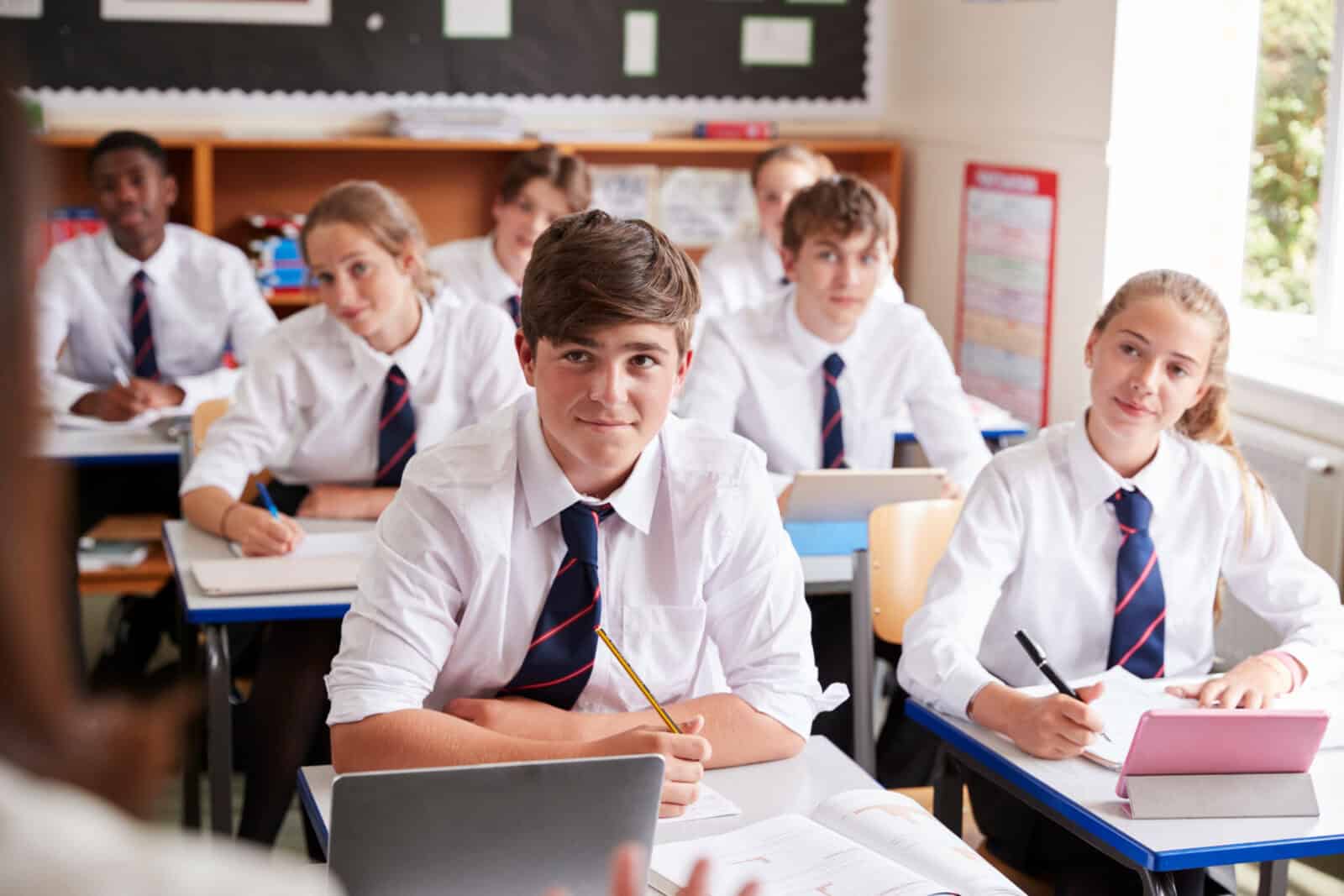
Private school tuition is the headline, but the full story often hides in the footnotes. Education Data Initiative reports the national average at $12,790 a year, with private elementary and middle school at $9,210 and private secondary school at $16,420 in 2026.
The U.S. Census Bureau reported median household income of $83,730 in 2024, so one child’s average private high school tuition can eat close to one-fifth of a typical household’s income before taxes, housing, food, health care, and savings enter the room. Then come uniforms, application fees, laptops, lunch, after-school care, sports, music, field trips, parent fundraising, and transportation.
NAIS says its member schools awarded nearly $3.6 billion in need-based aid in 2024–2025, which sounds large because it is, but aid is limited and often partial. A $12,790 tuition bill that rises 5% a year becomes about $20,800 after 10 years, so the real question isn’t, “Can we pay this September?” It’s, “Can we keep paying when our child is older, hungrier, busier, and harder to move?”
What You’re Actually Buying
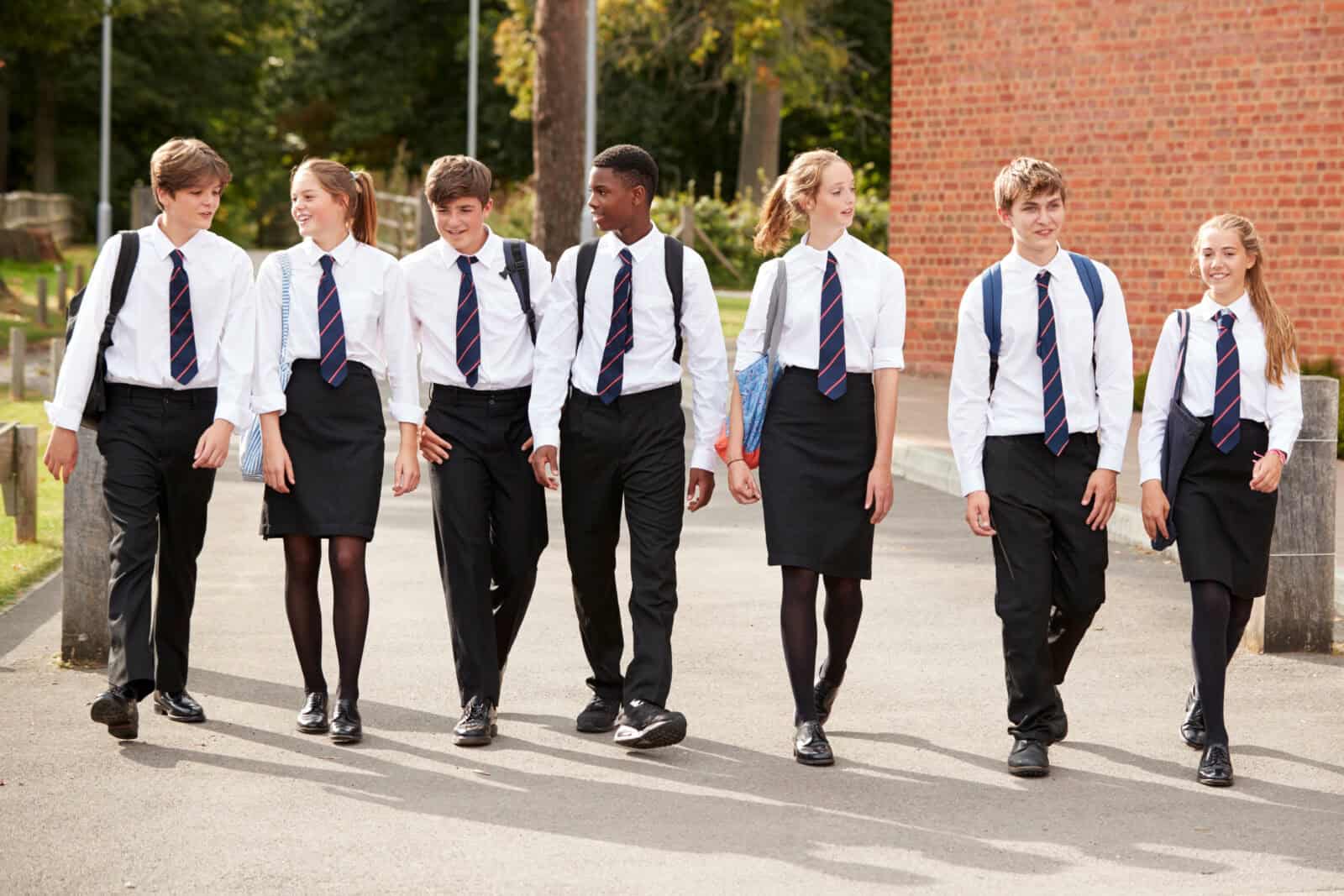
Smaller classes are one of private schools’ strongest selling points, and the numbers do show a gap. NCES reported that private schools had a 12.5 to 1 pupil-teacher ratio in 2021, compared with 15.4 to 1 in public schools, and the NCES private school survey data places K–12 private enrollment near 4.7 million students. That smaller ratio can matter.
A teacher with fewer students may catch the child who reads slowly but hides it, the child who finishes math too fast and gets bored, or the child who needs one more quiet explanation before the lesson clicks. But a low ratio is a tool, not a guarantee. Ask how teachers use it.
Do they give detailed writing feedback? Do they group students by need? Do they track growth every few weeks? Do they have time for shy children, not just confident ones? Parents often pay for attention, but attention must show up in notebooks, reports, conferences, and the small mercy of a teacher knowing your child’s face before they know the tuition account.
Values, Culture and Fit
A famous school name can sparkle like jewelry, but culture is what your child has to wear every day. CAPE’s parent-choice reporting found that more than 85% of parents chose private school for a better learning environment, 81.3% cited better education, 80.5% cited smaller classes, and 76.4% cited more individual attention.
Those numbers tell us something plain: parents aren’t only chasing test scores. They’re chasing calm hallways, firm discipline, kindness, faith alignment, safety, and teachers who don’t treat children like numbers in a spreadsheet. So look past the crest on the blazer. Watch drop-off.
Listen to how staff speak to children who are late, messy, nervous, or new. Ask how bullying is handled, how conflict gets repaired, and how the school talks about money, race, faith, politics, service, and failure. A child can survive a hard curriculum if they feel seen. It’s much harder to survive in a shiny school that makes them feel small.
Academic Track Record and Curriculum Style
Private schools can deliver strong academics, but “private” is not a magic stamp. NCES data show private schools serve a smaller slice of American students, about 9% of K–12 enrollment, so many outcome claims are shaped by who applies, who gets admitted, and what support families already bring from home.
Education Week’s 2026 reporting on school choice captured this with a sharp warning from Douglas Harris, an economist and education researcher at Tulane University: “It’s hard to deal with the selection bias problems, because there’s so much selection going on,” adding, “The students are selecting schools, and the schools are selecting students.”
That matters for parents reading college lists like prophecy. Ask for test-score trends, writing samples across grades, math placement, reading growth, teacher credentials, AP or IB access, college persistence, and support for students who don’t fit the top-track mold.
A school’s curriculum can be classical, Montessori, IB, faith-based, project-based, or traditional. The best one is the one that helps your child think, speak, write, solve, and stay curious after the grade is posted.
Support, Learning Needs, and Mental Health
This is the part many parents miss until the contract is signed and the struggle has a name. A private school may promise individual attention, but that does not mean it has a reading specialist, speech therapist, psychologist, occupational therapist, dyslexia program, autism support, or enough counselors for anxious students.
The U.S. Department of Education’s IDEA guidance says parentally placed private school children with disabilities can receive equitable participation in federally funded services, but a separate IDEA document states that these children do not have the same individual entitlement to services they would receive in public school.
GAO also found that no more than 53% of private schools in voucher programs for students with disabilities provided disability-related information on their websites. So ask hard, loving questions. How many students receive learning support? What costs extra? Who writes the plan? How often does the school review progress? A school that cannot support your child’s brain, emotions, and body may turn a hopeful move into a costly maze.
Diversity, Inclusion, and Social Mix
Children learn from textbooks, but they also learn from lunch tables, birthday parties, carpool talk, and who gets treated as “normal.” NCES reports that among private school students in fall 2021, 65% were White, 12% were Hispanic, 9% were Black, 6% were Asian, and 6% were students of two or more races.
NCES also found that private schools had a lower poverty rate than public schools, 11% compared with 17%, which can shape the social weather of a campus. Diversity isn’t only a brochure photo. It’s who gets leadership roles, whose holidays are known, whose hair is policed, whose lunch is laughed at, and whose parents can afford every trip without blinking.
Ask what share of students receive aid, how the school handles aid privacy, and if aid covers extras like uniforms, trips, testing, clubs, and sports. A middle-income child in a high-income school may learn confidence, but they may also learn comparison. The difference often depends on how honestly the school talks about money and belonging.
Long-Term Enrollment Trends and School Stability
A private school can look peaceful on tour day and still be fighting rough winds behind the office door. NCES reported about 29,700 private schools in 2021–22, down from about 30,500 in 2019–20, and private K–12 enrollment held near 4.7 million across those years.
Cato’s 2024 Private School Enrollment Survey found a split market: 40% of private schools reported enrollment increases from 2023–24 to 2024–25, 32% reported decreases, and 28% reported flat enrollment. That’s not a small detail. A shrinking school may cut art, counseling, electives, sports, financial aid, or staff. A fast-growing school may lose the small-school feel that families came for.
In the same school-choice wave, K–12 Dive reported that EdChoice president and CEO Robert Enlow said participation reached 1 million students after about 24 years, then jumped to 1.3 million in only one year. Growth can bring energy, but it can also bring crowded classrooms, waitlists, rushed hiring, and higher prices. Ask for five-year enrollment trends, teacher turnover, leadership changes, debt, accreditation, and recent program cuts before you fall for the chapel, gym, or garden.
Logistics, Commute, Calendar, and Daily Life

The best school on paper can become a bad fit at 6:15 a.m. with a tired child, a missing shoe, and traffic glowing red on the map. Private schools may run different calendars, longer days, weekend games, evening performances, parent volunteer hours, mandatory fundraisers, and after-school clubs that stretch the family week thin.
The BLS reported that average annual spending for U.S. consumer units was $78,535 in 2024, and the Federal Reserve’s 2024 household survey found 63% of adults could cover a $400 emergency expense using cash, savings, or a credit card paid off at the next statement. Those two numbers matter because private school logistics often create surprise costs, gas, childcare, missed work, extra meals, extra uniforms, and backup rides.
Do a test week before you commit. Drive the route at real drop-off time. Track sleep. Watch your child’s mood after the commute. Count sibling conflicts, dinner delays, homework stress, and parent work pressure. A school should add structure to family life, not turn every morning into a small thunderstorm.
Technology, Safety, and Digital Policies
A school’s phone and safety rules now matter almost as much as its math curriculum. Common Sense Media reported in 2025 that 72% of high school teachers see cell phone distraction as a major classroom problem, and 97% of 11- to 17-year-olds with smartphones use them during the school day.
NCES reported that 19% of students ages 12 to 18 said they were bullied at school in 2021–22, and only about 44% of bullied students told an adult at school. So ask what the school actually does, not just what the handbook says. Are phones locked away, silenced, or loosely policed? Does the school monitor school-issued devices? How does it handle group chats that turn cruel after dinner? What happens after a bullying report? Who follows up with the child two weeks later?
Jonathan Haidt, social psychologist at NYU Stern, has pushed for “no smartphones before age 14, no social media until 16, phone-free schools, and increased unsupervised play,” a set of norms that has helped drive the national phone debate. Parents don’t need a fortress. They need a school that protects attention, dignity, and childhood without turning students into suspects.
Outcomes
College banners can be seductive. A wall full of elite names can make parents feel like they’re buying a golden ticket, but outcomes need a closer read. NCES reported the U.S. public high school adjusted cohort graduation rate reached 87% in 2021–22, up 7 percentage points from a decade earlier, so any private high school should be able to explain what it adds beyond the national trend.
Ask for more than acceptance rates. Ask where graduates enroll, how many stay in college after year one, what share receive merit aid, how many choose community college, trades, military service, gap years, internships, arts programs, or entrepreneurship.
For K–8 schools, ask where students go next and how prepared they are in writing, math, study habits, and confidence. A strong school should be able to talk about growth, not just prestige. A child’s future is not a bumper sticker. It’s the work ethic they carry, the questions they learn to ask, and the doors they can walk through without feeling like an impostor.
Your Child’s Readiness and Personality
A school can be excellent and still be wrong for your child right now. Some children bloom under the structure. Some need warmth before rigor. Some love uniforms and routines. Others feel their spirit shrinking under too many rules.
The Kids Mental Health Foundation defines school belonging as feeling supported, respected, accepted, and connected to teachers and peers, and the U.S. Surgeon General’s 2023 advisory on loneliness states that social connection is a basic human need. Dr. Vivek Murthy put it in plain language during a 2024 UCL talk: “Our connections to each other are more than just a nice thing to have, something that makes us feel good. They’re vital to our survival.”
That applies to school hallways, too. A hypothetical child named Maya may test above grade level but cry every Sunday night because the school’s competitive culture makes her feel hunted. A hypothetical child named Jordan may thrive in the same school because the pace feels like music. Visit twice. Try a shadow day. Watch your child’s shoulders, voice, appetite, and sleep after the visit. Their body may review the school before their mouth can.
Exit Strategy and Flexibility

Before you sign, read the exit terms like a parent, not a dreamer. Enrollment contracts often include non-refundable deposits, withdrawal deadlines, tuition obligations after a certain date, payment plan rules, and fees that remain in effect if the fit breaks down midyear.
NCES data show private school students make up about 9% of K–12 enrollment, so most American students still attend public schools, and many families move between public, private, charter, homeschool, or hybrid options over time. School-choice programs add one more layer.
K–12 Dive reported private school-choice participation rose 25% from just over 1 million in 2024 to 1.3 million in 2025, but a voucher or education savings account does not guarantee admission, transportation, full tuition coverage, or learning support. Ask what happens if your job changes, aid drops, your child struggles, the commute becomes too much, or a sibling needs a different path. A good exit plan doesn’t mean you expect failure. It means you respect childhood enough to leave the door unlocked.
Reflective Close

Private school can be a gift. It can also be a strain in good lighting. The numbers make that clear: average tuition near $12,790, private school enrollment at about 4.7 million students, and school-choice participation rising to 1.3 million in 2025.
The heart makes it clearer. You’re not choosing a logo. You’re choosing mornings, friendships, teachers, costs, pressure, safety, and the place where your child will spend thousands of hours becoming themselves.
Key Takeaways

- Private school tuition is only the starting line. The Education Data Initiative lists the average tuition at $12,790, but fees, trips, uniforms, transportation, and annual increases can change the real cost quickly.
- Smaller classes can help, since NCES reports that private schools had a 12.5-to-1 pupil-teacher ratio versus 15.4-to-1 in public schools in 2021, but parents still need proof of strong teaching.
- Fit matters as much as academics. CAPE’s parent-choice data found that more than 85% of parents cited a better learning environment, indicating that culture is a major driver.
- School-choice growth is changing the market. EdChoice data reported a 25% jump in private school-choice participation from 2024 to 2025, but more demand can also mean more competition for seats.
- Families should ask about the exit plan before signing. NCES shows that private schools remain about 9% of K–12 enrollment, so keeping public, charter, homeschool, or other private options in view is smart, not pessimistic.
Disclaimer – This list is solely the author’s opinion based on research and publicly available information. It is not intended to be professional advice.
Like our content? Be sure to follow us