11 ways democracy’s collapse always hits women first
We often imagine the fall of a democracy as a sudden, loud event. Tanks in the streets or a dramatic speech at midnight. But history tells a quieter, more personal story. For most women, the shift doesn’t start with a headline. It starts with a subtle change in how they walk down the street, who they can talk to, and what they are allowed to do with their own bodies.
This is already happening: According to the UN, women’s rights have regressed in one-fourth of the world’s countries in the last year in the face of issues ranging from weakened democratic institutions, growing conflicts, humanitarian crises, and climate change. The shift isn’t abstract; it’s the daily reality of women losing legal protections, facing increased violence, and having fewer choices about their own bodies as democracy quietly erodes around them.
At first, some of these changes don’t even look political. They look like a “new normal” in the neighborhood or a slight shift in workplace culture. Yet, history has a strange way of repeating itself, and women usually notice the consequences first.
Civic Space Shrinks
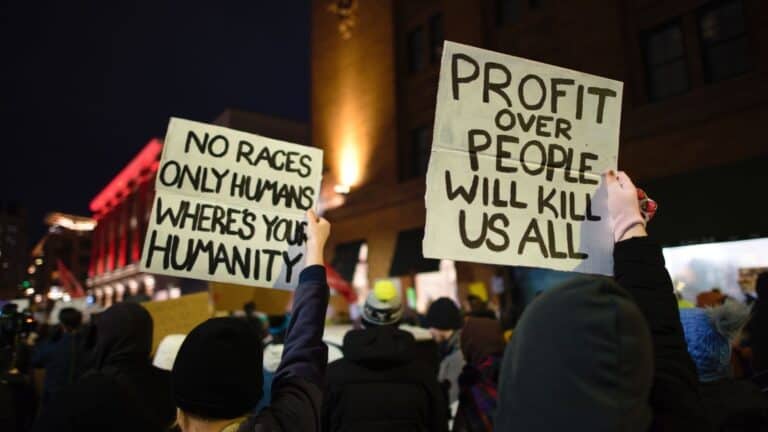
When a democracy begins to backslide, the “civic space” is the first thing to go. Think of this space as the room we all have to breathe, speak, and meet up without someone looking over our shoulders. When this room gets smaller, women lose their loudest microphone.
A UN Women report shows that women’s rights have recently regressed in 25% of the world’s countries. This happens because democratic institutions weaken. Suddenly, the simple act of organizing a local meet-up or a protest becomes a risk.
For women human rights defenders, this shift isn’t just an inconvenience. It involves intensified scrutiny, harassment, and even violence. When gender equality policies start to disappear, it is usually a signal that other democratic rights are about to follow.
Reproductive Rights Erode
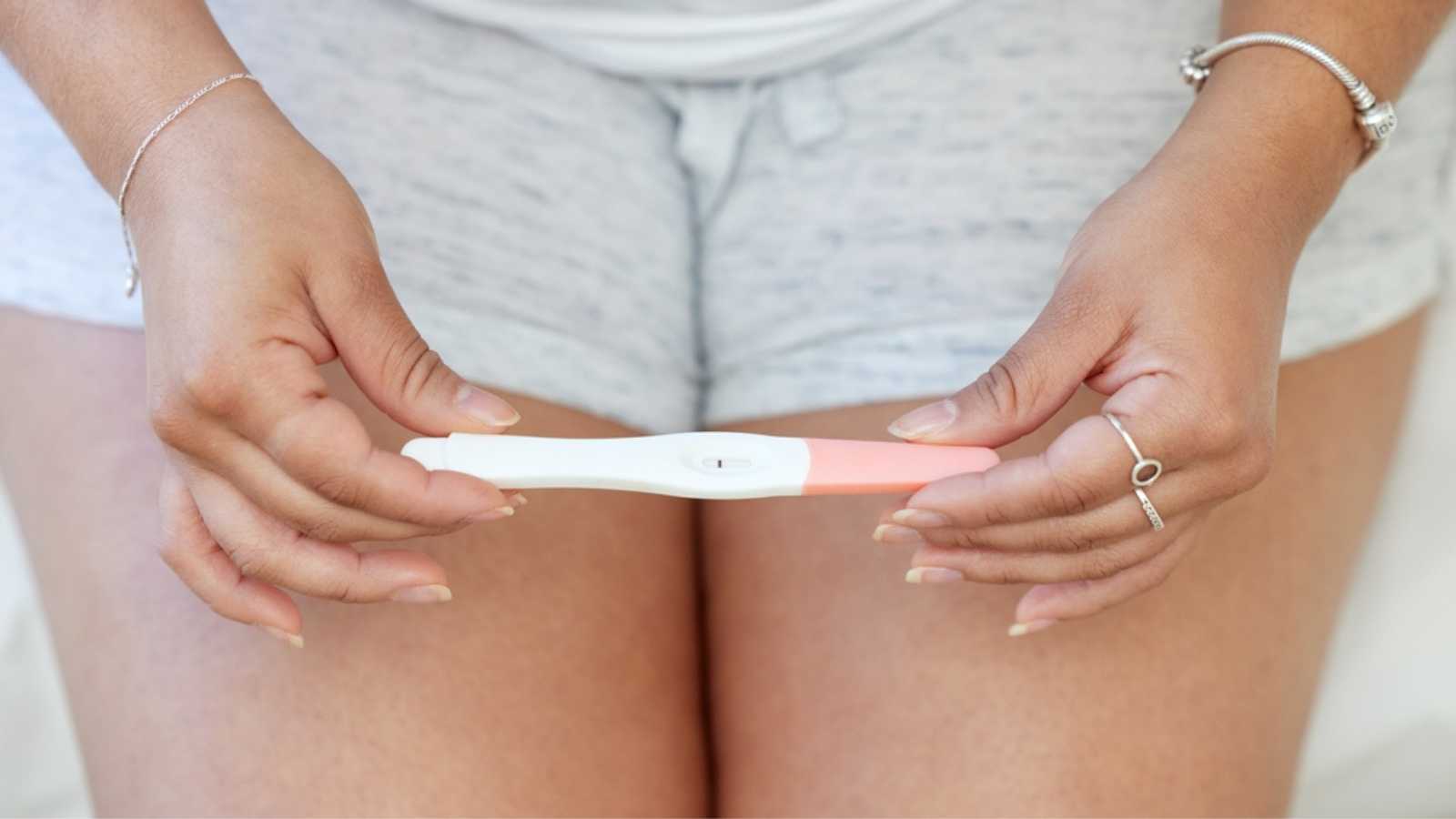
Control over the body is the ultimate lever of power. In backsliding societies, the state often decides that a woman’s private life is its business. We see this in autocratic regimes where reproductive rights become a tool for patriarchal control.
In some places, this looks like forced birth rate limits or even forced sterilizations, as seen in reports regarding the treatment of Uyghur and Tibetan women. In other contexts, it involves the denial of basic health services.
Data from the Hologic Global Women’s Health Index shows a clear pattern. Out of 122 nations, those with the worst health outcomes for women are almost all rated as “not free” or “partly free” by Freedom House. When a government stops being accountable to its people, it starts viewing women’s bodies as property of the state.
Violence Escalates
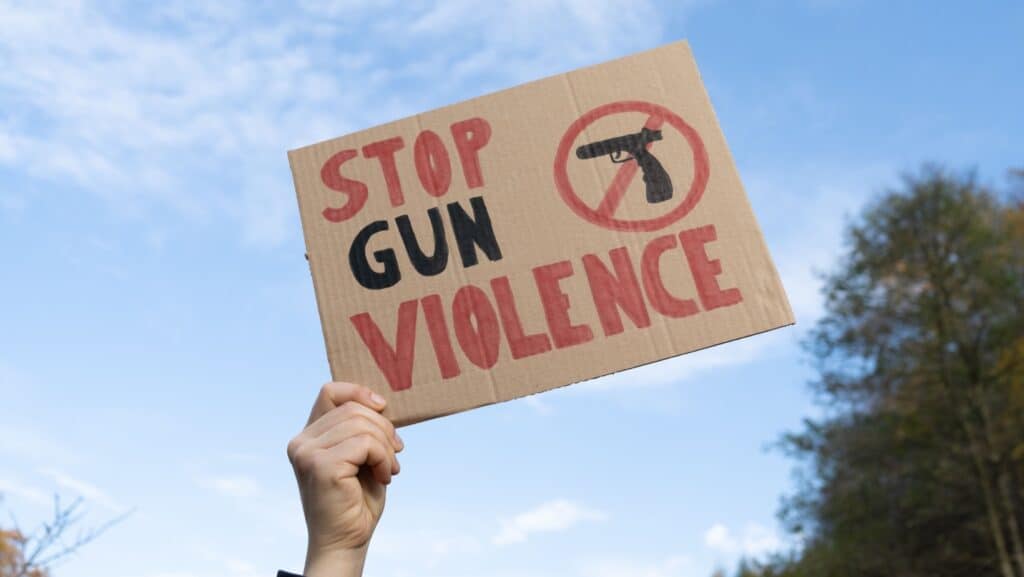
Safety isn’t just a personal issue; it’s a political one. As the rule of law weakens, the protection of women often becomes the government’s lowest priority. The numbers are staggering. In 2024, an estimated 50,000 women and girls were killed by intimate partners or family members globally. That is one every ten minutes.
Democracies aren’t perfect, but they offer tools to fight back. They provide independent courts and a free media to hold abusers accountable. In autocracies, or countries where democracy is fading, these protections vanish. In Afghanistan, the Taliban dismantled protections against gender based violence and closed shelters. When the state itself starts ignoring or even perpetrating violence, women lose their sense of basic security.
Political Exclusion Grows
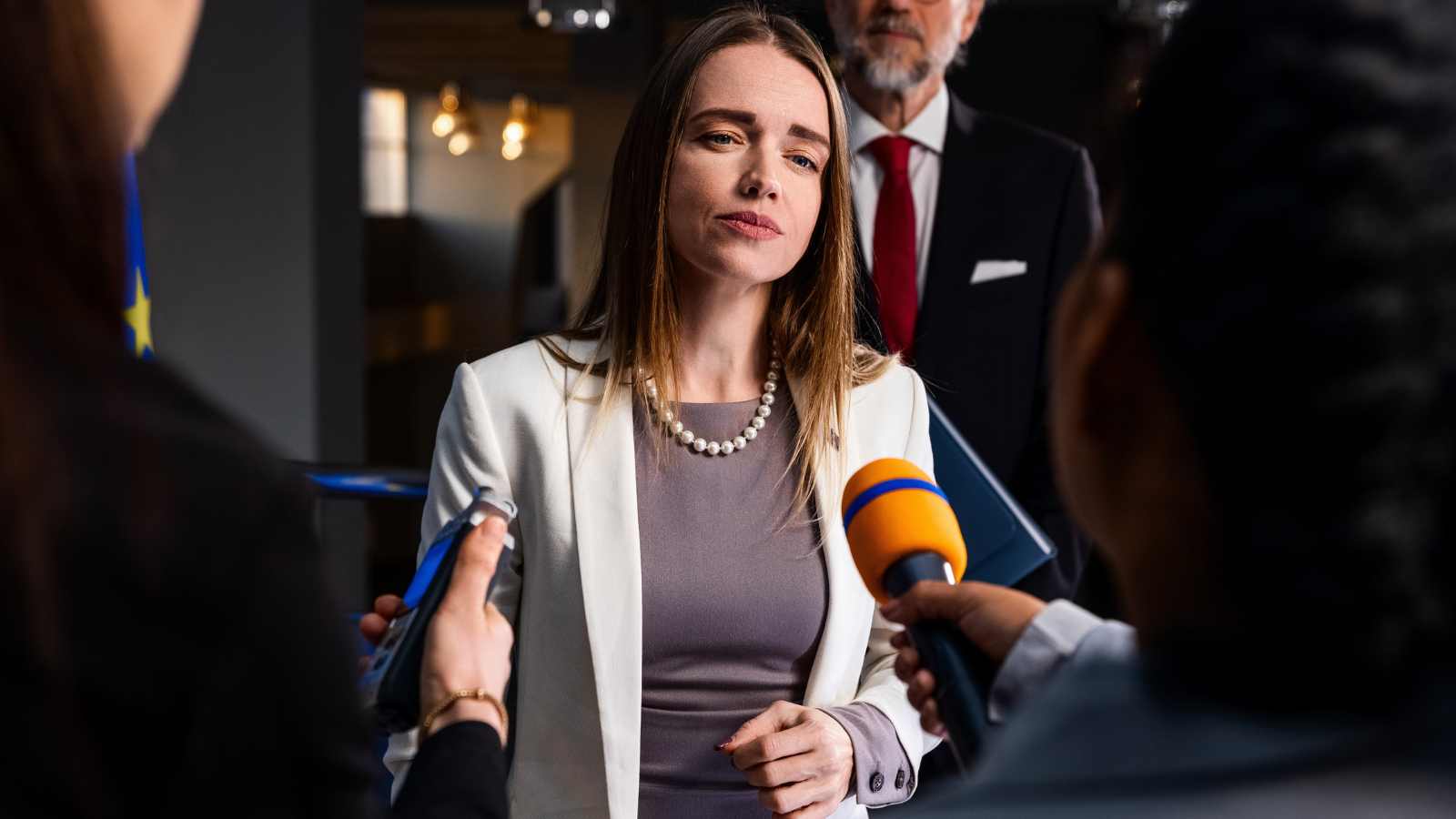
The table gets smaller, and the chairs for women are the first to be removed. Even though women make up half the population, they only hold about 26.9% of parliamentary seats worldwide. As democracies weaken, this number tends to stall or drop.
In 2023, during elections in 34 countries, women’s representation either fell or stayed flat. Why does this happen? Male-dominated parties often block women from the most important roles when they feel their power is threatened.
In Tunisia, representation dropped from 31% to about 16% after a significant shift in how the government was run. When women aren’t in the room where decisions are made, the laws quickly stop reflecting their needs.
Misinformation Targets Women

The internet is a great way to connect, but in a crumbling democracy, it becomes a weapon. Misogynistic misinformation is used to silence women who speak up. This isn’t just “mean comments.” It is a deliberate tactic to discredit female leaders and activists.
False narratives and doctored content frame gender equality as a “dangerous” or “partisan” issue. We’ve seen this in Russia and Hungary, where “traditional values” are used as a shield to roll back rights.
By painting feminists as “foreign influences” or threats to the family, authoritarian forces can justify silencing half the population. It makes the public square a hostile place for any woman with an opinion.
Economic Inequality Worsens

When democracies crumble, the wealth gap doesn’t just widen; it targets. Democratic systems are generally more responsive to the demands of the poor. They tend to favor pro-labor policies and education for marginalized groups.
When these systems fail, the focus shifts to favoring those at the very top. An Indonesian study found that while autocracies might attract investment, they often do so by stripping away labor protections.
This hits women hardest because they are frequently overrepresented in informal or lower-paid labor sectors. Without the protections of a democracy, women lose their leverage for fair wages and economic independence.
Justice Systems Fail

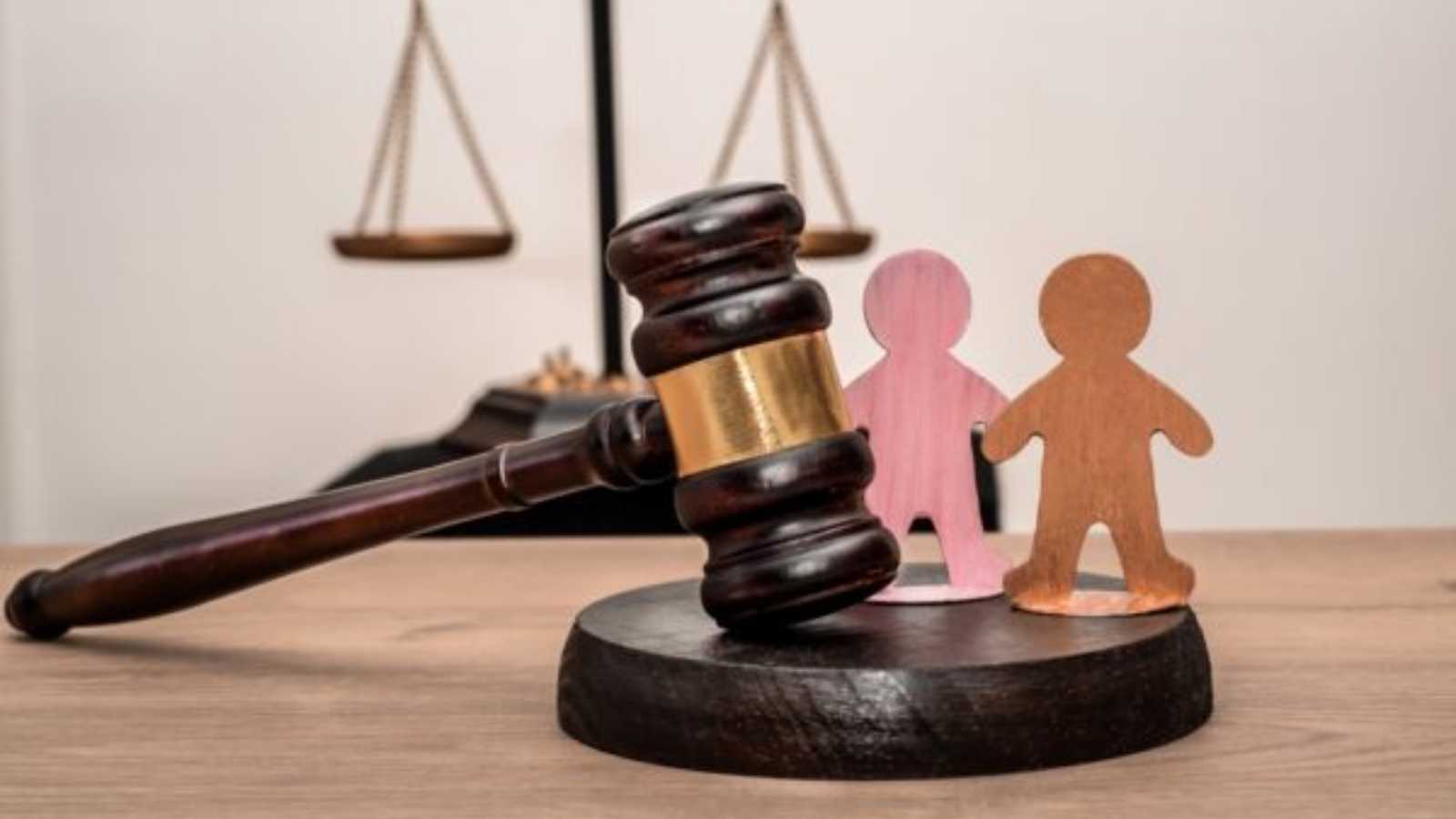
A courtroom should be a place of refuge. But in backsliding societies, the judiciary often becomes a tool for the powerful. When executive leaders start harassing judges or dismissing them without cause, everyone loses, but women lose their last line of defense.
In Tunisia, female magistrates faced explicit gender based harassment during dismissals. In Guatemala, independent female judges and prosecutors were targeted until many had to flee the country.
When the justice system is captured by the government, a woman seeking protection from abuse or corruption finds the doors locked. Without an independent judge, a law is just a piece of paper.
Traditional Norms Enforced
Sometimes the shift looks like a return to “the good old days.” Authoritarian leaders often push women back into rigid roles as wives and mothers. They view an independent woman as a direct threat to their hierarchy.
Professor Erica Chenoweth and Zoe Marks from Harvard describe this as a “mutually reinforcing” ill. Autocrats promote male elite hierarchies to stay in power.
They see women’s participation in social movements as a strategic threat because those movements are often more successful at bringing about real change. By enforcing traditional norms, they aren’t just protecting “culture”; they are trying to keep the population easier to control.
Health Access Declines
The numbers don’t lie: infant and child mortality rates climb when democracy fails. Research covering 180 countries shows that democracy significantly boosts health outcomes like life expectancy.
When a government stops being accountable, it stops investing in its most vulnerable citizens. Military dictatorships, in particular, show the worst impacts on health metrics.
For a woman, this means higher risks during childbirth and less support for her children. A transition from a dictatorship to a democracy usually brings a massive boost to health access, proving that your vote is directly tied to your physical well-being.
Backlash Against Gains
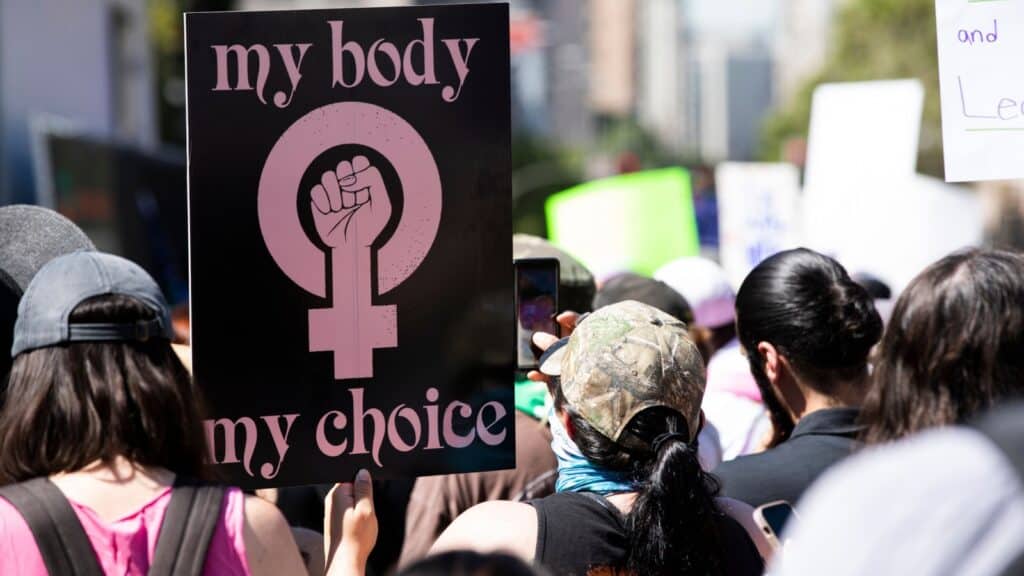
Progress isn’t a straight line. Often, the loudest attacks on women’s rights happen right after they’ve made major gains. We see women leading the charge for change everywhere from Belarus to Iran. They are often the most visible faces of resistance against backsliding governments.
Because women are so effective at organizing, they face a ferocious backlash. Authoritarians frame their demands for equality as “radical ideology” that will destroy the family. This leads to state repression and gendered threats designed to make women stay home. It’s a sign that the people in power are afraid of the change women represent.
Global Norms Weaken

When the “big players” on the world stage stop prioritizing human rights, everyone feels the chill. When major democracies cut funding to democracy programs or stop speaking up about abuses, authoritarians everywhere feel emboldened.
They look at Western examples and say, “If they can do this, why can’t we?” This leaves local women-led groups isolated. Many activists in countries like Pakistan or India are now diversifying their funding and building their own alliances because they can no longer rely on global norms to protect them. When the world stops looking, the risks for women on the ground multiply.
The bigger picture is that none of these points happens in a vacuum. They are connected. Sometimes the biggest social changes don’t arrive all at once. They show up quietly in women’s everyday lives first, in the doctor’s office, at the office desk, or in the comments section of a social media post.
Paying attention to these patterns doesn’t mean panicking. It simply means noticing what history has shown again and again. Democracy is more than just voting; it is a shield that protects the most personal parts of our lives. When that shield starts to thin, women are the ones who feel the cold first. And that’s the part most people miss.
Key Takeaways

- Subtle shifts in women’s personal freedoms often predict a broader collapse of democratic rights for everyone.
- Issues like healthcare and household safety are the first things to change when a government stops answering to its citizens.
- Democracy provides the legal “teeth” (independent courts and free media) that keep women safe; without them, violence often goes unpunished.
- Financial independence for women is a hallmark of a healthy democracy and one of the first targets of an autocracy.
- When global support for human rights weakens, women activists in the most dangerous places lose their most vital protection.
Disclaimer – This list is solely the author’s opinion based on research and publicly available information. It is not intended to be professional advice.
Like our content? Be sure to follow us.