12 reasons states are releasing millions of fish into waterways
A fishing spot can look perfectly wild until a hatchery truck rolls up and turns nature into a delivery route. Every year, states and federal agencies pour millions of fish into America’s lakes, rivers, reservoirs, and ponds, sometimes by truck, sometimes by plane, sometimes by bucket at a kid-friendly community fishing event.
The U.S. Fish and Wildlife Service says the National Fish Hatchery System distributed 223 million fish and aquatic wildlife in fiscal year 2024, including 122 million stocked directly by national hatcheries. For anglers, that can mean better weekends, fuller coolers, and more reasons to buy a license. But it also raises a sharper question: why do so many “natural” fishing spots need humans to keep refilling them?
The answer is part outdoor tradition, part economic engine, and part ecological warning sign. The 2022 National Survey of Fishing, Hunting, and Wildlife-Associated Recreation found that 40 million Americans went fishing, while hunting and fishing together contributed $145 billion to the U.S. economy.
At the same time, NOAA says more than 2 million dams and other barriers block fish from reaching the habitat they need, even though restoration projects have reopened nearly 9,000 miles of rivers and streams.
Stocking can keep rural towns busy, support Tribal food traditions, boost family recreation, and help struggling species hang on. It can also mask a quieter truth: many waterways no longer function the way fish need them to.
To Keep Recreational Fishing Economies Afloat
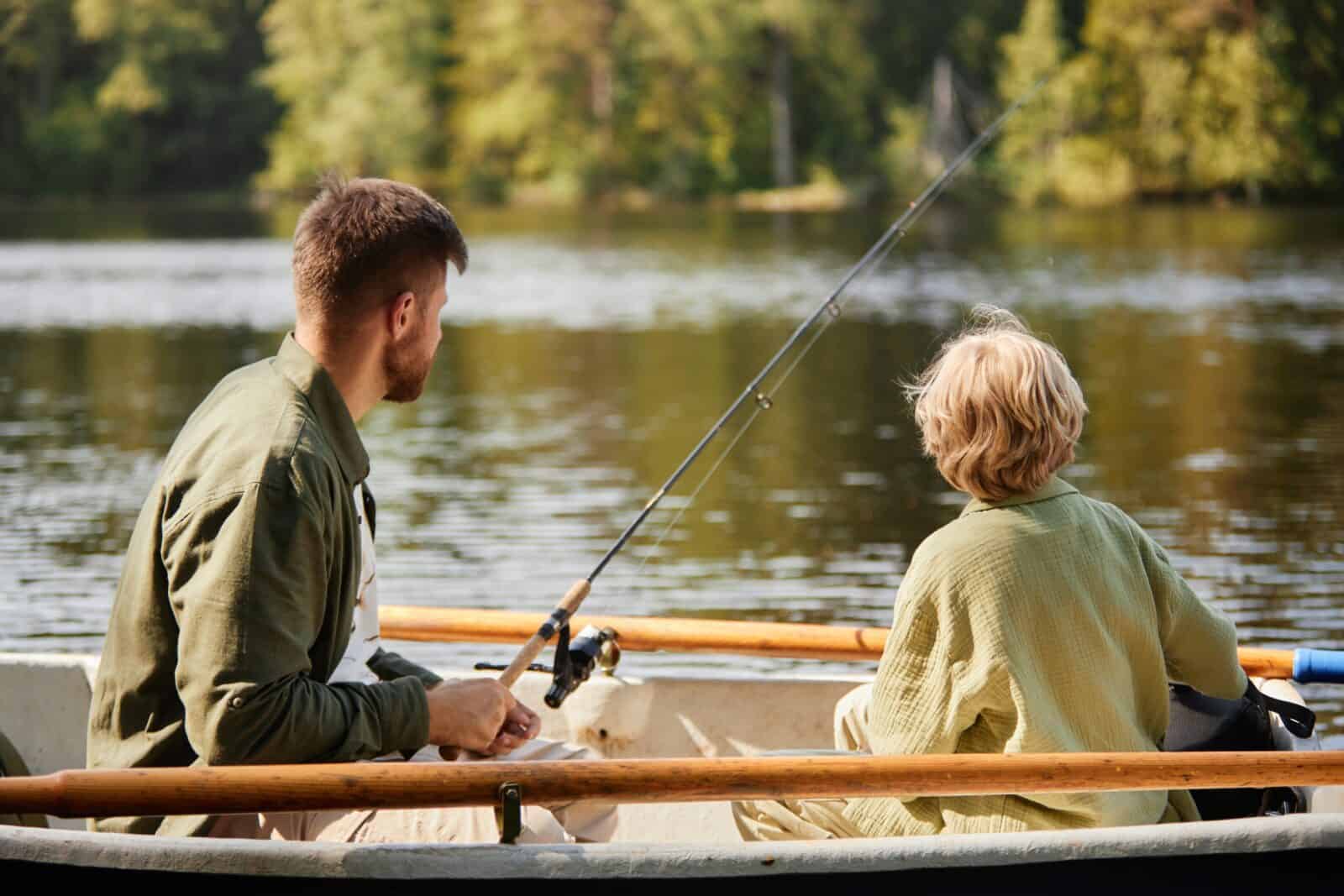
Fishing is not just a quiet Saturday hobby. It is a serious economic engine, and stocked fish help keep that engine running. The U.S. Fish and Wildlife Service says the National Fish Hatchery System distributed 223 million fish and aquatic wildlife in 2024 to support conservation, recreation, Tribal responsibilities, and local economies.
According to state reporting, the Department of Natural Resources stocked about 9.7 million fish in 2024, including trout, salmon, walleye, and muskellunge. Those fish feed a much larger web of spending: licenses, boats, bait, rods, gas, campsites, guide trips, diners, motels, and small-town shops near lakes and rivers.
That is why stocking has such political staying power. A trout slipping into cold water may look like a small thing, but in many communities it is tied to jobs, tourism, family traditions, and weekend cash registers.
To Replace Fish Blocked by Dams and Other Barriers
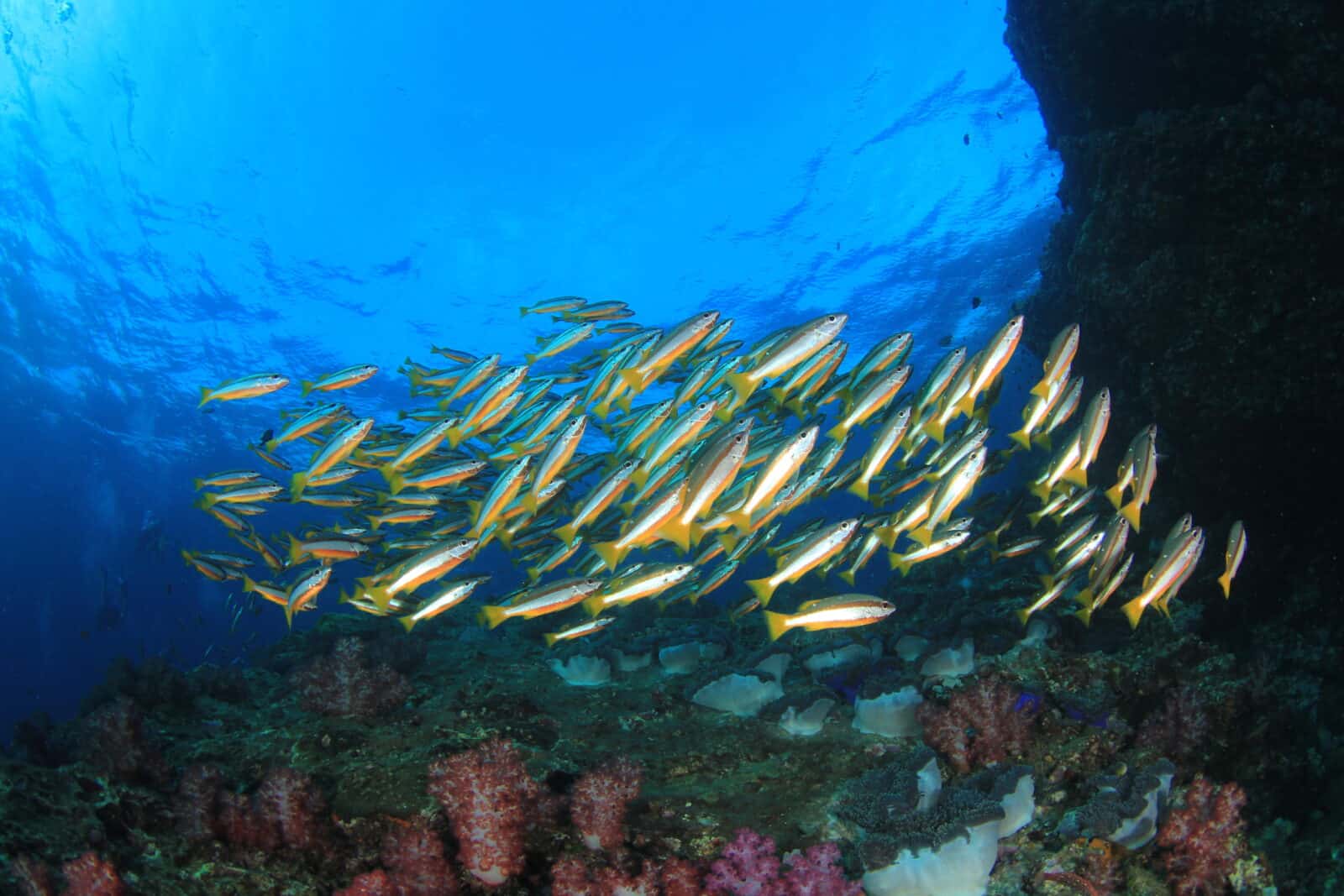
Many fish are not missing because nature failed. They are missing because people built walls through their journeys. NOAA says more than 2 million dams and other barriers across the U.S. block fish from migrating upstream to reach spawning and rearing habitat.
Salmon, steelhead, alewife, shad, sturgeon, and other migratory fish need connected rivers, but culverts, dams, road crossings, and old infrastructure can slice a watershed into pieces. NOAA puts the problem plainly: “When fish can’t reach their habitat, they can’t reproduce and maintain or grow their populations.”
Stocking becomes a stopgap in these broken systems. Hatcheries can release fish above or below barriers, helping keep a fishery alive for anglers and communities. Still, a stocked fish does not fully replace a free river. It buys time, but it does not undo the concrete.
To Rebuild Collapsed or Overfished Populations
Fish stocking is not always about giving anglers an easy catch. Sometimes it is closer to emergency care for a species in trouble.
Federal hatcheries work with states, Tribes, and conservation partners to raise fish such as lake sturgeon, pallid sturgeon, salmon, and lake trout when wild populations have been pushed down by overfishing, pollution, habitat loss, invasive species, or blocked migration.
The Fish and Wildlife Service says the hatchery system distributed 60 million fish or eggs to conservation partners in 2024, including states and Tribes, and moved another 41 million internally for future release or program support. In damaged systems, stocked fish can help rebuild a founder population or keep genetic lines from blinking out while habitat work catches up.
The catch is that stocking works best as part of a repair plan, not as a substitute for one. A hatchery can add bodies to the water, but it cannot by itself rebuild a river’s memory.
To Create Instant Fisheries Where None Existed
Some stocked waters were not broken fisheries. They were never fisheries at all. Many high-elevation lakes in the American West were historically fishless, but agencies and anglers stocked them for decades so hikers, campers, and families could catch trout in postcard-perfect places.
That created beloved recreation, but it also rewired delicate ecosystems. Angela Strecker, a freshwater ecologist at Western Washington University, warned about these mountain lake stockings, saying, “In lakes, we know that the consequences are quite dramatic.” Her concern is that trout can become top predators in places that evolved without fish, altering the insect, plankton, and amphibian communities and the entire food web.
For an angler, a trout rising in an alpine lake can feel like a small miracle. For an ecologist, it can mean that a lake has been rewritten by human hands.
To Meet Angler Expectations and License Promises
State wildlife agencies live inside a practical bargain. Anglers buy licenses, pay excise taxes on tackle and gear, support conservation funds, and expect fishable water in return. That creates pressure to deliver visible results, especially before opening days, holiday weekends, youth fishing events, and community tournaments.
Vox’s 2026 reporting followed a Connecticut stocking run where 675 trout were released into one stretch of the Mianus River in less than an hour, a tiny scene that stands in for thousands of similar releases across the country.
The logic is easy to understand: families show up, kids catch fish, license buyers feel rewarded, and local businesses benefit. The uncomfortable part is that this can make rivers feel like outdoor shelves being restocked for customers. That may build public love for fishing, but it can also blur the line between a living ecosystem and a managed recreation product.
To Support Tribal Subsistence and Cultural Practices
Not every stocked fish is meant for sport. The U.S. Fish and Wildlife Service says hatcheries help fulfill Tribal trust responsibilities and support conservation partners, including Tribes. That matters because fish are central to food, ceremony, identity, and treaty rights in many Tribal communities.
Salmon, whitefish, sturgeon, and other species are not just “resources” in that context. They carry stories, obligations, seasonal rhythms, and legal promises. When dams, pollution, development, or altered flows damage traditional runs, hatchery releases may help maintain access to fish that once returned on their own.
This does not mean stocking solves the deeper issue. Many Indigenous leaders and fisheries advocates still point to habitat, water rights, dam impacts, and river restoration as the larger fight. But in the near term, stocked fish can help keep cultural practices and subsistence from being completely severed while longer battles continue.
To Offset Habitat Damage from Development and Industry
Sometimes, the stock is the bill that comes due after a river has already been changed. Dams, construction projects, mines, water withdrawals, and channelized waterways can reduce natural reproduction or damage fish habitat, and agencies often use hatcheries as part of mitigation.
The Fish and Wildlife Service says that national hatcheries support fisheries affected by federal water projects, including those in dam-altered systems. That creates a paradox readers can feel right away. Human activity damages habitat, and public agencies or project funds then stock fish to keep the altered water looking alive.
Supporters argue that without mitigation stocking, many developed waters would offer little fishing and fewer ecological benefits. Critics worry that this can normalize damage by replacing self-sustaining populations with annual deliveries. The river still gets fish, but the question lingers: is that restoration, or is it maintenance for a wound that never healed?
To Experiment With New Species and Hybrid Fisheries
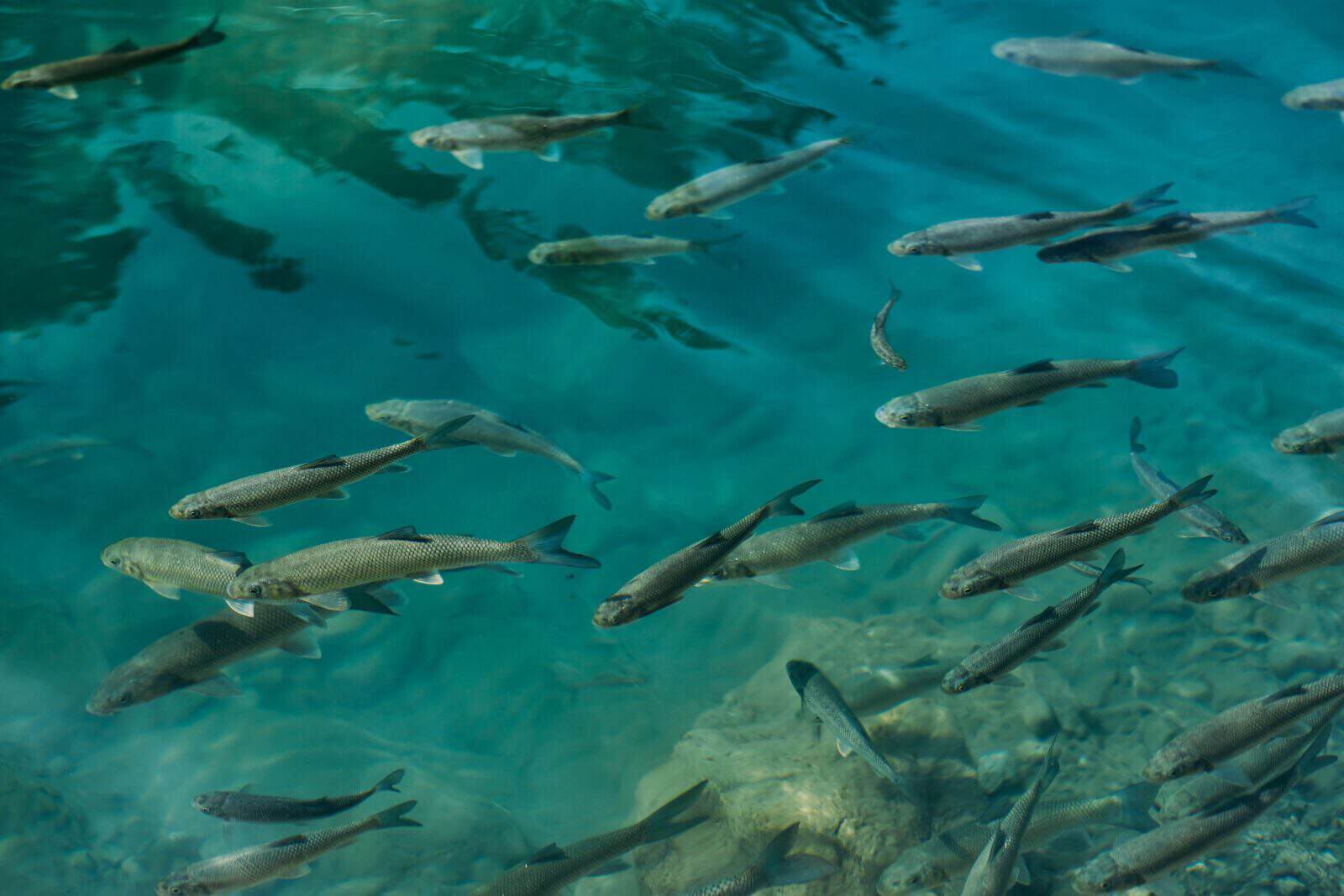
State agencies also stock fish to shape the kind of fishing people experience. A small lake might get channel catfish for family fishing, a reservoir might get hybrid striped bass for harder fights, and a pond might be managed with bluegill, bass, or trout, depending on water temperature and local goals.
Fisheries guidance and research show that stocking can work when managers understand survival rates, food webs, angler harvest, and natural reproduction. But adding fish is never just dropping entertainment into water. It can change competition, predation, genetics, and water quality. Some stocked fish are sterile or carefully chosen.
Others are nonnative species that become part of a system in ways managers did not fully predict. This is why “designer fisheries” are both appealing and risky. They can rescue a dull pond from stunted fish and bored anglers, but they can also turn management into a constant balancing act with nature keeping score.
To Boost Tourism and Rural Branding

For many towns, fish are part of the welcome sign. A stocked trout stream, walleye lake, salmon run, or family catfish pond can give a rural area a reason to appear in travel plans.
Michigan’s 2024 stocking total of about 9.7 million fish shows the scale at which one state can turn hatchery production into an outdoor opportunity, and more recent Michigan reporting said nearly 19 million fish were stocked during spring and summer 2025. Those numbers become more than biology. They become press releases, fall fishing forecasts, lodge bookings, guide-service ads, and weekend trips.
In places that have lost factories, mines, or other economic anchors, a healthy fishing identity can help sell a town as somewhere worth visiting. That is the soft power of stocking: it gives water a story people can plan around. The risk is that branding can overshadow the health of the ecosystem beneath it.
To Prop Up Fisheries Where Natural Reproduction Has Failed
Stocking makes the most sense in waters where fish cannot sustain themselves well. That might mean reservoirs with poor spawning habitat, small lakes that winterkill, ponds built for community fishing, or rivers where migration and reproduction have been disrupted.
A recreational fisheries study summarized the point bluntly: “Stocking was only economically advisable when natural reproduction was impaired or absent, stocking rates were low, and enough anglers benefitted from stocking to offset the associated costs.” That line matters because it separates useful stocking from habitual stocking.
In a broken or artificial system, hatchery fish can keep a fishery alive. In a healthy system with strong wild reproduction, overstocking can waste money, crowd fish, reduce genetic diversity, or compete with wild populations. The lesson is not that stocking is bad. The lesson is that stocking needs a reason stronger than “people asked for more fish.”
To Serve as a Political “Quick Fix,” Voters Can See

Fish stocking is wonderfully visible. A truck arrives, a hose opens, silver bodies flash into the water, and everyone can see the government doing something. That matters in politics. Habitat restoration, dam removal, culvert redesign, wetland rebuilding, and pollution reduction are slower, messier, and harder to photograph in one clean moment.
NOAA says fish passage projects have reopened nearly 9,000 miles of rivers and streams, but that kind of work takes years of partners, permits, engineering, money, and public patience. Stocking gives agencies and elected officials a faster story: fish are in the water now.
That can be genuinely helpful, especially for community ponds or damaged reservoirs. But it can also become a substitute for deeper repairs. A lake stocked every spring may look full of life, even if the stream feeding it is still blocked, warming, eroding, or polluted.
To Navigate Trade-Off Between Conservation and Catch
The hardest truth is that fish agencies are often asked to serve two masters. They are supposed to protect wild ecosystems and also provide reliable fishing. Those goals can overlap beautifully, but they can also pull in opposite directions.
Vox reported in 2026 that U.S. agencies still release nonnative fish by the millions even though these species can disrupt native ecosystems, outcompete local fish, prey on amphibians, or change food webs. At the same time, recreational fishing connects millions of people to rivers and lakes and helps fund conservation work. That tension is the heart of the stocking debate.
States are trying to conserve wild waters while running hatchery systems that keep anglers happy. The result is not simple hypocrisy. It is a messy public bargain in which the desire to catch fish today can sometimes collide with the need to keep ecosystems whole tomorrow.
Reflective Close
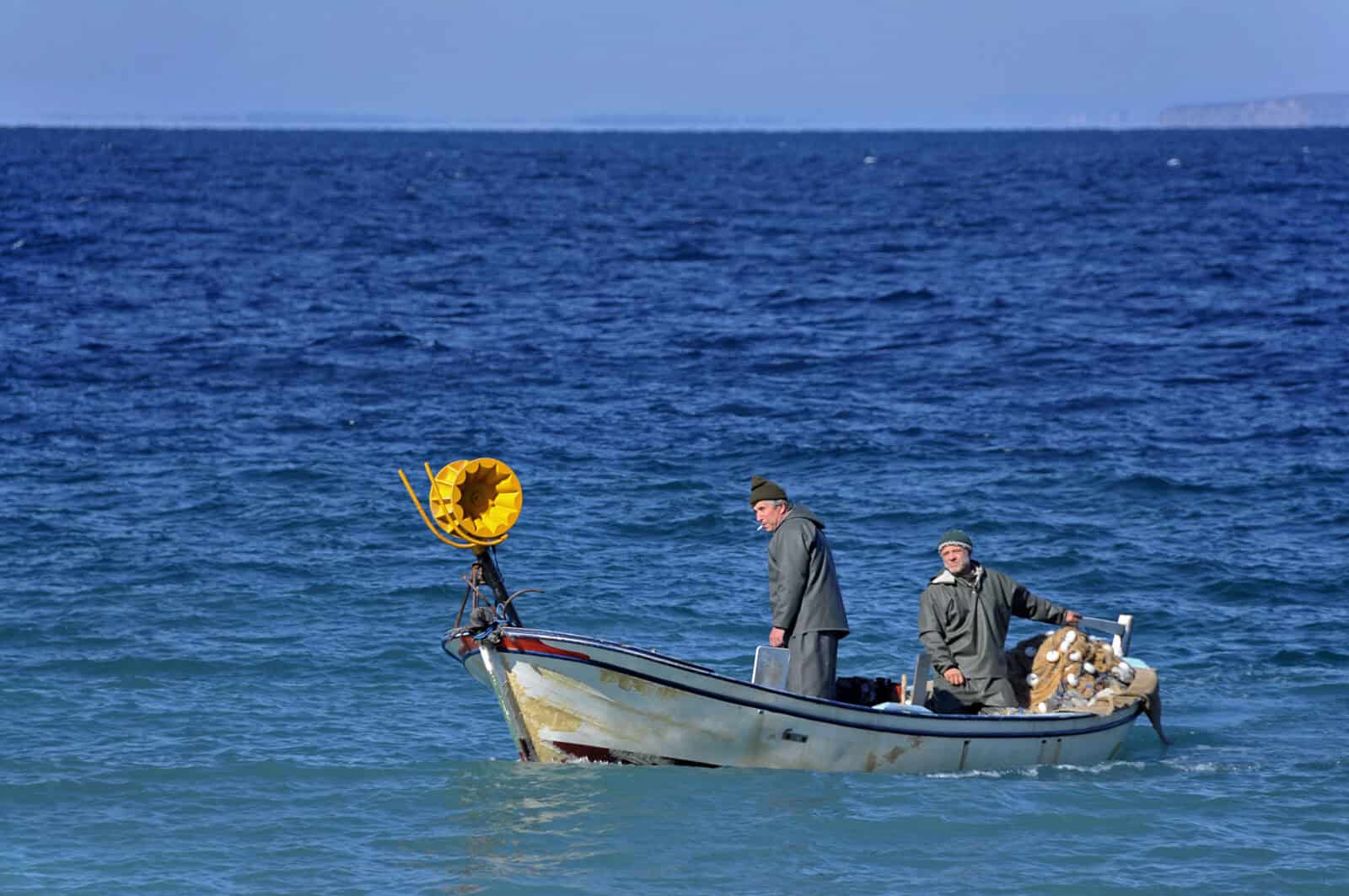
Fish stocking is not a fake nature, and it is not pure restoration either. It is something more complicated: a tool, a patch, a promise, a business plan, a cultural lifeline, and sometimes a warning sign.
In the best cases, stocked fish help recover species, sustain Tribal rights, support local economies, and give families a reason to fall in love with water. In the worst cases, they make damaged systems look healthier than they are. The fish truck is not the whole story. It is the clue that asks us to look upstream, downstream, and beneath the surface.
Key Takeaways

States release millions of fish because anglers want opportunity, communities want tourism, Tribes need culturally important species, and damaged waterways often need help. The federal hatchery system distributed 223 million fish and aquatic wildlife in fiscal year 2024, while Michigan alone stocked about 9.7 million fish in 2024 and nearly 19 million during spring and summer 2025.
NOAA says more than 2 million U.S. dams and barriers block fish migration, even after projects have reopened nearly 9,000 miles of rivers and streams. Stocking works best when it is targeted to damaged or non-reproducing systems and paired with habitat repair. Used carelessly, it can hide deeper ecological trouble under the bright flash of a freshly released fish.
Disclaimer – This list is solely the author’s opinion based on research and publicly available information. It is not intended to be professional advice.
Like our content? Be sure to follow us