I Never Thought Much About Jackals Until I Learned Why They Matter
As ecosystems shift and human landscapes expand, jackals emerge as a striking example of adaptability across continents.
World Jackal Day, observed each year on April 19, offers a chance to focus on one of the wild canids that is too often overlooked, yet plays a meaningful role in nature. Jackals live across Africa, Asia, and parts of Europe, where they adapt to everything from open grasslands to scrubby woodland and even areas near people. They are hunters, scavengers, and survivors, which makes them valuable members of the ecosystems they inhabit.
The observance was created to raise awareness about jackals, share scientific information, and challenge the old myths that have long shaped how people see them. Instead of being defined by folklore or fear, jackals deserve to be recognized for their intelligence, flexibility, and ecological importance.
What is World Jackal Day?
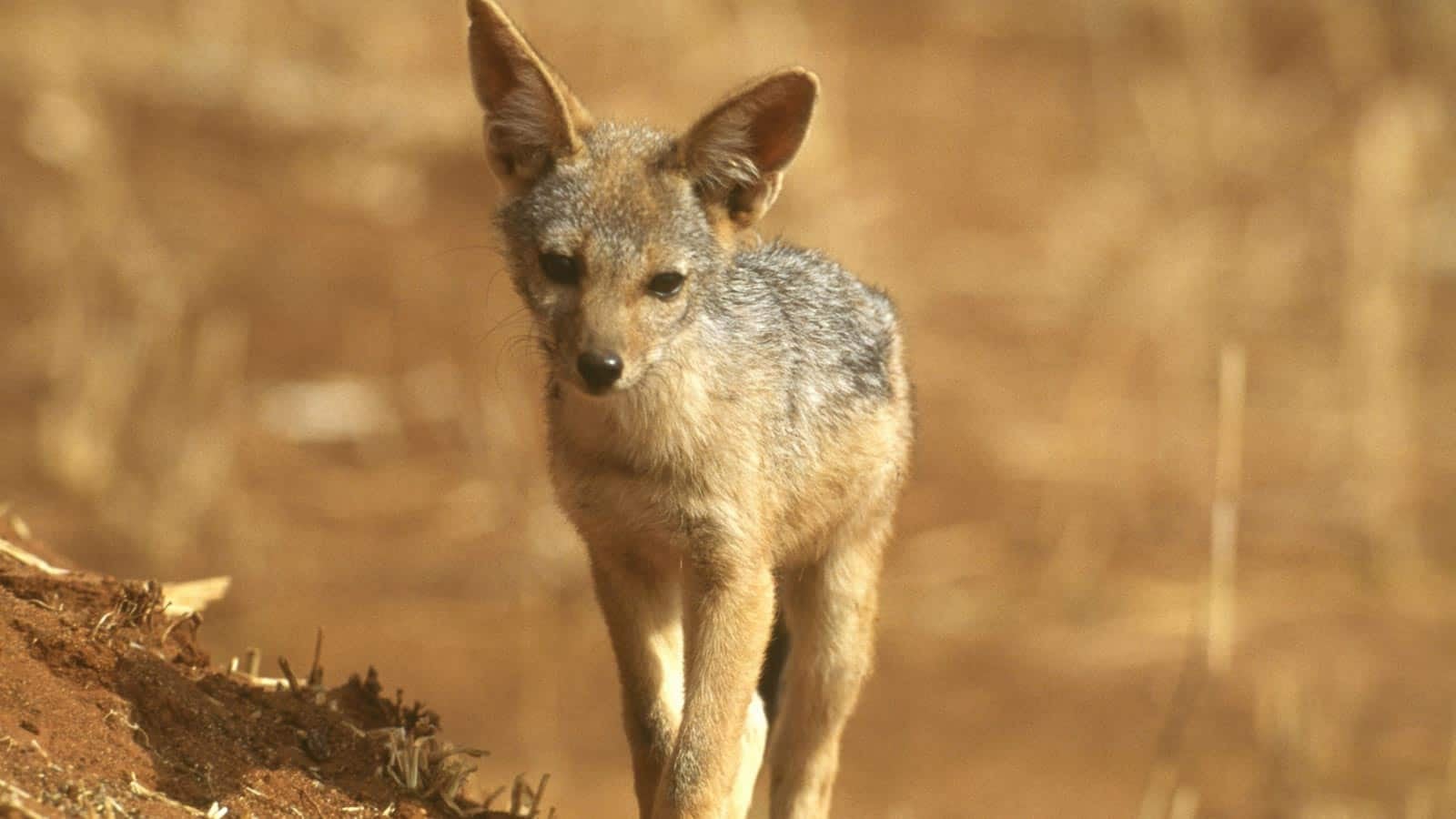
World Jackal Day is an international awareness day observed on April 19. It was first celebrated in 2023 and was created to bring attention to jackals, their behavior, and their place in the natural world. The day also highlights research on coexistence, hunting pressure, habitat use, and the challenges jackals face as their ranges change in different parts of the world.
The observance is not just about one animal. It is also about public education. Organizers have used the day to share scientific information, challenge stereotypes, and encourage a better understanding of canids that are often discussed in folklore more than in fact.
Why April 19 matters
The date was chosen because it lines up with the beginning of the birthing period for the golden jackal. That gives the day a natural connection to the species it is meant to highlight. It also makes the observance feel seasonal and biologically meaningful rather than arbitrary.
The first World Jackal Day also included special events and even a commemorative stamp, which helped set the tone for the holiday as both educational and celebratory. The goal was not just to admire jackals, but to create a platform for ongoing public conversation about them.
Meet the jackals
Jackals are medium-sized canids in the dog family, related to wolves and foxes. They have a reputation for cleverness and adaptability, and that reputation is backed up by their success in a wide range of habitats.Depending on the species, jackals live in grasslands, woodlands, savannas, deserts, scrublands, and areas near human settlements.
The most commonly recognized jackal species include the golden jackal, the black-backed jackal, and the side-striped jackal. Some sources also note regional naming differences and recent taxonomic debate, but these three are the best-known species in general wildlife coverage.
The golden jackal
The golden jackal is the species most closely tied to World Jackal Day. It is found across parts of Africa, Europe, and Asia, and its broad range reflects how adaptable it is. In Europe, births often occur in April and May, while in parts of Africa they happen earlier in the year, and in tropical Asia they can occur year-round.
Golden jackals are opportunistic feeders. They hunt small prey, eat fruit and plant matter when available, and scavenge carrion. That flexible diet helps them survive in changing environments and makes them useful ecosystem cleaners as well as predators.
The black-backed jackal
The black-backed jackal is one of the most distinctive African jackals. It lives in eastern and southern Africa and is known for its adaptability and resilience. Some sources describe it as a common species that can live even near human activity, despite conflict with livestock owners.
It is also known for its boldness and opportunism. The species has a strong reputation as a skilled hunter and scavenger, which helps explain why it remains successful in many parts of its range.
The side-striped jackal
The side-striped jackal is less famous than the black-backed jackal, but it is just as interesting. It is found in parts of central, eastern, and southern Africa and prefers more covered habitats than some of its relatives.
Because it is more secretive in many places, the side-striped jackal is not as widely recognized by the public. World Jackal Day offers a chance to broaden that perspective and remind people that jackals are more diverse than many assume.
Why jackals matter in ecosystems
Jackals are important because they fill multiple ecological roles. They hunt small animals, consume insects and fruit, and scavenge carcasses. That mix of behaviors helps control prey populations and recycle nutrients back into the environment.
In many ecosystems, animals like jackals act as a bridge between predator and scavenger. They help clean up dead matter, reduce waste, and keep food chains functioning. That makes them valuable even when they are not popular with people.
Why jackals get a bad reputation
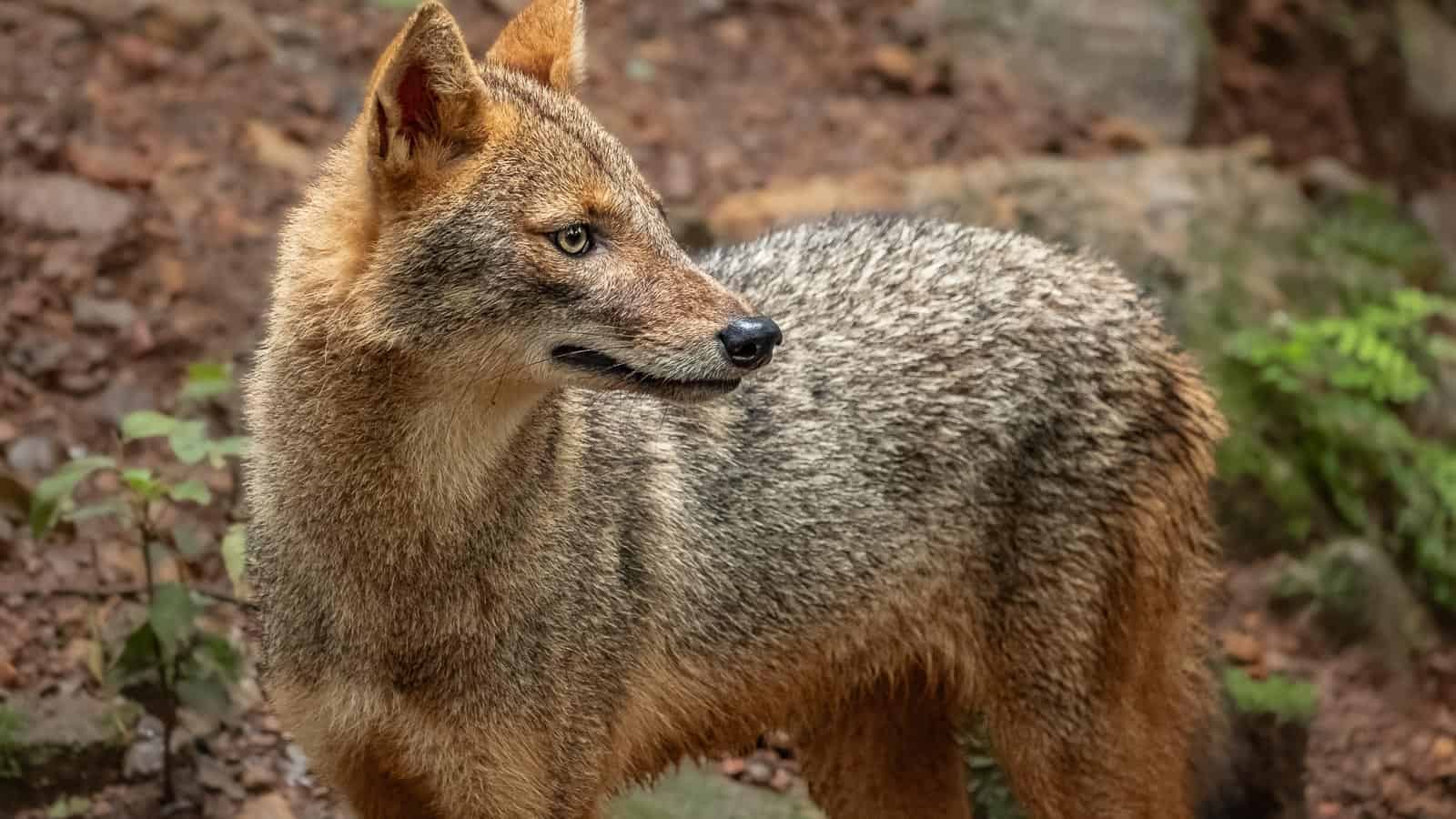
Jackals have long been portrayed as sly or cowardly in folklore, and that image has stuck in many cultures. In reality, their reputation reflects human storytelling more than biology. Jackals are simply survivors, shaped by the need to find food, avoid danger, and adapt quickly.
Some of the negative perception comes from conflict with livestock and competition near human settlements. But that does not mean jackals are villains. It means people and wildlife sometimes share space in ways that create tension.
How to celebrate World Jackal Day
The easiest way to observe World Jackal Day is to learn something new. Read about jackal species, share a fact with friends, or support wildlife education groups that promote coexistence. You can also use the day to talk about how predators and scavengers help ecosystems stay balanced.
For teachers, writers, and animal lovers, April 19 is a useful opportunity to introduce a less familiar wild canid to a wider audience. That educational value is part of what gives the observance meaning beyond social media posts and animal trivia.
Why jackals deserve more attention
Jackals are not just minor characters in the animal kingdom. They are adaptable, widespread, and ecologically important. They also remind us that some of the most overlooked animals play some of the most useful roles in nature.
World Jackal Day gives people a reason to pause and notice an animal that too often lives in the shadow of better-known predators. On April 19, jackals get their turn in the spotlight, and nature is better for it.
Disclosure: This article was developed with the assistance of AI and was subsequently reviewed, revised, and approved by our editorial team.
Like our content? Be sure to follow us on MSN and Newsbreak.
Saving Nature For The Next Generation: The Battle For A Livable Planet

When most of the world’s wildlife disappears within a single lifetime, it forces a reckoning with what we’ve normalized.
Forget the “apocalypse later” vibes, the battle for a livable planet is happening right now in our own backyards. The WWF Living Planet Report 2024 reveals a catastrophic 73% average decline in monitored vertebrate wildlife populations between 1970 and 2020. Learn more.