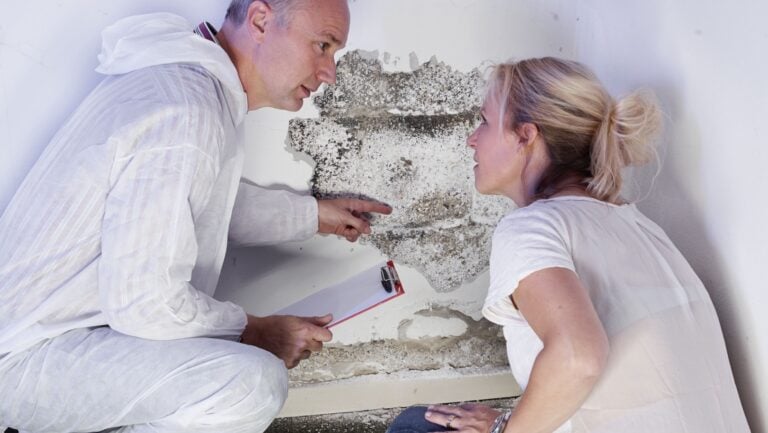
13 signs a house could raise red flags for buyers
Picture this: the listing photos sparkle, the kitchen looks fresh, and the front porch feels ready for a lifestyle magazine. Then you step inside and catch a hint of dampness in the hallway.
Your excitement suddenly grabs its purse and heads for the door. Buyers in the U.S. now inspect homes with sharper eyes because one surprise repair can wreck a carefully planned budget.
Bank of America’s 2025 Homebuyer Insights Report found that 62% of current homeowners and prospective buyers worry about severe weather’s impact on homes. Smart buyers do not just shop for pretty rooms anymore. They shop for safety, transparency, comfort, and fewer budget headaches.
Visible water damage
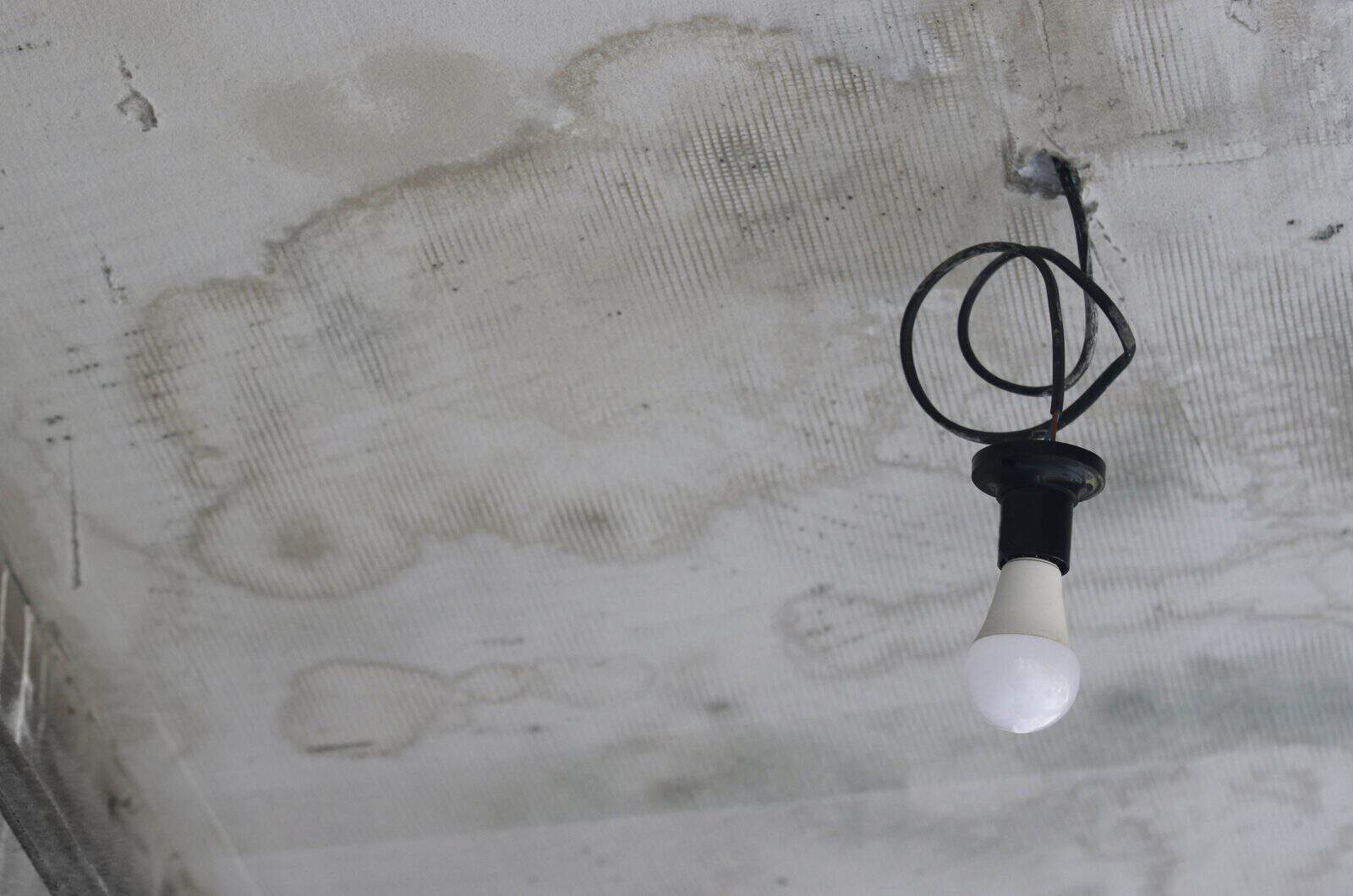
Water stains on the ceiling can make buyers pause. Warped flooring, bubbling paint, and a musty corner often hint at leaks that traveled farther than the eye can see.
The Insurance Information Institute reports that water damage and freezing affected 1.5% of insured homes during its recent five-year claims period, keeping this issue high on buyers’ worry lists. A seller may say the leak has been fixed, but buyers still wonder what lies behind the wall. Mold, rotted framing, and damaged insulation can turn one small stain into a serious negotiation point.
Cracks in the foundation
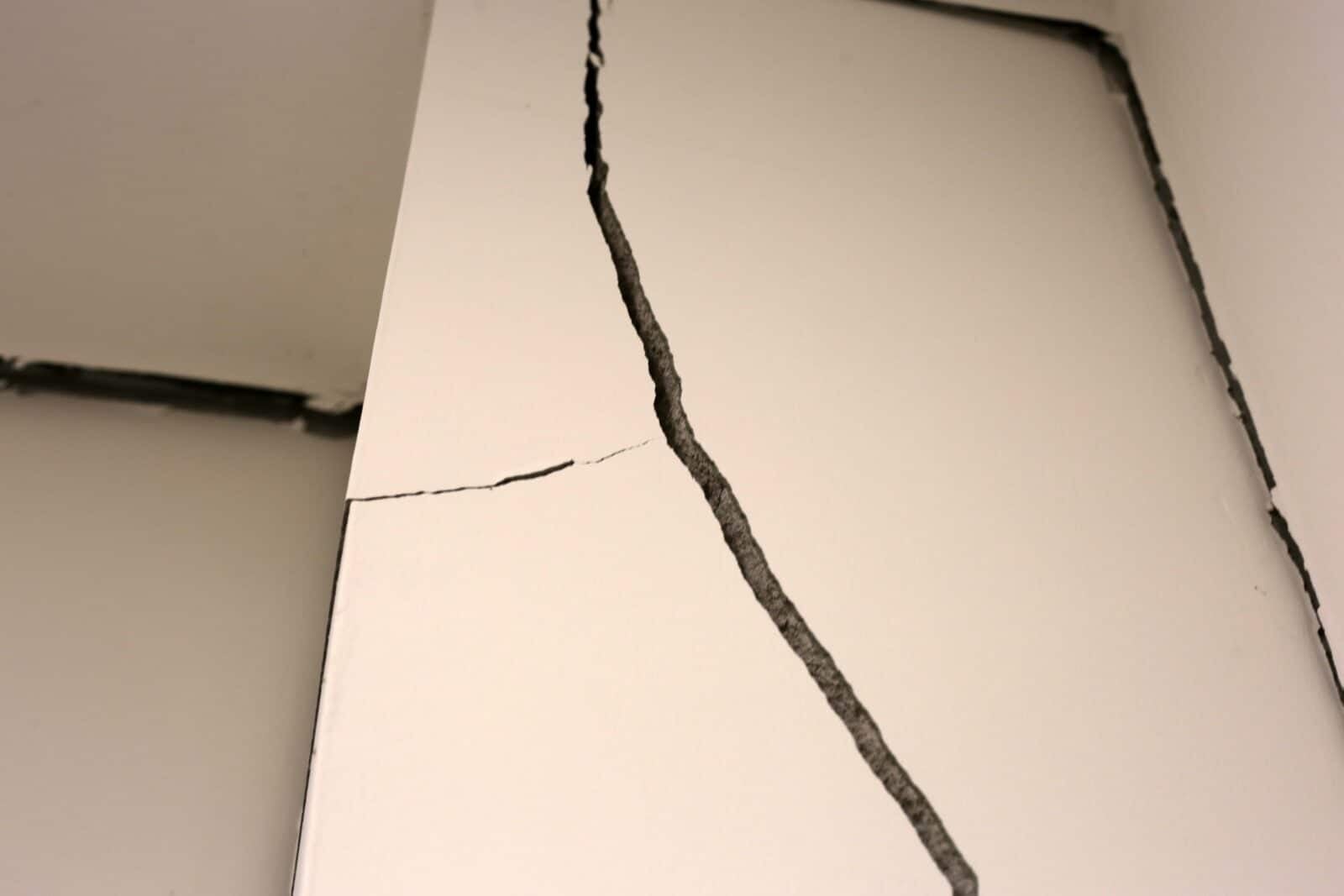
A tiny hairline crack may look harmless, but large gaps, sloping floors, and doors that will not close neatly raise bigger alarms. Buyers read those signs as warnings that the home may be shifting. A 2025 Nature Cities study found that more than 29,000 buildings in major U.S. cities are located in high- or very high-damage-risk zones associated with land subsidence.
That kind of risk makes buyers take foundation clues seriously. They often ask for an engineer’s review before they trust the sale price. A shaky base can make even a beautiful home feel risky.
The wiring looks old
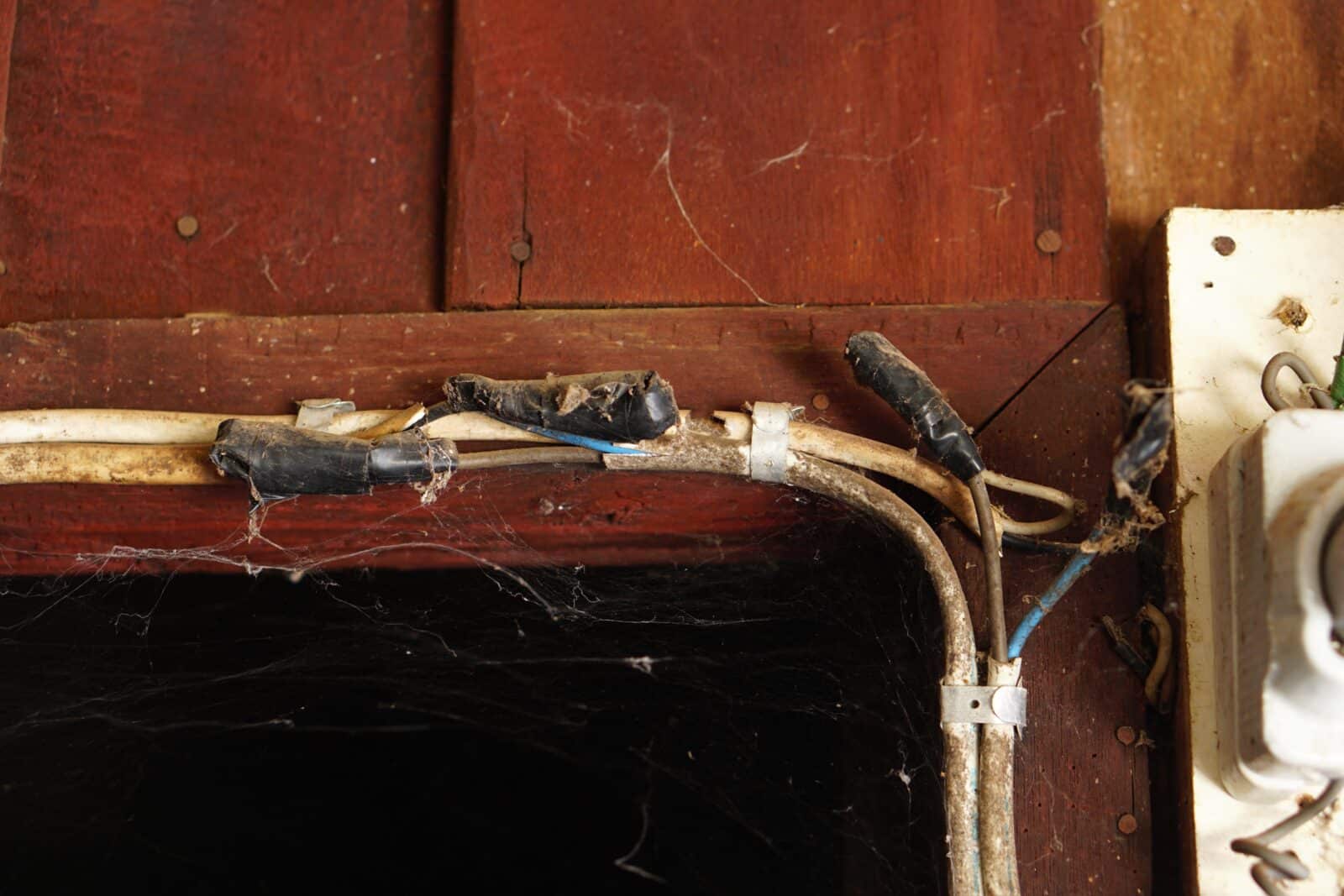
Outdated wiring can scare buyers because it combines safety concerns with the cost of upgrades. A crowded breaker box, missing grounded outlets, flickering lights, and cloth-covered wiring can all trigger concern. A charming older home can lose its glow when the wiring looks neglected.
The roof looks tired
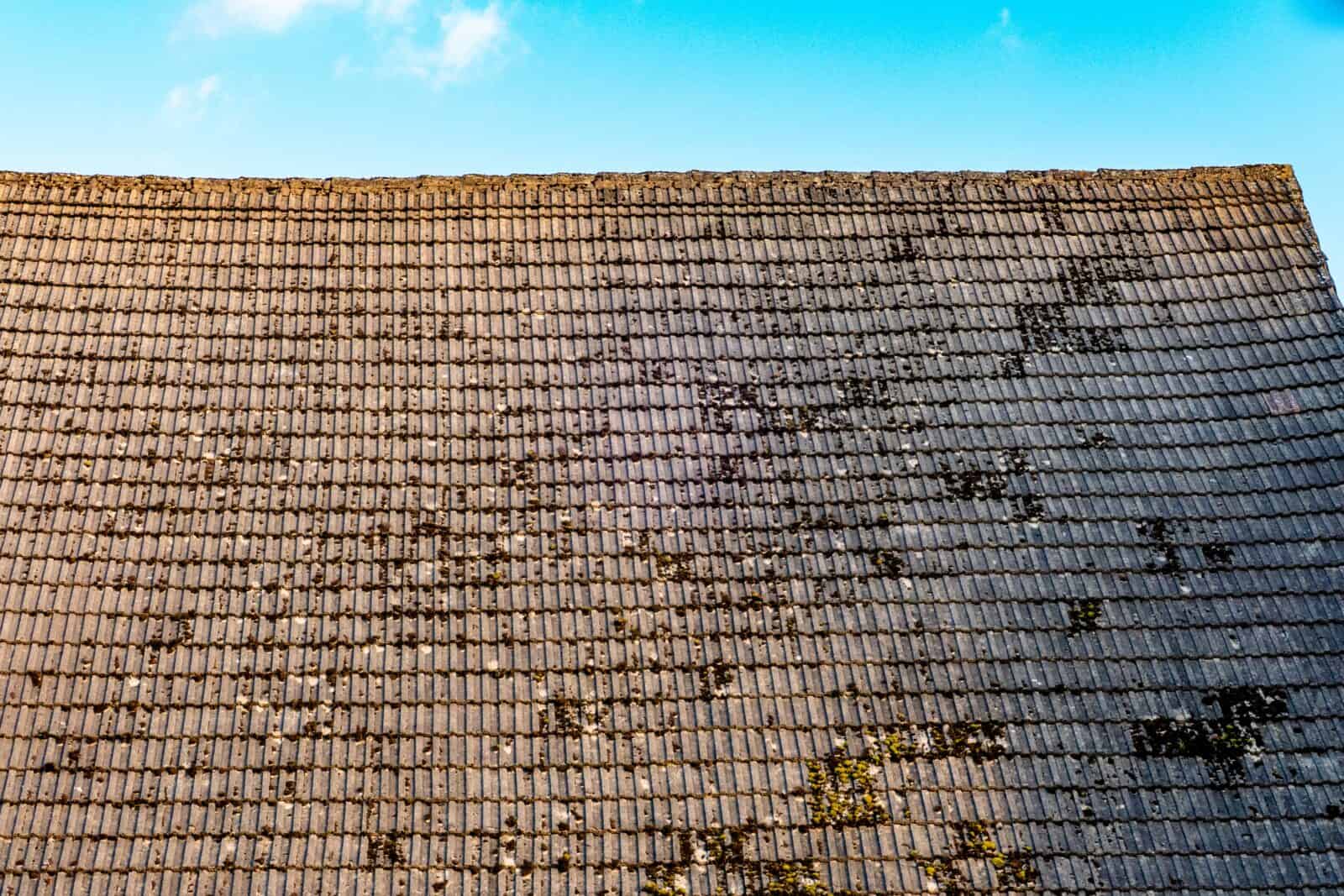
A worn roof sends a clear message to buyers: money may soon leave their account. Missing shingles, sagging edges, attic stains, and soft spots near gutters all suggest trouble overhead. The 2025 JLC Cost vs. Value Report lists an asphalt shingle roof replacement at $31,871, so buyers understand the potential cost.
A poor roof also invites water damage, pest entry, and insulation problems. Sellers who cannot provide repair history may make buyers even more nervous. The roof protects everything below it, so buyers rarely treat it as a small concern.
Pest signs appear
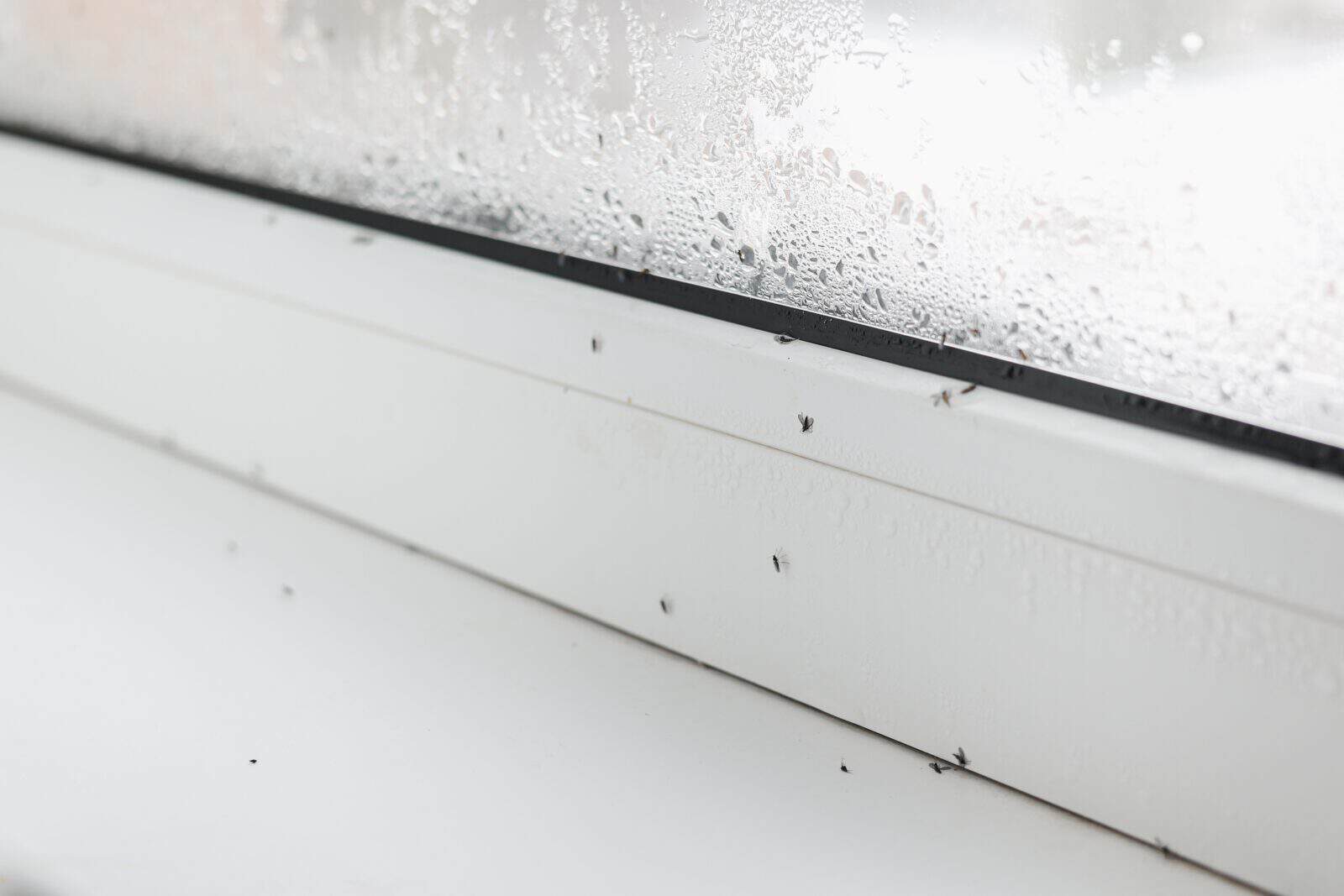
Droppings, chewed trim, wood dust, or scratching sounds can make buyers feel uneasy in seconds. Nobody wants to inherit a hidden colony with the house keys.
Buyers know pests can damage beams, floors, insulation, and wiring. They may demand a pest inspection before moving forward. A few suspicious marks in the basement can quickly sour a showing.
The yard drains poorly

A soggy yard can ruin the calm feeling buyers want from a home tour. Soil that slopes toward the house, standing water near the foundation, and wet basement corners all suggest drainage trouble. FEMA warns that just one inch of floodwater can cause roughly $25,000 in damage to a home.
That figure makes buyers take puddles seriously. Poor drainage can feed mold, cause foundation cracks, and lead to repeated cleanup costs. Even a gorgeous backyard loses charm when it looks like it collects every storm.
The plumbing feels outdated
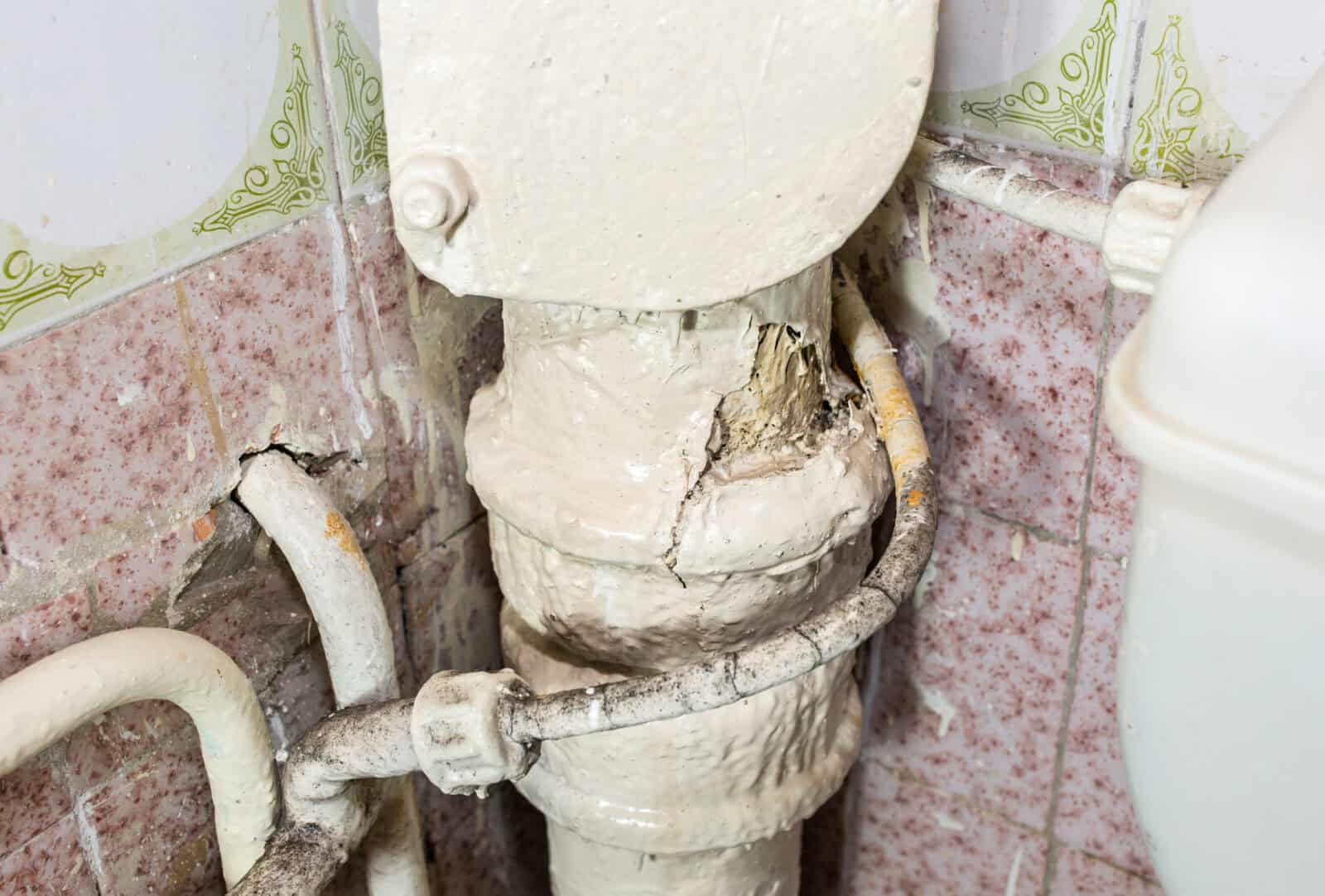
Low water pressure, rusty pipes, slow drains, and stains under sinks can make buyers question the whole plumbing system. Old pipes do not need to burst during a showing to cause concern.
Plumbing problems can also damage cabinets, walls, flooring, and ceilings. Buyers often wonder how long the system has been limping along. A clean bathroom still loses points if the pipes behind it look tired.
Odd smells linger

A strange smell can overpower fresh paint and pretty staging. Musty air may indicate moisture, a sewage smell may suggest drain trouble, and a strong fragrance may make buyers suspect someone tried to hide a problem. HomeAdvisor’s 2025 mold remediation data lists the average cost at $2,368, so buyers know odor issues can carry a real price tag. Smell also elicits an emotional reaction that facts cannot quickly erase.
Buyers may remember the odor longer than the countertops. A home needs to feel clean, not just look clean.
Renovations look rushed
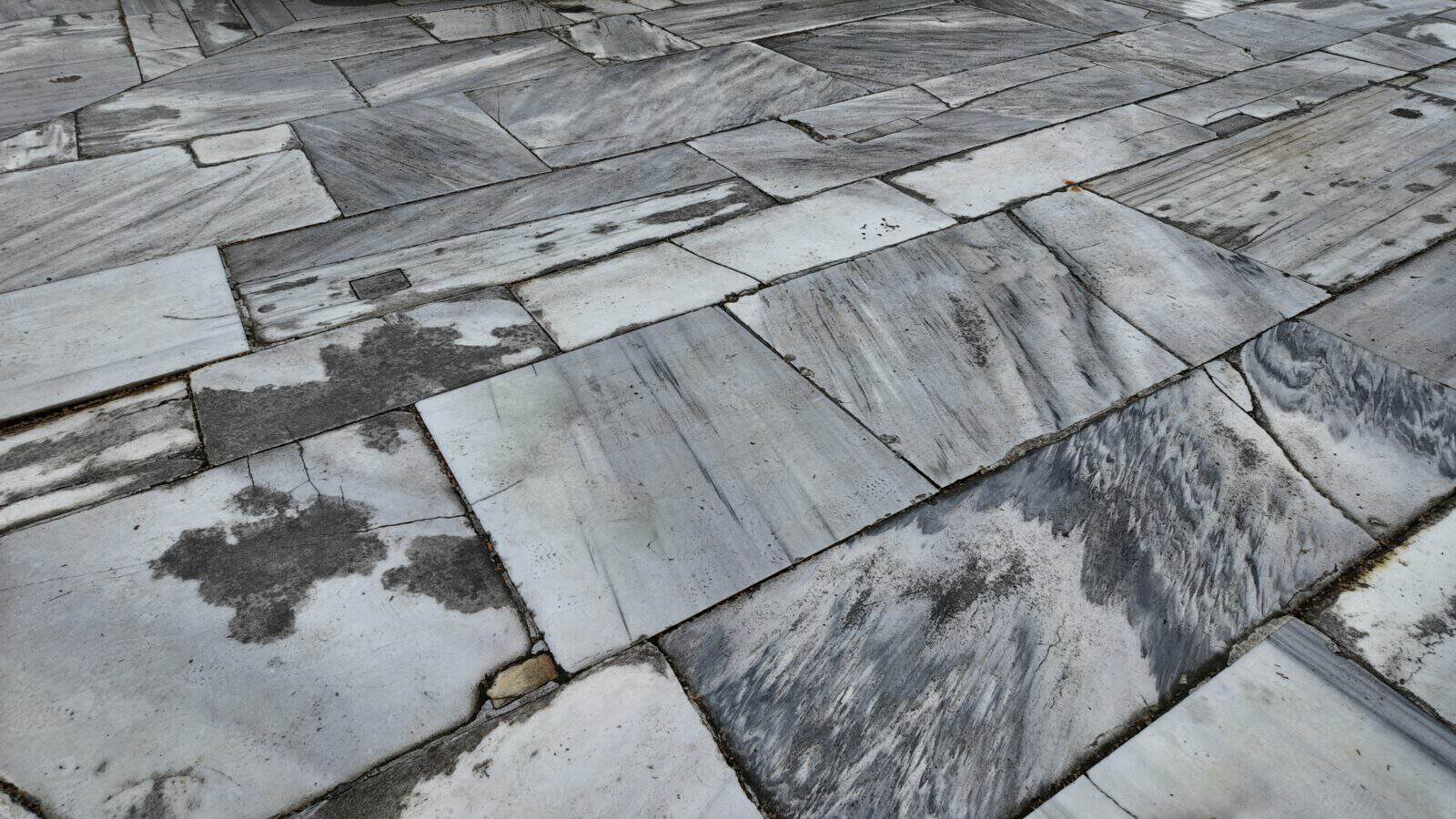
Shoddy updates make buyers wonder what happened behind the drywall. Uneven tile, crooked cabinets, mismatched flooring, and sloppy caulk can suggest rushed work. Houzz reported that median spending for major remodels of small kitchens rose to $35,000 in its 2025 renovation trends coverage, so buyers know proper work costs real money.
Cheap-looking upgrades can make them suspect that shortcuts were taken. They may worry about plumbing, wiring, and framing hidden beneath the fresh finish. A stylish remodel only helps the sale when the craftsmanship looks trustworthy.
The block feels uneasy
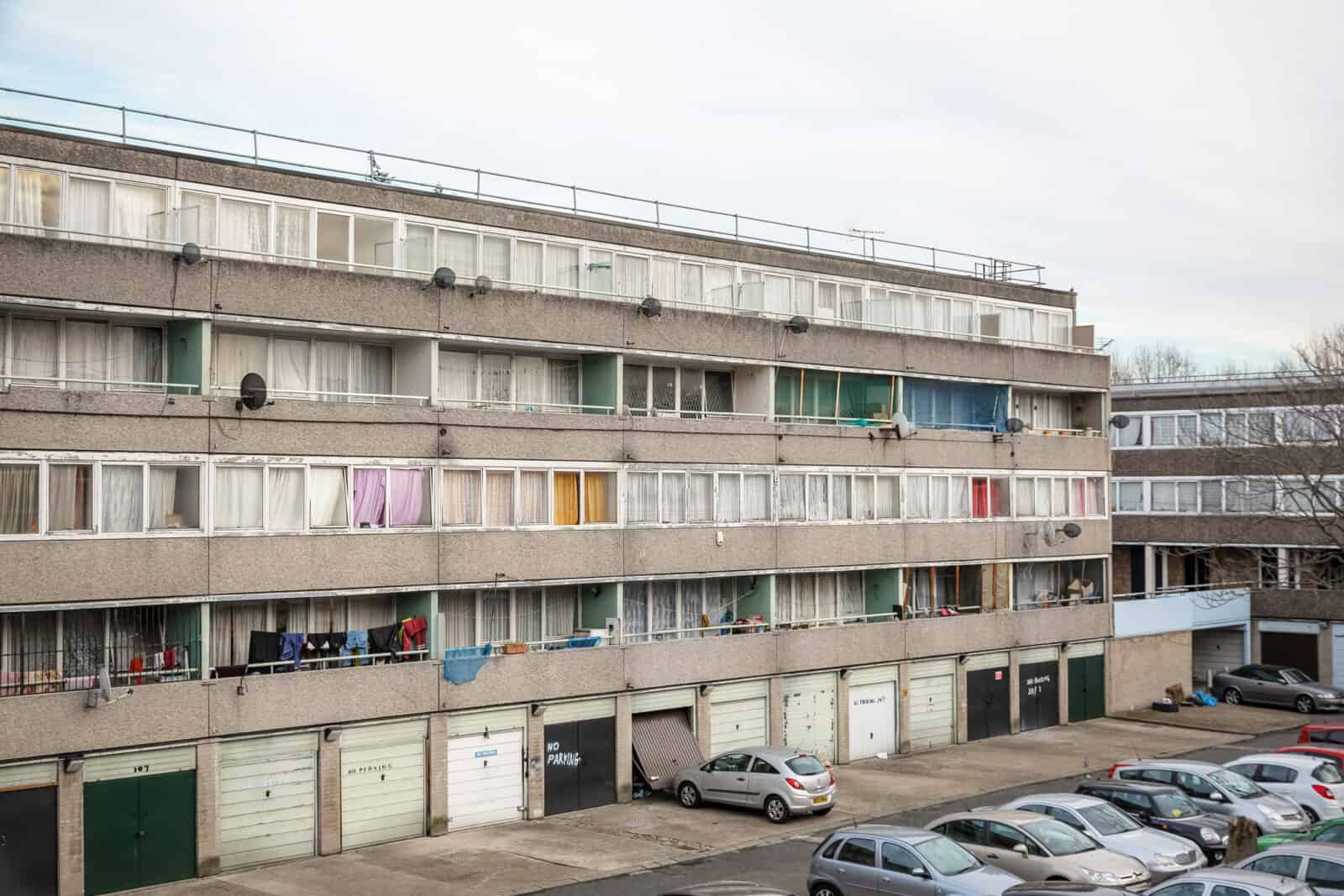
Buyers inspect more than the walls. They notice dark streets, neglected neighboring homes, loud traffic, vacant lots, and poor upkeep in the area.
A lovely house can feel less appealing if the block feels stressful. Buyers want comfort when they pull into the driveway, not a fresh reason to keep searching.
Additions lack permits

A finished basement, an extra bedroom, an enclosed porch, or a garage conversion can look like a bonus until the paperwork goes missing. Buyers worry that unpermitted work may create code, insurance, and financing problems. A beautiful addition loses power when it comes with legal uncertainty.
The home wastes energy
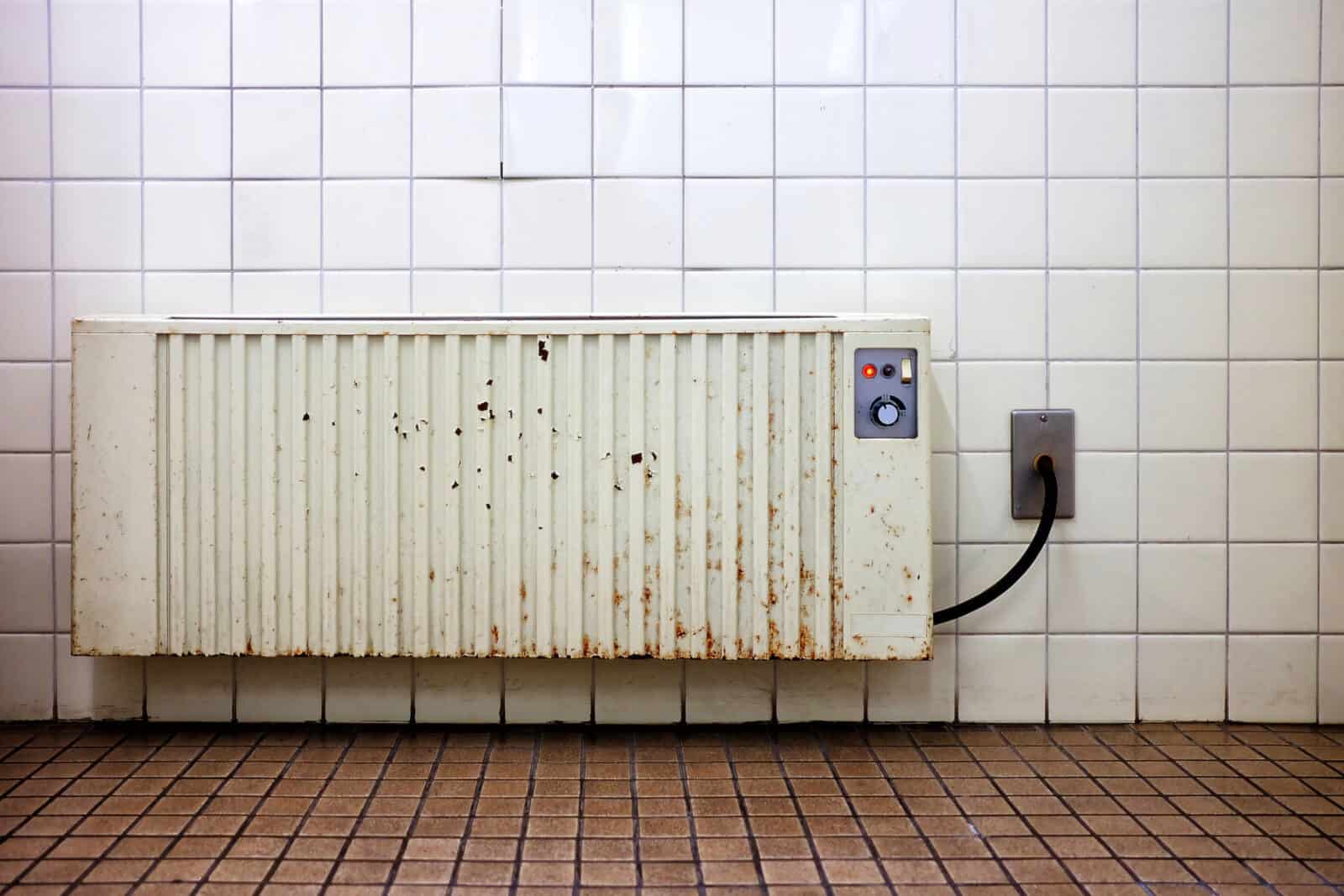
Drafty windows, poor insulation, and an aging HVAC system can lead buyers to picture uncomfortable rooms and high monthly bills. Energy efficiency now matters because ownership costs already feel heavy. A home with old systems can feel behind the curve. Buyers may ask for credits or discounts if comfort looks expensive.
The seller avoids questions

A seller who dodges repair history, rushes showings, or refuses to share reports can make buyers suspicious. People want clarity before they take on a mortgage and a moving truck.
Zillow’s 2025 buyer report found that 65% of buyers made their final offer contingent on the property passing a home inspection. That shows how much buyers value proof before closing. Missing answers can feel like a lack of trust. Even small defects can look bigger when the seller acts cagey. A transparent seller usually keeps buyers calmer.
Key takeaway

A house does not need to look disastrous to raise concerns. Buyers notice stains, cracks, smells, pests, poor drainage, weak systems, and vague answers because each can indicate hidden costs.
The strongest homes give buyers confidence through clean maintenance records, solid repairs, safe systems, and honest disclosures. If a property raises several of these red flags at once, buyers should slow down and request the appropriate inspections. A pretty home feels even better when the details support the dream.
Disclaimer – This list is solely the author’s opinion based on research and publicly available information. It is not intended to be professional advice.
Like our content? Be sure to follow us.