12 things people often get wrong about Catholicism
Catholicism remains one of the largest and most historically influential branches of Christianity, yet it is also one of the most misunderstood. According to the Pew Research Center, roughly 20% of American adults identify as Catholic, while hundreds of millions more practice the faith globally across Latin America, Europe, Africa, and parts of Asia.
Despite its enormous global presence, misconceptions about Catholic beliefs, traditions, and practices continue circulating widely through pop culture, social media debates, and secondhand assumptions.
Many non-Catholics, and even some lifelong Catholics, misunderstand key aspects of doctrine, worship, and church history. Religious scholars say confusion often happens because Catholicism blends scripture, ritual, theology, philosophy, and centuries of tradition into a faith system that can appear highly complex from the outside.
Media headlines also tend to focus heavily on controversy while overlooking the everyday Catholic life quietly practiced by millions of families worldwide. Honest understanding requires separating assumptions from actual teaching.
These are some of the most common misunderstandings about Catholicism.
Catholics Do Not Worship Mary
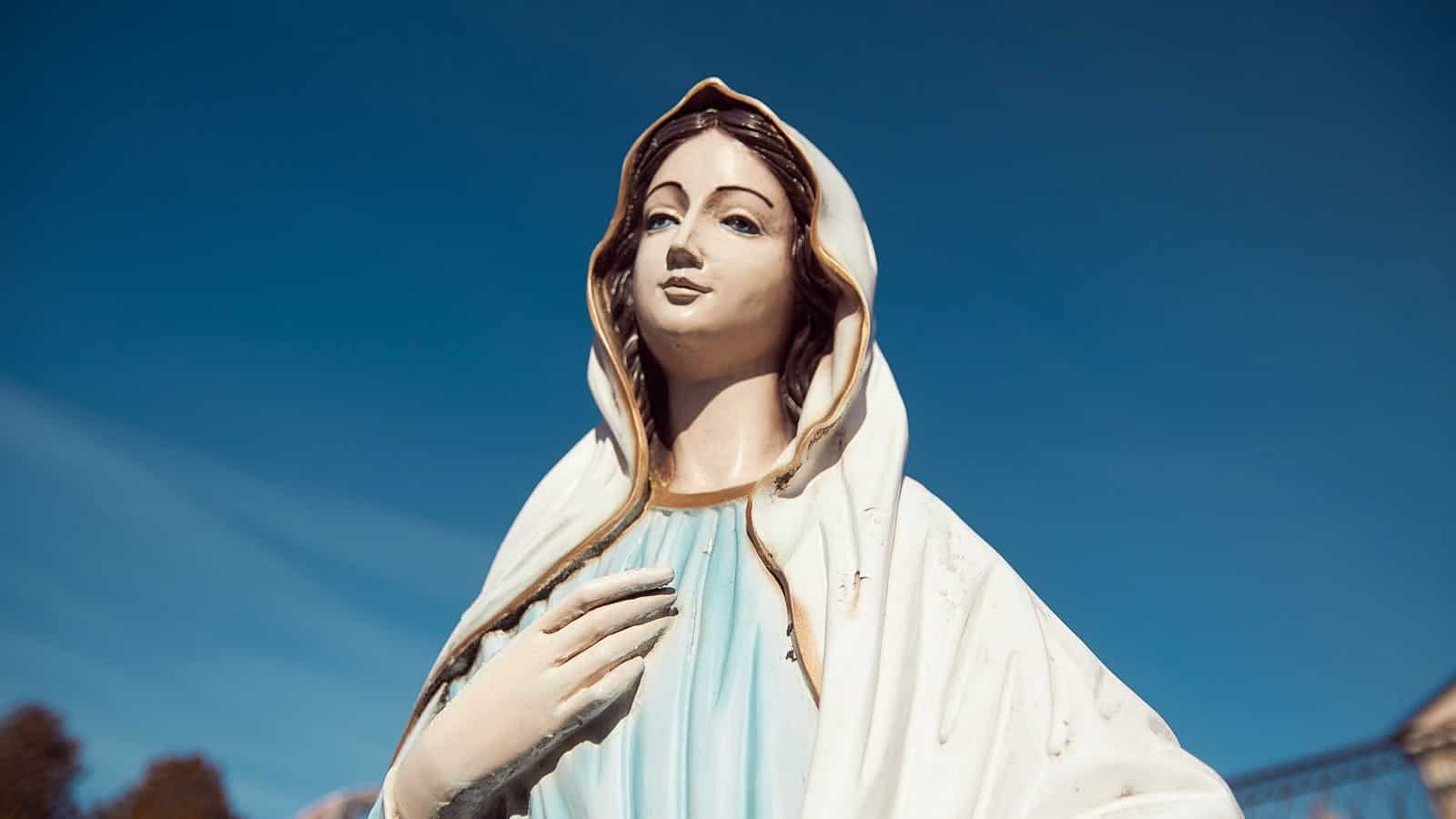
One of the most persistent misconceptions about Catholicism is the belief that Catholics worship the Virgin Mary alongside God. Catholic teaching clearly distinguishes worship, which belongs to God alone, from veneration, which honors individuals considered spiritually exemplary.
Catholics view Mary as the mother of Jesus and an important figure of faith, but official doctrine does not place her on equal footing with God. Prayer involving Mary is also frequently misunderstood.
Catholics asking Mary to “pray for them” view it similarly to asking another believer for prayer support. Practical examples include Marian prayers, feast days, and devotional practices centered on respect rather than divine worship.
Confusion often arises because statues, artwork, and ceremonial traditions can appear unfamiliar to outsiders unfamiliar with Catholic theology.
Catholics Are Encouraged to Read the Bible

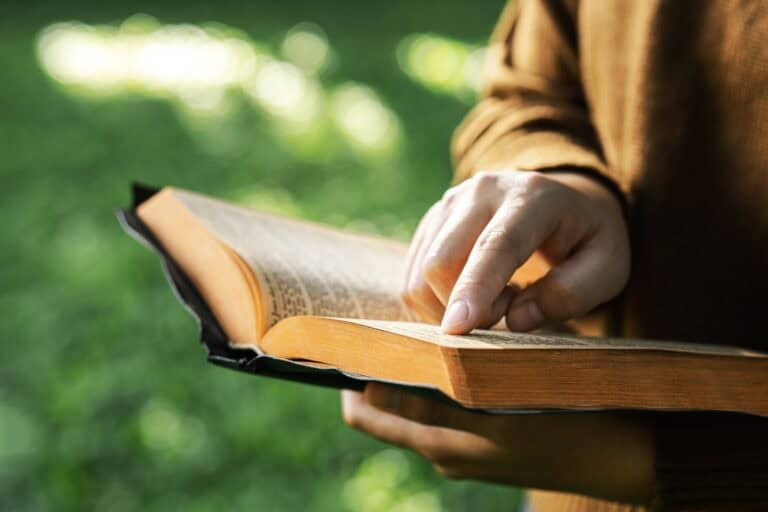
A surprisingly common myth claims Catholics rarely read scripture or rely entirely on priests for biblical understanding. In reality, scripture remains central to Catholic worship and theology.
Every Catholic Mass includes multiple scripture readings drawn systematically from the Bible. According to the United States Conference of Catholic Bishops, Catholics are actively encouraged to study scripture personally alongside church teaching and historical interpretation.
Modern Catholic communities also host Bible studies, theological education programs, and scripture-focused ministries worldwide. The misconception partly stems from historical periods when global literacy rates were lower, and church services were conducted in Latin.
Today, Catholic Bibles, devotional apps, podcasts, and scripture studies are widely accessible to ordinary believers.
The Pope Is Not Considered Perfect
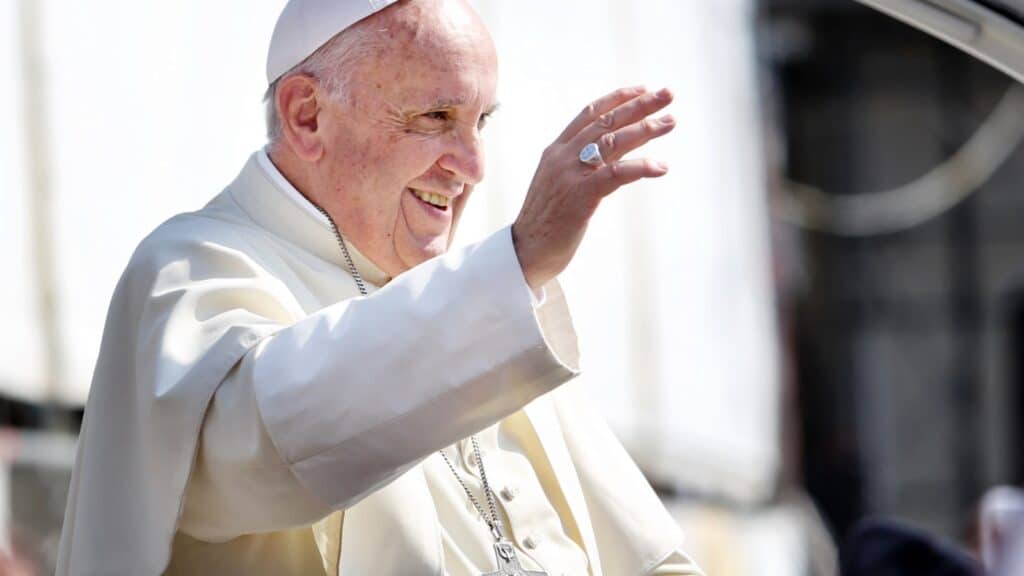
Many people mistakenly believe Catholics think the pope can never make mistakes. Catholic teaching is actually far narrower and more specific. The doctrine of papal infallibility applies only under rare conditions involving official teachings on faith and morals delivered in a highly formal context.
It does not mean every statement, opinion, interview, or decision by a pope is automatically flawless. Catholics fully acknowledge that popes remain human beings capable of personal mistakes, political errors, and moral failures.
Public misunderstanding often comes from confusing spiritual authority with personal perfection. Modern Catholics themselves openly debate papal leadership styles, policies, and public statements without automatically abandoning their faith.
Catholicism Is More Culturally Diverse Than Many People Realize

American conversations about Catholicism often center heavily on European imagery, but Catholicism today is deeply multicultural. According to Vatican demographic reports, Catholic populations are growing rapidly across Africa, Latin America, and parts of Asia.
Catholic worship styles, music traditions, languages, and cultural expressions vary dramatically worldwide. A Mass in Nairobi may feel entirely different culturally from one in Rome or Mexico City, yet remain recognizably Catholic.
Many outsiders mistakenly imagine Catholicism as culturally rigid when the global church actually contains extensive variation in music, traditions, festivals, and community practices shaped by local culture.
Confession Is About Accountability, Not Public Shame

The Catholic sacrament of confession often gets caricatured as a guilt-driven ritual, but many Catholics view it as a structured process of accountability, reflection, and spiritual healing.
Psychological research on confession and emotional disclosure consistently shows that verbal acknowledgment of mistakes can reduce stress and increase self-awareness when approached in healthy ways.
Priests are also bound by the “seal of confession,” meaning they cannot reveal what is discussed during the sacrament under any circumstances.
Critics sometimes view confession as outdated or emotionally harsh, while many practicing Catholics describe it as emotionally freeing because it creates intentional space for reflection, forgiveness, and personal growth.
Catholicism Has a Long Intellectual Tradition

Another misconception portrays Catholicism as anti-intellectual or hostile toward questioning. In reality, Catholicism developed one of history’s largest intellectual traditions involving philosophy, science, theology, ethics, literature, and education.
The Catholic Church founded many of the world’s oldest universities and historically supported scholarship across multiple fields. Catholic thinkers such as Thomas Aquinas remain highly influential in philosophy and ethics centuries later.
Modern Catholic intellectual life still includes debates surrounding bioethics, artificial intelligence, economics, environmental stewardship, and social justice. Many Catholics see faith and reason as complementary rather than inherently opposed.
Catholics Do Not Believe Good Works “Earn” Salvation

Non-Catholics sometimes assume Catholics believe salvation works like a point system based entirely on good deeds. Catholic teaching is more nuanced. Official doctrine teaches that salvation begins with God’s grace, while good works reflect lived faith and spiritual transformation rather than serving as spiritual currency purchased by behavior.
Practical examples include charity, service, forgiveness, and community involvement, understood as expressions of spiritual commitment. Misunderstanding often arises because Catholicism emphasizes moral action alongside belief.
Many Catholics argue that genuine faith naturally produces compassionate behavior rather than remaining purely intellectual.
Rituals Carry Deep Symbolic Meaning

Catholic rituals can appear highly formal or mysterious to outsiders unfamiliar with liturgical worship. Candles, incense, kneeling, vestments, holy water, and ceremonial prayers often confuse people raised in less ritual-centered Christian traditions.
Yet most rituals carry symbolic meaning developed over centuries of theological reflection and historical continuity. Catholics often view ritual as a way of engaging mind, body, memory, and community simultaneously during worship.
Practical examples include lighting candles to symbolize prayer or kneeling as a gesture of reverence. Outsiders sometimes mistake ritual for empty repetition, but practicing Catholics often experience it as emotionally grounding and spiritually meaningful.
Catholic Social Teaching Extends Beyond One Political Party

Many Americans try to place Catholicism neatly inside modern political categories, but Catholic social teaching often overlaps with positions associated with multiple political ideologies simultaneously.
Catholic doctrine strongly emphasizes issues such as care for the poor, human dignity, immigration support, workers’ rights, family stability, and protection of unborn life. Catholics themselves remain politically diverse globally and within the United States.
Public debates often reduce Catholicism to a handful of controversial topics while ignoring the church’s broader teachings on poverty, economic justice, healthcare, and humanitarian responsibility.
Catholicism Places Strong Emphasis on Community

Many outsiders focus heavily on doctrine while overlooking how community-centered Catholic life often becomes. Catholic churches frequently serve as social, cultural, educational, and charitable hubs for families across generations.
According to Catholic Charities USA, Catholic organizations collectively provide substantial food assistance, disaster relief, refugee services, and healthcare support annually. Sociologists studying religion consistently find that communal belonging strongly shapes religious retention and emotional support systems.
Catholic communities often organize around festivals, volunteer programs, schools, youth groups, and neighborhood outreach. Practical examples include parish meal programs, support groups, cultural celebrations, and charitable ministries.
Catholic identity frequently involves relational and communal dimensions extending beyond theology alone.
Catholic Teaching Has Developed Over Time
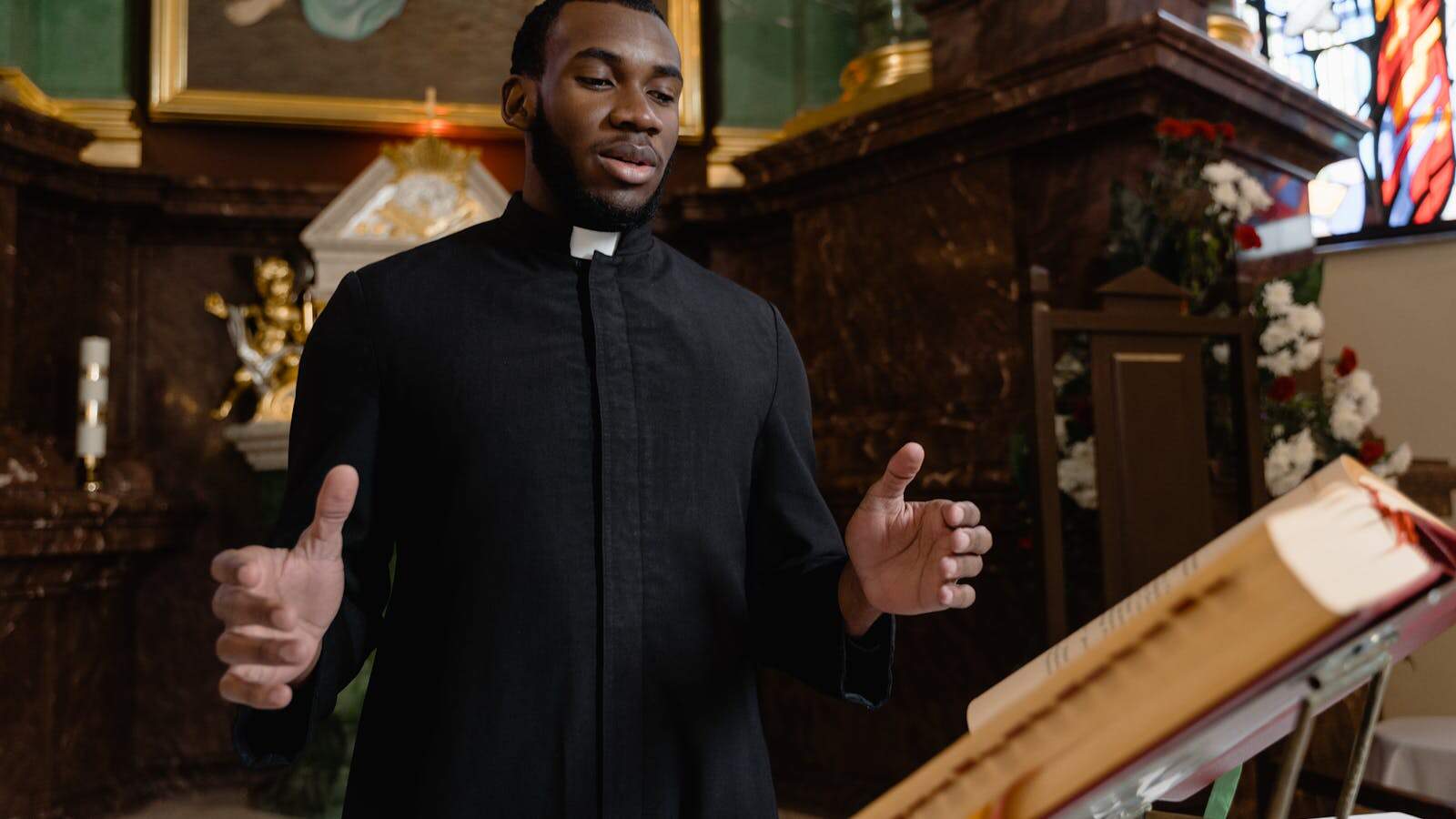
Some critics assume Catholic doctrine emerged fully formed without historical development. In reality, church teachings evolved gradually through centuries of theological debate, councils, cultural shifts, and scholarly interpretation.
Catholicism maintains continuity with ancient Christian roots while also adapting pastoral approaches and theological understanding over time. Practical examples include changes surrounding liturgical language, scientific understanding, social teachings, and interfaith dialogue.
Many outsiders mistakenly interpret development as a contradiction, whereas Catholic theology often frames it as a deeper clarification across generations.
Most Catholics Are Ordinary People Quietly Practicing Their Faith

Media coverage often focuses heavily on scandal, politics, or controversy surrounding Catholicism, which can distort public perception. Most Catholics worldwide lead ordinary lives centered on family, work, worship, service, and personal spirituality rather than on constant theological conflict.
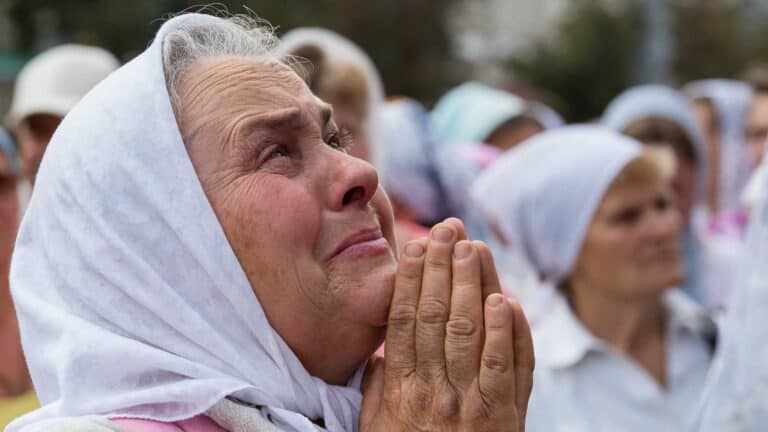
Research from the Pew Research Center shows Catholics engage with faith across a broad spectrum of intensity, culture, and practice. Practical examples include grandparents praying quietly, volunteers serving food banks, parents raising children in faith traditions, or parish communities supporting struggling families.
Public misunderstandings often grow when Catholicism is viewed solely through the lens of institutional controversy rather than everyday lived experience.
Key Takeaways

- Many misconceptions about Catholicism come from stereotypes rather than official church teaching.
- Catholics honor Mary but worship God alone according to Catholic doctrine.
- Catholicism includes a major intellectual tradition involving philosophy, science, theology, and education.
- The global Catholic Church is culturally diverse and politically complex rather than ideologically uniform.
- Ritual, confession, scripture, and community life carry deeper meaning than many outsiders initially realize.
Disclaimer: This list is solely the author’s opinion based on research and publicly available information. It is not intended to be professional advice.
Like our content? Be sure to follow us