The unspoken pews: 11 things other women notice about you during church service
Church may feed the soul, but let’s not pretend the pews don’t come with a tiny side dish of social awareness. Women notice things during service, not always in a judgmental way, but in that quick, human, Sunday morning scan we all do before pretending we are deeply focused on the bulletin.
Pew Research reports that 33% of U.S. adults attend religious services in person at least monthly, and 40% participate, either in person or online, at least monthly, so churches still bring millions of people together in shared spaces where appearance, behavior, warmth, and presence quietly matter.
Honestly, the point here isn’t to make anyone paranoid in the sanctuary. It’s to name the little things other women often notice so you can show up with confidence, kindness, and maybe fewer purse snacks that sound like a full drumline during prayer.
Your outfit speaks before you do
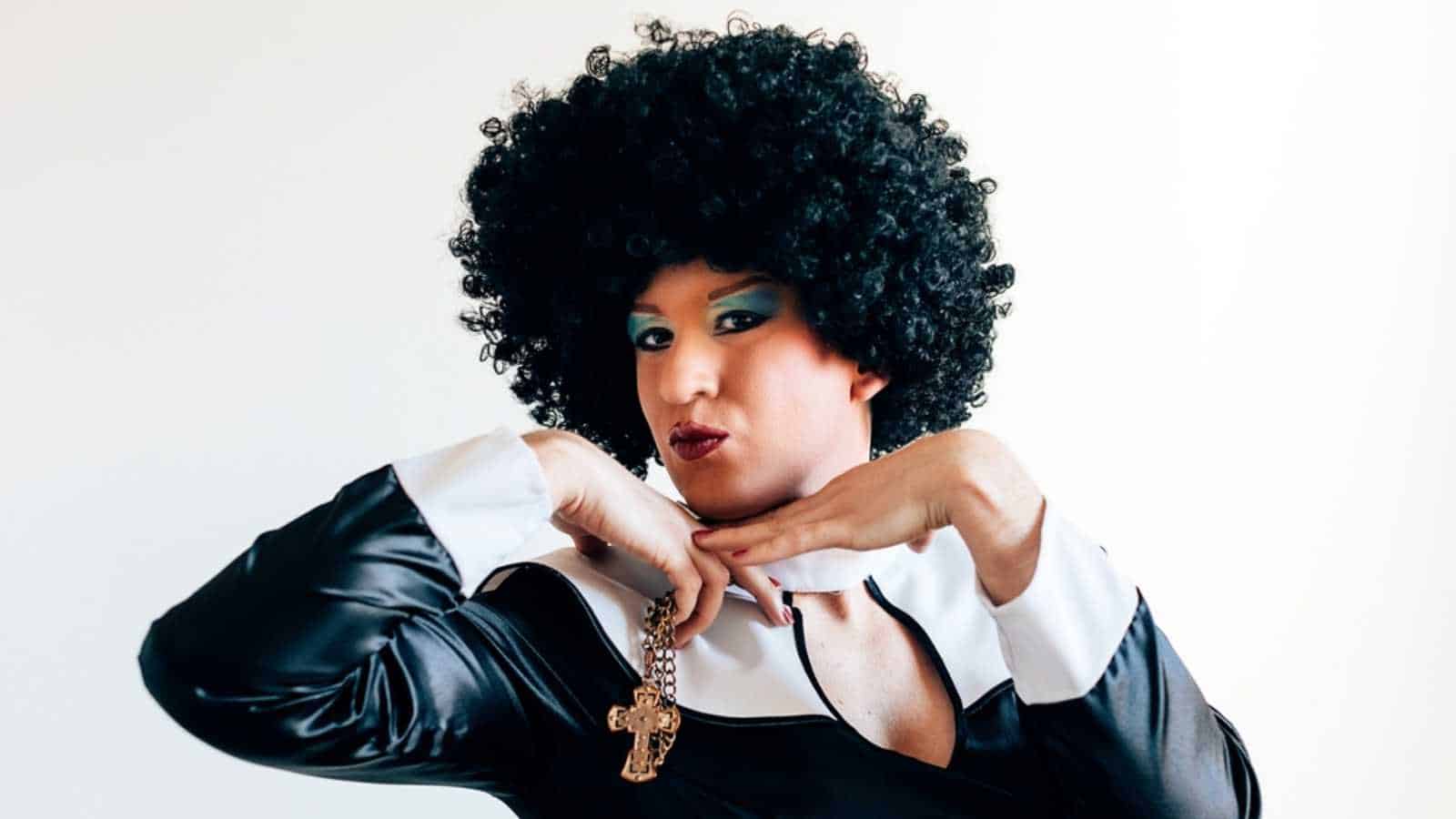
Women notice your outfit first because clothing enters the room before conversation does. Research in social psychology says people use dress to infer identity, mood, status, and taste, which explains why a simple Sunday outfit can quietly tell people if you feel polished, rushed, traditional, trendy, or ready for brunch immediately after the benediction.
Does that mean you need designer heels and a perfectly steamed dress? Absolutely not, because the church is not Paris Fashion Week with hymnals.
What other women often notice is appropriateness, not price. A clean dress, neat jeans, a modest blouse, a sharp blazer, or a carefully chosen skirt can say you came prepared and respectful.
The current church trend also leans more mixed than it did years ago, with many congregations blending dresses, denim, sneakers, suits, and casual basics in the same sanctuary. So yes, your outfit matters, but your confidence and comfort matter more.
Your grooming gives away your morning

Women notice grooming because it tells a tiny story about how your Sunday started. Did you glide in calmly with brushed hair and lip balm, or did you clearly wrestle with the alarm, the kids, the coffee maker, and one rebellious earring?
No shame, because Sundays can turn into Olympic events before 9 a.m. Still, neat grooming creates a positive first impression of care, and research on dress and appearance shows that people often use visible details to form quick judgments about personality and self-presentation.
The good news? Nobody needs perfection. Women usually notice small things like clean nails, tidy hair, fresh breath, lint on black clothing, or makeup that looks intentional rather than panicked.
A simple routine can carry the whole look: brush, moisturize, deodorize, check the mirror, and remove the mystery crumb from your shoulder. Church grace covers sin, yes, but it does not always cover foundation lines under fluorescent lights.
Your facial expression sets your whole vibe

Your face tells people if you feel open, annoyed, anxious, peaceful, or already mentally planning lunch. Women notice this because the church creates lots of silent social moments: the walk to your seat, the greeting time, the offering, the hallway shuffle, and that awkward moment when someone waves, and you don’t know if they mean you.
First-impressions research links clothing, posture, and other visible cues to how people form opinions, so your expression can shape the room before you say a word.
A soft smile works wonders because it tells people, I’m approachable, without forcing you into a full campaign speech. You don’t need to grin like you just won a free cruise to the Bahamas.
Just relax your face, make brief eye contact, and let warmth show up naturally. Ever sat near someone who looked furious through the entire worship set? Exactly, no one wants to ask that person to join the women’s brunch committee.
Your phone habits get noticed fast

Women notice your phone because phones glow like tiny confession booths in dark rows. Pew found that 82% of adults say phone use in social gatherings frequently or occasionally hurts conversation, and Baylor researchers found that 59% of U.S. adults in their church smartphone study reported using a smartphone during in-person church services.
That doesn’t mean every phone sighting screams disrespect, because many people use their phones for Bible apps, sermon notes, donation links, or church announcements.
Still, repeated scrolling sends a message, even when you mean nothing by it. Baylor researcher Meredith David noted that faith practice feels deeply personal, and the study found that other people’s opinions had little impact on smartphone use during church, which helps explain why some people scroll boldly as if no one can see the blue light on their cheek.
Other women may notice if you text through prayer, check socials during the sermon, or lift your phone for every single song. Use it with purpose, then let it rest.
Your worship style reveals your comfort level

Women notice how you worship because worship style often reflects personality, tradition, confidence, and emotional openness. Some women lift both hands, some sway quietly, some sing with full chest power, and some mouth the lyrics like they’re protecting the congregation from a vocal incident.
Barna found that 75% of practicing Christians say they listen closely to the speaker during sermons, while 17% admit they get distracted, showing how differently people engage even in the same room.
No one needs to perform spirituality for an audience. Women usually notice authenticity more than volume. If you sing softly but mean it, that comes across. If you clap on beat, congratulations, you carry a rare gift. If you clap off beat, we still love you, but someone in the alto section definitely noticed.
Your kindness during small moments stands out

Women notice how you treat people in the tiny, unscripted moments. Do you scoot over when someone needs a seat, smile at the elderly woman walking slowly, greet the visitor who looks lost, or ignore everyone because you’ve got a personal force field?
Lifeway-related reporting on women’s ministry found that 68% of surveyed women saw stronger relationships among women in church as a major value of ministry to women, which says a lot about what women want from church community.
Kindness does not require a microphone or a leadership title. It shows when you pass a tissue, help a mom with a dropped toy, compliment someone sincerely, or say hello without scanning for someone more important.
Women remember those gestures because they make church feel less like rows of strangers and more like family. Isn’t that the whole point after the sermon slides fade?
Your confidence shows in your posture

Women notice posture because posture tells a story before words show up. You can wear a beautiful outfit, but if you shrink into yourself, tug at your hem, fold your arms tightly, or stare at the floor, people may read discomfort before they read style.
Social psychology research on first impressions points to posture, dress, and visible behavior as cues people use when forming opinions.
Confidence does not mean you need to float down the aisle like the main character in a gospel movie. It means you sit and stand like you belong, because you do. Keep your shoulders relaxed, your chin level, and your movements calm.
Trust me, other women notice the woman who looks at peace in her own skin, and they often admire her more than the woman who looks perfectly styled but is wildly uncomfortable.
Your attention during the sermon says a lot

Women notice if you engage with the sermon because attention has become a rare luxury. Barna found that practicing Christians use different tools during sermons: 36% use physical Bibles, 15% use digital Bibles, 25% take notes, and 7% browse texts, email, or social media. That range tells us the church now includes paper-Bible people, phone-Bible people, notebook people, and the occasional person checking a flash sale during Romans.
Engagement does not require dramatic nodding every thirty seconds. You can listen quietly, jot a note, follow scripture, or sit still with focus.
Other women may notice when you look present because presence feels refreshing in a distracted culture. Plus, nothing humbles a person faster than pretending to take sermon notes while accidentally opening Instagram with the brightness set to lighthouse mode.
Your children and family rhythm draw attention

Women notice family rhythm during service, especially if you come with children, a spouse, relatives, or a full pew delegation. They notice how you guide your children, how you handle interruptions, how you speak to your partner, and how you recover when things go sideways. No one expects kids to behave like tiny choir-robed diplomats for ninety minutes, because children have snacks, feelings, and mysterious shoe emergencies.
What stands out is your tone. A calm whisper, a patient redirect, or a quick step into the lobby can show grace under pressure.
Other women often feel empathy here, not judgment, because many have lived through the dropped crayon, the loud question, or the toddler who chooses silent prayer as the perfect time to discuss crackers. Your family doesn’t need to look perfect. Your patience tells the better story.
Your fragrance makes an entrance, too

Women notice fragrance because scent travels, lingers, and sometimes takes a seat before you do. A soft perfume can feel lovely, but a heavy spray can turn one pew into a department store sample counter.
In close indoor spaces, especially sanctuaries, strong fragrance can distract people, trigger headaches, or overwhelm anyone sitting nearby. And honestly, nobody wants to remember the sermon topic as lavender thunderstorm with notes of vanilla ambition.
The safest move is simple: choose clean, subtle, and close-to-the-skin. Other women may notice when you smell fresh in a pleasant way, just as they may notice when your perfume announces the second coming from three rows back.
Use fragrance like seasoning, not soup. A little enhances the experience, but too much makes everyone quietly search for air.
Your attitude after service matters most

Women notice how you act after the final song because the lobby often reveals more than the pew. Do you rush out with tunnel vision, warmly greet people, gossip near the coffee table, or act friendly only toward your inner circle?
Gallup reports that regular attendance at religious services has remained low in recent years, and Pew notes that women generally report higher participation in religious services than men, so those who still show up often value connection deeply.
Your after-service energy can make someone feel seen or invisible. A quick hello, a genuine compliment, or a kind check-in can carry more weight than the outfit, the shoes, or the perfectly coordinated handbag.
Other women notice the person who leaves people feeling lighter. And if you can do that before the coffee runs out, congratulations, you may have achieved a minor Sunday miracle.
Key takeaway

Other women notice your outfit, grooming, phone habits, worship style, kindness, posture, attention, family rhythm, fragrance, and attitude, but most of them notice these things through the lens of community rather than cruelty. The real goal is not to impress the pews. The goal is to show up with care, confidence, respect, and warmth.
So next Sunday, don’t panic-check yourself like you’re walking into a pageant. Just choose the outfit, silence the phone, soften your face, greet someone kindly, and leave the heavy perfume at home. The best thing women can notice about you during service is simple: you came as yourself, and you made the room feel a little more gracious.
Disclaimer: This list is solely the author’s opinion based on research and publicly available information. It is not intended to be professional advice.
Like our content? Be sure to follow us.