11 childhood games that were actually your first lessons in magic
Before kids learned algorithms, they learned wonder in backyards, basements, sidewalks, and schoolyards. That sounds dramatic, sure, but remember how hide-and-seek turned one ordinary hallway into a haunted castle? Remember how “Simon says” made one kid suddenly control the whole room like a tiny wizard with sneakers?
Play researchers keep telling adults the same thing kids already knew. The American Academy of Pediatrics states that play builds brains, supports executive function, and helps children handle stress, which makes those “silly” games look a lot less silly now. The trend feels even more important because kids are exposed to screens earlier than ever, with Common Sense Media reporting that 40% of children have a tablet by age 2, and kids ages 8 and under average about 2.5 hours of screen time per day.
Hide-and-seek taught you the magic of invisibility

Hide-and-seek gave every kid their first taste of disappearing without needing a cloak, a spell, or a suspiciously expensive magic school. You crouched behind curtains, folded yourself into closets, and somehow believed the seeker could not see your left shoe sticking out.
That game trained spatial awareness, patience, emotional control, and strategy, all wrapped in the delicious thrill of almost getting caught. The American Academy of Pediatrics calls play “brain building,” and hide-and-seek proves the point because kids plan, predict, wait, listen, and adjust in real time.
The real magic came from perspective-taking. You had to ask, “Where would someone look first?” and “Can I stay quiet long enough to survive this round?” That tiny mental trick helped you imagine another person’s mind, which sounds fancy until you remember you used it while hiding behind a laundry basket like a raccoon with ambition. For American kids raised on basements, backyards, and bedroom closets, hide-and-seek turned familiar spaces into enchanted territory.
Tag taught you the magic of speed

Tag made one simple rule feel like a full-body lightning spell. One touch changed everything, and suddenly the slowest kid in the group discovered Olympic-level motivation.
CDC guidance recommends that children ages 6 to 17 get at least 60 minutes of moderate-to-vigorous physical activity each day, yet only about a quarter of children hit that target daily. The tag mattered because it made movement feel like fun rather than homework in sneakers.
The game also taught social timing. You learned when to sprint, when to fake left, when to guard the base, and when to accept that your friend Tyler had suspiciously long arms and no respect for personal space.
That felt like magic because your body solved problems faster than your brain could explain them. In a country where childhood activities compete with screens, organized schedules, and indoor routines, tag still offers a simple lesson: joy can make exercise happen before anyone says the word “fitness.”
Simon says taught you the magic of mind control
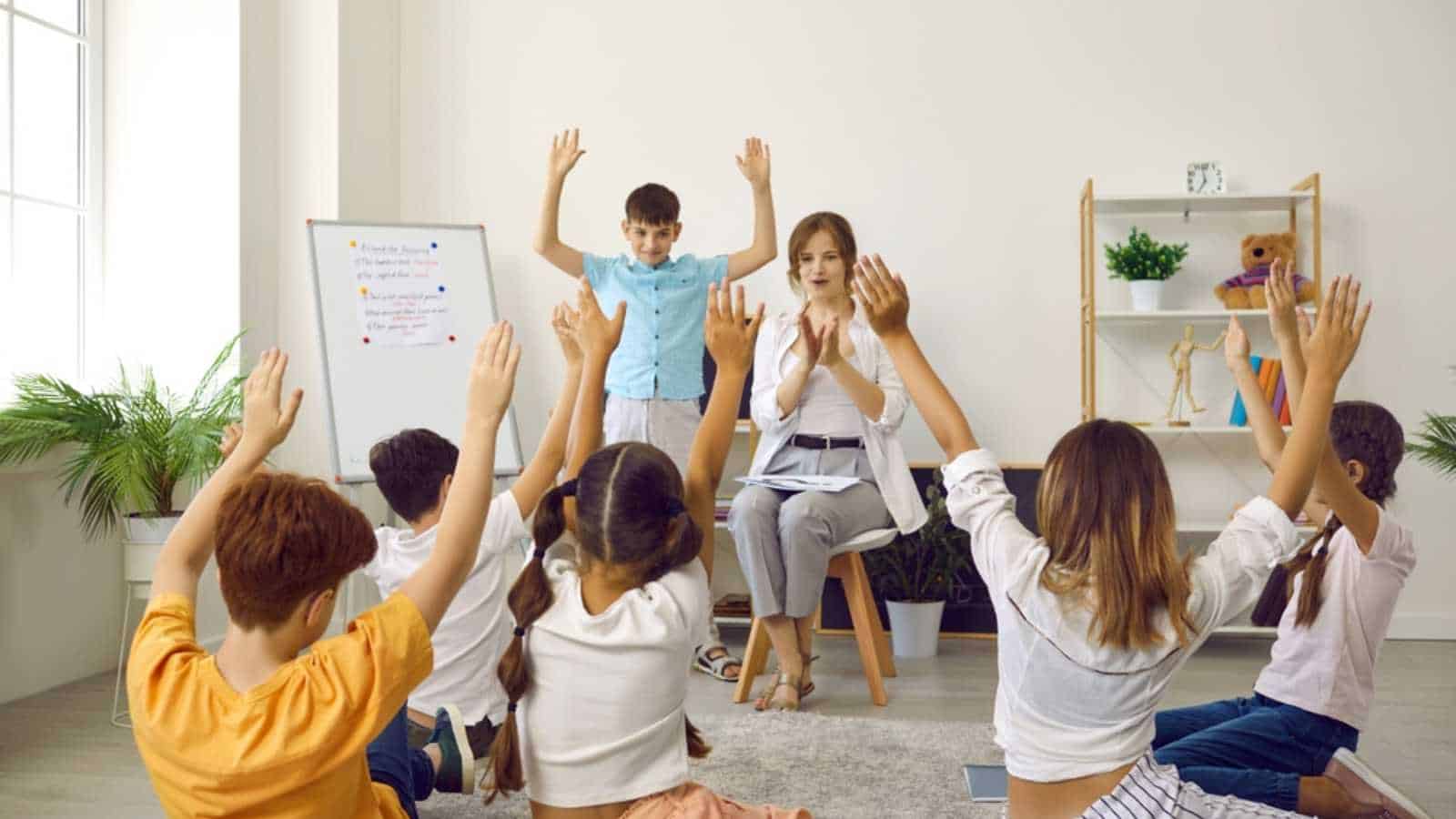
Simon says gave one child ridiculous authority and taught everyone else impulse control, which honestly feels like sorcery. The leader could say “touch your nose,” “jump twice,” or “spin around,” and the room obeyed until someone forgot the sacred phrase.
That tiny rule trained attention, working memory, listening, and self-control, the exact skills researchers place under executive function. The American Academy of Pediatrics notes that play promotes executive function, meaning Simon Says quietly helped kids practice the mental brakes they would later need in classrooms, friendships, and life.
The magic came from resisting automatic action. Your body wanted to move, but your brain had to check the command first. Ever noticed how adults still fail at this when someone says “quick meeting” and we all somehow end up losing 45 minutes?
Simon says trained kids to pause before reacting, and that pause matters. It turned attention into a game, and that may explain why this old-school favorite still works in classrooms, camps, and living rooms across the U.S.
Red light, green light taught you the magic of freezing time

Red light, green light turned every kid into a time traveler for three seconds. Green meant go, red meant freeze, and one tiny wobble could send you back to the start like the universe had personally rejected your progress.
This game gave children a playful way to practice self-regulation, and Harvard’s Center on the Developing Child highlights responsive, back-and-forth interactions as key parts of early brain development. A game built on signals, pauses, and reactions fits that idea beautifully.
The magic lived in the freeze. Kids learned that control could feel powerful, not boring, and that movement had rhythm. You watched the caller, read the room, calculated risk, and tried to stop your knees from betraying you.
That is a lot of brainwork for a game that adults usually describe as “kids running around.” Classic adult understatement, really. Red light, green light showed children that timing can change everything.
Hopscotch taught you the magic of symbols
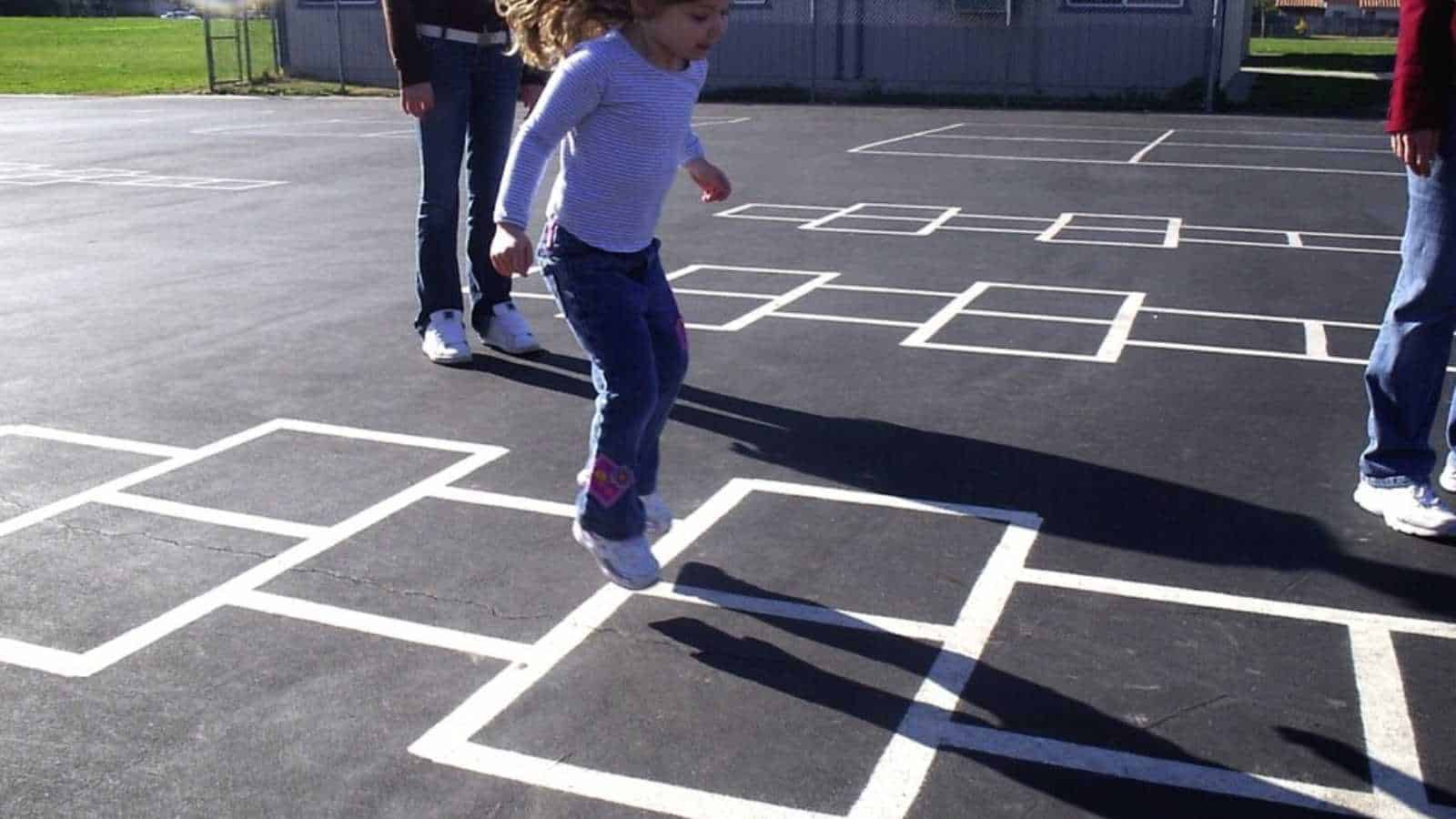
Hopscotch looked like chalk on pavement, but kids treated it like a spell circle. Those squares and numbers turned sidewalks into coded paths, and suddenly, balance, counting, aiming, and turn-taking all mattered.
UNICEF describes play as a way for children to explore the world, develop imagination, and build creativity, which fits hopscotch perfectly because kids literally draw the world they want to enter.
The game also made math feel physical. You tossed a marker, skipped a square, hopped on one foot, and tried not to collapse with the grace of a folding chair. That simple routine linked numbers with movement, which made learning feel alive.
For American kids who grew up with chalk dust on their hands and scraped knees as unofficial badges of honor, hopscotch taught a quiet, magical idea: symbols can guide your body through a challenge.
Duck, duck, goose taught you the magic of suspense
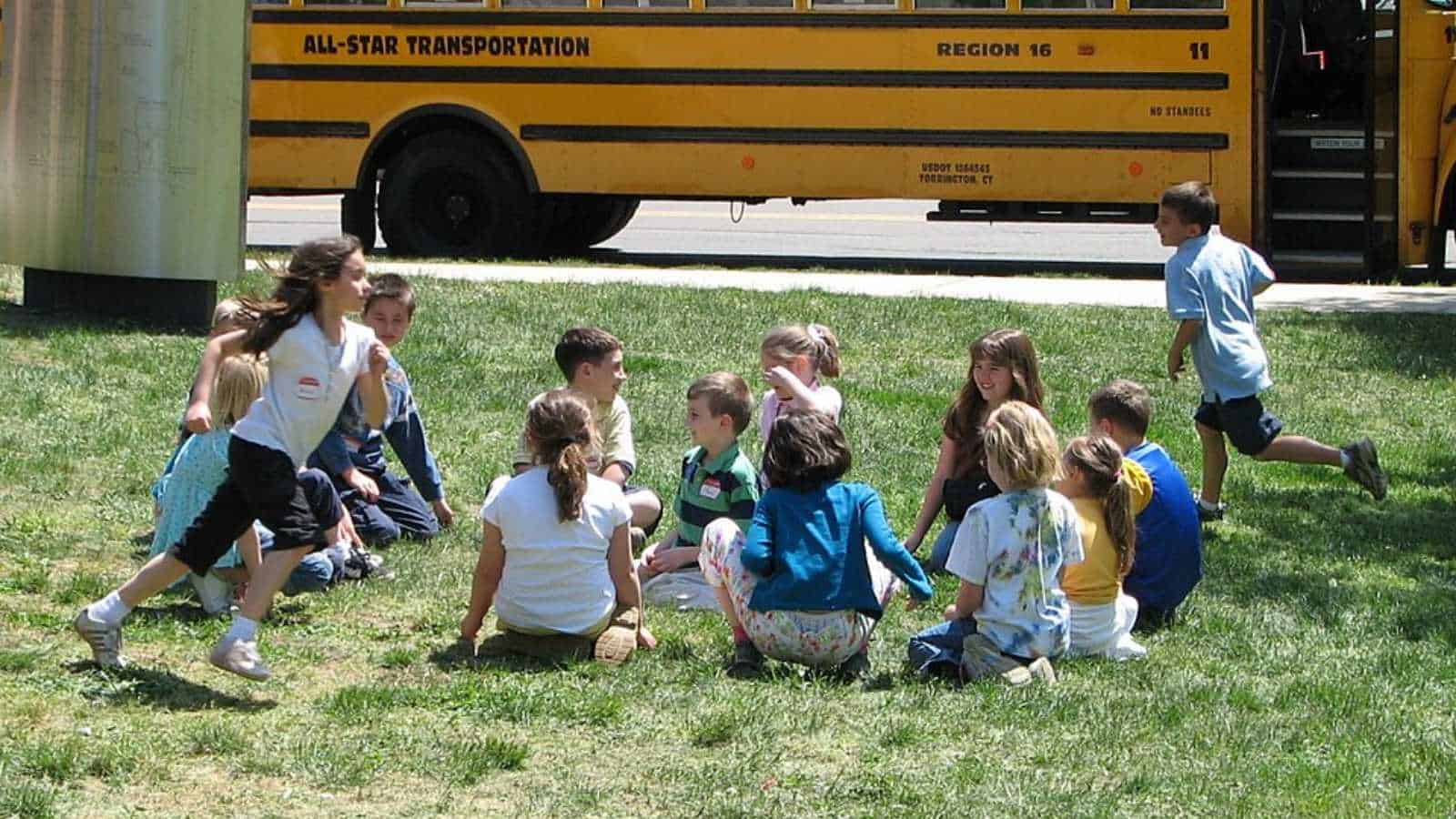
Duck, duck, goose turned a seated circle into a suspense machine. Every tap on the head carried possibility, and every “duck” stretched the tension until one unlucky “goose” had to launch into action.
The game taught anticipation, social reading, quick response, and emotional control, especially for kids who desperately wanted to get picked and then panicked the second they did. Childhood contains many contradictions, and apparently, this was one of them.
Research on play links playful experiences with social, emotional, cognitive, and physical benefits, and duck, duck, goose checks all four boxes without needing equipment or a budget. Kids learn to wait, track patterns, handle surprise, and chase without turning the whole circle into a legal dispute.
The magic came from the build-up. You knew something would happen, but you did not know when. That tiny suspense lesson later shows up in storytelling, games, sports, and even horror movies, minus the carpet burn.
The telephone taught you the magic of transformation
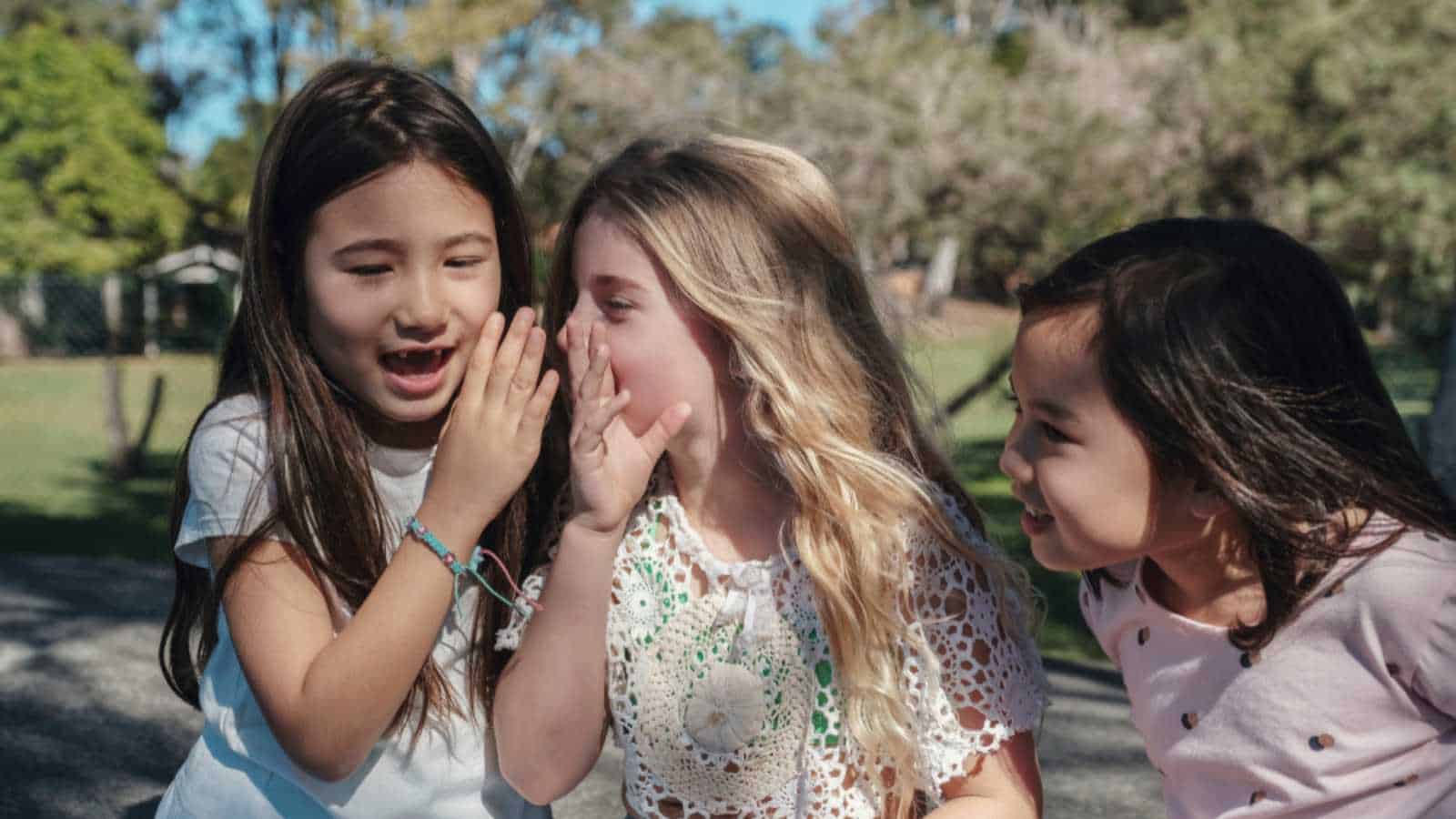
The telephone taught kids that words can shape-shift faster than a rabbit in a magician’s hat. One child whispered “purple elephant,” and five people later, the message somehow became “Grandpa sells muffins.”
Nobody planned the chaos, which made it even better. This game taught listening, memory, language precision, and the hilarious danger of assumptions. It also gave children an early lesson in misinformation, years before social media decided to make that everyone’s group project.
Common Sense Media’s 2025 research shows that young kids now grow up around personal devices much earlier, with nearly one in four children owning a cellphone by age 8. That makes the telephone feel surprisingly current.
It reminds kids that messages change as people repeat them, rush them, or hear them in ways that match what they expect. The magic was not just in the final ridiculous sentence. The real trick came from watching truth mutate inside a circle of giggling friends.
Musical chairs taught you the magic of timing
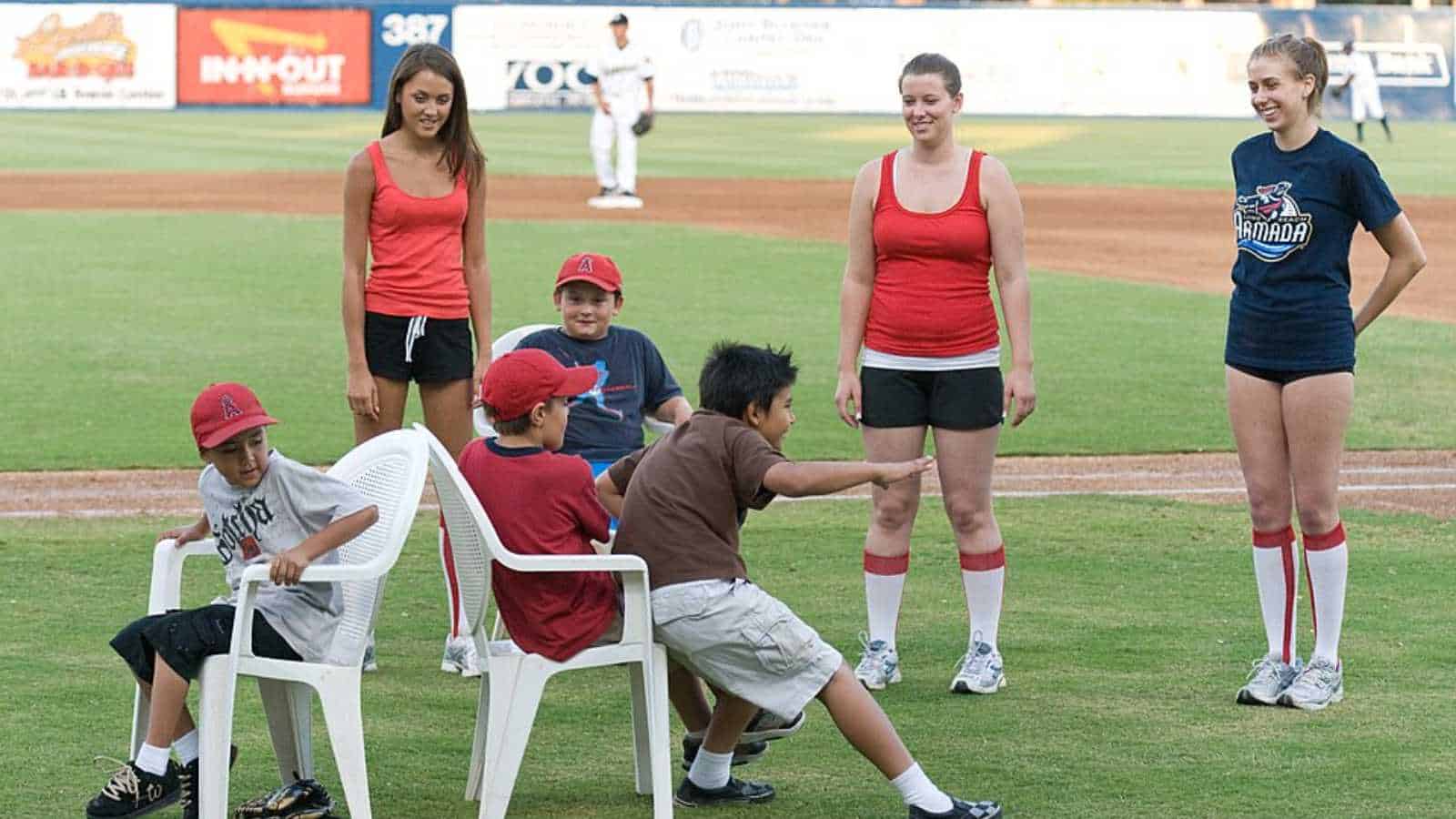
Musical chairs taught kids that rhythm, luck, and mild betrayal can share the same room. You walked calmly until the music stopped, then everyone suddenly acted like the last chair contained buried treasure.
The game trained listening, timing, body control, and emotional resilience because someone always lost a seat. And yes, someone always looked personally offended by furniture. That drama built character, or at least it built very strong opinions about fairness.
The bigger lesson involved transition. Kids had to move with the music, stop on cue, scan the space, and respond quickly. The CDC encourages varied, enjoyable physical activity for young people, and musical chairs sneaks movement into a party game without making anyone count reps.
The magic came from the sudden switch. One second you danced, and the next you made a decision under pressure. That tiny moment taught kids how fast ordinary life can change.
Make-believe taught you the magic of becoming someone else
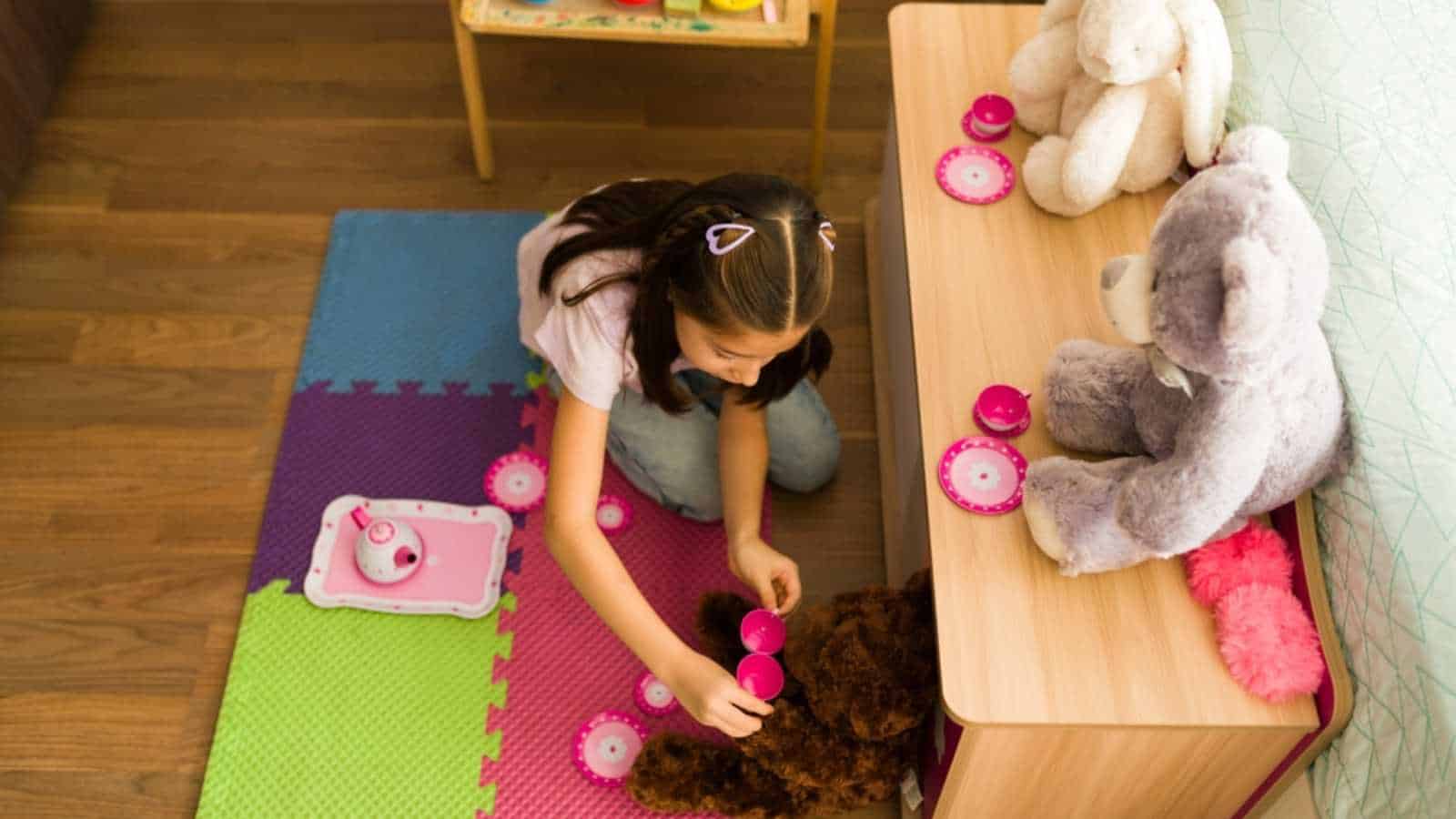
Make-believe gave children the most powerful spell of all: “Let’s pretend.” A couch became a pirate ship, a towel became a royal cape, and a cardboard box became better than whatever expensive toy came inside it.
UNICEF says play helps children build imagination, creativity, language, and social-emotional skills, and pretend play carries all of that in one gloriously messy package.
The trend toward creative confidence makes this even more relevant. Crayola’s 2025 report says 92% of surveyed children ages 6 to 12 believe creativity boosts their confidence, and Cheri Sterman of Crayola says creative activities help children recognize their talents and believe in their abilities.
Make-believe taught kids to test identities safely. You could become a doctor, dragon, teacher, detective, or rock star before lunch. Honestly, that range beats most adult résumés.
Clapping games taught you the magic of rhythm

Clapping games turned hands into instruments and friendship into choreography. Games like “Miss Mary Mack” and “Pat-a-cake” trained memory, rhythm, coordination, language, and cooperation.
You had to match another person’s timing, remember the pattern, and recover fast when someone messed up. That recovery mattered because every kid knew the universal rule: laugh, reset, and try again.
Harvard’s “serve and return” concept explains how responsive back-and-forth exchanges help shape brain architecture, and clapping games practically run on that pattern. One child moves, the other responds, and both adjust in real time. The magic came from synchronization.
Two kids could create one rhythm without screens, batteries, or a subscription plan, which almost sounds suspicious now. Clapping games made the connection physical, audible, and joyful.
Jacks and marbles taught you the magic of precision
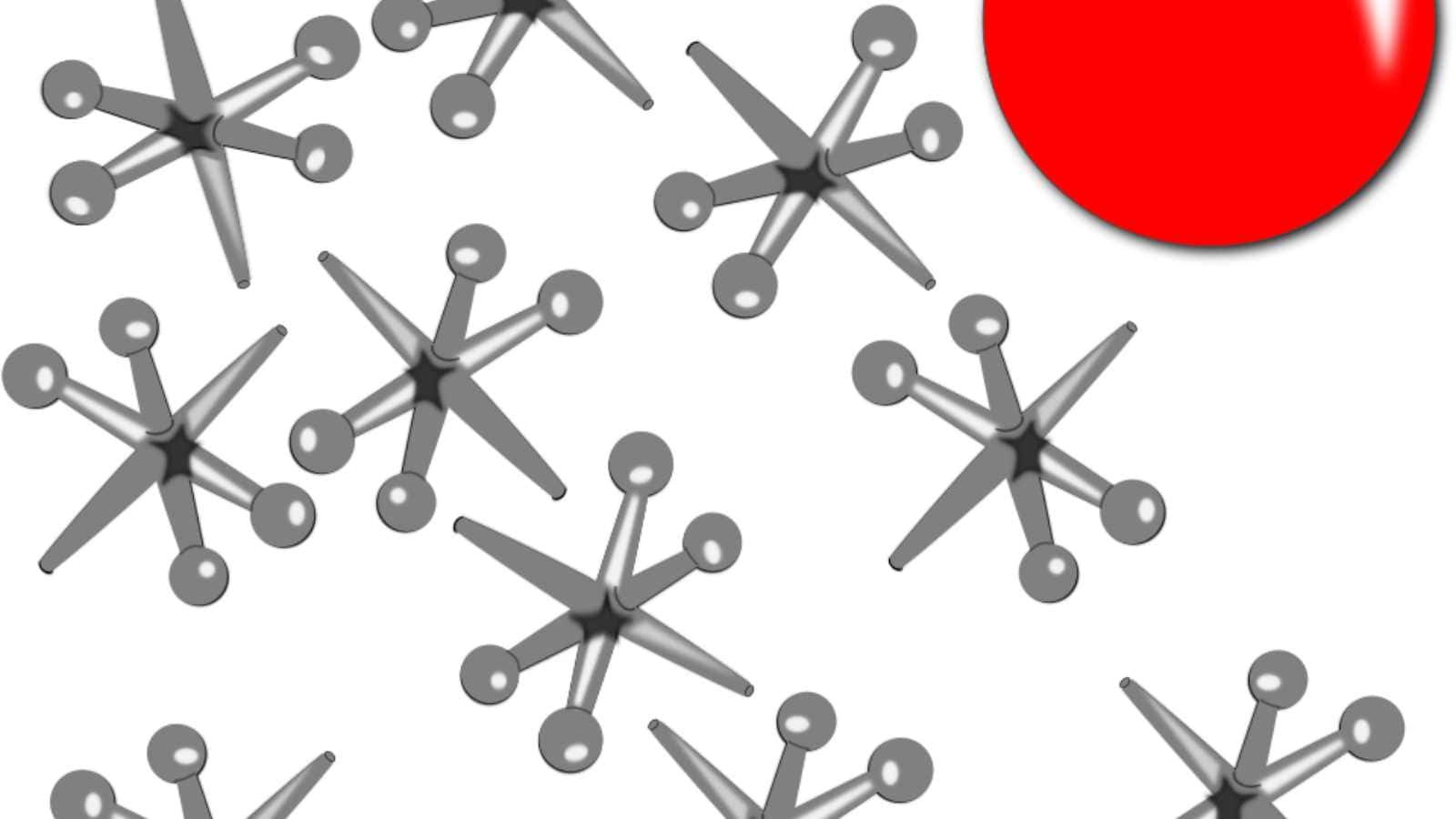
Jacks and marbles taught kids that tiny objects could demand enormous focus. You aimed, flicked, scooped, bounced, counted, and tried to look calm even when your whole strategy depended on one shaky hand.
These games trained fine motor control, visual tracking, planning, and patience. They also taught children that skill grows through repetition, which sounds inspiring until you remember how many marbles rolled under couches and entered permanent witness protection.
The play trend now leans back toward tactile, hands-on learning because many parents want kids to balance digital entertainment with real-world skill-building. LEGO’s 2024 Play Well research gathered responses from 61,532 participants across 36 markets, showing how seriously families and brands now study play, confidence, and creativity.
Jacks and marbles captured that hands-on magic decades earlier. They taught kids that small movements can create big wins, and that patience often beats noise.
Red Rover taught you the magic of courage

Red Rover gave playgrounds their most dramatic invitation: “Send someone right over.” Kids linked arms, called a name, and watched one brave runner charge the human wall like a tiny medieval knight with Velcro shoes.
The game taught courage, group strategy, body awareness, and social negotiation. Yes, adults now view it with more caution, and fair enough. Childhood games did not always come with risk management committees.
Still, the lesson behind the game matters. Children practiced belonging to a team, choosing a challenge, reading strength, and handling victory or defeat in front of peers.
Research on play links it to resilience, cooperation, negotiation, and problem-solving, which helps explain why team-based games are so deeply ingrained in memory. The magic came from crossing the gap between fear and action. Every kid who ran toward that line learned courage before they had the vocabulary for it.
Key takeaway
Childhood games felt magical because they quietly taught the skills adults spend years trying to rebuild: confidence, creativity, focus, courage, timing, empathy, problem-solving, and self-control. The best part? Kids learned all of that through laughter, chalk, grass stains, whispered nonsense, and the occasional unfair round of musical chairs.
So the next time someone calls old playground games “just play,” feel free to raise an eyebrow. Those games gave us our first lessons in magic, and honestly, they did it without Wi-Fi.
Disclaimer: This list is solely the author’s opinion based on research and publicly available information. It is not intended to be professional advice.
Like our content? Be sure to follow us.