12 bizarre questions about women’s health and biology we’re all too embarrassed to ask out loud
Your body can produce a plot twist before breakfast, and somehow, we still act shocked. One day, your discharge looks like egg whites, the next day your period shows up looking like old coffee, and then your bladder betrays you during one tiny sneeze. Very rude behavior, honestly.
But these “weird” questions are wildly common: more than 90% of women report premenstrual symptoms, 3 in 4 women get at least one yeast infection, and researchers estimate that about half of women experience urinary incontinence at some point.
So let’s talk like normal people, not like we are whispering in the pharmacy aisle. This does not replace medical care, but it can help you know what sounds normal, what deserves a checkup, and what your body probably does because biology enjoys drama.
Why does discharge sometimes look like egg whites?

That stretchy, slippery, egg white discharge usually shows up around ovulation, when cervical mucus changes to help sperm move more easily through the cervix. Glamorous? Not exactly. Useful? Absolutely. ACOG states that normal vaginal discharge varies across the menstrual cycle, and clear to white discharge without a strong odor often falls within the normal range.
Here is the friendly version: your body runs a monthly fertility forecast, and discharge often acts like the weather report. If it turns green, gray, very foul-smelling, bloody outside your period, or comes with itching, burning, pelvic pain, or sores, you should call a clinician. ACOG also notes that vaginitis can cause itching, burning, odor, or a large amount of discharge, so your “hmm, that’s new” instinct matters.
Why does vaginal odor change after workouts, sex, or periods?
A mild vaginal scent can change after sweating, sex, menstruation, or even a long day in tight leggings because the vulva has sweat glands and the vagina has its own bacterial balance. Yes, the body has a whole tiny ecosystem down there, because apparently, we are all walking nature documentaries.
The Office on Women’s Health says almost 1 in 5 U.S. women ages 15 to 44 douche, yet doctors recommend against it because douching can increase the risk of infections and STIs.
The key point: clean the outside, not the inside. ACOG gives the best plain advice here: “let the vagina cleanse itself.” If you notice a strong fishy odor, thin gray discharge, itching, burning, or an odor that will not quit, bacterial vaginosis may be the culprit. CDC says BV links to an imbalance of “good” and “harmful” bacteria, and douching can upset that balance.
Why does period blood sometimes look brown, black, or weirdly rusty?
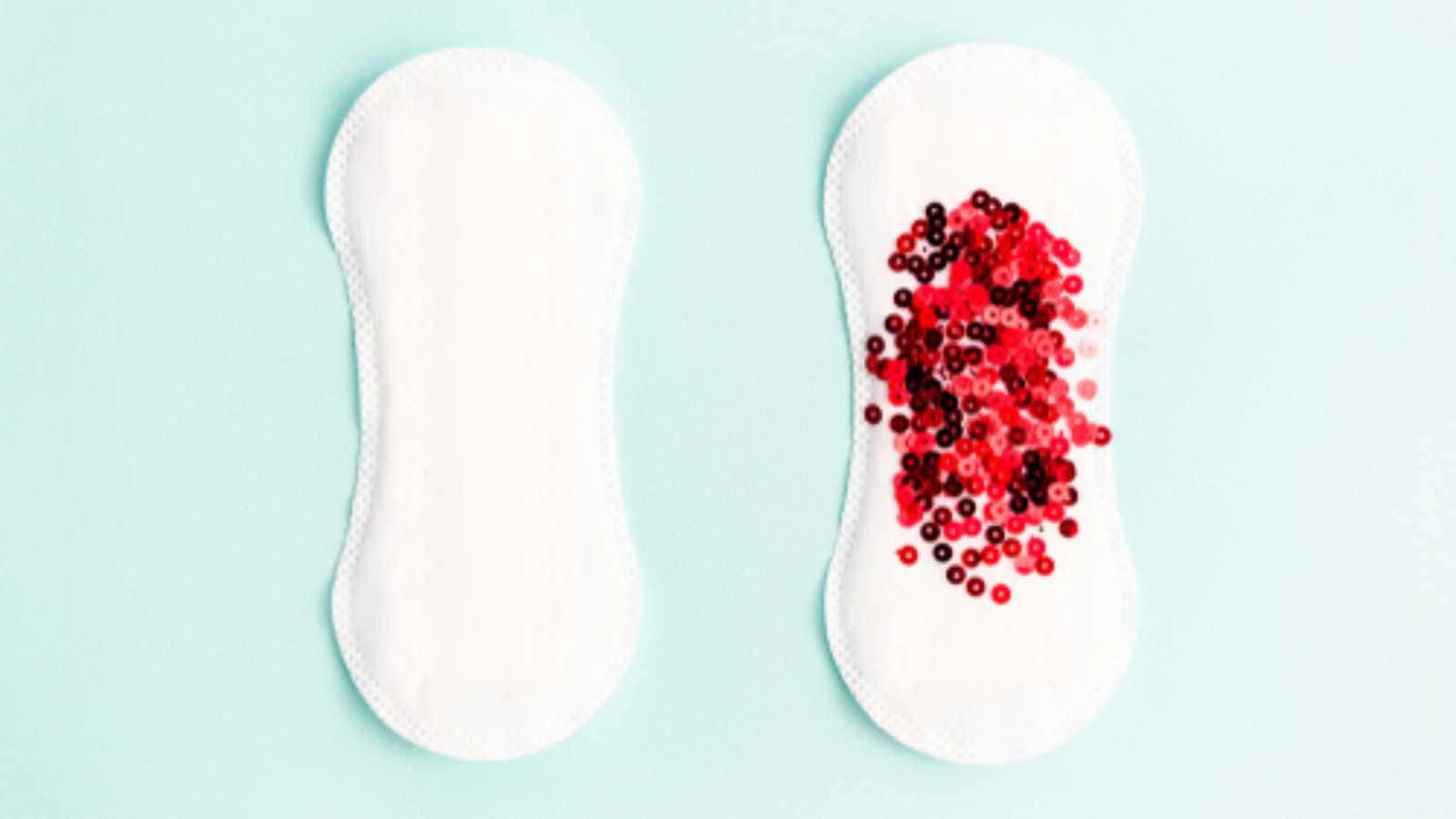
Brown or dark period blood usually means the blood is older and took longer to leave the uterus and vagina. Cleveland Clinic explains the color change with one wonderfully simple line: “The longer it sits, the darker it gets.” So no, your uterus did not suddenly switch to vintage ink. It likely just moved slowly that day, which feels very relatable, especially on a Monday.
Still, track changes because heavy bleeding can signal a bigger issue. CDC says about 1 in 5 women in the United States experience heavy menstrual bleeding, and it recommends speaking with a healthcare provider if bleeding lasts longer than seven days or forces you to change a pad or tampon nearly every hour.
If you see bleeding after menopause, bleeding between periods, severe pain, dizziness, or pregnancy-related bleeding, skip the internet spiral and get checked.
Why do cramps sometimes feel normal, then suddenly feel scary?
Regular cramps can happen when the uterus contracts during a period, but severe pain that blocks work, school, sleep, or basic human functioning deserves attention. Endometriosis often hides behind the phrase “bad cramps,” which does women no favors. The Office on Women’s Health says endometriosis may affect more than 11% of American women ages 15 to 44, and the WHO estimates it affects about 10% of reproductive-age women worldwide.
Here is my rule of thumb: if pain makes you plan your life around your period, your body deserves a real conversation with a clinician. Pain with bowel movements, pain during sex, heavy bleeding, nausea, chronic pelvic pain, or cramps that get worse over time should not be dismissed as “just being a woman.” That phrase has done enough damage without pay. You can use a symptom tracker before your appointment so you walk in with receipts, not vague panic.
Why do some women feel a sharp side pain in the middle of the month?
That monthly side stab may come from ovulation pain, also called mittelschmerz. It often hits one side of the lower abdomen around the middle of the cycle, about two weeks before the next period. Cleveland Clinic says ovulation pain may affect up to 40% of people who ovulate, which makes it common enough to deserve a less terrifying name than a German word that sounds like a haunted pastry.
Mild midcycle pain can come and go quickly, and some people also notice slippery discharge or light spotting. Mayo Clinic describes mittelschmerz as one-sided lower abdominal pain linked to ovulation. Call a healthcare provider if the pain feels severe, lasts longer than expected, comes with fever, heavy bleeding, vomiting, dizziness, shoulder pain, or a positive pregnancy test. Biology can be weird, but it should not feel like an emergency siren.
Why do I pee a little when I laugh, sneeze, jump, or cough?

That little leak has a name: urinary incontinence. It can happen when pressure from laughing, coughing, sneezing, jumping, or lifting pushes against the bladder. NIDDK says bladder control problems are common, especially in women, and researchers estimate that approximately half of all women experience urinary incontinence.
Please do not let embarrassment bully you into silence here. The Office on Women’s Health says incontinence affects women twice as often as men, and more than 4 in 10 women age 65 and older have it. It can improve with pelvic floor physical therapy, bladder training, medication, devices, or procedures, depending on the type.
A clinician can help you sort stress incontinence from urge incontinence, because your bladder should not get to run the household like a tiny dictator.
Why do chin hairs show up like they pay rent?
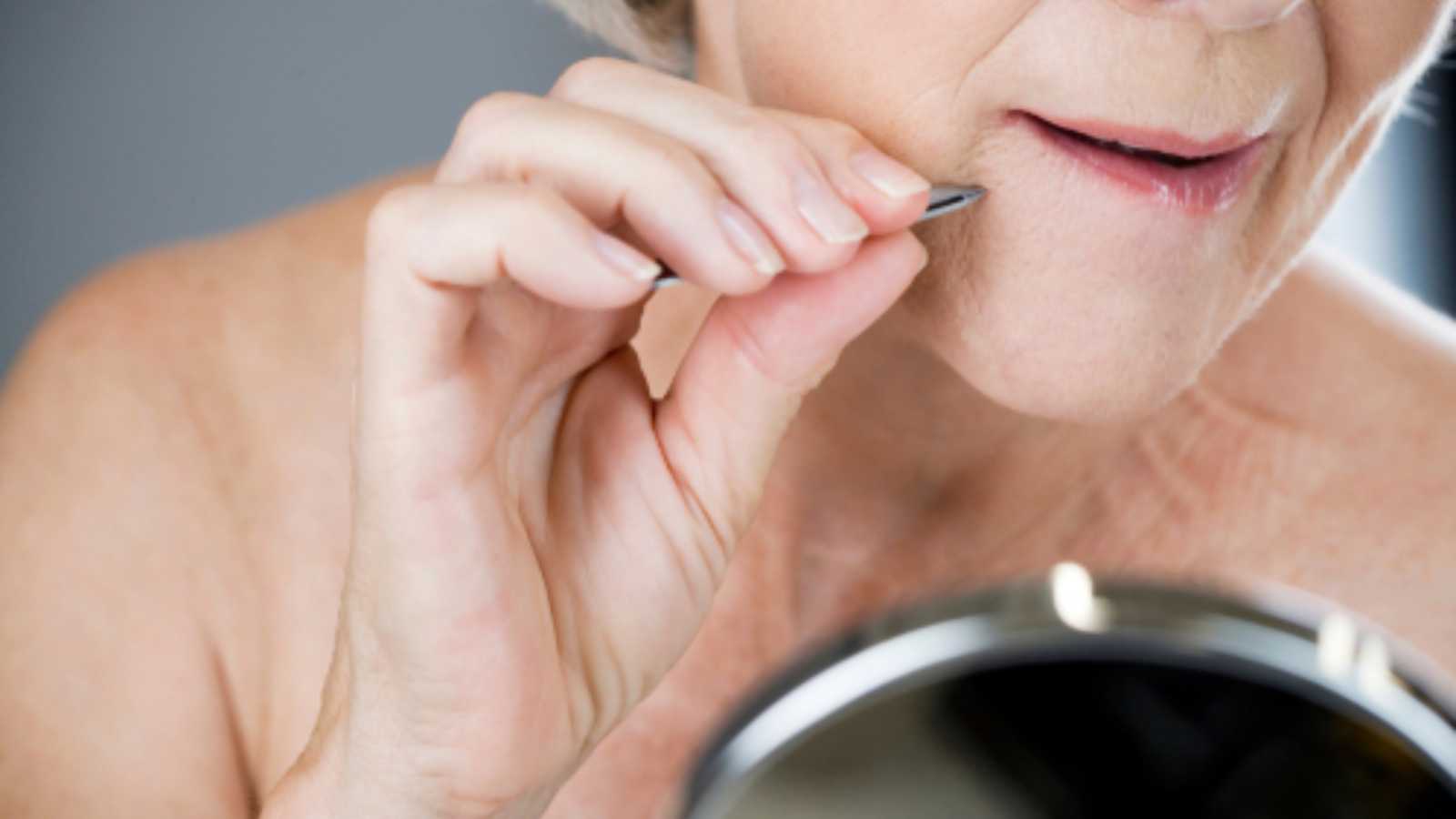
A random chin hair can happen because hormones fluctuate, genetics exist, and bodies love sprinkling in surprises. A few hairs do not automatically mean something serious. But new or growing facial hair, acne, irregular periods, scalp thinning, or weight changes may indicate PCOS, especially if the pattern continues to worsen.
WHO says PCOS affects an estimated 10% to 13% of reproductive-aged women, and up to 70% of women with PCOS worldwide may not know they have it.
In the U.S., the Office on Women’s Health estimates PCOS affects 5% to 10% of women ages 15 to 44. The CDC also notes that more than half of women with PCOS develop type 2 diabetes by age 40, which makes diagnosis more than a cosmetic issue. So yes, tweeze the hair if you want, but do not tweeze away the clue if your cycle, skin, or metabolism also starts acting suspiciously.
Why do breasts hurt, swell, or feel lumpy before a period?
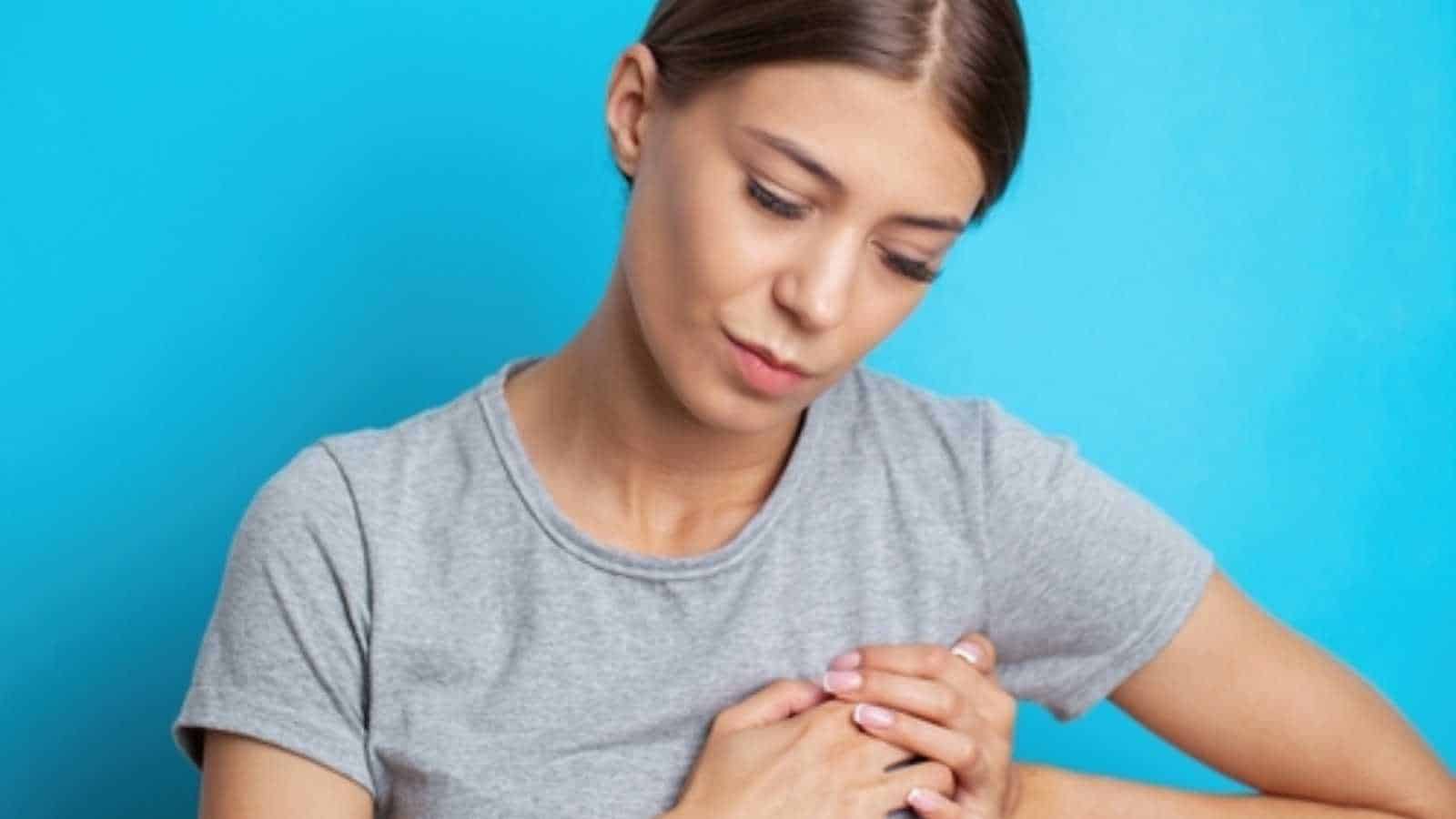
Hormones can make breast tissue feel tender, heavy, swollen, or lumpier before a period. This can feel alarming, especially when your brain immediately opens the worst-case-scenario tab. The American Cancer Society says benign breast conditions are very common and most breast changes are benign, which means many lumps and tender areas do not turn out to be cancer.
That said, do not play detective forever. A new lump, nipple discharge, skin dimpling, nipple pulling inward, redness, swelling, one-sided persistent pain, or a change that does not go away after your period deserves a medical check. The CDC says the U.S. Preventive Services Task Force recommends mammograms every 2 years for women ages 40 to 74 at average risk, though those at higher risk may need different guidance.
Your breasts can be dramatic, but your peace of mind deserves facts.
Why does vaginal gas happen at the worst possible moment?

Vaginal gas, often called queefing, happens when air gets trapped in the vagina and then escapes. It can happen during sex, stretching, exercise, yoga, tampon or menstrual cup use, or certain positions. Cleveland Clinic says vaginal gas usually stays harmless and often comes from sex, exercise, or pelvic floor factors; rare cases can point to a fistula.
The social timing, however, deserves criminal charges. Why does it wait for silence? Why never during a noisy blender moment? If vaginal gas comes with stool leakage, urine leakage from the vagina, foul discharge, pelvic pain, fever, or symptoms after childbirth or pelvic surgery, talk to a clinician.
Otherwise, your vagina simply releases trapped air, not a moral statement, not a medical scandal, and definitely not a reason to vanish from society.
Why do yeast infections and UTIs keep coming back like bad exes?
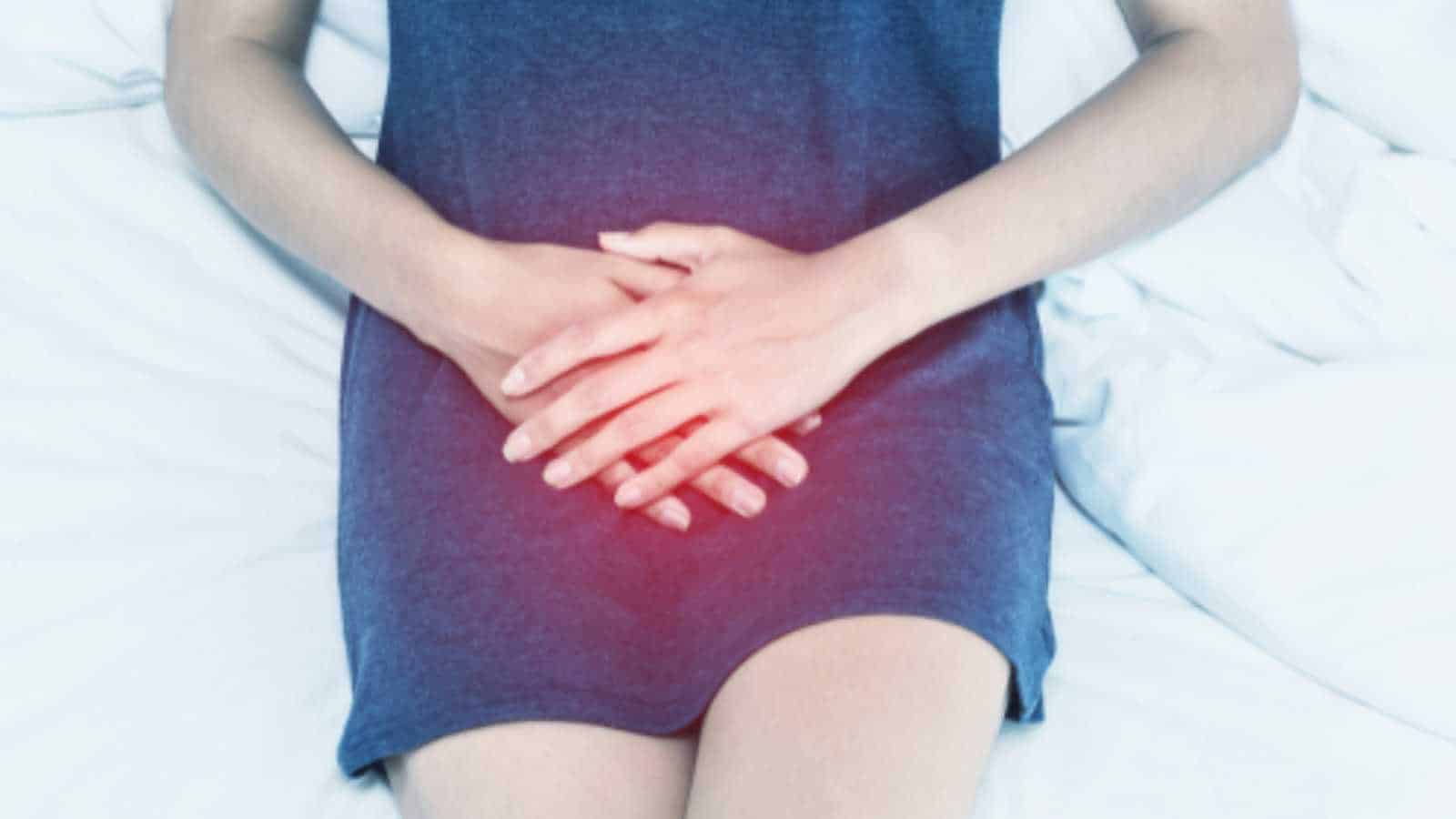
Yeast infections and UTIs can both recur, and no, that does not mean you failed at hygiene. The Office on Women’s Health says 3 out of 4 women will have a yeast infection at some point, and almost half will have two or more. CDC also says vulvovaginal candidiasis symptoms can include itching, soreness, pain with sex, external burning with urination, and abnormal discharge, but those symptoms do not always indicate yeast.
UTIs also love ruining plans. A major review in the medical literature reports that 50% to 60% of adult women will have at least one UTI in their lifetime. See a clinician if you have burning urination, pelvic pain, fever, back pain, blood in urine, pregnancy, recurrent infections, or symptoms that return after treatment.
Repeated self-treatment can miss BV, STIs, resistant bacteria, diabetes, or pelvic floor issues, and your body deserves better than a guessing game with drugstore cream.
Why do moods, cravings, and rage spikes hit before a period?

Premenstrual symptoms can mess with mood, sleep, appetite, energy, skin, digestion, and patience. One minute you feel fine, and the next minute a loud chewer becomes your sworn enemy. The Office on Women’s Health says over 90% of women report some premenstrual symptoms such as bloating, headaches, and moodiness.
But severe mood symptoms need care, not jokes about “being hormonal.” Research reviews estimate PMDD affects about 3% to 8% of women, and it can bring intense depression, irritability, anxiety, anger, or hopelessness before a period. Track symptoms for two cycles if you can, then talk with a clinician, especially if symptoms harm relationships, work, school, or safety. Hormones can influence mood, but they should not hijack your life every month.
Why do hot flashes and night sweats start before menopause?
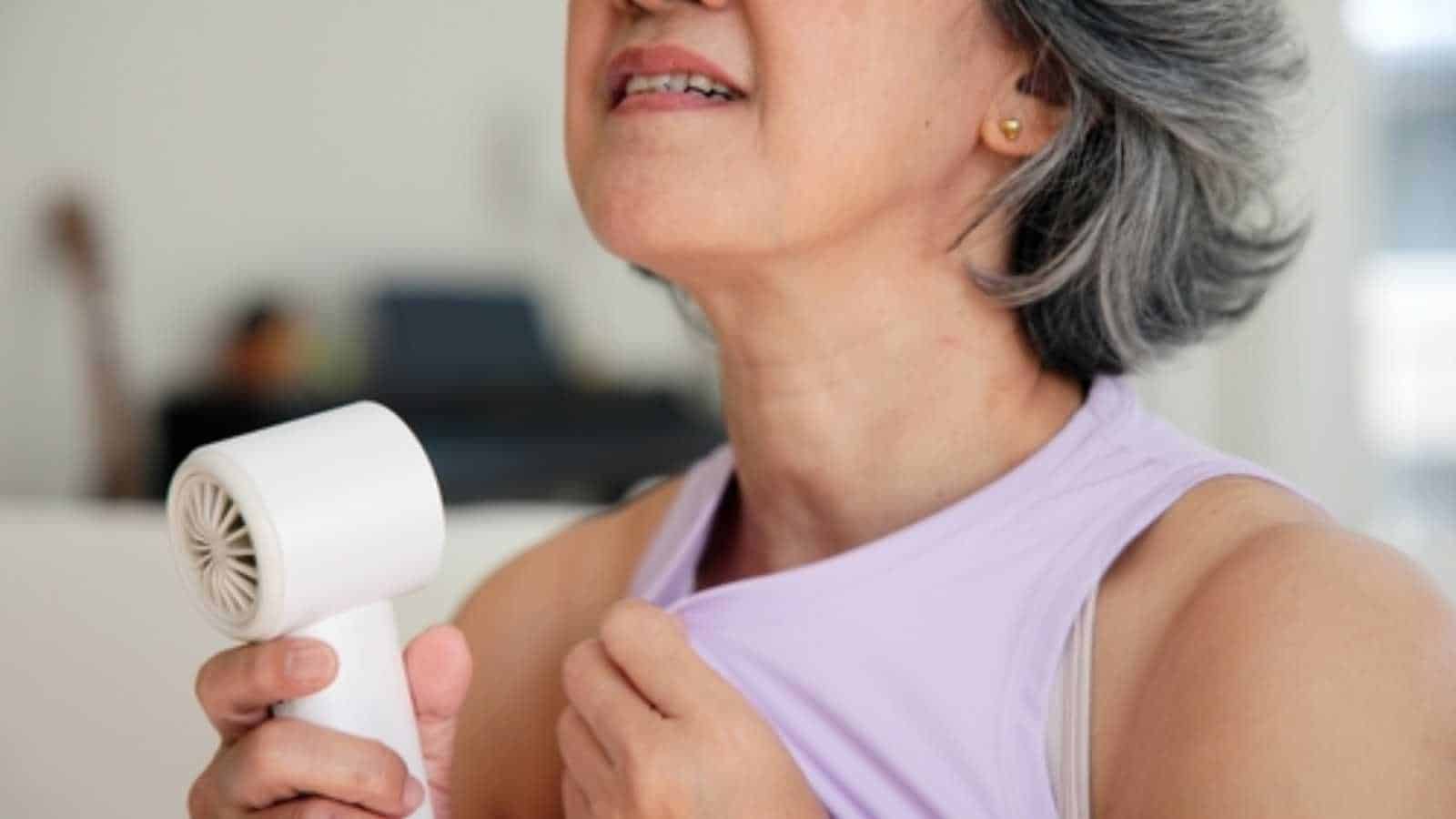
Hot flashes can show up during perimenopause, the years before periods fully stop, because estrogen levels start fluctuating. They can feel like someone opened an oven inside your chest, which feels rude since nobody even offered cookies. According to the Menopause Society, hot flashes and night sweats occur in up to 80% of women during menopause and can last an average of 7 to 10 years.
Menopause officially means 12 months without a period, and Mayo Clinic says the average age in the U.S. is 51. Still, night sweats can also come from infections, thyroid issues, medications, anxiety, alcohol, sleep disorders, and other causes. If you soak your sheets, lose weight without trying, develop a fever, experience chest pain, or have symptoms much earlier than expected, seek medical guidance.
Your body may be entering a new hormonal chapter, but it should not turn bedtime into a swamp tour.
Why can sex, tampons, or pelvic exams hurt?
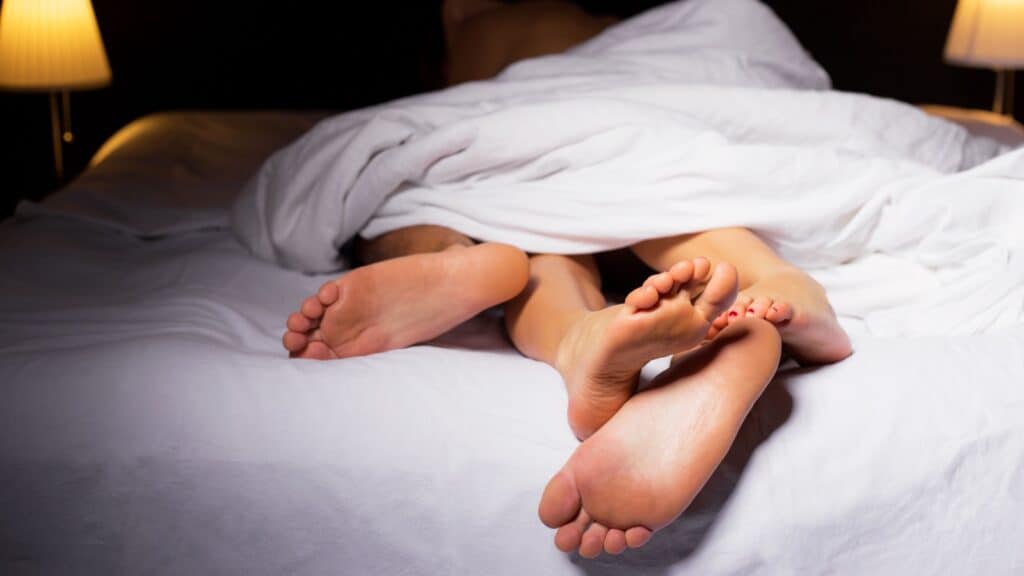
Pain with penetration can come from dryness, infections, vulvodynia, vaginismus, pelvic floor tension, endometriosis, childbirth changes, menopause related tissue changes, trauma, or anxiety linked to past pain. ACOG explains that painful sex can involve conditions such as dyspareunia and vaginismus, and treatment depends on the cause. Pain deserves investigation, not a lecture about relaxing, because nothing relaxes a person faster than being told to relax. Fantastic medical strategy, truly.
Data backs up how common this issue feels in real life. An American Family Physician review reports that dyspareunia affects about 10% to 20% of U.S. women. ACOG also describes vulvodynia as burning, stinging, irritation, or rawness in the vulva. If sex, tampons, or exams hurt repeatedly, ask about infection testing, pelvic floor physical therapy, vulvar skin conditions, hormone changes, endometriosis, and pain disorders. You do not earn a medal for tolerating pain in silence.
Key takeaway

Women’s health questions often feel bizarre because people still treat normal body talk like classified information. Discharge changes, mild odor shifts, brown period blood, ovulation pain, vaginal gas, PMS, and occasional breast tenderness can all happen for ordinary biological reasons. The “weird” part usually comes from silence, not from the body itself.
Still, common does not always mean harmless. Strong odor, severe pain, heavy bleeding, recurrent infections, breast changes, bladder leaks, painful sex, sudden night sweats, or cycle changes that disrupt life deserve a real medical conversation. Bring notes, dates, photos if relevant, and direct questions, because doctors work better with patterns than with nervous guesses.
So ask the embarrassing question anyway. Your body already did the awkward part. You might as well get the answer.
Disclaimer: This list is solely the author’s opinion based on research and publicly available information. It is not intended to be professional advice.
Like our content? Be sure to follow us.