12 reasons why some Americans are not proud to be American
National pride in America has eroded sharply over the past decade.
The Public Religion Research Institute reports that just 23% of Americans say they’re proud of the country, underscoring a generational shift in attitudes toward national identity.
The decline coincides with rising dissatisfaction across multiple fronts: political polarization, escalating consumer costs, healthcare burdens, workplace burnout, and the relentless churn of online conflict. Together, these pressures form a landscape of chronic frustration.
That doesn’t mean people suddenly hate America. You can still care about your country and feel disappointed by where things are heading. From money struggles to political headaches and everything in between, these are the 12 issues that hit home the most.
You Feel Like Working Hard Doesn’t Pay Off Like It Used To

You probably know someone who works nonstop yet still feels broke all the time. Maybe that person is you. Rent keeps climbing, groceries feel ridiculously expensive, and somehow even grabbing coffee feels like a financial decision now.
A Pew Research report found that Americans view economic inequality as one of the country’s biggest problems. Younger adults and lower-income Americans, in particular, feel that the system unfairly favors wealthy people and corporations.
Over time, that frustration changes how you see the country. When people work hard and still struggle constantly, it becomes harder to feel proud of the system around them. And honestly, nobody likes feeling financially stressed after buying basic groceries.
Younger Adults Feel Like the Future Looks Bleak

Many younger Americans no longer feel very optimistic about the future. Worries about student loans, high rent, burnout, and unstable jobs weigh heavily, and the idea of ever owning a home can feel like a distant dream. Day-to-day life often feels like a juggling act with no clear finish line in sight.
It’s easy to understand why frustration runs high. Older generations often talked about opportunity and stability as if they were guaranteed, but today it feels like the rules have changed. People joke that buying a house is as realistic as spotting a dragon in a parking lot, funny, but also kind of sad.
Politics Feels Completely Draining
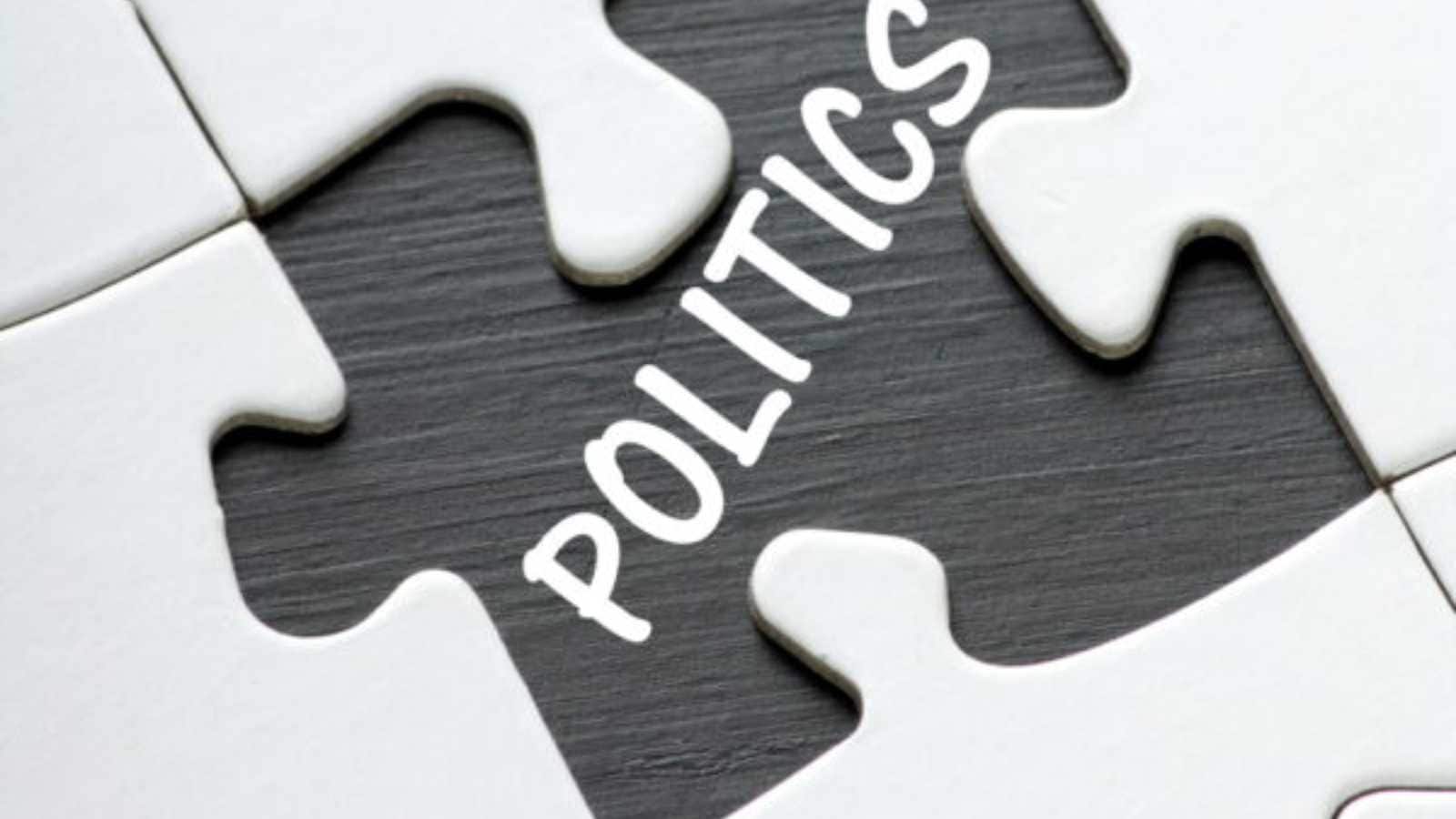
Remember when you could disagree politically without acting like mortal enemies? Yeah… that feels pretty rare now. These days, almost every conversation online somehow turns into a fight within five minutes.
An AP-NORC analysis linked declining national pride to political division and frustration with both parties. Many Americans said they feel exhausted by nonstop arguments, election drama, and the feeling that nobody actually listens anymore.
You can only deal with so much tension before it starts wearing you down emotionally. At some point, people stop feeling united and start feeling like everybody lives in separate worlds that constantly attack each other online.
Gun Violence Leaves People Emotionally Exhausted

Mass shootings happen so often now that many Americans immediately brace themselves whenever breaking news alerts pop up on their phones.
Think about how strange this sounds for a second: kids today grow up practicing active shooter drills at school. That became normal for an entire generation. Honestly, that alone says a lot about how people feel emotionally right now.
Many Americans feel frustrated because the same cycle repeats constantly. Tragedy happens, politicians argue, social media explodes, and then somehow nothing really changes before the next terrible headline appears.
You Don’t Really Trust the Government Anymore
A lot of Americans now hear politicians talk and instantly roll their eyes. People listen to campaign promises every election cycle, but many still feel like everyday problems never actually improve.
A report from the Partnership for Public Service found that trust in the federal government remains extremely low. Many Americans said they believe political leaders care more about power, money, and party loyalty than about helping regular people.
And honestly, you can understand why so many people feel cynical. People watch politicians argue constantly while housing costs rise, healthcare stays expensive, and basic issues drag on forever without real solutions.
Healthcare Feels Way Too Expensive
Nothing ruins your day faster than opening a medical bill and suddenly needing to sit down. Healthcare costs can turn a stressful health problem into a full financial panic. For many Americans, getting care does not always feel like relief because the price tag can be just as frightening as the illness.
That pressure makes people hesitate to book appointments, fill prescriptions, or go to the emergency room. Some families try to “wait it out” because they worry about what the bill will look like later. That is a scary way to live, especially in a country where people expect healthcare to protect them.
Over time, that fear creates resentment. Nobody should have to wonder if calling an ambulance will wreck their budget. Yet for many Americans, that thought sits quietly in the back of their minds whenever a health emergency occurs.
Racism and Inequality Still Affect People Every Day
Many Americans believe the country has made progress on racial issues over time. But many people still experience discrimination in ways that seriously affect their lives.
A KFF survey on racism and health found that many Black, Hispanic, and Native American adults reported unfair treatment involving healthcare, housing, policing, and daily interactions. These experiences strongly affected trust in institutions and overall feelings about fairness in society.
When people keep encountering unequal treatment, patriotism starts to feel more complicated. It’s hard to fully celebrate a country when some citizens still feel like the system treats them differently.
Social Media Makes Everything Feel Worse
You open your phone hoping to relax for five minutes, and suddenly the screen pulls you into a storm of arguments, outrage, conspiracy theories, and panic-filled headlines. Social media has a way of making every problem feel bigger, louder, and closer than it really is.
The more you scroll, the more it can seem like everyone is angry, suspicious, or ready to fight. A few heated posts can make the whole world feel divided, even when real life is often calmer and more reasonable than the internet makes it look.
And doomscrolling probably deserves its own Olympic event at this point. When negativity floods your screen day after day, it slowly chips away at your hope and makes society feel more broken than it actually is.
Society Feels More Selfish Than It Used To
A lot of people miss feeling connected to their communities. These days, society often feels more reactive, impatient, and divided than supportive or understanding. According to a YouGov survey, half of Americans describe ‘most Americans’ as selfish, and more than one‑third call them intolerant.
When people stop feeling connected to one another, national pride naturally weakens, too. It’s difficult to feel united when everybody seems angry, isolated, or stuck arguing online nonstop.
Climate Anxiety Feels Very Real

Climate change feels personal to many Americans today, especially younger generations. Wildfires, floods, scorching heatwaves, and powerful storms constantly remind people that environmental challenges aren’t some distant concern; they are happening now.
Many feel frustrated because it often seems like no one agrees on how to tackle these problems. The arguments, delays, and political deadlock make it hard to see progress, leaving people discouraged despite their desire for stronger leadership and faster action.
America’s Image Around the World Feels More Complicated
Many Americans grew up hearing that the United States represented freedom, opportunity, and global leadership. But now, people constantly see online criticism of America from every direction.
A survey from the Public Religion Research Institute found that 23% Americans feel strongly proud of the country’s moral example abroad. Many respondents pointed to political division and social conflict as major reasons for that change.
The internet changed everything because now global opinions hit your screen instantly. And after seeing constant online criticism, many Americans began looking at their country more critically, too.
The American Dream Feels Harder to Reach
For years, people believed hard work would eventually lead to stability and comfort. Now, many Americans feel like they work harder than ever just to barely stay afloat.
Housing prices keep rising. Debt keeps growing. Burnout feels normal now. Plenty of people don’t even dream about becoming rich anymore. They just want life to feel less stressful and more manageable.
That emotional shift affects how people view the country itself. You don’t necessarily stop loving America, but you start questioning if the future will actually get better. And that uncertainty changes how people feel about national pride more than anything else.
Key Takeaways

Many Americans still care deeply about their country, but a growing number of people are replacing optimism with frustration. Rising costs, political chaos, healthcare stress, and nonstop social tension can make everyday life feel exhausting at times. For many people, the issue isn’t about hating America; it’s about feeling disappointed by how difficult life has become and wondering if the country still works the way it’s supposed to.
Younger generations seem to feel disconnected from the America they grew up hearing about. Student debt, expensive housing, burnout, climate anxiety, and constant negativity online changed how many young adults see the future. Instead of feeling excited about opportunity and stability, many now feel overwhelmed, uncertain, and emotionally drained by the pressure of simply trying to keep up.
At the same time, criticizing the country doesn’t automatically mean rejecting it. In many cases, the frustration comes from caring deeply and wanting things to improve. Concerns about inequality, division, violence, and distrust often reflect disappointment more than hatred. Most people probably aren’t asking for perfection; they just want a country that feels calmer, fairer, more affordable, and a little more hopeful again.
Disclaimer – This list is solely the author’s opinion based on research and publicly available information. It is not intended to be professional advice.
Like our content? Be sure to follow us