12 household items many Boomers still keep that younger generations rarely use
A boomer home doesn’t just have drawers. It has contingency plans. Open one, and you may find a paper map waiting for the day GPS throws a tantrum, a phone book from the age before search bars, a china set still hoping for a holiday worthy of its shine, and a linen closet stocked like six cousins, a snowstorm, and 1987 might arrive by dinner. It’s funny, but it’s also revealing.
Pew Research Center’s 2025 mobile data found that 98% of U.S. adults now own a cellphone and 91% own a smartphone, up from just 35% smartphone ownership in 2011. In one generation, half the household command center moved into a pocket. No wonder the old backup systems suddenly look like museum pieces with sentimental value.
That generational divide also has a square-footage problem hiding underneath it. Nielsen reported that streaming made up 44.8% of total TV usage in May 2025, beating broadcast and cable combined for the first time, while Urban Institute research found that millennials ages 25 to 34 had a 37% homeownership rate in 2015, about 8 points lower than Gen X and boomers at the same age.
Boomers built homes around storage, guests, paperwork, display furniture, and “keep it, we may need it someday” logic. Younger generations learned to live through apps, subscriptions, rentals, cloud storage, and furniture that folds before the next lease renewal.
These 12 household items may earn a laugh, but they also show how American life shifted from packed closets and formal rooms to smaller spaces, digital tools, and the eternal question: “Do I really want to move this again?”
Landline Phones and Answering Machines

Plenty of boomer homes still have a landline sitting in the kitchen, hallway, or home office like a loyal old dog that refuses to retire. Sometimes there’s even an answering machine nearby, still ready to blink a tiny red light like it has urgent news from 1998.
Younger generations mostly treat that setup as household archaeology because the Pew Research Center found that 97% of adults ages 18 to 29 owned smartphones in 2025, compared with 78% of adults ages 65 and older, and the whole country now has 91% smartphone ownership.
Still, this isn’t only nostalgia. AARP Research found that 66% of adults 50 and older agree technology enriches life and makes aging easier, but it also noted that privacy, usability, and confidence remain barriers, with three in five saying technology is not designed with their age in mind. That helps explain the landline’s stubborn charm. For some boomers, it is not clutter. It is reliable with a dial tone.
Phone Books and Paper Address Books

A paper address book has a little emotional gravity. It doesn’t just hold names and numbers; it holds crossed-out landlines, old neighbors, church friends, Christmas-card lists, and relatives whose handwriting still lives in the margins. Younger people rarely need that system because their phones now do the remembering.
Pew’s 2025 mobile fact sheet found that 98% of American adults own a cellphone, and among adults ages 18 to 29, smartphone ownership reached 97%, meaning contacts now span devices, backups, apps, and cloud accounts.
That makes phone books feel almost prehistoric to Gen Z, like a brick-sized Google printed on thin paper and dropped on the porch. But for boomers, paper contacts came from a time when losing a number could mean losing the person, or at least waiting until someone else found it. The address book is slow, sure. It also feels human in a way a synced contact list never quite does.
Paper Maps, Road Atlases, and Printed Directions

A folded paper map can humble anyone under 35 in about 14 seconds. Boomers grew up reading roads like sheet music: highways, exits, county lines, rest stops, and the thick red artery of an interstate running across the page.
Younger drivers now live by blue dots, traffic alerts, and reroutes that arrive before they even know there’s a wreck ahead. Pew’s 2025 data show that 91% of U.S. adults own smartphones, and 16% are smartphone-only internet users, which helps explain why a paper atlas feels less like a tool and more like a souvenir from the glove-compartment age.
Still, boomers have a point hiding under the dust. A phone can die, service can vanish, and a rural road can laugh in the face of GPS. So, yes, the old atlas may be bulky, outdated, and folded in a way no human can reverse. But it also represents a kind of confidence: the belief that a person should know where they are, not just follow a voice telling them where to turn.
Check Registers and Manual Bill-Pay Systems

The check register is one of those boomer items that younger people may recognize but rarely love. It belongs to a world where money had handwriting, bills arrived in envelopes, and balancing a checkbook felt like a small act of adulthood.
Bureau of Labor Statistics data clearly show the shift in spending: in 2016, millennials devoted 2.3% of total household spending to cellular phone service, compared with 0.6% for households headed by the oldest generation, reflecting how much daily management moved into phones and digital systems.
Younger adults use banking apps, auto-pay, alerts, budgeting tools, and digital wallets that display balances in real time. Boomers who still keep registers are not always resisting progress. Many are protecting a habit that gave them control before apps existed.
A handwritten ledger can feel calmer than a screen full of subscriptions, pending charges, and mysterious “temporary holds.” The younger brain says, “Why write it down?” The boomer brain says, “Because that’s how you know.”
Formal China Cabinets and Dish Sets

The china cabinet may be the most dramatic piece of furniture in the generational courtroom. Behind glass, it guards plates nobody touches, crystal that makes everyone nervous, and silverware that seems to require both a holiday and a witness.
For many boomers, those dishes marked weddings, family status, hosting, and the idea that a home should be ready for company. Younger generations often see the cabinet and think, “That is an entire piece of furniture for dishes I’m not allowed to use.” Housing helps explain the clash.
Urban Institute research found that millennial homeownership among ages 25 to 34 was 37% in 2015, about 8 points below that of earlier generations at the same age, while USAFacts reports that the overall U.S. homeownership rate was 65.2% in 2025.
Less ownership, smaller spaces, higher rents, and more moves make it harder to justify fragile, hand-wash-only dishes. The china cabinet is not really about plates. It is about a generation that had room to display stability.
TV Trays, Bulky Entertainment Centers, and DVD Shelves

The old entertainment center was not furniture. It was a shrine. It held the tube TV, the VCR, the DVD player, the cable box, the remote basket, the family photos, and that one drawer full of cables no one could identify but everyone feared throwing away.
Boomers still keep TV trays and DVD shelves because the living room once revolved around scheduled shows, physical media, and dinner in front of the evening news. Younger households have blown that system apart.
Nielsen reported that streaming accounted for 44.8% of total TV usage in May 2025, surpassing broadcast and cable combined for the first time, with YouTube alone accounting for 12.5% of all television viewing.
Nielsen CEO Karthik Rao said media companies have adapted to “meet their viewers where they are watching TV,” which is a neat way of saying the living room got untethered. For younger viewers, the entertainment center can feel like a mansion built for gadgets that moved into the cloud.
Cable Boxes and Land-Based TV Accessories
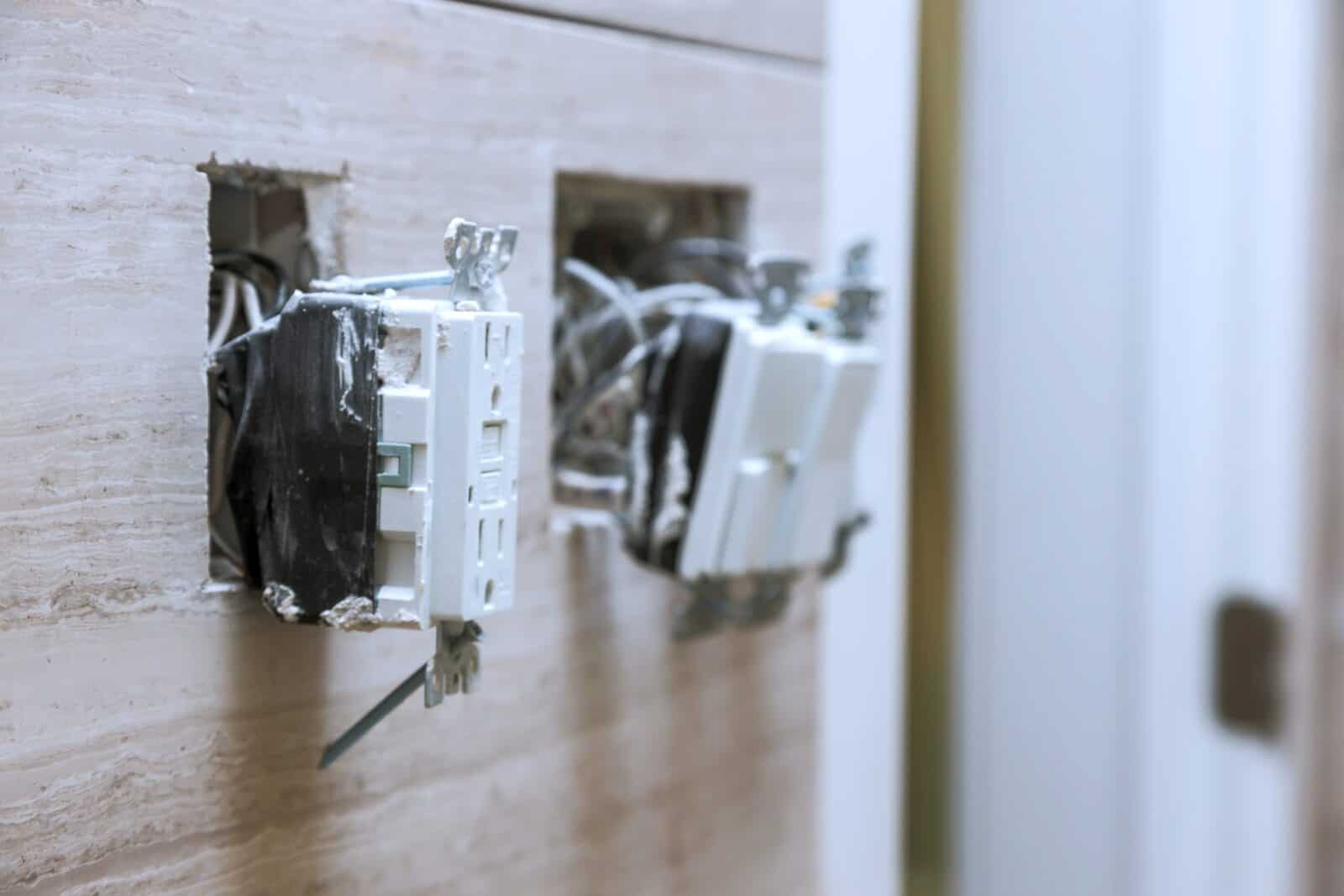
Cable boxes are still sitting under plenty of boomer televisions like little black bricks from the age of channel surfing. Add coaxial splitters, old remotes, antennas, and mystery cords, and you have a full museum exhibit called “Before Everyone Had Seven Streaming Apps and Still Nothing to Watch.”
The numbers show why younger generations rarely build their homes around cable hardware anymore. Nielsen found that broadcast accounted for 20.1% of TV usage and cable for 24.1% in May 2025, while streaming alone reached 44.8%, edging past the two traditional categories combined.
That does not mean cable is dead, especially for boomers who like live news, sports, weather, and the comfort of a channel guide. But to many younger viewers, a cable box feels expensive, fixed, and strangely bossy. They want a TV that follows them from room to room, phone to laptop, apartment to apartment. Boomers kept the box because it brought the world into the den. Younger generations ask why the world needs a box at all.
Paper Manuals, Appliance Binders, Instructions
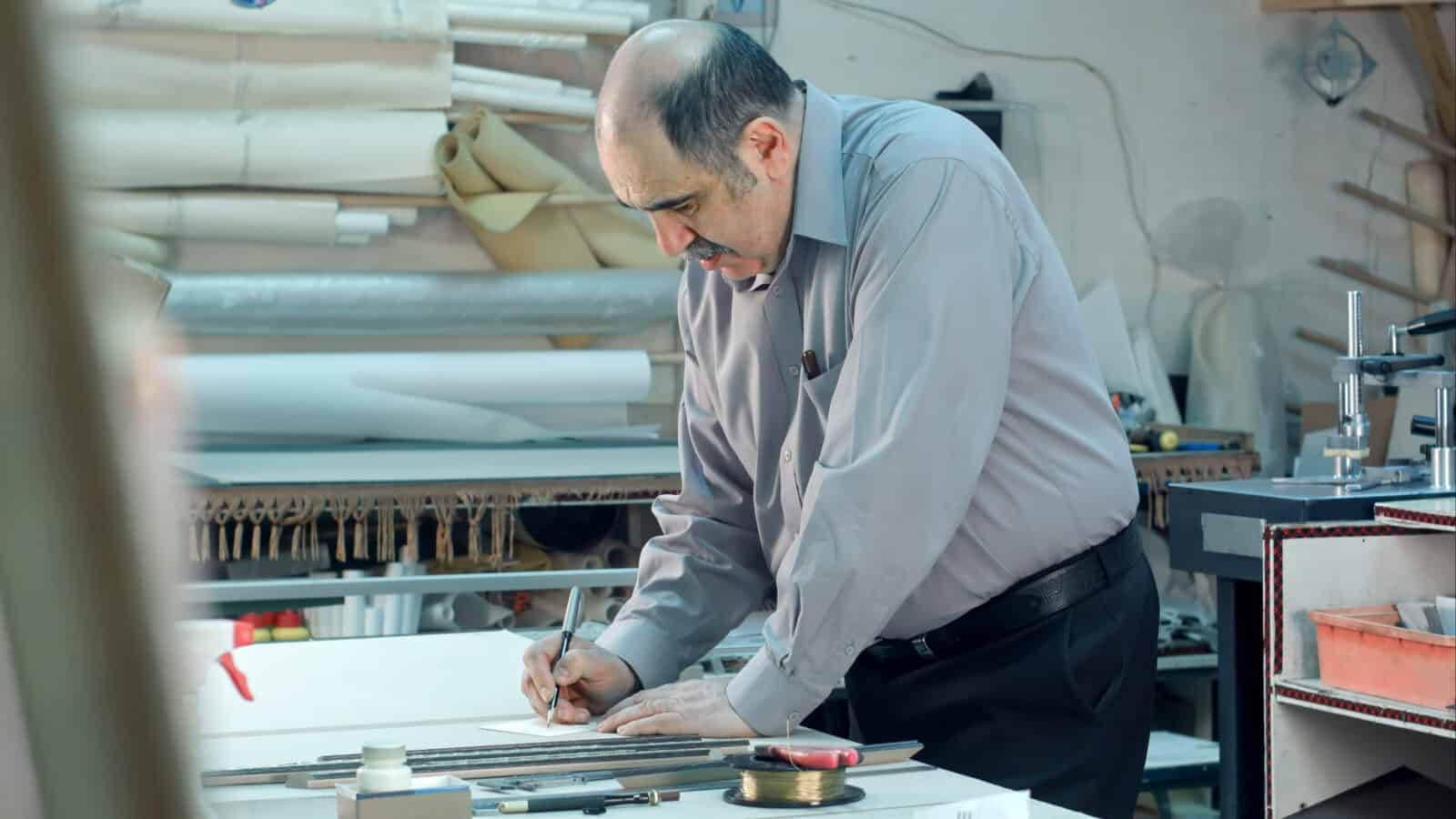
Many boomer homes have at least one drawer or binder stuffed with instruction manuals for appliances, ceiling fans, remotes, warranties, clocks, coffee makers, and possibly a microwave that left the house 12 years ago.
Younger adults often find this baffling because they assume the manual is available online, usually as a PDF hidden behind a model number and three annoying pop-ups. Pew’s 2025 data found that 16% of U.S. adults are smartphone-only internet users, underscoring how much information now flows through a handheld search box rather than a file folder.
AARP also found that 71% of adults 50 and older bought technology in 2025, up from 67% in 2024, with smartphones and accessories among the top purchases, so older adults are not frozen in the analog past. They often blend old and new systems. The binder survives because paper once meant proof, warranty, and control. A QR code may be faster, but it does not feel as solid as a manual tucked behind the toaster paperwork.
Decorative Doilies, Table Runners, and “Just for Show” Decor
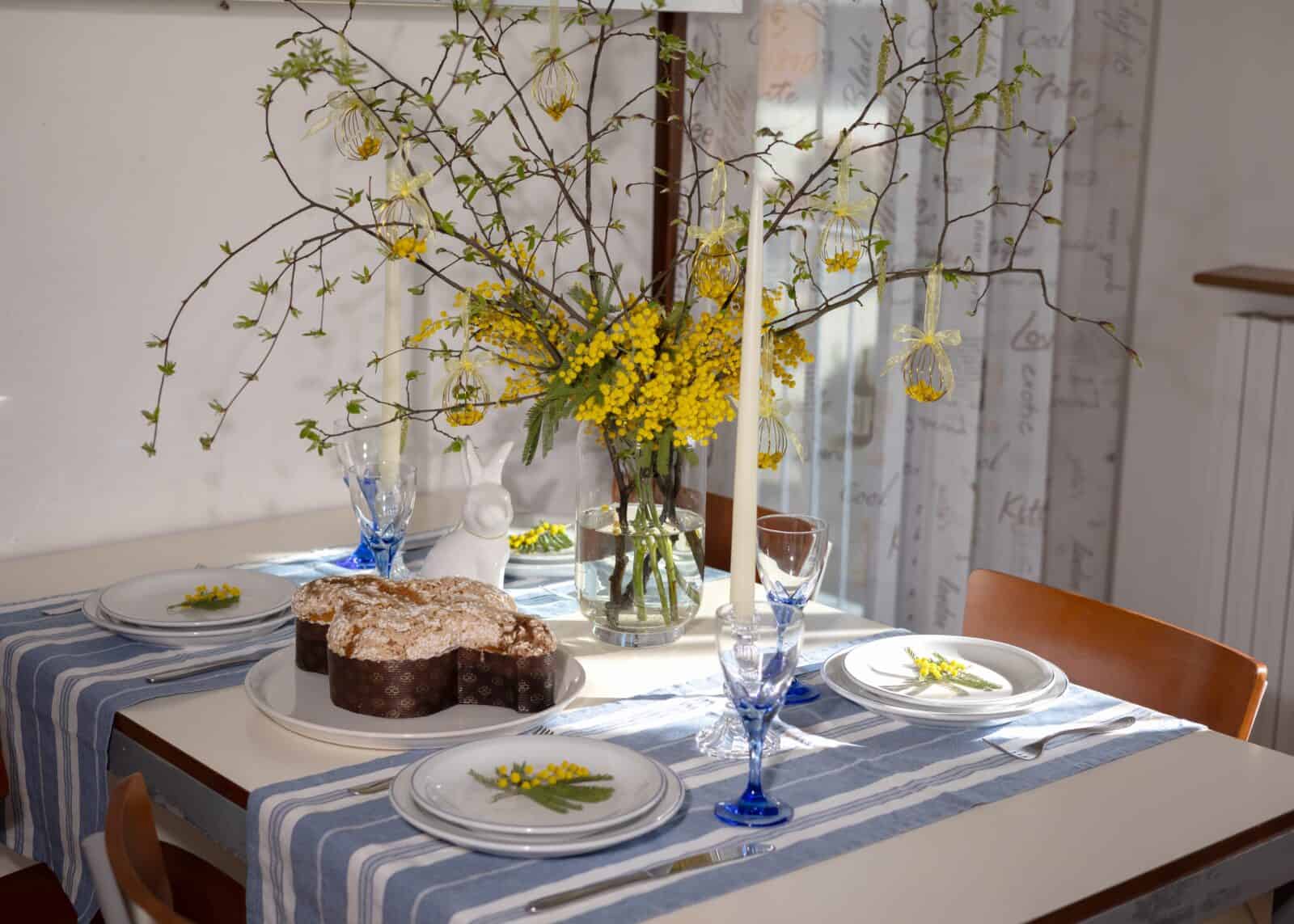
Doilies, table runners, figurines, decorative plates, and “don’t sit there” living rooms tell a story about home as presentation. Many boomers inherited the idea that a cared-for house should look ready for guests, even if the guests were hypothetical and the lace had to be moved every time someone set down a glass.
Younger generations, especially renters, often prefer fewer things to dust, fewer surfaces to clean, and rooms designed for everyday life. Harvard’s Joint Center for Housing Studies reported that 22.6 million renter households were cost-burdened in 2023, spending at least 30% of income on housing and utilities, which helps explain why younger adults treat square footage like gold.
If your dining table is also your desk, mail station, craft zone, and dinner spot, “just for show” decor starts feeling like unpaid labor. Joseph Ferrari, a DePaul University psychology professor who studies clutter, put the deeper issue well: “It isn’t abundance that’s the problem as much as attachment to abundance.”
Dedicated Home Offices Full of Paper Files

The classic boomer home office has a particular smell: printer paper, old folders, tax files, ink cartridges, and a desktop computer that hums like it has secrets. There may be a filing cabinet with bank statements, insurance papers, warranties, mortgage documents, appliance receipts, medical folders, and labeled envelopes that could survive a courtroom drama.
Younger adults do not always have the room or patience for that setup. Pew found that 91% of U.S. adults own smartphones, and AARP reported that adults 50 and older spent an average of $756 on technology in 2025, which shows both generations are using digital tools, just with different levels of trust and backup.
For younger workers, a “home office” might be a laptop at the kitchen table and cloud storage with a questionable password. For boomers, paper still feels official. It has weight. It can be pointed to, handed over, and filed away. The generational divide here is not paper versus progress. It is proof versus convenience.
VCRs, DVD Players, and Old Media Formats
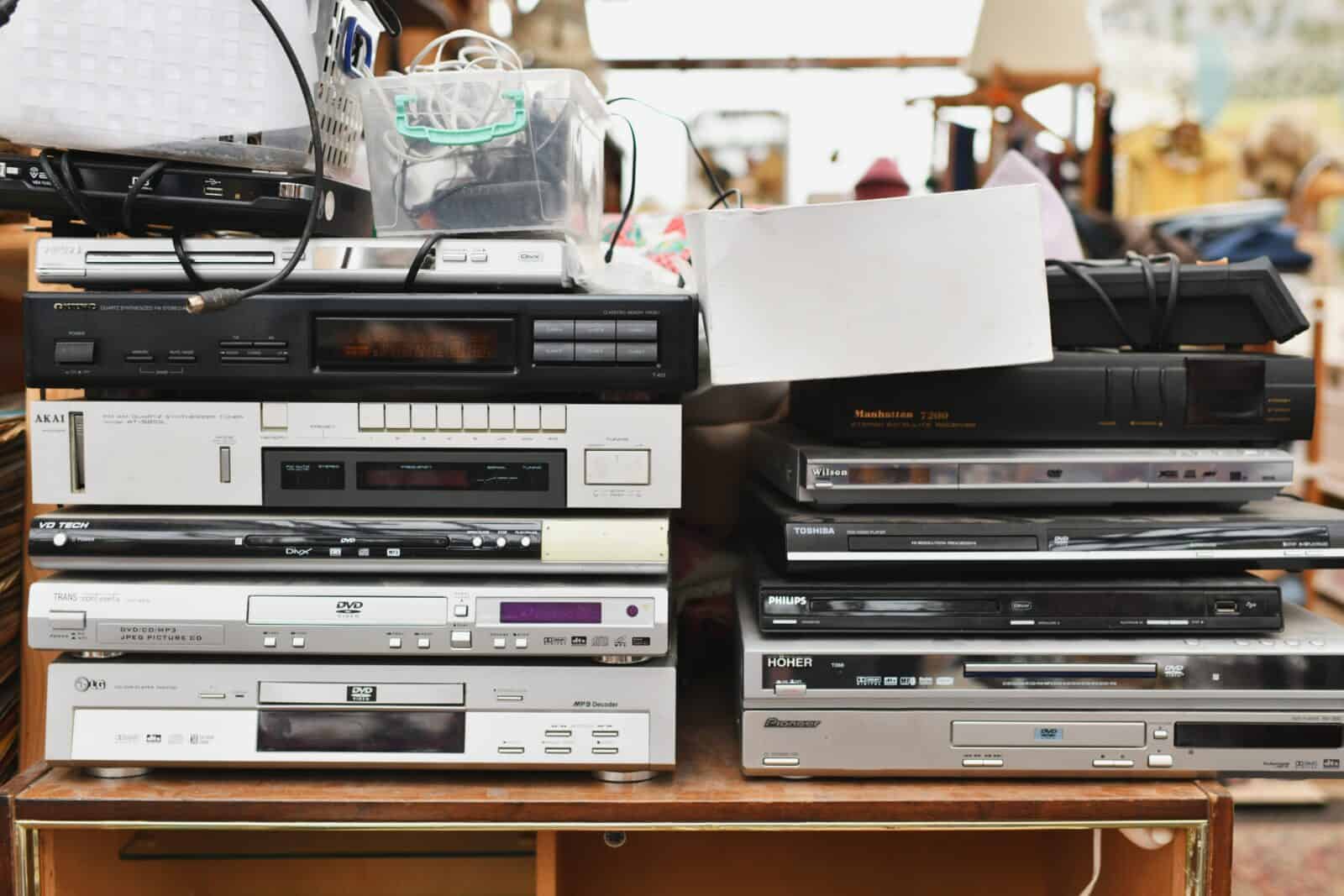
VCRs, DVD players, CD binders, cassette tapes, and boxes of home movies are the emotional landmines of boomer storage.
Younger people may not own a device that can play half of their media, but boomers often see more than just outdated media. They see weddings, graduations, school concerts, recorded games, old sitcoms, and the kind of family history that does not feel safe inside a streaming subscription.
Nielsen’s 2025 report explains why those machines now feel so strange in many younger homes: streaming usage rose 71% from May 2021 to May 2025, while cable viewing was down 39% and broadcast viewing was down 21%.
That is a giant shift in only four years. Still, physical media has one stubborn advantage: it cannot vanish because a platform lost licensing rights. A DVD shelf may look clunky next to a smart TV, but it also says, “I own this memory.” Younger generations stream the moment. Boomers often kept the proof.
Linen Closets Stuffed With Sheets and Towels
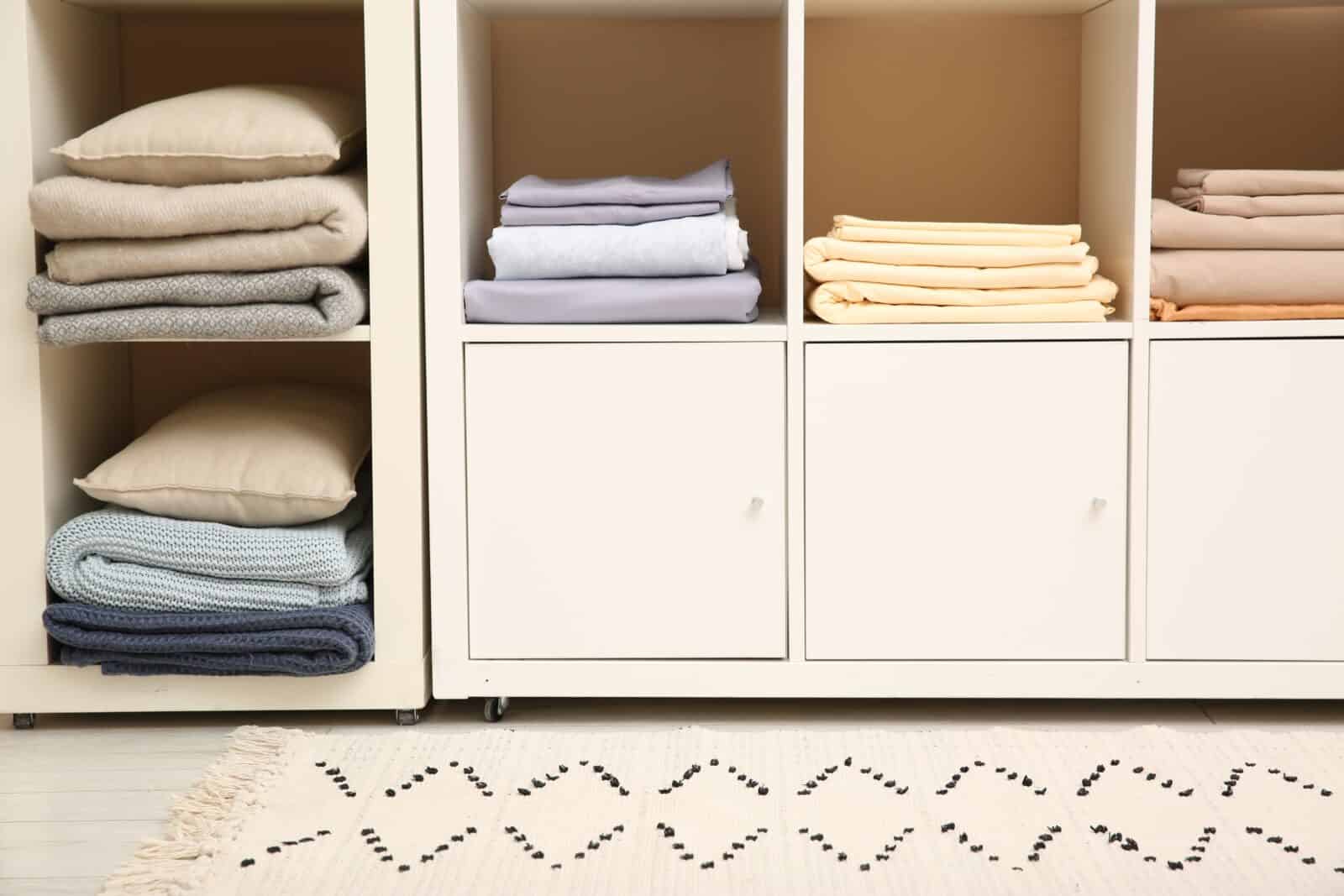
A boomer linen closet can feel like a soft, folded bunker. Sheets for every bed size, towels for guests who may never arrive, tablecloths for holidays, blankets for cold snaps, pillowcases from sets nobody can identify, and one mysterious beach towel that has survived three family eras.
Younger generations often keep less because they have less storage, move more, and live in homes where every shelf has to earn its rent. The housing mismatch is real: Redfin reported in 2026 that empty-nest baby boomers own 28% of U.S. homes with three or more bedrooms, while millennial families own 16%, and USAFacts reported that about 65.2% of U.S. households owned homes in 2025, while the rest rented.
That gap helps explain the linen divide. Boomers had closets for preparedness. Younger adults have bins under beds. The towels may look excessive, but the instinct behind them is tender: someone might come home, stay over, spill something, get sick, need comfort. In boomer language, storage often means love with a shelf label.
A Short Reflective Close

It is easy to laugh at the phone books, the china cabinet, the cable box, and the linen closet that looks ready to host a small inn. But those objects are not random.
They come from a world where preparedness meant paper, ownership meant furniture, entertainment meant equipment, and hospitality meant having extras. Younger generations did not simply become less sentimental. They grew up with smartphones, streaming, housing pressure, higher rents, cloud storage, and lives built around motion instead of display.
Pew’s smartphone data and Nielsen’s streaming milestone show the digital side of that shift, while Urban Institute and Redfin data show the space side. The stuff changed because life changed. And sometimes the old objects sitting in a boomer house are really little monuments to a version of stability younger people are still trying to afford.
Key Takeaways
- Many boomer household staples made sense in a larger-home, paper-based, pre-smartphone world.
- Pew Research Center found that 98% of U.S. adults own a cellphone and 91% own a smartphone, which helps explain why younger generations rarely need landlines, phone books, paper maps, or manual contact systems.
- Nielsen reported that streaming accounted for 44.8% of TV usage in May 2025, surpassing broadcast and cable combined, making cable boxes, DVD shelves, and bulky entertainment centers feel dated to younger viewers.
- Housing pressure matters: The Urban Institute found that millennial homeownership lagged that of earlier generations at the same age, and Redfin reported that empty-nest boomers own far more large homes than millennial families.
- The real divide is not simply old stuff versus new habits. It is preparedness versus portability, storage versus flexibility, and memory versus minimalism.
Disclaimer – This list is solely the author’s opinion based on research and publicly available information. It is not intended to be professional advice.
Like our content? Be sure to follow us