Parents who raise emotionally healthy kids tend to do these 13 things.
You can love your child fiercely and still accidentally teach them habits that make it harder to handle disappointment, anger, anxiety, and conflict.
That’s because raising an emotionally healthy child isn’t simply about providing a loving home or protecting them from difficult feelings. Children also need to learn what to do with those feelings when they inevitably show up.
And much of that education happens without a formal lesson.
Children watch how adults react when they’re angry. They notice whether mistakes are treated as disasters or opportunities to learn. They discover whether sadness is something they can talk about, whether disagreements can happen without relationships falling apart, and whether saying “I’m sorry” is something adults expect only from children.
Research on parenting and emotional development has linked positive parenting practices with stronger emotional regulation in children. But emotionally supportive parenting doesn’t mean eliminating rules, consequences, frustration, or disappointment.
In fact, some of the most important emotional skills children develop come from learning how to navigate difficult moments rather than having those moments removed for them.
From allowing uncomfortable emotions to modeling a genuine apology, here are 13 everyday parenting habits that can help children become more resilient, empathetic, confident, and emotionally equipped for the world they’ll eventually have to navigate without us.
Practicing Consistent Emotional Availability

Emotional availability starts with noticing the child behind the behavior, especially when they are upset, clingy, embarrassed, or acting out. When a mother pauses, listens, and responds with warmth, she teaches the child that emotions are not dangerous or shameful.
The Pubmed explains that steady caregiver attention and empathy help children build emotional regulation and secure attachment. This does not mean dropping everything every second. It means being dependable enough that the child trusts they can come back to a safe emotional place. Over time, that safety lowers anxiety, strengthens confidence, and makes it easier for children to talk honestly instead of hiding what they feel.
Modeling Calm Responses During Stress

Children watch stress more closely than many adults realize. A mother’s tone, facial expression, and reaction during hard moments can become a child’s first lesson in coping. Peace Family Counseling notes that young children absorb the emotional patterns they see from caregivers, especially during conflict or uncertainty. Calm modeling does not mean pretending everything is fine. It means showing that frustration can be handled without yelling, panic, blame, or shutdown.
When children repeatedly see steady responses, they learn how to pause, breathe, and think before reacting. That habit supports resilience, patience, and better self-control in school, friendships, and family life.
Setting Clear and Consistent Boundaries

Clear boundaries help children feel secure because they know what to expect and what behavior is acceptable. According to aspiretoo often stress that children do better when rules are firm, fair, and explained in simple language.
The Society of Care highlights the importance of predictable environments for healthy development, especially when adults provide structure without harshness. A child who understands the reason behind a rule is more likely to build self-discipline than one who simply fears punishment. Consistent boundaries also reduce confusion, power struggles, and emotional outbursts. For mothers, the goal is not control. It is guidance that helps children feel safe enough to grow.
You may want to read: 11 early warning signs your daughter is becoming spoiled
Encouraging Open Expression of Feelings

Children need permission to name their feelings before they can manage them well. When a mother allows a child to say they feel sad, jealous, angry, scared, or disappointed without being mocked or dismissed, she helps build emotional literacy.
The Harvard University connects healthy child development with supportive adult responses that help children understand themselves and others. Open expression does not mean every emotional reaction gets approved. It means the feeling is acknowledged before the behavior is corrected. A child who can talk about emotions often has less need to explode, withdraw, or act out. That skill later supports empathy, confidence, and healthier relationships.
Active Listening During Conversations

Active listening sounds simple, but it can change the emotional temperature of a home. It means putting down the phone, making eye contact, asking gentle follow-up questions, and reflecting what the child seems to be saying. AIU emphasizes the value of strong parent-child communication for children’s confidence, problem-solving, and social development.
When mothers listen without immediately correcting, lecturing, or comparing, children learn that their thoughts matter. This creates trust, especially during the messy middle years when kids may stop sharing if they expect judgment. Active listening also teaches children how to listen to others, handle disagreements, and express themselves with clarity.
Praising Effort Over Outcome

Praising effort helps children connect success with persistence instead of perfection. A mother who says, “You worked hard on that,” sends a healthier message than one who only celebrates winning, grades, or being naturally smart.
Process-focused praise can support motivation and a stronger learning mindset. Children who feel valued for effort become less afraid of mistakes because failure no longer feels like proof that they are not good enough. This habit builds grit, curiosity, and a sense of emotional safety around learning. It also helps children try again after setbacks instead of quitting too early.
Teaching Empathy Through Daily Interactions

Empathy grows through small daily moments, not just big moral lessons. A mother can teach it by naming feelings, apologizing when she makes a mistake, encouraging kindness, and asking children to consider how their actions affect others.
A study on Researchgate notes that empathy plays a key role in children’s social development and prosocial behavior. Children who see empathy at home learn that strength and kindness can exist together. They begin to notice when a sibling feels left out, when a friend needs help, or when words hurt. Over time, those ordinary lessons build compassion, better conflict resolution, and stronger emotional intelligence.
Encouraging Problem-Solving Skills

Emotionally healthy children need chances to think through problems rather than having every difficulty solved for them. Mothers can guide this by asking questions such as, “What happened?,” “What choices are available?,” and “What might happen next?”.
Supportive adult guidance as children develop thinking and coping skills. Problem-solving does not mean leaving children alone with overwhelming situations. It means staying close enough to support them but stepping back enough to let them practice. This builds confidence, patience, and independence. Children learn that problems are not disasters; They are situations they can approach with thought and support.
Limiting Overprotection
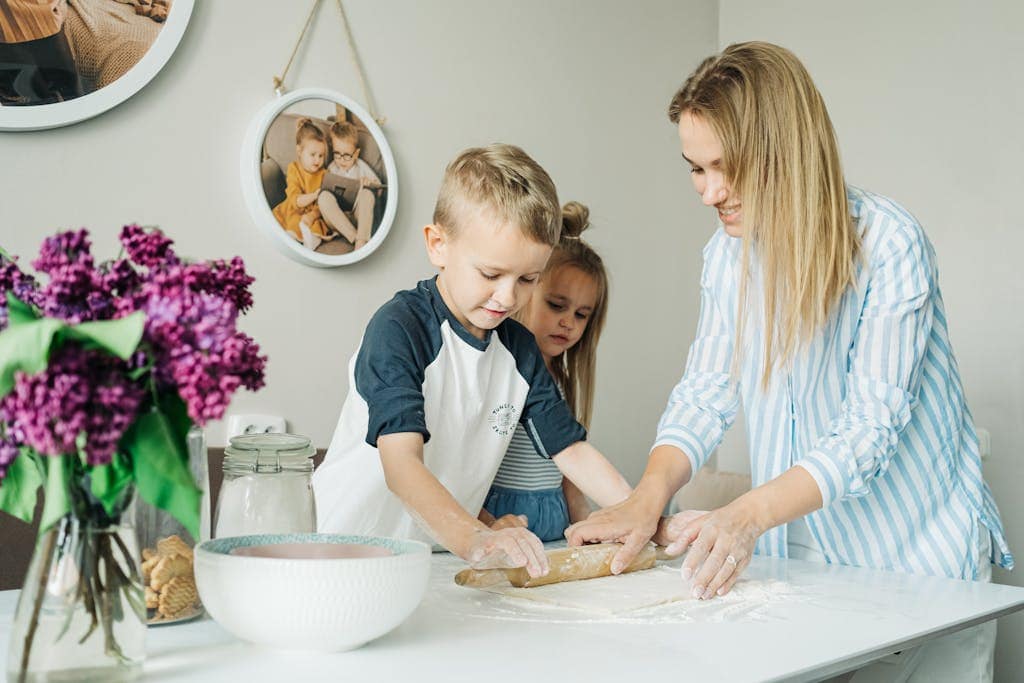
Protection is part of parenting, but overprotection can quietly weaken a child’s confidence. When mothers remove every obstacle, speak for the child too often, or prevent all manageable risks, children may learn to doubt their own ability to cope.
Healthy development includes supportive relationships along with opportunities to build skills through experience. Age-appropriate challenges teach children how to judge risk, recover from disappointment, and solve problems. This could mean letting them order food, handle a minor disagreement, or try a new activity. Safe independence gives children proof that they can handle life beyond a parent’s immediate reach.
Modeling Healthy Coping Mechanisms
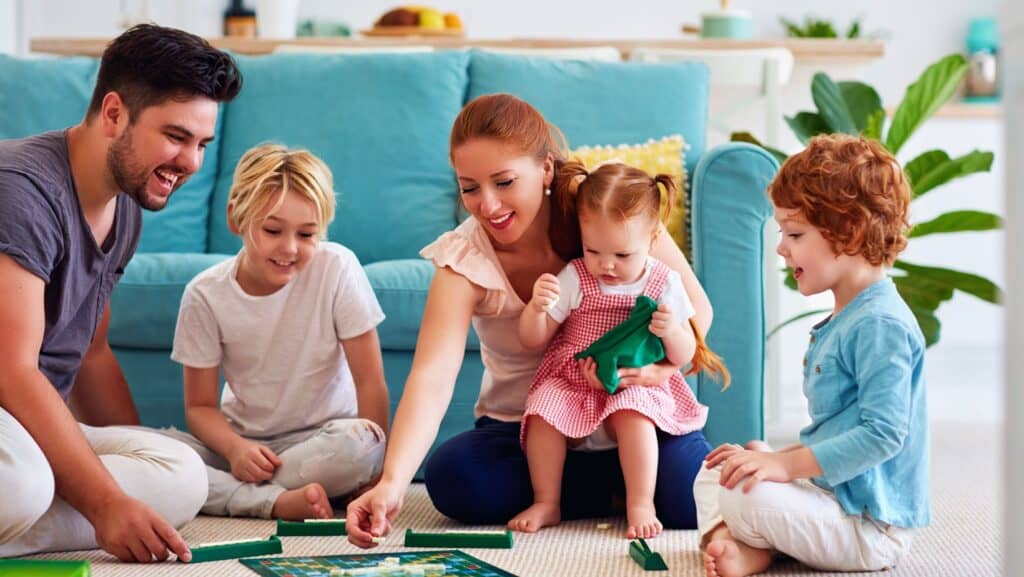
Children learn coping skills less from lectures and more from what they see adults do under pressure. A mother who takes a breath, talks through a problem, rests when overwhelmed, or asks for help models healthy emotional management.
Children benefit when adults demonstrate constructive ways to manage stress and difficult emotions. These habits show children that stress is normal and manageable, not something to hide or fear. Simple coping tools like breathing, walking, journaling, prayer, music, or quiet time can become part of a child’s emotional toolkit. Over time, modeled coping supports resilience and healthier responses to pressure.
You may want to read: 11 gentle bedtime ideas for parents whose kids cannot seem to settle down
Encouraging Social Connection and Friendship
Friendship gives children a real-world classroom for empathy, patience, sharing, boundaries, and repair after conflict. Mothers can support this by encouraging safe play, group activities, family gatherings, clubs, sports, or community involvement.
The APA connects social experiences with empathy and emotional growth, especially when adults help children reflect on how relationships work. Children need practice with taking turns, handling disappointment, joining conversations, and apologizing after mistakes. These social moments can feel small, but they build confidence and emotional flexibility. When children develop healthy friendships, they learn that connection requires care, respect, and communication, not just shared fun.
Practicing Consistent Routines

Routines give children a sense of order in a world that can feel big and unpredictable. Regular wake times, meals, homework periods, playtime, and bedtime rituals help children know what comes next. Youthfirstinc has linked stable routines with better child well-being, including healthier sleep, behavior, and emotional regulation.
A predictable rhythm does not need to be rigid or perfect. It simply gives children enough structure to feel grounded. Mothers who build routines around care, rest, and connection help reduce daily battles and anxiety. Over time, consistency teaches children time management, responsibility, and trust in the family environment.
Showing Affection and Positive Reinforcement

Affection tells children they are loved in a way words alone cannot always convey. Hugs, warm smiles, gentle encouragement, playful attention, and sincere praise all help strengthen the parent-child bond.
Nurturing relationships is great as a foundation for healthy development and resilience in children. Positive reinforcement also helps children understand which behaviors to repeat, especially when praise is specific and genuine. A mother might notice kindness, patience, courage, honesty, or effort instead of only major achievements. This steady affection builds self-worth from the inside. Children who feel loved and seen often become more secure, empathetic, and emotionally steady as they grow.
Final Thoughts

Raising emotionally healthy children requires consistent habits that combine responsiveness, modeling, and guidance. Mothers do not need to parent perfectly to create a loving and emotionally safe home. What matters most is the daily pattern of listening, setting boundaries, showing affection, encouraging effort, and helping children understand their feelings.
These 13 habits give children a stronger foundation for confidence, empathy, resilience, and healthy relationships. When children feel safe, heard, and guided, they are better prepared to manage stress, solve problems, and connect with others. Thoughtful parenting builds emotional strength that can follow children well into adulthood.