8 ideal places to live in the U.S. during a societal collapse
In a crisis, access to water, food, and community matters far more than population size or property values.
Let’s cut straight to it: talking about societal collapse might sound dramatic, but prepping mentally for instability doesn’t make you crazy; it makes you practical.
In case you’re thinking about climate shocks, food shortages, economic turmoil, or pure hypothetical scenarios (because, y’know, we all ponder the world ending while sipping coffee sometimes), where you live matters.
Experts studying resilience stress the importance of local food production, diversified crops, and improved disaster preparedness as key to weathering major disruptions to the systems we normally take for granted.
So, let’s think smart: what places in the U.S. give you the best shot at sunshine, water, food, community, and security if systems get shaky? Buckle up, this list isn’t just about pretty views or trending survival spots; it’s rooted in the basics humans actually need in crisis.
Pacific Northwest (Parts of Washington & Oregon): Water, Forests, and Food Security

When I think about survival, the first thing that pops into my head is water and lots of it. If society hits rough patches, fresh water is critical for drinking, hygiene, and growing food.
The northwest corner of the U.S., especially areas near the Cascade foothills, boasts abundant rainfall and river systems that keep aquifers recharged. Plenty of survivalist strategies echo this: retreats often emphasize ample water and arable soil above all else.
Here’s why this region makes sense in a societal collapse:
- Consistent water supply: Snowmelt and rain keep rivers flowing, even in dry spells.
- Arable land: Plenty of valleys and fertile soil for gardens and small farming.
- Mild climate: Short winters vs. harsh conditions make it easier to stay productive year‑round.
Ever wondered why so many gardeners and foragers rave about the PNW? I personally spent a summer in Oregon, and the sheer volume of edible wild greens shocked me.
One friend joked that it was like Mother Nature left a cheat sheet out for us. But beyond jokes, having reliable water and fertile ground isn’t negotiable in crises.
That said, not all of Washington and Oregon qualify for inland areas away from major ports, big cities, and seismic hotspots. That way, you get balance: nature’s gifts without extreme risks.
Northern Idaho & Western Montana: Space, Resources, and Isolation
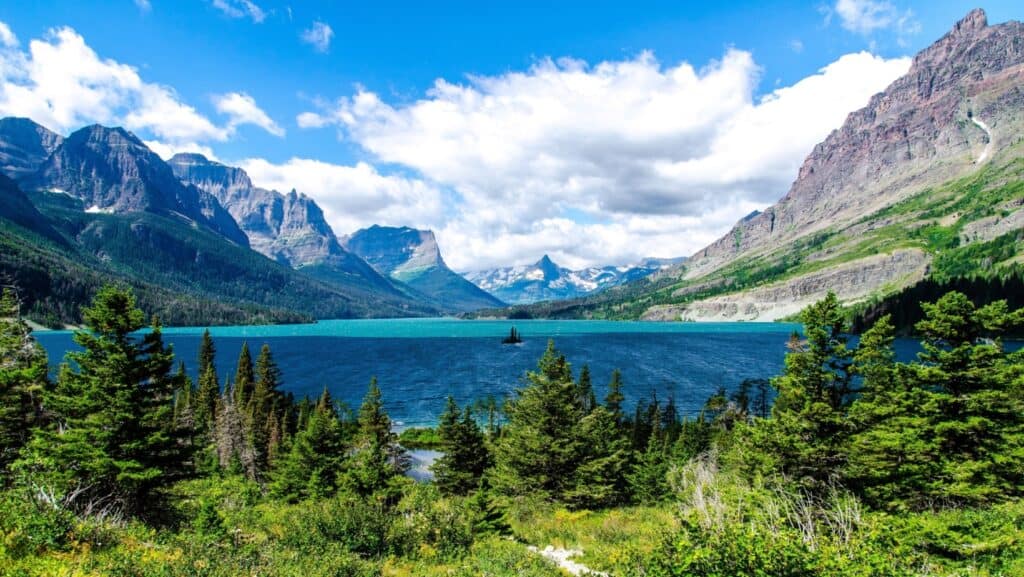
If you asked me for my personal top spot for retreating from chaos, my voice would probably get a little louder on this one. Northern Idaho and Western Montana feel like stepping into a different world, less crowded, with big skies and plenty of breathing room.
But this area isn’t just scenic; it ticks survival‑friendly boxes. Consider this survivalist wisdom: experts recommend regions far enough from urban centers to avoid mass migrations, looting, or refugee pressure, while still providing access to natural resources and defensible terrain.
Why this region is ideal:
- Low population density: You’re less likely to be surrounded by swarms of people if systems break down.
- Abundant timber: Firewood and building materials are plentiful.
- Natural concealment: Forests make it easier to build sustainable homesteads without being in the open.
IMO, there’s something calming about that kind of space. I once visited a friend’s cabin near Coeur d’Alene, and it felt like the outside world took a long lunch break. Sure, isolation isn’t for everyone. Some folks panic if their Wi‑Fi hiccups for five minutes, but that quiet can turn into stability when chaos hits.
Just remember: isolation gets lonely fast if you’re not prepared socially and emotionally. Community still matters even if it’s a small one.
Southern Appalachians (Western North Carolina & Eastern Tennessee): Resilience and Crops

Imagine a place where lush hills meet Appalachian culture, where folks farm their land and know their neighbors’ names. The Southern Appalachians have history, resilience, and self‑sufficiency woven into their roots, stuff that matters when systems get unpredictable.
One of the biggest things disaster researchers highlight is food system resilience, the capacity of regions to produce, distribute, and access food during crises.
The southern Appalachians, with smaller farms, diversified crops, and strong local markets, fit that description better than many big cities.
Here’s what makes this region practical for hard times:
- Rich soil & microclimates: Allows you to grow a wide range of crops, from potatoes to squash.
- Tradition of self‑reliance: Residents often have skills in gardening and livestock care that matter when stores are empty.
- Close‑knit communities: Better chance of cooperation and shared resources.
I’ll never forget walking into an Appalachian farmers market and seeing old‑school muscle meet modern sustainability: goats, garden seeds, homemade preserves, and genuinely kind neighbors trading tips. It felt like an antidote to supermarket shortages.
Ask yourself: would you rather rely on a conveyor belt of global food systems, or neighbors with shared gardens and strong bonds when prices spike, and supply lines falter?
Ozark Highlands (Arkansas/Missouri): Affordable Land with Water and Woods
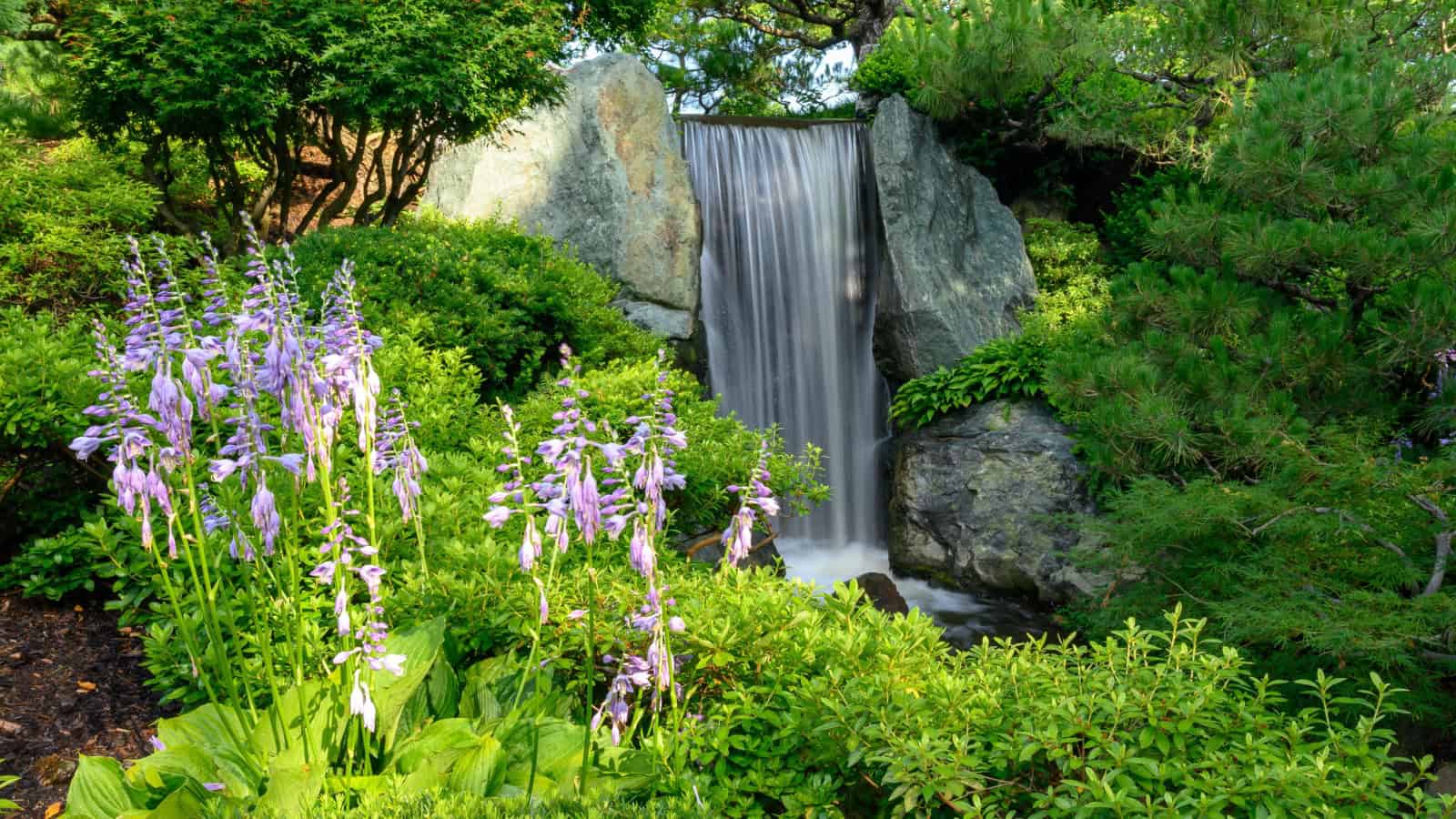
Okay, this might be the sleeper pick on the list. The Ozark Highlands don’t get Instagram fame like the Rockies or Pacific Northwest, but they deserve a shoutout, especially if you’re serious about being practical during tough times.
Survival planners often warn that overthinking beauty and underestimating logistics is a recipe for disaster. The Ozarks aren’t glamorous, but they’re functional and strategically sensible:
- Abundant springs and rivers: Excellent for drinking water and irrigation.
- Plenty of forests: Firewood and building materials are readily available.
- Affordable land: You can buy acres for relatively cheap compared to coastal states.
And since this region isn’t a typical “prepper hot spot,” you avoid the problem of being surrounded by folks with big ideas and no real plan. 😄
Honestly, one of my best friends grew up near the Ozarks, and every time I visit, I’m struck by how effortlessly nature feeds you if you know how to work with it. You don’t need fancy infrastructure, just knowledge, land, and good boots.
If I had a motto for this region, it would be: practical survival > viral aesthetic.
Northern Minnesota & Upper Great Lakes: Cold, But Self‑Sustaining
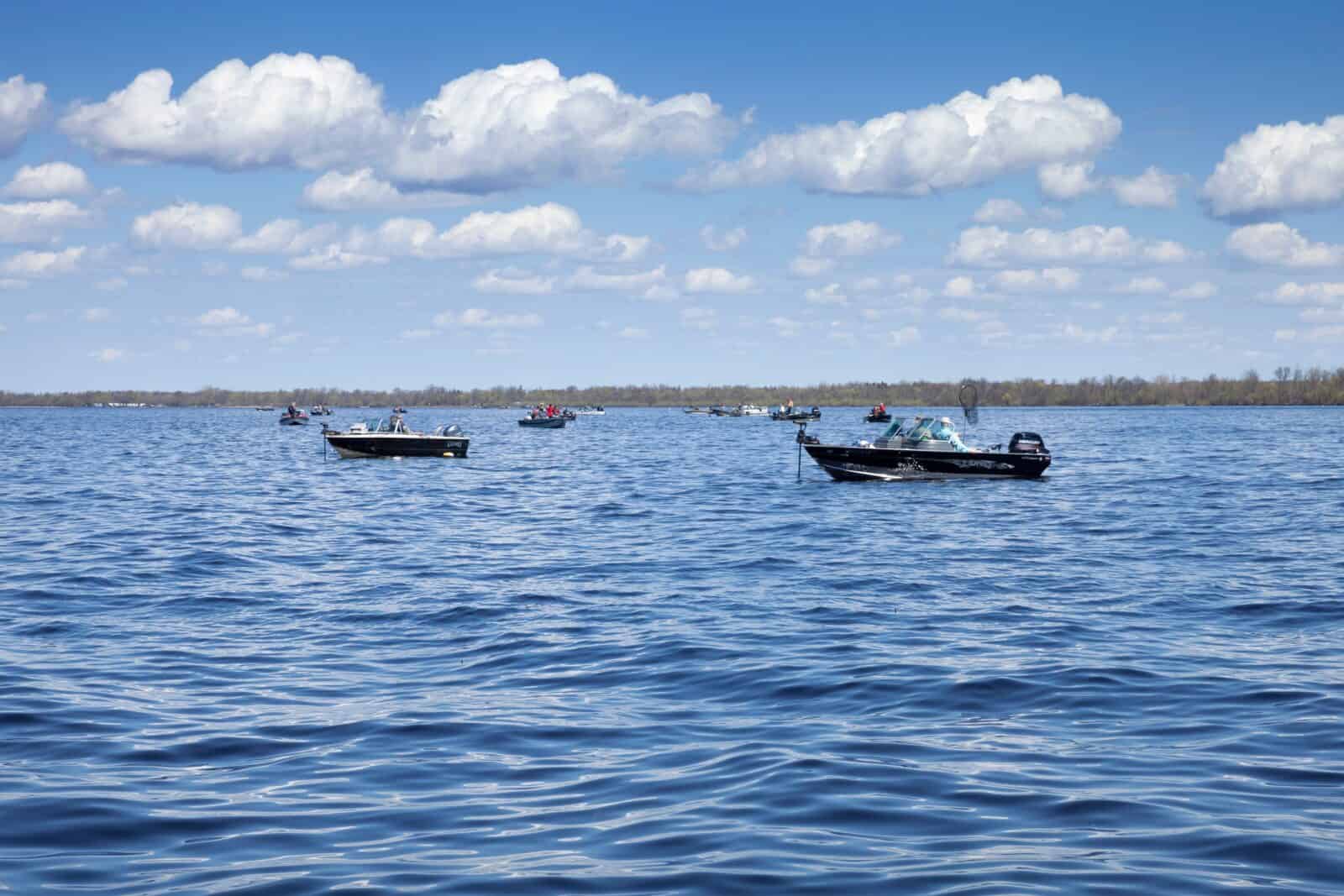
Hear me out before you skip this section because of the snow. Cold weather doesn’t mean collapse doom; it means a lower insect disease load, fewer migratory crowds, and stronger winter survival instincts.
The northern reaches of Minnesota and the Upper Great Lakes region offer a weirdly robust foundation for survival.
Here’s the deal: disaster planning research highlights that prepared communities with redundant resources, strong social networks, and diverse food access systems cope better in crises.
Some places in northern Minnesota and around Lake Superior check boxes that most survival guides overlook.
Survival perks of this region:
- Big freshwater supply: One of the world’s largest freshwater lakes, plus rivers and groundwater.
- Long winters: If you can master winter survival, you’re set up for general resilience.
- Hunting and foraging: Tons of wild game and edible plants when seasons allow.
Now, IMO, winters aren’t for everyone. I once spent a December in Duluth and nearly wore out two layers of socks just trying to think, but if you’re the type who thinks cold is just a state of mind, this area rewards effort with strategic advantage.
Ever wonder why thrillers set part of their story near Lake Superior? It’s because that kind of environment forces adaptation, exactly what matters when societal systems get shaky.
Central Texas Hill Country: Mild Weather and Community Agriculture

If you’re looking for a bit of warmth without extreme humidity, Central Texas’s Hill Country might surprise you.
This area has a bit of everything survival planners like: farmland, community, water sources, and proximity to useful skills without being smack dab in overpopulated cities.
Don’t get me wrong, Texas isn’t perfect. Hot summers can challenge water management. But what Hill Country has going for it is:
- Small farming communities: Lots of folks with livestock and crop experience.
- Cattle grazing land: Beef and dairy can be lifesavers in self‑sufficient scenarios.
- Winters that don’t crush morale: You can grow cool‑weather crops nearly year‑round.
This region earns bonus points because local social networks matter in a crisis. Communities that already cooperate on markets, bartering, and shared resources have a leg up if larger systems buckle.
Research on community disaster preparedness suggests shared resources and trust networks significantly improve readiness and response.
I once took a road trip through the Hill Country, and I swear I saw more goats than SUVs, and honestly, that gave me weird confidence about food production.
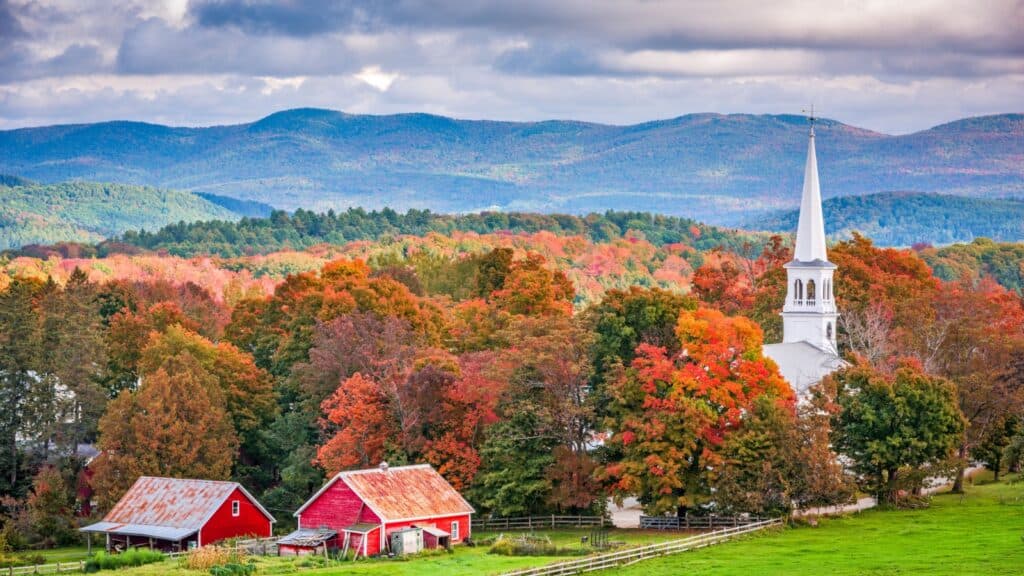
Vermont & Northern New England: Cooperative Culture and Small Farms
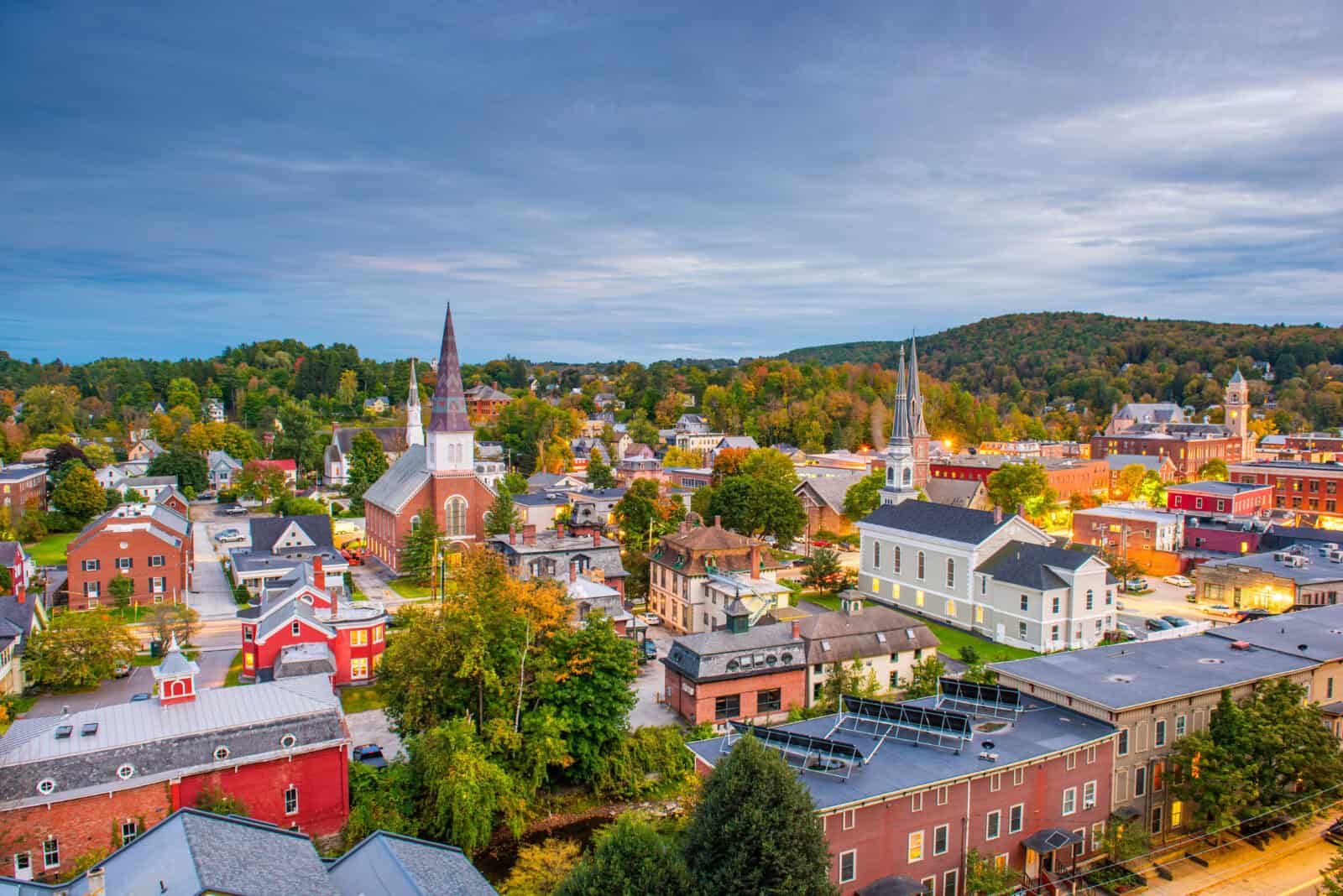
If the idea of cold doesn’t faze you and rural charm feels like a bonus, Vermont and the broader northern New England area deserve serious thought.
These states have deep traditions of cooperative farming, strong local food systems, and communities that have historically managed crop cycles over long winters.
What stands out here, especially to me, is how these places embraced self‑reliance long before it became a “thing” on preppier forums. Farms aren’t ornamental; they’re a way of life.
Why this region could rock during a collapse:
- Strong local agriculture: Community farms and co‑ops keep food in circulation.
- Close communities: People know their neighbors, and that counts big time.
- Forest and field mix: Provides fuel, building materials, and access to wilderness.
I have a cousin who farms near Montpelier, and every time I visit, I go home with homemade cheese, bread, and a weird sense that society’s basic building blocks still work here. People help each other because they always have, not because TikTok told them to.
Appalachia Plateau of Tennessee & Kentucky: Stability Meets Soil

Last but definitely not least, there’s the Appalachia Plateau stretching across Tennessee and Kentucky.
This region blends some of the benefits we’ve already discussed, arable land, farming heritage, and affordable property, with a culture that values grit and community highly.
Here’s what survival planners and resilience researchers highlight again and again: food system resilience and local production capacity are core to weathering shocks to global supply chains. The Plateau area has both soil quality and a history of self‑sufficient lifestyles.
Why it’s worth considering:
- Good farmland: Great for growing staples and raising livestock.
- Lower cost of living: You can stretch resources further.
- People who keep skills alive: Mechanics, woodworking, farming skills matter in a crisis.
I remember visiting the Plateau one summer and meeting folks who remembered how to do things most city kids forget, canning food, fixing tractors, milking goats. It felt like watching history be useful again, not just nostalgia.
Final Thoughts: No Place Is Perfect, But Some Are Practical
So, there you have it: 8 places in the U.S. that make sense if you’re thinking about robustness during societal collapse.
Now, before someone messages me like “OMG you’re saying the world is ending?!”, let me be clear: I’m not predicting an apocalypse, I’m talking practical resilience, resource access, and thoughtful human planning.
We all saw, with the recent global disruptions, just how fragile supply chains, food systems, and services can be. Being rooted in a place with water, fertile soil, space, and community cooperation doesn’t just make sense for total collapse; it’s wise for everyday life, too.
Here’s the bottom line: resilience isn’t about hiding from the world; it’s about living intelligently within it. If you pick a place with resources, skills, community, and a culture of cooperation, you don’t need a bunker; you need roots.
So, where would you move first if the world took a weird turn tomorrow?
More articles you might like:
- 12 Travel Mistakes American Women Make In Europe
- Don’t Fall Prey To These 10 Travel Scams This Summer
- How To Travel With Your Dog: Planes, Trains, Automobiles – And Boats!