12 ways wealthy women are redesigning homes for safety and privacy
The front door is no longer just a front door. For many wealthy American women, the home has become a softer kind of fortress, with polished marble, warm lighting, hidden cameras, private corridors, and entry points that quietly decide who gets close.
Data from PR Newswire indicates that 54% of U.S. internet households experience a data privacy or security issue over a 12-month period. That mood is changing luxury design fast. The goal is no longer to look guarded. The goal is to feel relaxed, elegant, and unreachable on demand.
AI security gets quieter

Elite residential protection is shedding its loud, intrusive past. Wealthy women increasingly demand formidable defense systems that drop the constant false alarms, heavy cabling, and lenses tracking their every private movement. To meet this standard, modern developers now blend radar and environmental sensors with localized machine processing.
This shift keeps bedrooms, personal gym spaces, and bathrooms entirely off the cloud while actively analyzing human patterns. The software instantly flags anomalies or unfamiliar faces without transforming a sanctuary into a vulgar livestream. The outcome feels dignified, invisible, and absolute.
Hidden entrances feel more natural

Wealthy women are turning entrances into calm “wellness foyers” that quietly screen people before they reach the heart of the home. These spaces may look like mudrooms, package rooms, garden entries, or pretty vestibules, but they work like access filters.
Research from PetaPixel indicates that nearly 39% of U.S. households now utilize video doorbells for property monitoring, cementing their status as a standard, widely used smart home security device. In luxury homes, that idea gets dressed up with better lighting, hidden cameras, smart locks, and a separate route for deliveries.
A woman can open the door through an app, speak through a camera, and keep the main hallway private without making the house feel cold.
Homes get privacy rings

High-end houses now operate like layered rings, completely changing how we perceive modern security and comfort. Guests congregate near the public front rooms, while close friends advance into semi-private family spaces. Bedrooms sit protected behind the deepest layer, shielding occupants from unwanted interaction.
This meticulous layout utilizes separate hallways, back stairs, secure garage entries, and private routes for family members. For women who host, travel, manage staff, or raise children, the estate feels significantly safer because every zone enforces a clear boundary. Yet, these architectural fortresses hold a darker, hidden secret.
Safe suites replace panic rooms
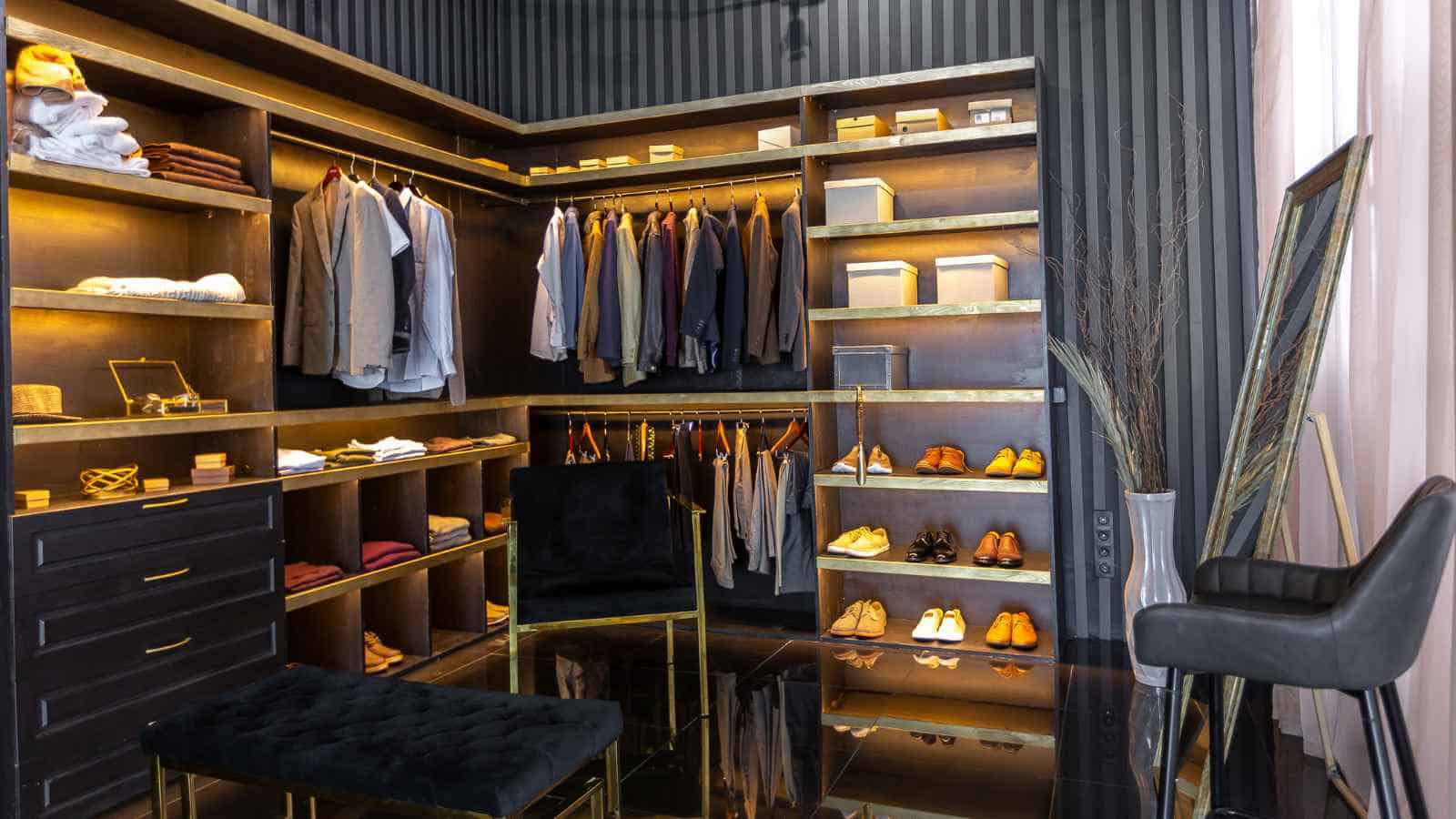
The old panic room used to sound like a bunker behind a fake bookcase. Now wealthy women want safe suites that blend into dressing rooms, offices, closets, and private lounges. The CDC National Intimate Partner and Sexual Violence survey shows approximately 22.5%of women in the U.S. experience stalking, which helps explain why quick shelter matters inside the home.
These rooms often include reinforced doors, independent communication, backup power, secure storage, and a discreet path to help. The best versions feel calm enough for daily use, so a woman, child, or caregiver can reach safety fast without crossing exposed hallways.
Primary suites turn self-contained
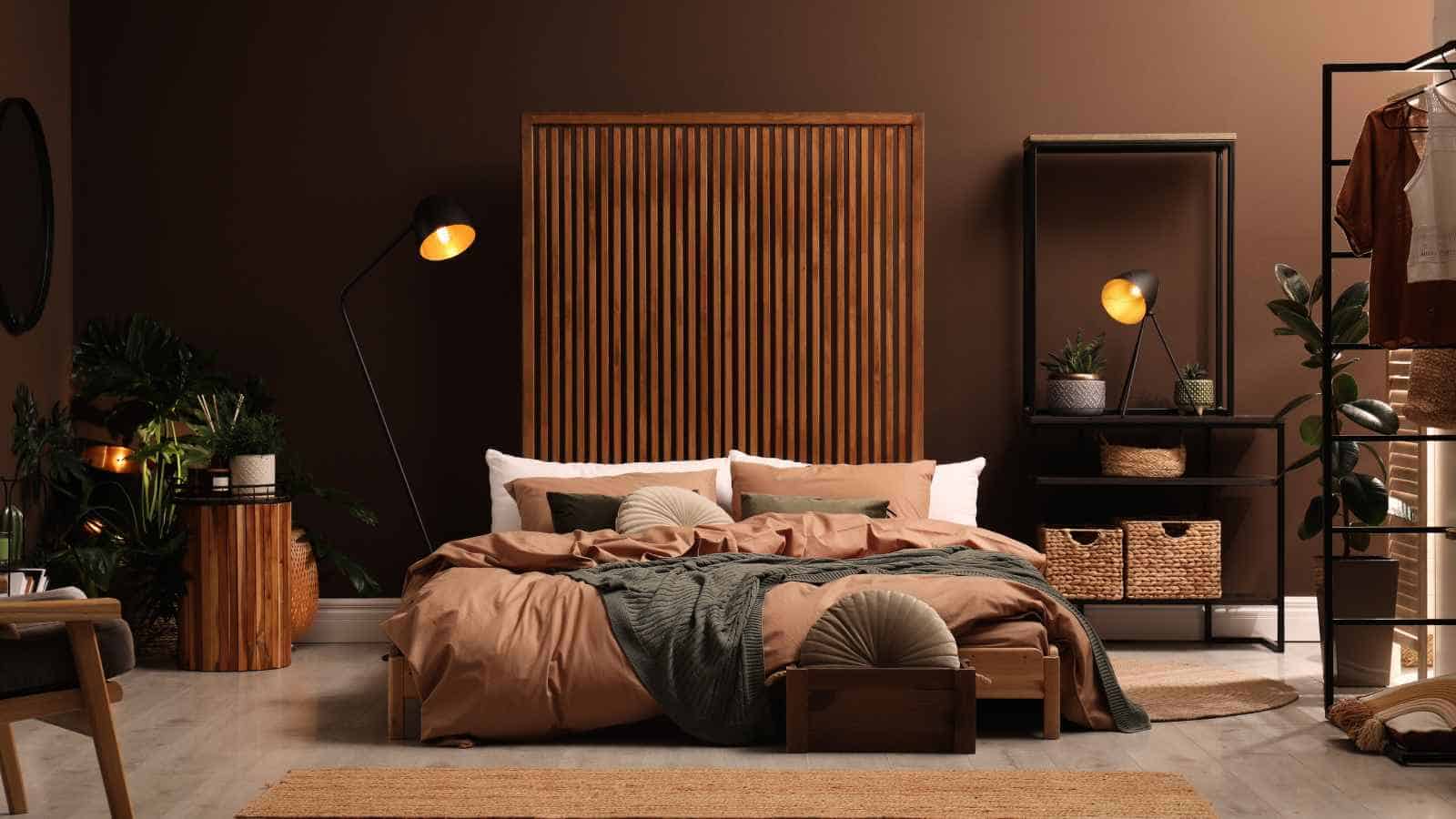
Luxury home design has abandoned the basic bedroom. Today’s elite primary suites operate as exclusive, self-contained sanctuaries hidden within the residence. High-end floor plans integrate sophisticated morning bars, private dressing salons, soundproof workspaces, and reinforced terraces. This shift transforms traditional sleeping quarters into impenetrable personal apartments designed for absolute recovery.
Wealthy homeowners demand complete environmental control to rest, work, or unwind, isolated from household noise, staff, and guests. Security joins comfort as a non-negotiable standard, pushing layout boundaries toward ultimate autonomy. The modern retreat is no longer just a place to sleep; it is a fortress of peace.
Camera-free rooms become luxury
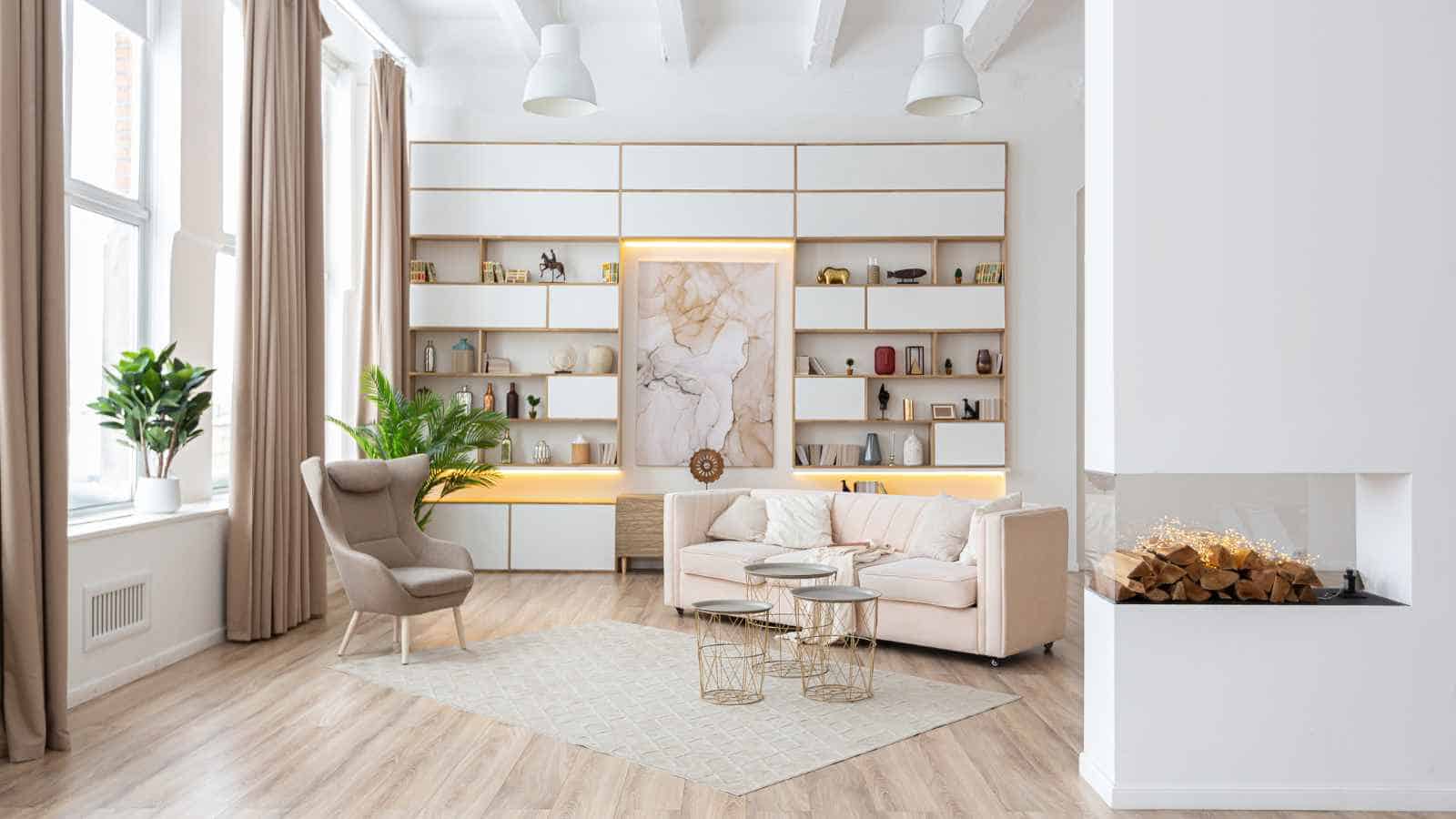
Smart homes can protect people, but they can also make private life feel watched. That is why affluent women are asking designers to create camera-free sanctuary zones in bedrooms, bathrooms, dressing areas, and wellness rooms.
YouGov found in 2026 that 56% of Americans worry that a wearable device will be used by companies to learn things about their lifestyle. That fear now extends to cameras, speakers, sensors, and always-on devices inside the house. The new luxury move is simple: keep strong technology at the perimeter, then let intimate rooms breathe without recording, tracking, or constant alerts.
Smart homes get cleaner

Tech minimalism has officially entered luxury real estate. Affluent homeowners are ditching the chaotic web of mismatched gadgets for sleek, hyper-secure ecosystems. Instead of balancing ten buggy applications, they demand unified platforms handling everything from lighting to security locks.
This shift prioritizes bulletproof Wi-Fi networks, robust encryption passwords, and strict privacy boundaries that shield personal banking or family photographs. By isolating smart devices from private data, these installations offer total control without vulnerability. It is no longer about showing off the flashiest new automation; it is about invisible, seamless protection.
Also on MSN: The 13 places burglars check first in any home
Landscaping becomes soft armor
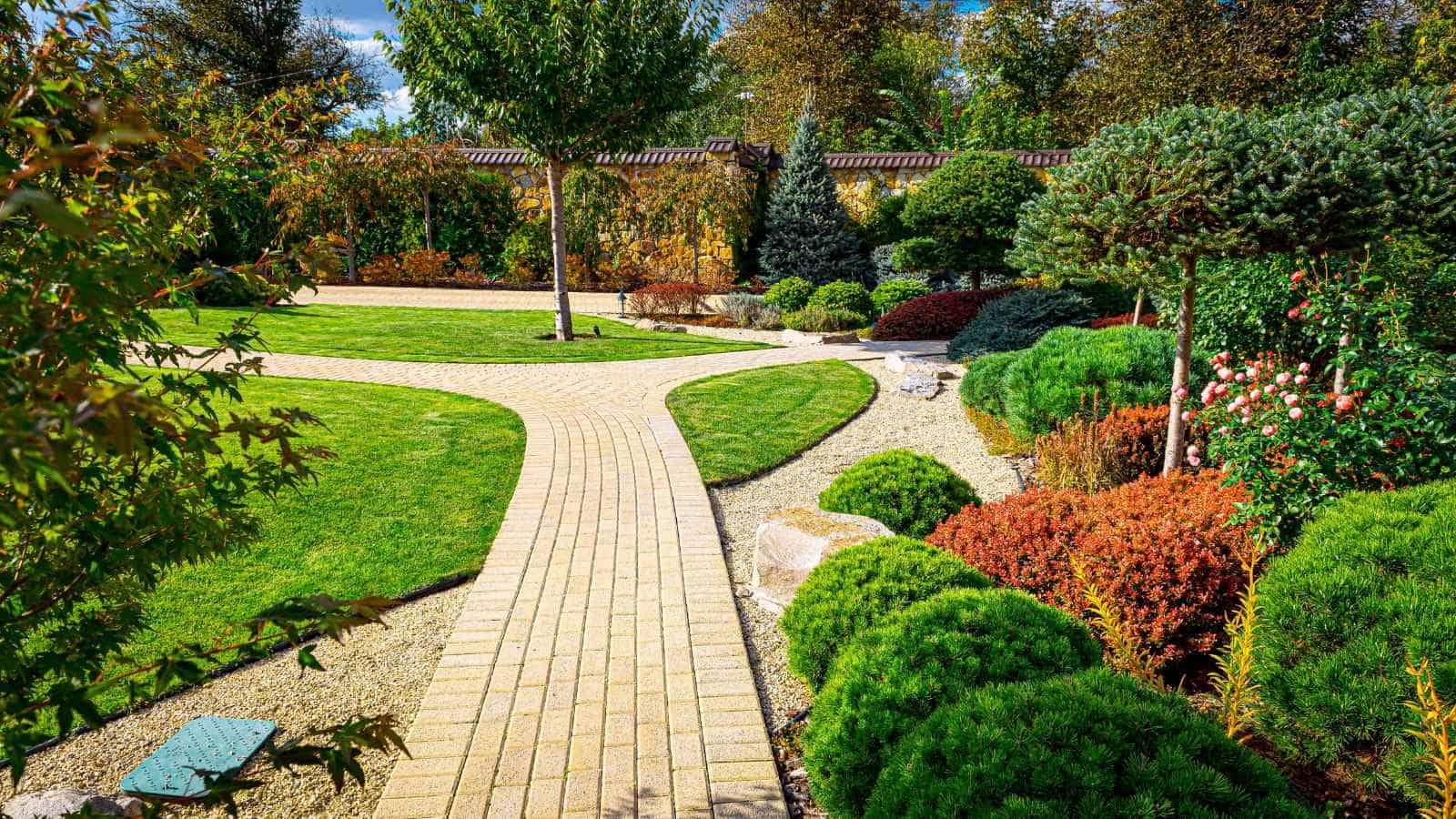
Privacy landscaping has evolved past basic hedges. Wealthy women now use strategically layered trees, dense shrubs, earthen berms, and winding driveways to blind cameras or neighbors. Instead of rigid fences, tall grasses, and screened terraces elegantly block unwanted attention.
A study by Talker Research highlights that 37% of U.S. homeowners want to make their outdoor spaces more private. Modern designs perfect “view out, no view in” layouts around pools, vibrant lawns, and private balconies. These smart gardens act as soft armor, providing shade and beauty while quietly shielding residents from the outside world.
Staff areas protect boundaries
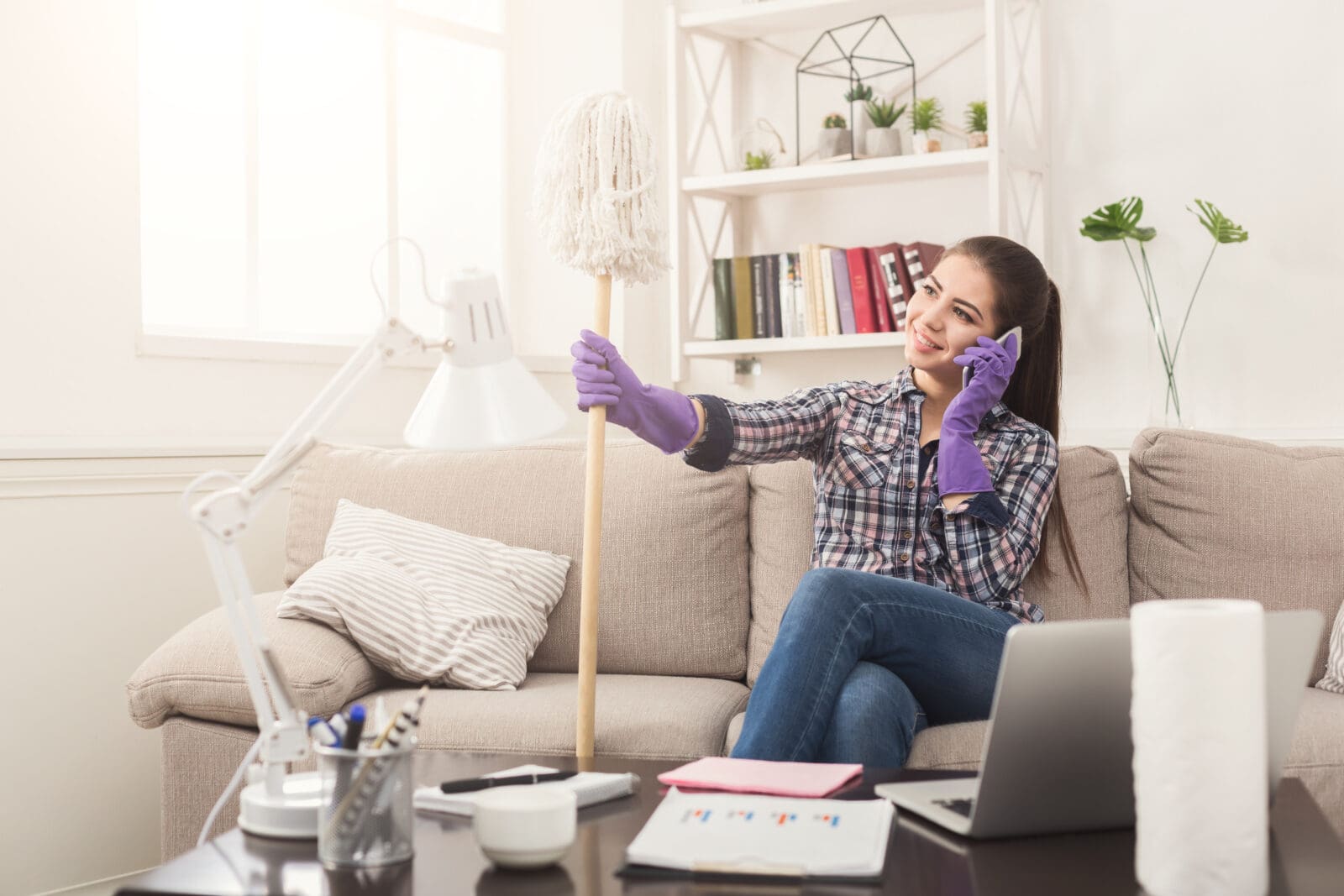
A home is a sanctuary, but running a sprawling estate requires a complex operation behind the scenes. Wealthy women are completely reshaping luxury architecture by demanding distinct staff entries, dedicated service corridors, nanny suites, and discrete back-of-house storage.
These layouts keep daily operations smooth while guarding personal family routines from view. Smart design protects residents while granting employees functional workspaces and explicit boundaries. This strategic separation eliminates awkward crossings, muffled conversations, and uninvited access to private bedrooms or sensitive home offices.
Doors and windows get stronger
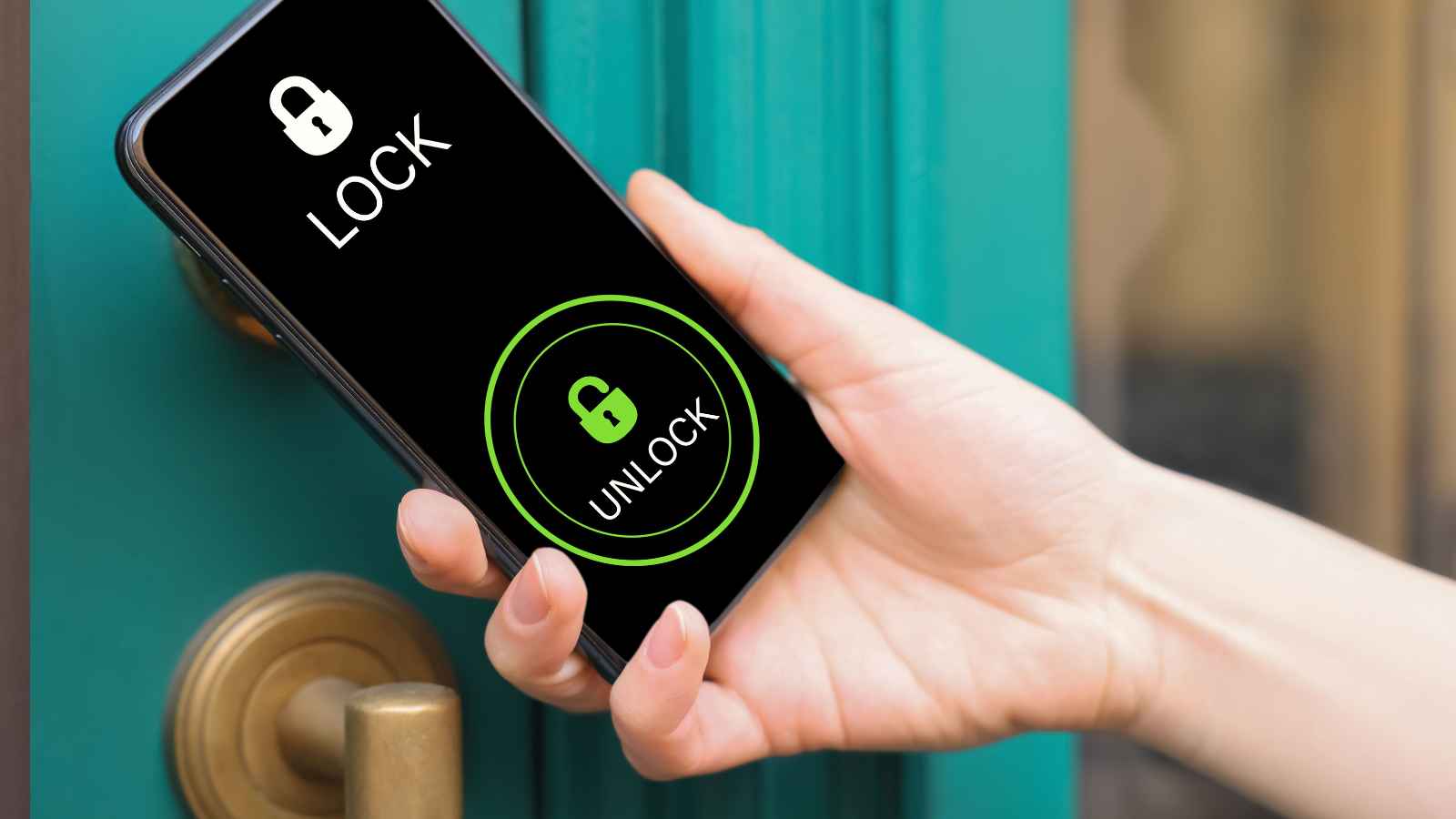
Luxury entries now transcend mere curb appeal. Affluent homeowners demand impact-resistant glass, smart locks, multipoint hardware, reinforced frames, and discreet panic controls masking beneath exquisite finishes. Security data from Tapkey reveals smart locks eliminate the risks of physical keys, which are easily lost, stolen, or duplicated, by substituting them with secure, trackable digital keys.
Imagine managing your entire perimeter directly from bed. Homeowners instantly verify deadbolts, grant temporary contractor access, and fortify dark rooms via a smartphone. True peace of mind blends invisible armor with high design. Homeowners can effortlessly review access logs from bed, send temporary entry codes to contractors, and fortify the entire property instantly via smartphone.
Audits replace guesswork

Audits replace guesswork. Affluent women now hire privacy consultants before buying cameras, locks, or gates. Gadgets alone cannot fix a luxury estate’s hidden vulnerabilities. Elite specialists dissect lighting, landscaping, Wi-Fi security, staff routines, digital footprints, and travel patterns to expose blind spots.
True security requires analyzing a residence like an investment portfolio, adaptively neutralizing risks before they materialize. Wealth attracts evolving threats; a static defense is merely an illusion. When public visibility shifts, yesterday’s fortress becomes tomorrow’s target. The ultimate protection isn’t a thicker door; it is knowing exactly where the invisible cracks are forming.
Data minimalism enters the house

The newest privacy flex does not have the most devices. It is knowing exactly which devices deserve a place in the home. A landmark Pew Research Center study confirmed that exactly 68% of social media users in the U.S. have taken action to adjust their privacy settings in order to reduce their exposure and limit the data collected about them.
Wealthy women are applying that same thinking indoors by limiting microphones, reducing cloud storage, deleting unused apps, and setting device-free rules in private rooms. The home becomes calmer when fewer tools collect schedules, faces, voices, and daily habits. Data minimalism turns privacy into a lifestyle, not a one-time setting.
Key takeaway

Affluence is quietly reshaping modern architecture. Wealthy women are pioneering a subtle revolution, creating sanctuaries that prioritize high-IQ security without sacrificing aesthetic softness. Gone are the days of fortresses; today, safety seamlessly integrates into landscaping, floor plans, digital networks, and domestic paths.
This evolution bypasses paranoia to embrace pure autonomy, ensuring the ultimate layout facilitates entertaining, parenting, working, or completely vanishing from public sight. True luxury means controlling exactly when the world gets to see you. Every corner serves privacy, empowering residents to dictate their boundaries effortlessly.
Disclaimer – This list is solely the author’s opinion based on research and publicly available information. It is not intended to be professional advice.
Like our content? Be sure to follow us.