Everything is more expensive—so why do reports say ‘stable’?
It is frustrating when experts say inflation is “cooling” or “stable,” but your grocery receipt looks like it has developed a personality disorder. The chart says things are improving. The checkout total says, “Absolutely not.” The news says the economy is adjusting. Your rent, utilities, childcare, gas, and food budget says they missed that meeting.
That disconnect does not mean people are imagining the pain. It means official inflation language often measures one thing while households experience another. Inflation data tracks how fast prices are rising, not how high they already are. So even when the rate slows, the damage from earlier price jumps can still sit in your cart, your lease, your pantry, your daycare bill, and your nervous system.
For women, caregivers, single parents, low-wage workers, renters, and anyone managing a household budget, this gap can feel especially insulting. You are not confused. You are living at the price level, not inside the press release.
“Stable inflation” does not mean stable prices
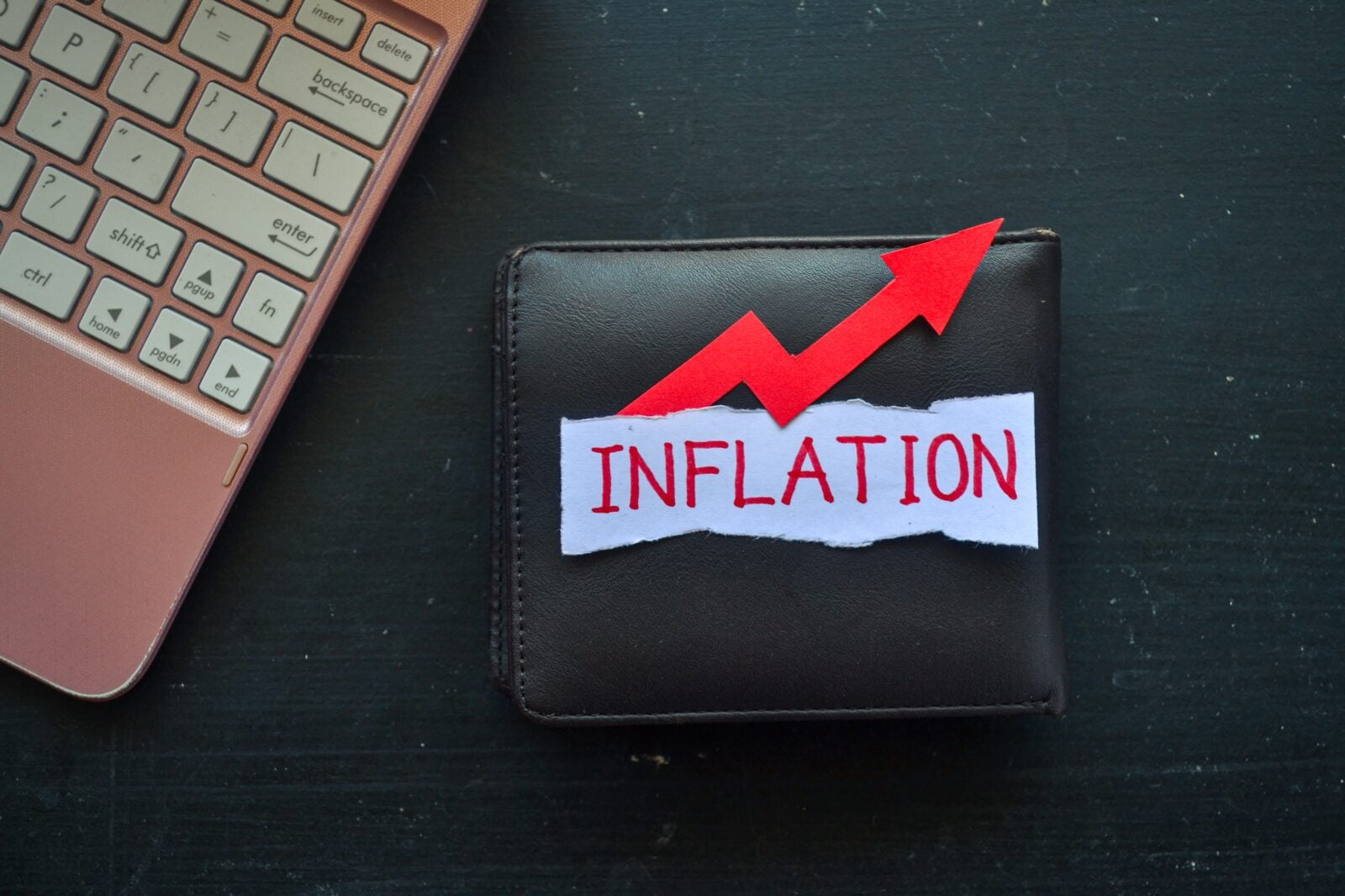
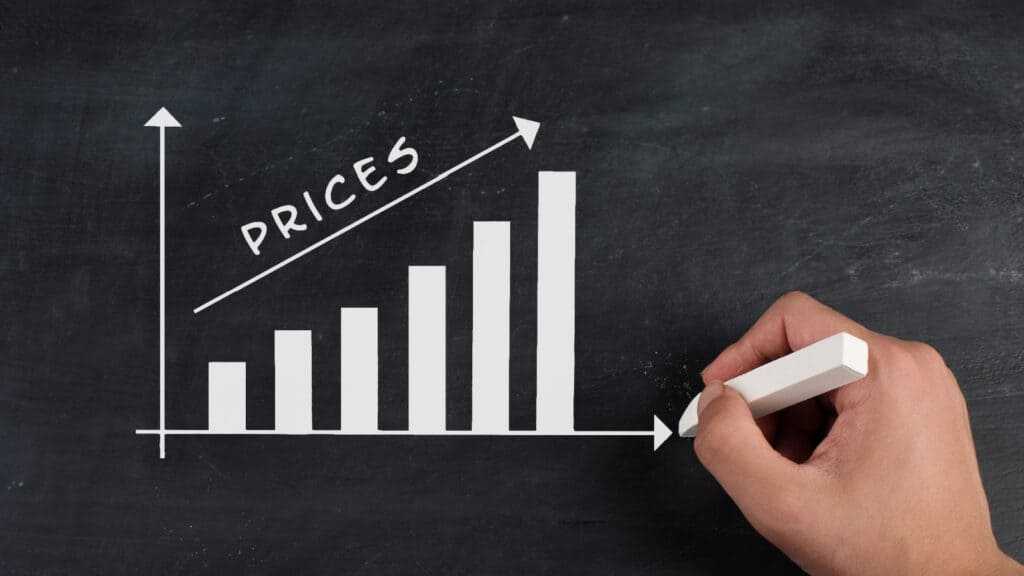
This is the first trick in the language. Inflation measures the rate at which prices rise over time. It does not mean prices are low, fair, affordable, or back where they used to be. If inflation falls from 8% to 3%, prices are still rising. They are just rising more slowly.
The IMF explains inflation as the rate of increase in prices over a period of time. The Bank of Canada puts the difference even more plainly: when inflation slows, the price level itself does not usually fall. That means economists can celebrate slower inflation while households are still paying permanently higher prices. The fire may be burning more slowly, but the room is already hotter.
The pandemic price surge never fully reversed
Prices jumped hard after 2020, and that surge did not politely pack its bags and leave once inflation cooled. Higher grocery bills, rent increases, energy costs, insurance premiums, and service prices stacked on top of each other. Once those increases became part of the baseline, households had to keep living with them.
That is why “inflation is lower now” can feel like a cruel sentence. Lower than what? Lower than the peak, maybe. But not lower than the life people remember before everything got expensive at once. A family does not compare today’s grocery bill only with last month’s inflation chart. They compare it with the old cart that used to cost less and somehow carried more.
Official targets aim for slower increases, not cheaper living
Central banks often target inflation around 2%. That sounds like price stability in policy language, but it does not mean prices stop rising. It means prices rise slowly enough that policymakers believe households and businesses can plan around them.
That distinction matters. From a central bank’s view, bringing inflation down from crisis levels toward the target can look like success. From a household’s view, success would mean milk, rent, childcare, and electricity feeling manageable again. These are not the same thing. Policy success can coexist with household strain because the goal is usually to stop another surge, not undo the one families already absorbed.
Wages did not fully protect people from the shock

A raise does not help much when every bill got there first. During the inflation surge, many workers saw their nominal pay rise, but prices climbed so fast that purchasing power still felt weaker. Even when wages later began catching up in some periods, the damage had already changed how people spent, saved, borrowed, and worried.
The Bureau of Labor Statistics reported that real average hourly earnings fell in April 2026 as prices rose faster than pay that month. USAFacts also reported that from April 2025 to April 2026, average weekly wage growth slightly trailed inflation. That is the lived problem. A person can earn more dollars and still feel poorer if those dollars buy less.
Essentials rose in ways households could not ignore

Headline inflation is an average. Your life is not. Averages can blend cheaper categories with categories you actually need every week, like food, rent, electricity, transportation, and medical care. If something you rarely buy gets cheaper, that does not help much when the things you cannot skip keep climbing.
The Bureau of Labor Statistics reported that in April 2026, overall consumer prices rose 3.8% over the previous year, but energy rose 17.9% and food rose 3.2%. That mix matters because essentials dominate real budgets. A wealthy household may absorb a grocery increase with irritation. A low-income household may absorb it by buying less protein, delaying a bill, or skipping something that used to feel normal.
Shrinkflation makes the pain harder to see

Shrinkflation is the quiet little insult hiding in the package. The price looks familiar, but the bag has fewer chips, the bottle holds less detergent, the roll runs out faster, or the box somehow lost weight without losing confidence.
This matters because official inflation numbers may not fully capture how shoppers feel when value disappears in small, annoying ways. The World Economic Forum describes shrinkflation as reducing product size while keeping the price the same, and skimpflation as reducing quality while keeping the price steady. Either way, the shopper pays more per use, bite, sip, or load. The receipt may look controlled, but the pantry tells the truth.
Skimpflation makes the same price feel worse

Sometimes companies do not shrink the product. They shrink the experience. Fewer staff at the store. Longer customer service waits. Cheaper ingredients. Worse fabric. Slower delivery. Less cleaning at hotels. More self-checkout while prices keep acting expensive.
That is skimpflation, and it can be maddening because it is hard to measure. You know something changed. The product feels thinner. The service feels colder. The brand feels like it quietly moved from premium to budget while keeping premium pricing. This is one reason inflation can feel worse than the numbers.
The official data may track the price, but your body tracks the irritation of paying the same or more for less care, less quality, and less help.
Prices are sticky once they climb
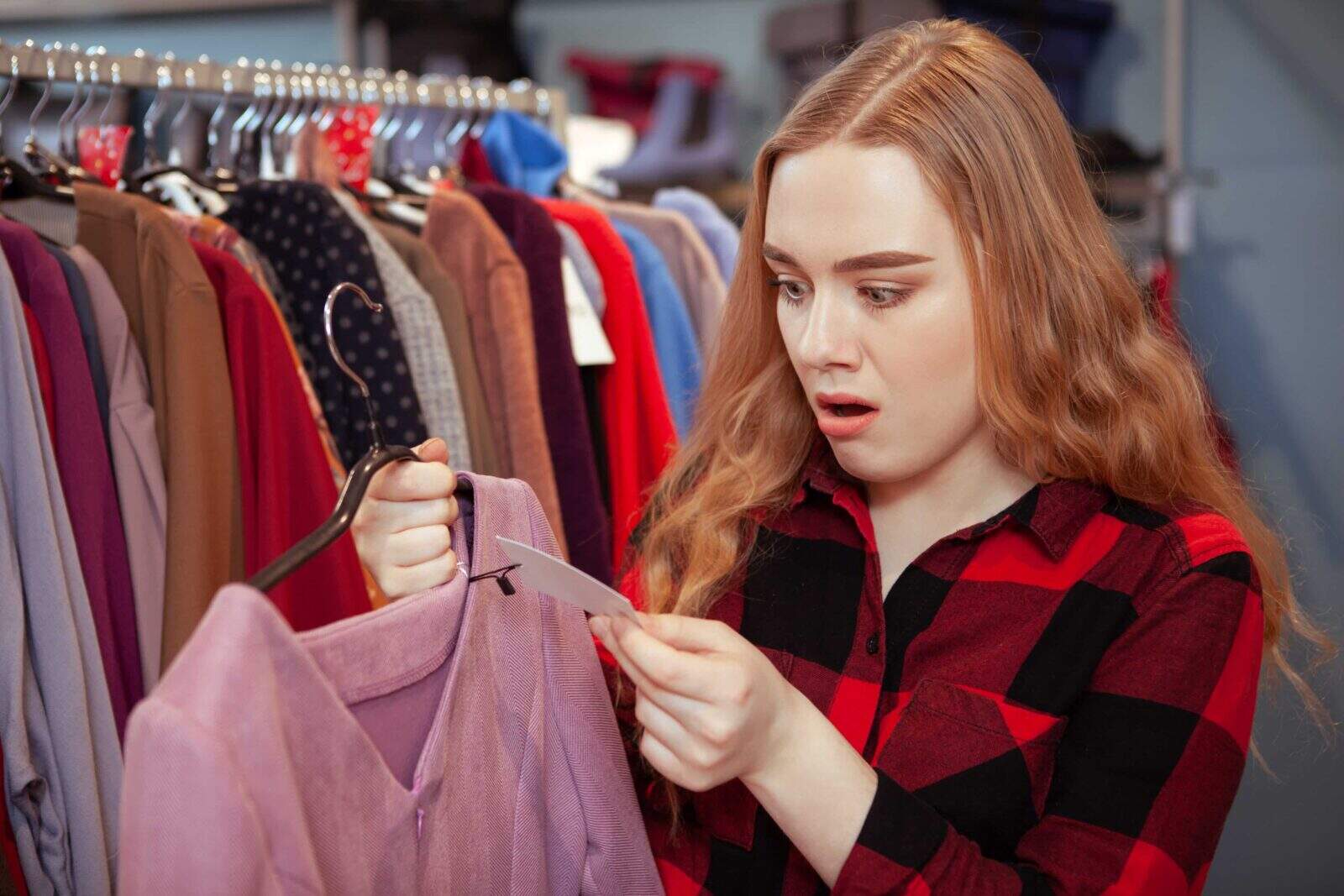
Households often expect prices to fall when supply problems ease, gas prices cool, or inflation slows. Sometimes they do. Often, they do not fall enough to restore the old normal. Many prices are sticky, especially in services, shelter, insurance, and other categories where companies may resist cutting prices once consumers have adjusted.
That stickiness creates a psychological trap. The shock disappears from the annual inflation rate after enough time passes, but the higher price remains in everyday life. The data stops screaming about the increase. The consumer keeps paying it. That is why people can feel financially bruised long after the chart says the worst has passed.
Averages hide who is hurting most

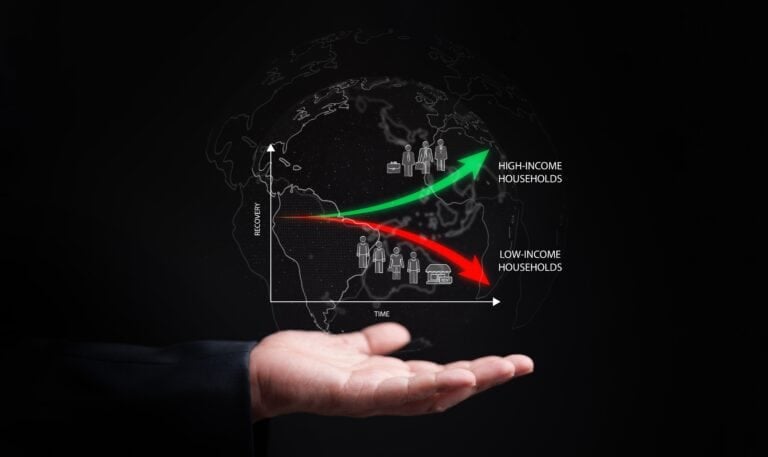
Inflation does not land evenly. A homeowner with a fixed-rate mortgage, investments, and savings may experience higher prices very differently from a renter facing lease hikes, childcare costs, medical debt, or a long commute. The same headline inflation number can describe both lives, but it does not capture the difference between inconvenience and crisis.
Low-income households spend a larger share of their money on necessities, so they have less room to dodge price increases. They cannot simply pause food, rent, utilities, or transportation. Women managing children, aging parents, or household logistics often feel this uneven pain first because they are the ones making the daily trade-offs: cheaper lunch meat, fewer fresh items, delayed shoes for a child, one less therapy appointment, another bill pushed to next week.
Inflation data often arrives after the pain

Official inflation measures are backward-looking. They tell us what already happened to prices. That matters because by the time the report says inflation has cooled, households may still be locked into higher leases, higher insurance premiums, higher loan payments, or grocery habits shaped by earlier shocks.
JPMorgan’s economic-indicator explainer describes CPI as a lagging indicator, which is useful for analysis but not comforting at the kitchen table. People do not experience inflation as a delayed data release. They experience it in real time, while deciding what to put back on the shelf. The report catches up later. The stress shows up immediately.
Different inflation measures tell different stories

There is not just one inflation number. Policymakers and analysts look at headline CPI, core CPI, PCE inflation, core PCE, trimmed-mean measures, and category-specific indexes. Each measure has a purpose, but the variety can make public communication feel slippery.
Core inflation excludes food and energy because those categories can be volatile. That makes sense for certain policy decisions, but it can sound absurd to households. Food and energy are not side quests. They are the things people buy constantly.
When a metric excludes the categories that hurt your budget the most, it may be useful to economists, yet it feels detached from ordinary life.
Optimistic economic language can feel like gaslighting
A soft landing may be good news for markets. Stable expectations may calm policymakers. Strong consumer spending may reassure analysts. But none of that automatically means people feel secure. A household can keep spending because it has no choice, not because it feels confident.
This is where the narrative gap becomes emotional. When officials say the economy is strong and people still feel broke, the message can sound like a scolding. People know what their money used to buy. They know which treats disappeared from the cart. They know what got postponed, downgraded, or put on a credit card.
If the data says “stable” while life says “tight,” many people will trust the receipt before they trust the headline.
The psychological hangover lasts longer than the inflation spike

People remember old prices. They remember what a normal grocery run felt like. They remember rent before the jump, coffee before the shock, fast food before it started acting like a sit-down restaurant, and the days when a quick store trip did not require a small emotional recovery afterward.
Even if incomes slowly adjust, the loss stays in memory. Behavioral economics has long shown that losses often hurt more than equivalent gains feel good. So a 20% jump in household costs can feel more painful than a later raise feels relieving, especially if the raise arrives late, gets taxed, and disappears into bills before anyone gets to enjoy it.
The numbers may stabilize first. The nervous system catches up much later.
The takeaway
People are not wrong to feel squeezed when economists say inflation is “stable.” They are reacting to a higher cost of living, not just the speed at which that cost is changing. Lower inflation does not mean groceries got cheap again. It does not mean rent rolled back. It does not mean wages fully repaired the damage. It means prices are rising more slowly from a level that already hurt.
This is a household truth as much as an economic one. Women are often the ones stretching the grocery list, tracking the bills, comparing brands, managing children’s needs, checking the bank app, and absorbing the emotional labor of making “stable” numbers fit an unstable budget.
The data may speak in percentages. Real life speaks in choices: what gets bought, what gets delayed, what gets cut, and who carries the worry when the math still does not work.
Disclaimer – This list is solely the author’s opinion based on research and publicly available information. It is not intended to be professional advice.
Like our content? Be sure to follow us