13 home repairs that are illegal for DIYers
The line between fixing your house and breaking the law is thinner than most homeowners realize.
Tackling a weekend home improvement project feels incredibly rewarding until you hit a wall of building codes. Many enthusiastic homeowners dive into renovations blindly, assuming they can fix anything on their own property. Local municipalities strictly regulate specific structural and systemic changes to keep residents safe.
Getting caught doing unauthorized renovations often leads to hefty fines and mandatory demolition of your hard work. Keep your toolbelt hung up and call a licensed professional for the following restricted projects.
Expanding the Home Footprint

Adding a sunroom or extending your garage fundamentally alters your property lines and tax assessments. Zoning boards strictly control how close you can build to your neighbor’s property line. Pouring a new foundation without approved blueprints violates multiple municipal ordinances simultaneously.
City officials will literally force you to tear down a brand-new addition if you build it illegally. You must complete property surveys and soil tests before moving a single pile of dirt. Hiring a general contractor handles the heavy paperwork and keeps your project on the right side of the law.
Modifying Load-Bearing Walls

Knocking down a wall to create an open concept living room completely changes the structural integrity of your house. Engineers must calculate how the roof weight will transfer before anyone swings a sledgehammer. You could trigger a sudden roof collapse if you remove critical support beams without temporary bracing.
City building departments require stamped architectural plans for any structural alterations. They need proof that your new header beam can actually support the second floor. Ignoring this legal requirement will definitely come back to haunt you during a future home inspection.
Replacing a Main Electrical Panel

Swapping out a breaker box requires extensive knowledge of voltage and local utility regulations. U.S. fire departments responded to an estimated average of 46,652 home electrical structure fires during 2020-2024. You run the serious risk of electrocution or causing a catastrophic house fire if you cross the wrong wires.
Municipalities require a master electrician to pull a permit before upgrading the power grid in your house. Inspectors must verify that the grounding and load calculations meet current safety standards. A simple mistake during this process could easily fry every appliance plugged into your walls.
Installing New Gas Lines

Working with natural gas is incredibly dangerous and highly regulated across the country. Your local government absolutely forbids unlicensed individuals from piping explosive fuel through residential walls. The CDC reports that over 100,000 Americans visit the emergency room each year due to unintentional carbon monoxide poisoning.
A tiny leak in a newly installed pipe could easily level your entire neighborhood in seconds. Plumbers spend years training to understand pressure testing and proper sealing techniques for volatile gases. You must hire a certified professional to run a new line for that fancy kitchen stove.
Replacing an Entire Roof
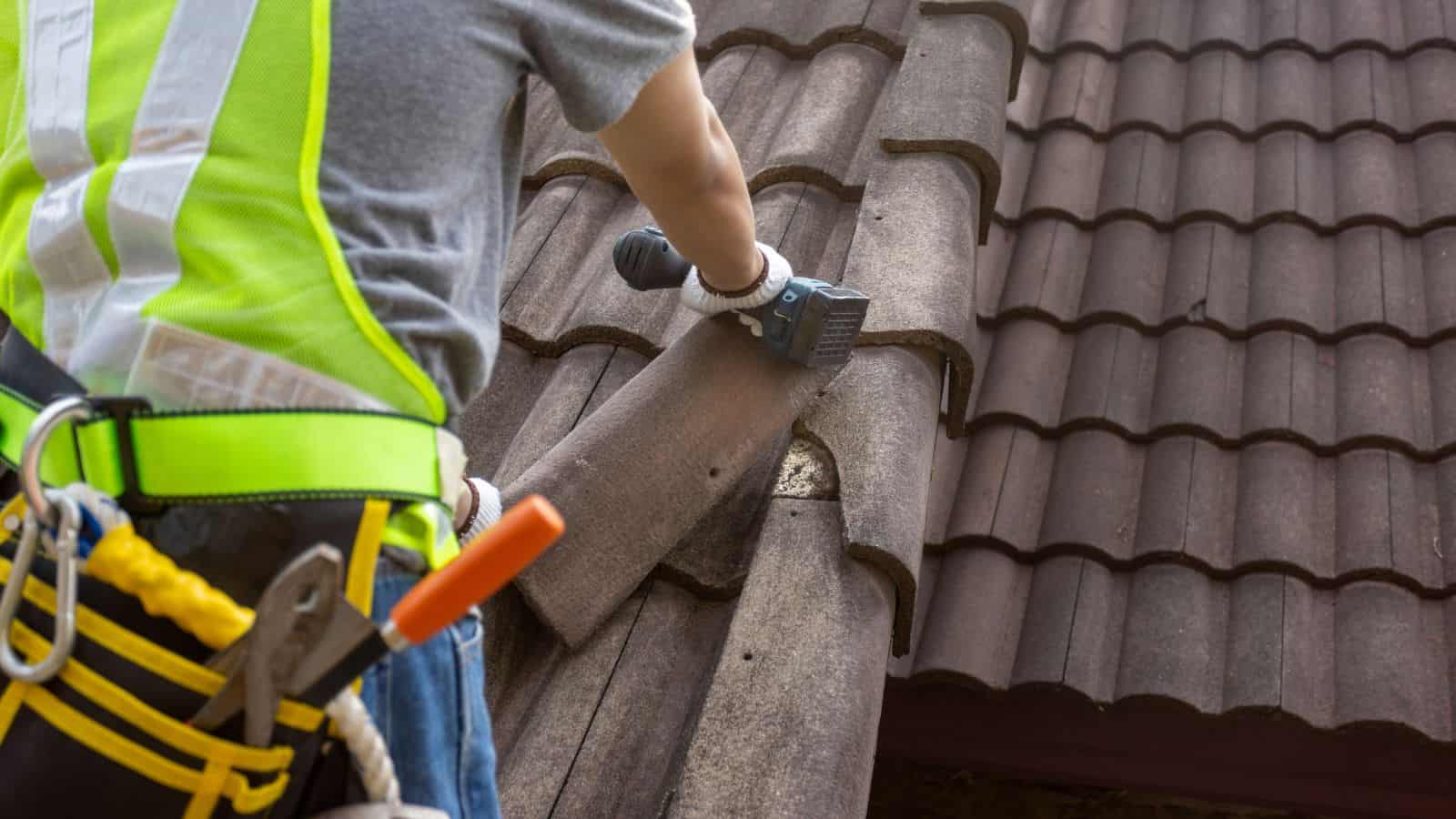
Hauling bundles of heavy shingles up a steep slope presents a massive physical danger. Ladders alone account for over 100,000 emergency room visits every year from falls during household chores. Municipalities strictly limit how many layers of roofing material you can legally stack on a house.
Building inspectors demand proof that your roof decking can handle the weight of a fresh installation. Removing the old materials down to the bare wood usually requires a specific demolition permit. Professional roofing crews carry the necessary liability insurance to cover accidental property damage and severe injuries.
Converting a Garage into Living Space
Transforming a parking spot into a cozy bedroom changes the legal classification of your property. Real estate agents estimate that 40 to 50 percent of homes have unpermitted work, which drastically lowers their resale value. Zoning codes require dedicated off-street parking, which you destroy by framing over the garage door.
You must pull permits to add the required electrical outlets and emergency egress windows. Living in an unconverted garage presents severe fire hazards because the walls lack proper fireblock materials. The city will quickly issue a cease and desist order if they catch you pouring concrete without permission.
Installing a Wood-Burning Stove

Adding a secondary heat source involves cutting a massive hole directly through your roof and ceiling. Improper clearances between the hot metal and your wooden framing will inevitably spark a fire. Nail guns and specialty saws cause up to 37,000 emergency room visits each year as homeowners try framing these complex chimney chases.
Fire marshals demand strict adherence to clearance codes before allowing you to burn a single log. You must obtain a permit and schedule a thorough inspection of the flue pipe system. Let a professional handle the installation so you can safely enjoy the crackling warmth all winter.
Digging a Trench for Utilities

Renting a backhoe sounds like a fun weekend until you accidentally sever a buried fiber optic cable. Every state has strict call-before-you-dig laws that carry heavy criminal penalties for violators. Power tools and heavy machinery are responsible for roughly 400,000 emergency room visits in the U.S. annually.
Hitting a pressurized water main will flood your street and leave you holding a massive repair bill. Utility companies require licensed excavators to trench anywhere near their established underground grids. You must secure a trenching permit and wait for the city to mark every hidden hazard.
Removing Asbestos Insulation or Flooring

Older houses often contain toxic materials hidden inside floor tiles or wrapped around heating pipes. Disturbing these vintage materials releases microscopic carcinogenic fibers directly into your breathing air. Federal laws heavily regulate the removal and disposal of hazardous construction waste.
You cannot simply throw contaminated tiles into your standard garbage can and call it a day. Certified abatement teams wear full hazmat suits and build negative-pressure chambers to contain the dust. Attempting to scrape this stuff away yourself will poison your family and result in massive environmental fines.
Altering Major Plumbing Stacks

Moving a toilet across the room requires completely reconfiguring the main drain and vent lines inside your walls. Water flows based on gravity and precise pipe sloping that amateur handymen frequently get wrong. Plumbing codes require specific venting to prevent sewer gases from bubbling up through your sinks.
An improper pipe pitch will cause constant clogs and completely ruin your beautiful new bathroom. City inspectors must pressure test the system before you seal the walls with drywall. Trusting a licensed plumber saves you from dealing with raw sewage backing up into your bathtub.
Swapping Out a Water Heater

Water heaters hold gallons of scalding liquid under immense pressure right in your basement. A faulty installation can literally turn the appliance into a rocket that shoots through your roof. Local governments mandate professional installation to verify that pressure relief valves function perfectly.
Connecting the venting system incorrectly traps toxic combustion fumes inside your living space. Your insurance company will deny all water damage claims if a bootleg tank ruptures and floods your lower level. Plumbers pull the necessary permits and schedule the mandatory inspections to keep your family protected.
Extending Heating and Cooling Ducts

Ductwork seems like simple sheet metal, but altering it affects the air pressure throughout your entire property. Building codes dictate exact sizing and insulation requirements for energy efficiency and fire safety. Poorly sealed vents force your furnace to work harder and dramatically increase your monthly utility bills.
Inspectors watch closely for unpermitted duct changes because they often violate modern energy conservation laws. You might also introduce dangerous exhaust gases into your bedrooms if you accidentally connect the wrong pipes. Leave the complex airflow calculations to a licensed heating and cooling technician.
Demolishing a Freestanding Structure
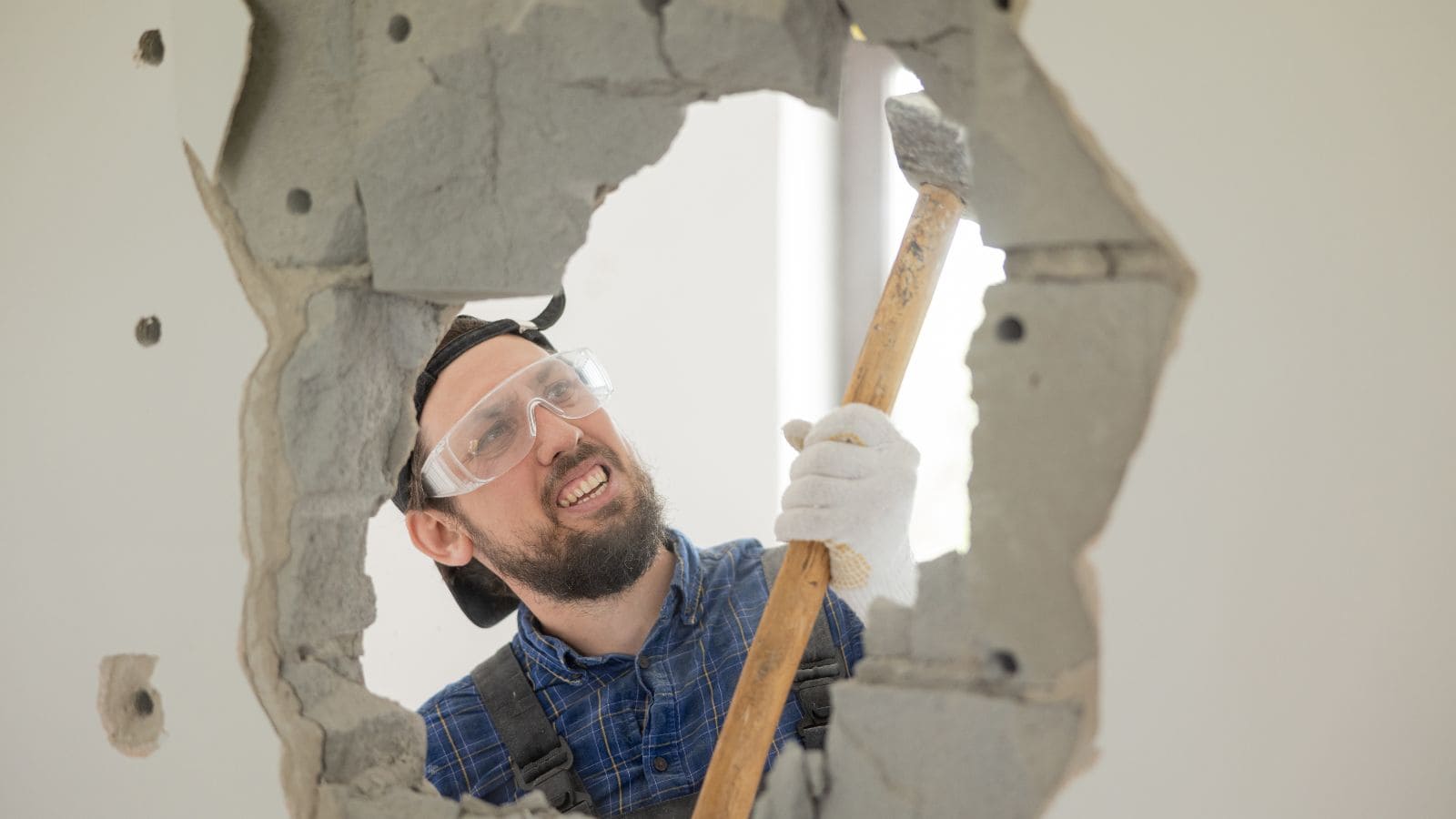
Tearing down an old storage shed requires more than just a sledgehammer and good intentions. Cities regulate the demolition of accessory structures to control hazardous debris and prevent sudden pest infestations. Falling materials frequently trap amateur DIYers under heavy wooden beams during chaotic backyard tear-downs.
You need an approved waste management plan before the city will issue your demolition permit. Neighbors frequently call code enforcement when they see giant clouds of dust blowing across their yards. Professional demolition crews know how to safely dismantle structures without violating local nuisance ordinances.
Like our content? Be sure to follow us