11 grocery items containing more chemicals than nutrients
Somewhere between convenience and consumption, food quietly stopped looking like something that ever grew.
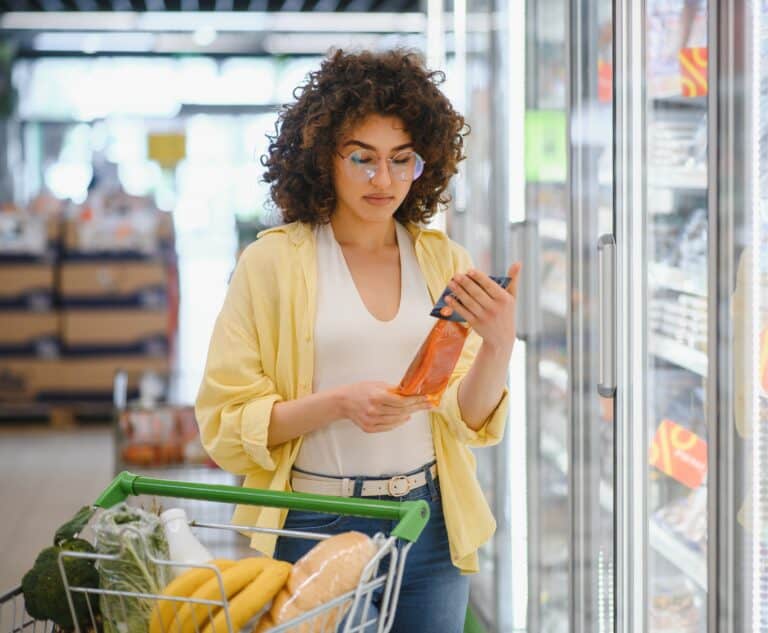
Walking down the aisles of a typical supermarket can feel like wandering through a science laboratory disguised as a food pantry. Brightly colored boxes and cleverly marketed packages scream about vitamins, but a quick peek at the ingredient list tells a totally different story.
You might think you are buying wholesome food for your family, but many popular products are basically edible science experiments. It is incredibly frustrating to realize how many artificial preservatives, synthetic dyes, and flavor enhancers hide in our favorite daily snacks.
Fruit Flavored Snacks

Parents often toss these shiny pouches into lunchboxes thinking they provide a healthy serving of real fruit for their kids. The truth is that these gummy treats consist almost entirely of corn syrup, artificial colors, and synthetic flavorings. According to the American Heart Association, the average American child consumes roughly 80g of added sugar daily, largely driven by these types of packaged snacks.
You will usually find ingredients like Red 40 and Yellow 5 listed long before any actual fruit puree makes an appearance. Replacing these chemical cocktails with a simple piece of fresh fruit offers actual vitamins without the sugar crash. The sticky texture also clings to teeth, creating a perfect environment for cavities to form while providing absolutely no nutritional value.
Conventional Microwave Popcorn

Popping a quick bag in the microwave seems like the perfect way to get ready for a family movie night. Unfortunately, the buttery flavor you smell usually comes from a chemical compound called diacetyl rather than actual dairy. The Environmental Working Group states that more than 10,000 chemicals are currently approved for use in food and food packaging, including those lining popcorn bags.
Those special greaseproof bags frequently contain synthetic compounds that can leach directly into your snack as it heats up. Making your own popcorn on the stove with coconut oil and sea salt is a much safer and tastier alternative. You avoid all the mystery additives while still enjoying a satisfying crunch that actually retains its natural fiber.
Commercial Pancake Syrups

Pouring a thick stream of sweet syrup over your weekend breakfast feels like a cherished American tradition. Many people fail to realize that the most popular grocery store brands contain absolutely zero real maple syrup. Instead of tree sap, you are eating a thick mixture of high fructose corn syrup mixed with artificial caramel coloring and chemical preservatives.
Genuine maple syrup provides trace minerals like zinc and manganese that your body can actually use. Spending a few extra dollars on pure maple syrup keeps those unnecessary industrial sweeteners off your breakfast table. The rich flavor of real maple means you end up using far less of it to satisfy your sweet tooth anyway.
Diet Sodas And Beverages

Grabbing a calorie-free drink seems like a smart strategy for anyone trying to lose weight or cut back on sugar. The sweet taste in these beverages comes from powerful synthetic chemicals created in a lab rather than nature. These artificial sweeteners trick your brain into expecting calories that never arrive, which can totally wreck your natural hunger signals.
Beyond the sweeteners, these drinks are essentially just carbonated water mixed with phosphoric acid and artificial coloring. The World Health Organization officially classified aspartame as a possible human carcinogen in July 2023, raising serious questions about its daily consumption. Switching to sparkling water flavored with a squeeze of fresh lemon delivers that refreshing fizz without the chemical baggage.
Packaged Deli Meats

Building a quick sandwich for lunch relies heavily on convenient slices of turkey, ham, or roast beef from the deli section. To keep these meats looking fresh and pink on the shelf, manufacturers pump them full of sodium nitrate and nitrite. The World Cancer Report published by the NIH reports that eating just 50 grams of processed meat daily increases your risk of colorectal cancer by 18 percent.
These chemical preservatives create dangerous compounds in your body during digestion that have absolutely no place in a healthy diet. You are much better off roasting a whole chicken on Sunday and slicing it up for your weekday lunches. This simple swap eliminates the synthetic preservatives while drastically reducing your overall sodium intake for the week.
Artificial Coffee Creamers

Splashing a bit of vanilla or hazelnut flavor into your morning coffee helps wake you up and start the day right. A glance at the label reveals that most commercial creamers contain absolutely no dairy products whatsoever. They are essentially liquid emulsions of partially hydrogenated vegetable oils, water, and artificial flavorings pretending to be milk.
Drinking trans fats and thickening agents like carrageenan every single morning can easily lead to digestive issues over time. Using regular half-and-half with a splash of pure vanilla extract gives you a creamy texture without the synthetic oil slick. Your body processes natural dairy much more easily than the highly refined oils found in these popular morning staples.
Canned Frosting Products
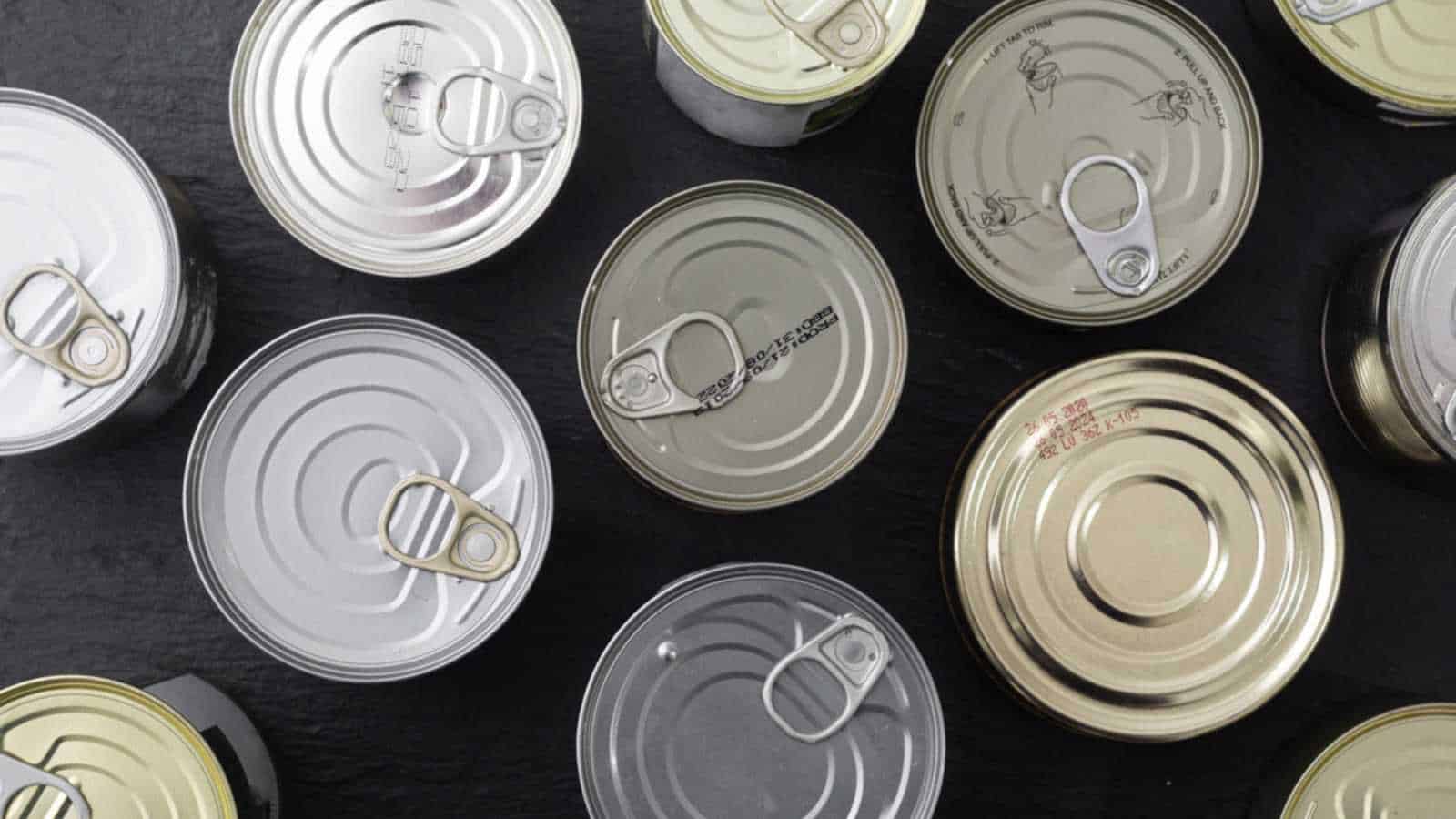
Slathering a layer of thick frosting onto a birthday cake saves a ton of time during a busy party prep. That convenient plastic tub holds a concerning blend of refined sugars, artificial dyes, and cheap palm oil. According to the American Camp Association 403, the consumption of artificial food dyes in American diets has increased by a staggering 500 percent over the last fifty years.
These synthetic colors serve absolutely no nutritional purpose and exist merely to make the product look appealing on the shelf. Whipping up a batch of homemade buttercream takes just five minutes and requires only butter, powdered sugar, and milk. The homemade version tastes infinitely better and lets you completely avoid those questionable industrial colorants.
Store-Bought Salad Dressings

Eating a large bowl of fresh vegetables is a brilliant way to fuel your body with essential vitamins and fiber. Drowning those beautiful greens in a commercial dressing completely ruins the health benefits you were trying to achieve. Most bottled dressings use cheap, highly refined soybean oil as their base, which drives up inflammation in the body.
Manufacturers also load these bottles with excessive sodium, added sugars, and chemical emulsifiers to keep the liquids from separating. Whisking together some extra virgin olive oil, balsamic vinegar, and a pinch of salt takes seconds and nourishes your body. You get to taste the actual vegetables instead of masking them under a heavy blanket of synthetic stabilizers.
Processed Cheese Products

Melting a perfectly square slice of bright orange cheese over a hamburger brings back fond memories of summer cookouts. The legal definition of these slices is usually a pasteurized prepared cheese product, which legally admits that they are not actual cheese. These rubbery squares contain milk protein concentrates, whey, and emulsifying salts that hold the artificial texture together under heat.
Real cheese requires only milk, salt, starter culture, and an enzyme called rennet to develop its rich flavor. Grabbing a block of genuine cheddar and slicing it yourself delivers protein and calcium without the unnecessary chemical binders. Your burger will taste significantly better with a slice of real dairy that actually has a natural flavor profile.
Powdered Drink Mixes

Stirring brightly colored powder into a pitcher of water promises a fruity and refreshing treat for a hot summer afternoon. These packets are nothing more than a chemical cocktail of maltodextrin, artificial sweeteners, and synthetic food coloring. A study published in the NIH found that high dietary intake of artificial additives and sweeteners increases the risk of cardiovascular disease.
The bright reds and purples come straight from a laboratory rather than any farm or orchard. Tossing a few slices of real cucumber and strawberries into a pitcher of ice water provides natural flavor and genuine hydration. You avoid the lab chemicals while enjoying a drink that actually quenches your thirst without a strange aftertaste.
Flavored Instant Oatmeal
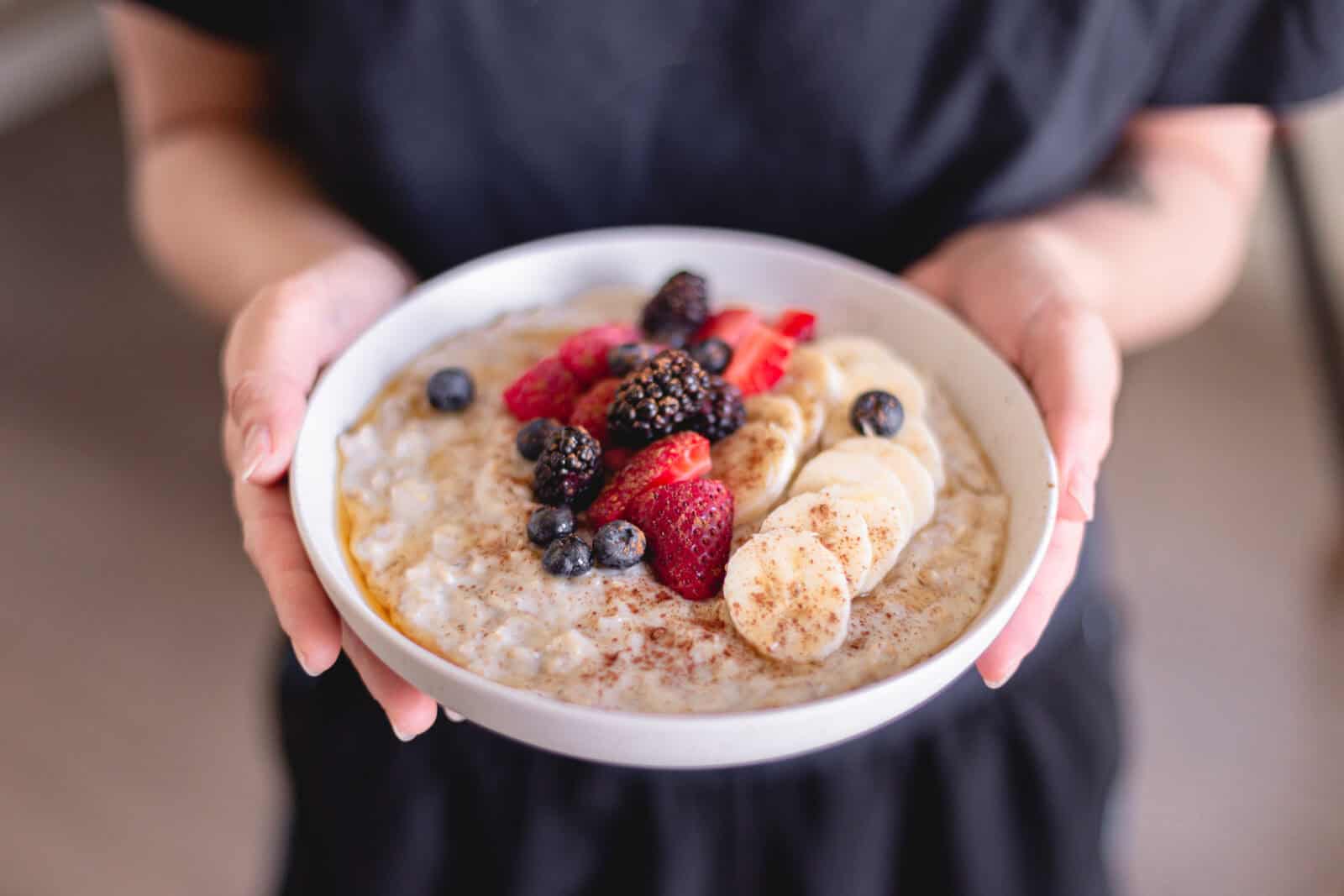
Starting your morning with a warm bowl of oats sounds like a fantastic choice for your heart and digestive system. The tiny packets flavored with apples and cinnamon or maple brown sugar destroy the natural benefits of the grain. Manufacturers strip away much of the beneficial fiber and replace it with massive amounts of sugar and artificial flavorings.
Eating this highly processed version causes a rapid spike in your blood sugar that leaves you hungry an hour later. Buying a large canister of plain rolled oats and adding your own fresh fruit takes only two extra minutes of cooking time. You retain all the natural fiber and completely control the sweetness level of your morning meal.
Like our content? Be sure to follow us