Your pocket guide to better health: The best apps for stress, digestion, sleep, chronic pain and more
What if the same device that drains your attention could also restore your health?
If your phone is practically an extension of your hand, you might as well put it to good use. While screen time often gets a bad rap when it comes to health, the right apps can be a powerful ally, especially when they’re backed by science, built by professionals, and easy to use. From gut-directed hypnotherapy to personalized stress-reduction tools, here are some of the best health apps designed to help you feel better in body and mind.
1. Nerva: Gut-Directed Hypnotherapy at Your Fingertips

If you live with IBS, you’ve likely heard that stress and anxiety can fuel flare-ups. Nerva tackles this head-on with gut-directed hypnotherapy, a practice supported by clinical studies as an effective treatment for IBS. Developed by Dr. Simone Peters and based on her research at Monash University, Nerva delivers a 6-week hypnotherapy program designed to calm your gut-brain axis.
Users listen to daily 15-minute sessions, which can help reduce symptoms like bloating, diarrhea, constipation, and abdominal pain. The app also includes educational modules and practical tips for managing IBS long-term.
2. Headspace: Stress, Sleep, and Mindfulness in One Place

You don’t have to sit cross-legged in a silent room to benefit from mindfulness. Headspace is one of the most popular meditation apps on the market—and for good reason. Its guided sessions help with anxiety, stress, focus, and even grief. It also offers breathing exercises, “sleepcasts” for bedtime, and short meditations you can do in under five minutes.
Headspace has also partnered with companies and healthcare providers, making it accessible through some insurance plans or employee wellness programs.
Check out headspace.com.
3. Oura: A Health Tracker That Goes Beyond Steps
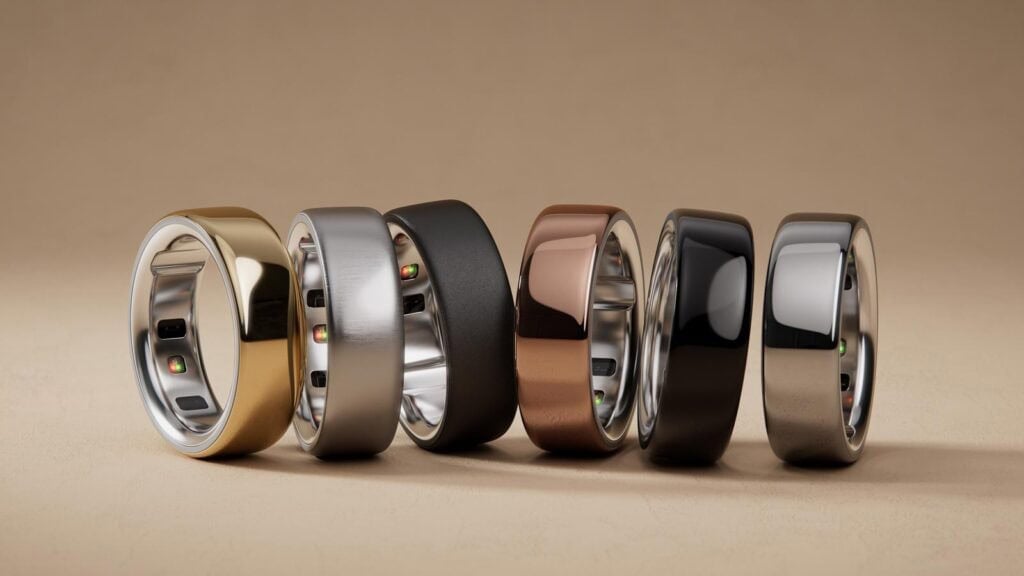
Oura isn’t just a sleep and fitness tracker—it’s a health insight machine in the shape of a sleek ring. Paired with the Oura app, it gives detailed feedback on sleep stages, heart rate variability, temperature changes, and even respiratory rate.
What sets Oura apart is how it interprets data to give you a daily “Readiness Score” that helps guide when to push yourself and when to recover. It’s especially helpful for people managing chronic illness, burnout, or high-performance routines.
More at ouraring.com.
4. Bearable: Symptom Tracking Without the Overwhelm

If you’ve ever kept a food, sleep, or pain journal and then forgotten to update it, Bearable might be the answer. This app is a streamlined way to track symptoms, mood, medication, sleep, and lifestyle habits all in one place. Its easy-to-use interface helps you identify patterns—like if stress at work is linked to your migraines, or if a supplement actually helps your energy.
You can export data to share with your doctor or therapist, which is a game-changer for chronic illness management.
Here it is: bearable.app
5. Breathwrk: Learn How to Breathe Better, Literally

Your breath might be the most underused tool in your wellness kit. Breathwrk turns your phone into a personal breathing coach, offering guided sessions designed to calm anxiety, boost energy, or help you sleep.
Based on science-backed breathwork methods, the app includes options like box breathing, diaphragmatic breathing, and “power breaths”—some of which are used by Navy SEALs, athletes, and therapists alike.
Learn more: breathwrk.com
6. MyFitnessPal: Track Your Nutrition With Flexibility

Whether you’re trying to build muscle, reduce sugar, or manage medical conditions through diet, MyFitnessPal remains one of the most versatile nutrition apps. You can log meals manually or scan barcodes, and the app calculates calories, macronutrients, and even micronutrients.
While some features require a premium subscription, the free version is robust enough for most users. You can also connect it to fitness trackers or share logs with dietitians.
Check it out at myfitnesspal.com.
7. Sleep Cycle: Smart Alarm + Sleep Analysis

Waking up groggy can wreck your day before it starts. Sleep Cycle aims to change that. This app tracks your sleep using sound analysis and wakes you during your lightest sleep phase—meaning fewer rude awakenings and more refreshed mornings.
You also get data on snoring, sleep trends, and disruptions that could indicate sleep apnea or poor sleep hygiene. It’s not a replacement for a clinical sleep study, but it’s a helpful tool if you’re trying to improve your sleep naturally.
Shhhhhh: sleepcycle.com.
8. Calm: Meditation Meets Mood Support
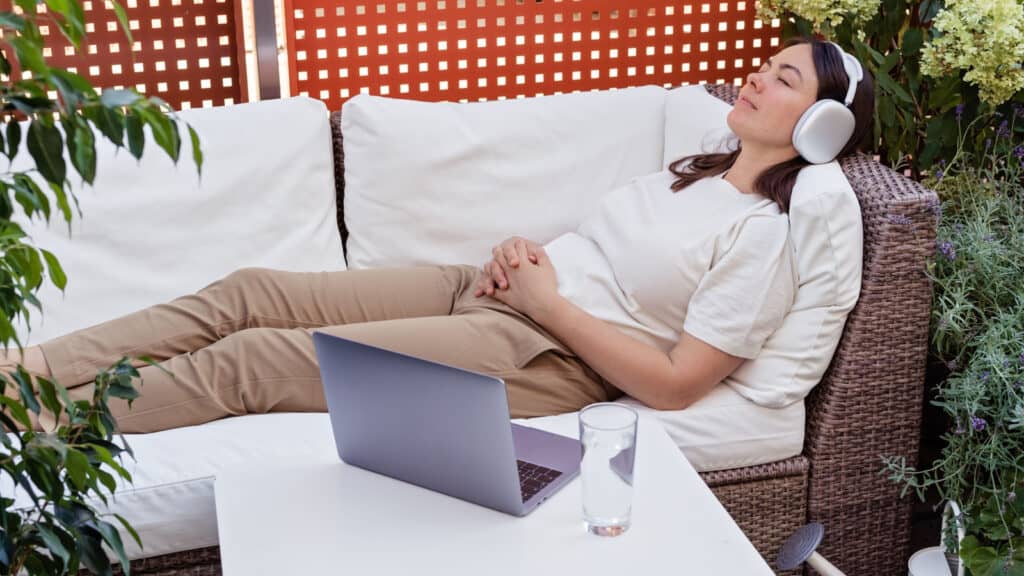
Calm is often compared to Headspace, but its tone is softer and more sensory-driven, with soothing visuals and music. Beyond meditation, Calm offers narrated stories (some by celebrities), calming music tracks, and “masterclasses” on topics like mindfulness, relationships, and anxiety.
It’s especially popular for people dealing with insomnia or chronic stress, and it’s kid-friendly too—making it a good household-wide investment in calm.
Become calm! calm.com.
9. Curable: Mind-Body Support for Chronic Pain

Chronic pain can feel isolating and frustrating—especially when traditional treatments fall short. Curable approaches pain management from a brain-based perspective, integrating neuroscience, psychology, and mindfulness into its lessons and exercises. It offers guided meditations, journaling prompts, educational audio lessons, and a virtual pain coach named Clara.
Created with input from physicians and pain researchers, Curable is particularly effective for people with conditions like fibromyalgia, migraines, and back pain, where the nervous system plays a major role.
Check it out at curablehealth.com.
10. Reflectly: Journal Your Way to Mental Wellness

Sometimes the best app is the one that helps you pause and process. Reflectly is a modern digital journal powered by AI prompts and positive psychology. It encourages daily reflection and tracks your emotional trends over time, offering gentle nudges and affirmations along the way.
It’s a great tool for people who want the benefits of journaling but struggle with staring at a blank page.
Learn more: reflectly.app.
11. MySugr: Smart Support for GLP-1 Users, Especially with Blood Sugar Tracking

Originally designed for people with diabetes, MySugr is incredibly useful for anyone on GLP-1 medications like Ozempic or Mounjaro, especially those who need to monitor blood sugar or manage nutrition changes. You can log meals, track blood glucose (manually or via connected devices), and keep an eye on trends that matter when your metabolism is shifting.
While it’s not a dedicated weight-loss app, it shines for people whose GLP-1 use overlaps with insulin resistance, prediabetes, or type 2 diabetes—often the case with these medications.
Check it out: mysugr.com.
12. Insight Timer: Free Meditation and Expert Talks

Insight Timer is the most content-rich free meditation app out there, with over 150,000 guided meditations, music tracks, and talks from psychologists, teachers, and mindfulness experts. Unlike most apps that require a subscription, Insight Timer offers most of its features at no cost.
It includes everything from beginner meditations and sound baths to specific tracks for grief, addiction recovery, parenting stress, and body image. There’s also a robust community component if you like connecting with others on your mindfulness journey.
More here: insighttimer.com.
Final Thoughts: Your Health, Your Way

Not every health app will be right for every person, and that’s the beauty of today’s digital wellness tools. Whether you’re managing IBS, trying to sleep better, or just need a moment of calm between Zoom calls, there’s likely an app that meets you where you are. The key is finding one (or two) that fits into your lifestyle and makes you feel supported—not overwhelmed.
Try one for a week, track how you feel, and let the data—and your gut—be your guide.
How Sex, Sleep, and Wellness Work Together to Boost Your Health

Ever wondered why you feel so relaxed after a night of intimacy or how a good night’s sleep makes you feel more connected to your partner? It’s not just coincidence—sex, sleep, and wellness are intricately connected, creating a trifecta of benefits for your body and mind.
READ: How Sex, Sleep, and Wellness Work Together to Boost Your Health