Americans face higher beef prices as cattle herd hits 75-year low
Buying a steak shouldn’t feel like taking out a second mortgage, yet grocery runs are becoming painful. Prices continue to climb as a historic supply squeeze grips the meat counter.
The U.S. cattle inventory has officially plunged to a 75-year low, forcing beef prices to record-breaking heights. The industry is facing a perfect storm of environmental disasters, economic pressures, and biological threats.
The numbers behind the shrinking herd

According to the USDA, the total U.S. cattle and calf inventory stood at 86.2 million head on January 1, 2026. This represents a 0.35% drop from the 86.5 million head recorded in 2025. This critical milestone marks the eighth consecutive year of contraction in the national herd.
The industry’s breeding engine is struggling to find a bottom. Beef cows totaled just 27.6 million head, a 1% decline, marking the lowest level since 1961. Furthermore, the 2025 calf crop fell 2% to 32.9 million head, the smallest since 1941.
Fewer calves born today mean a severely restricted supply of marketable beef for the next several years. Dr. Derrell Peel of Oklahoma State University warns that rebuilding the herd is a slow, difficult process. Markets are responding to this scarcity with extreme price volatility.
Natural disasters and biological threats stall recovery

The physical landscape has been incredibly hostile to livestock production. In March 2026, the devastating Morrill Fire in Nebraska scorched 643,361 acres, making it the largest single wildfire in state history. This disaster displaced 40,000 cattle and destroyed critical pasture infrastructure, stalling recovery efforts in the Central Plains.
If wildfires weren’t enough, a biological menace has re-emerged to plague livestock. On June 3, 2026, the USDA confirmed the detection of the New World screwworm in a Texas calf. This represents the first U.S. detection of the flesh-eating parasite in sixty years.
The biosecurity fallout was immediate and severely disrupted the North American livestock trade. The U.S. suspended imports of Mexican cattle to block the parasite, cutting off a key supply of over 1 million animals annually. In response, Canada and Mexico halted or restricted livestock imports from the United States to protect their own herds.
Compounding these challenges, response efforts are facing critical labor shortages. The frontline workforce at the USDA Animal and Plant Health Inspection Service lost 2,009 employees, which was 23% of the service. This staff shortage makes daily herd monitoring and parasite containment incredibly difficult.
Retail prices hit painful new milestones
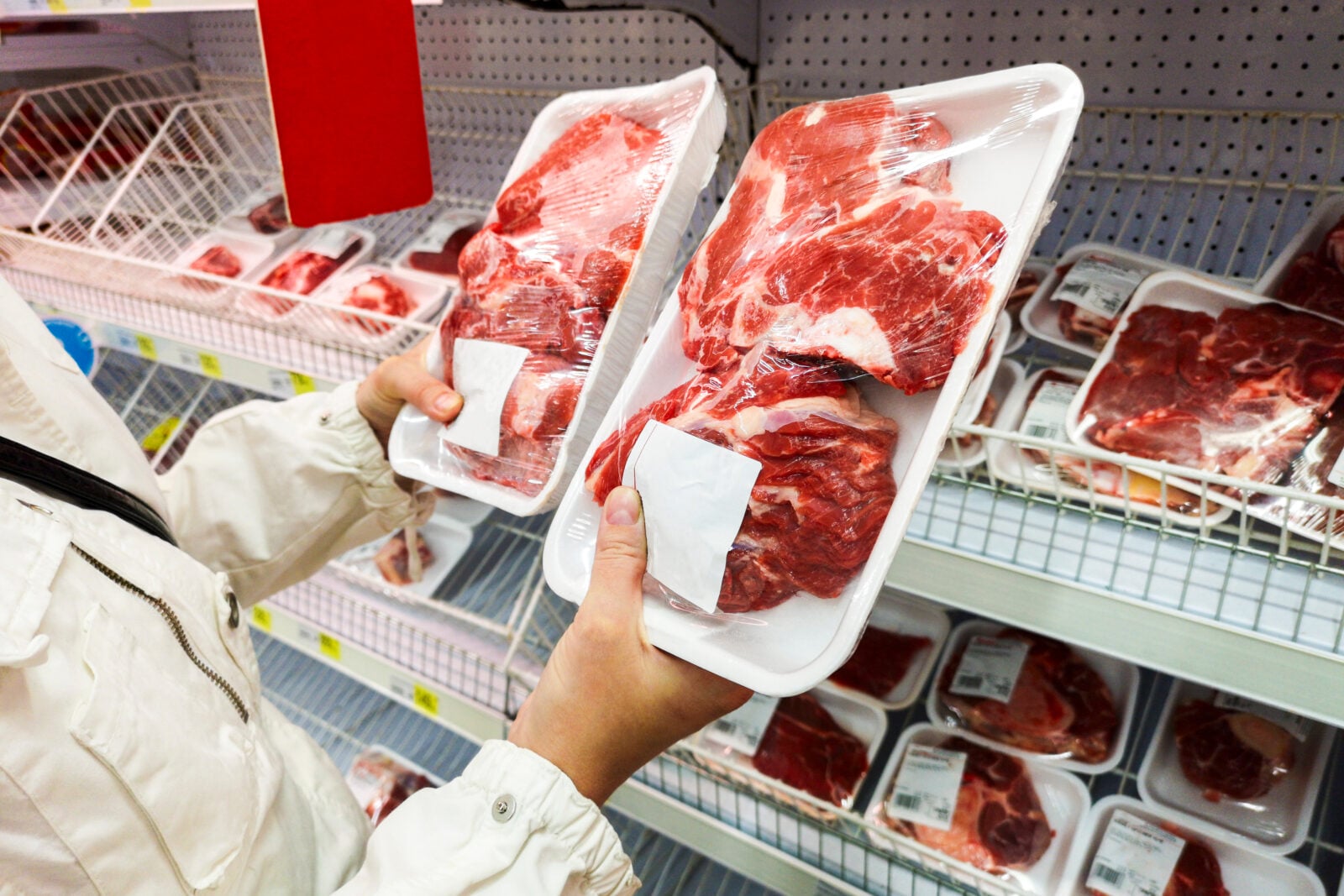
Backyard grillers are paying a steep premium at checkout. Ground beef averaged nearly $6.75 per pound in May 2026, up significantly from $5.59 a year earlier. By comparison, ground beef averaged just $4.70 during the peak of the 2020 pandemic.
Premium cuts are seeing even more aggressive price hikes. Retail beef tenderloins averaged $17.77 per pound by mid-June 2026, up from $12.70 in 2025. Boneless strip steaks jumped to $14.74 per pound, compared to $13.25 the previous year.
These rising costs are shifting how average consumers shop for meat. Shoppers are turning to pork-beef grinds or opting for poultry, where prices average a much friendlier $2.40 per pound. Consumer demand for real beef remains highly resilient despite these steep premiums.
Consolidation and structural bottlenecks limit relief
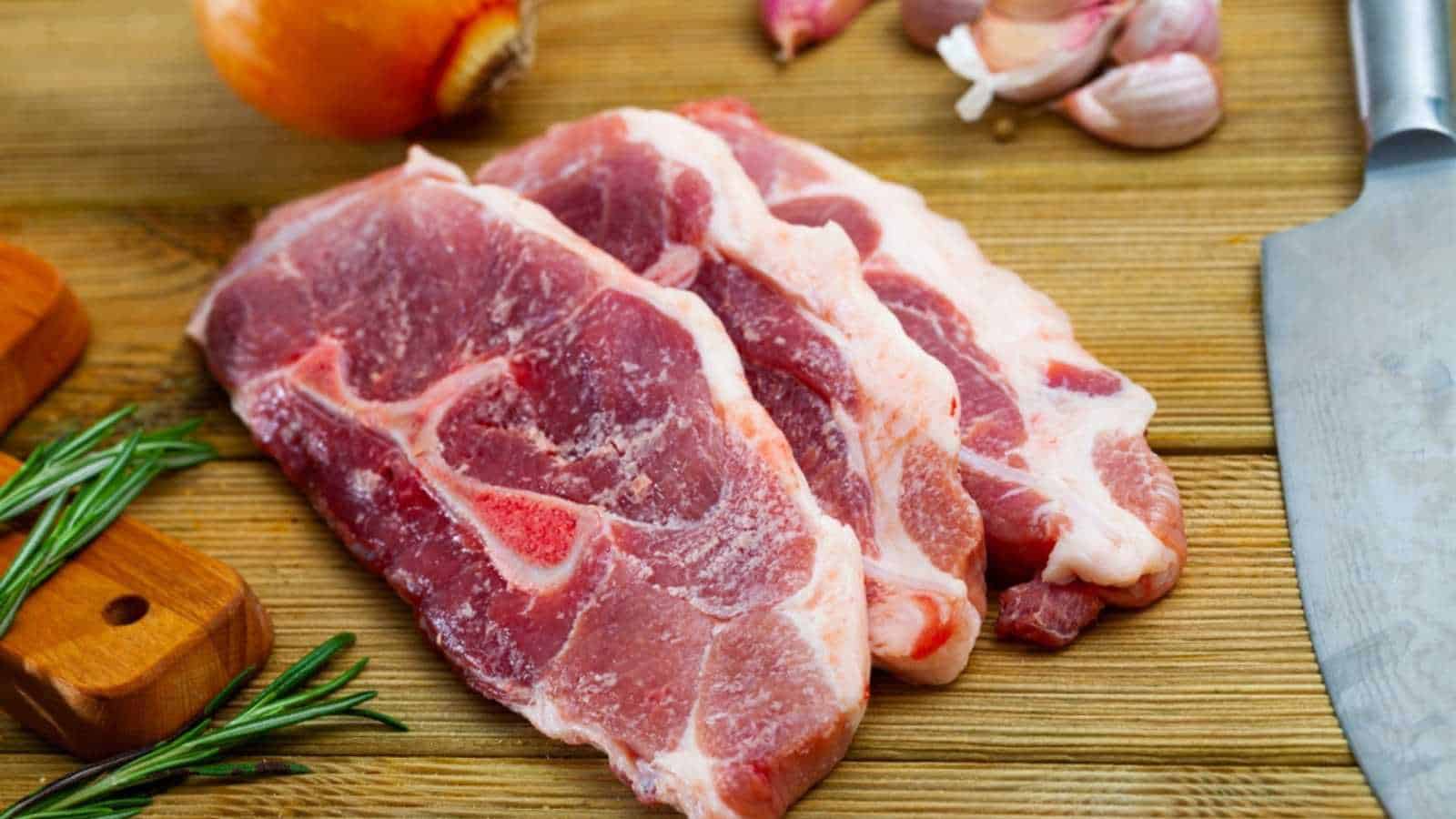
Foreign beef imports are surging to fill the domestic supply gap. The USDA projects that the U.S. will import a record 5.5 billion pounds of beef this year. Brazil now supplies nearly 20% of all imported beef to the U.S. market, shipping $800 million in the first quarter alone.
However, increasing imports won’t guarantee lower grocery prices for families. The U.S. meatpacking industry is highly concentrated, with the top four packers buying over 80% of cattle. This extreme consolidation prevents wholesale savings from reaching retail shelves.
Widespread supply shortages have forced meat processing giants to scale back. JBS closed a major beef-processing plant in Pennsylvania, which accounted for 8% of its U.S. capacity, as well as a facility in Tennessee. A three-week strike by workers at another Colorado plant further crimped domestic slaughter volumes.
Ranchers face massive financial risk if they hold back heifers to rebuild herds instead of selling. Advocacy group Farm Action has proposed a temporary $500 federal tax credit per retained heifer to support producers. Without policy support, high interest rates and input costs discourage herd expansion.
The long road to price relief

Meaningful relief at the meat counter is still years away. Omaha Steaks CEO Nate Rempe points out that the biological cycle of cattle breeding requires significant time. Projections suggest a real supply recovery won’t begin until 2028 or 2029.
The current beef shortage is a structural shift, not a temporary market blip. Ranchers will need sustained rainfall, cheaper feed, and capital to finally rebuild. Until then, high floor prices are the new normal for American cookouts.
Key takeaways

The U.S. cattle herd has shrunk to a 75-year low of 86.2 million head, driving retail beef prices to historic highs. Natural disasters, import bans, and the re-emergence of the screwworm parasite have halted short-term recovery. With severe market consolidation and biological limits on breeding, relief for consumers is unlikely before 2028 or 2029.
Disclaimer – This list is solely the author’s opinion based on research and publicly available information. It is not intended to be professional advice.
Like our content? Be sure to follow us