12 foods American moms often made in the 1970s
The 1970s were a decade of major changes in the American kitchen. More women were entering the workforce, supermarkets were expanding their selection of convenience foods, and time-saving products were becoming household staples.
According to the U.S. Department of Agriculture, consumption of processed and convenience foods rose steadily during the decade, reflecting changing lifestyles and shopping habits. At the same time, family dinners remained an important part of everyday life, and many mothers relied on affordable, filling recipes that could feed a household without breaking the budget.
The result was a unique mix of homemade comfort food, casserole culture, canned ingredients, and a growing fascination with quick-prep meals. Some dishes have stood the test of time, while others are now remembered mainly through family photo albums and church cookbooks. Here are 12 foods American moms commonly made during the 1970s.
Meatloaf and mashed potatoes
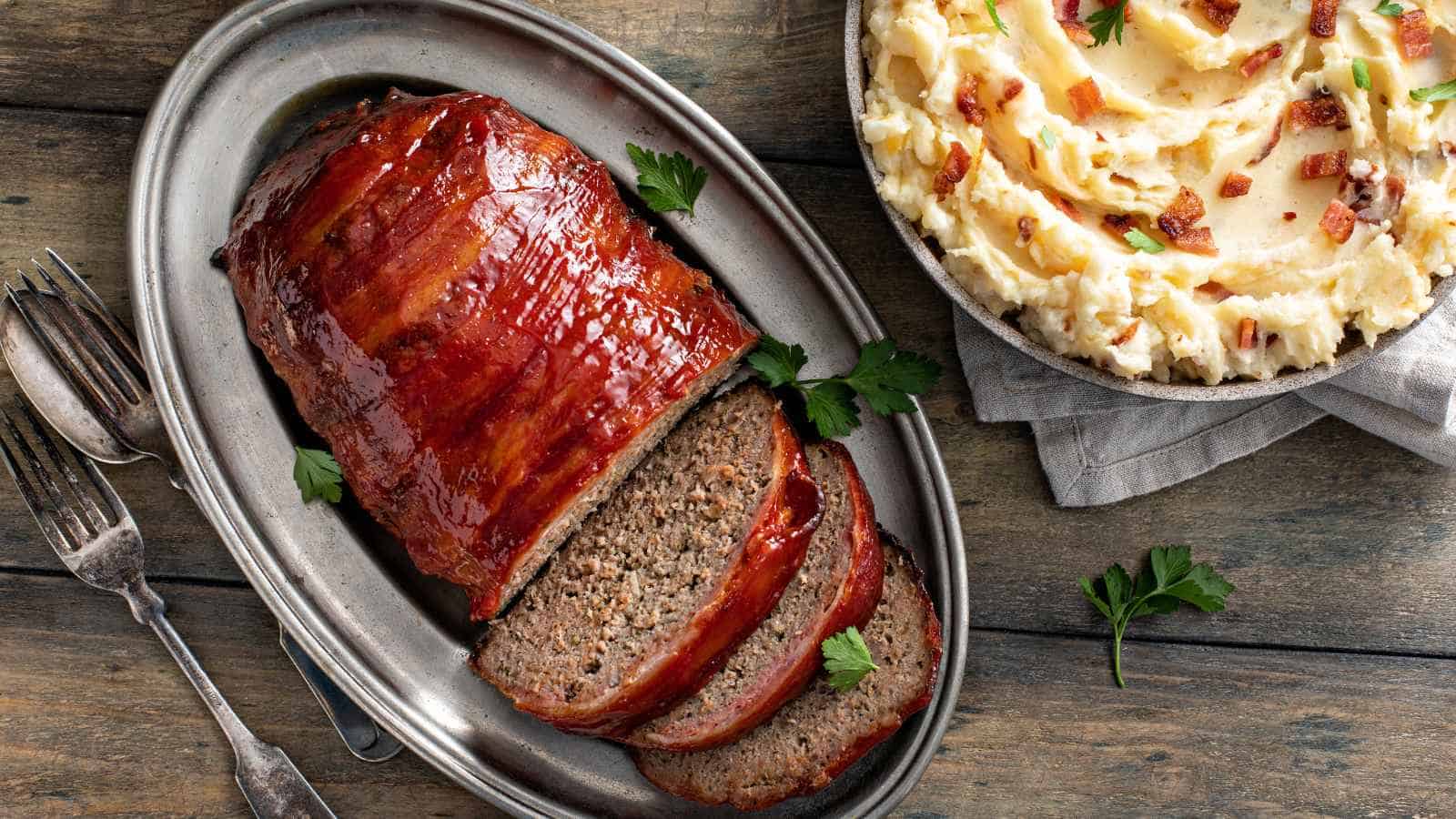
The smell of sizzling beef and caramelized ketchup drifting from a 1970s kitchen meant one thing: dinner was solved. To feed a hungry family on a tight budget, clever home cooks stretched a single pound of ground beef using whatever sat in the pantry: stale breadcrumbs, a stray onion, or a packet of onion soup mix.
Piled high next to a mountain of buttery mashed potatoes, this humble loaf transformed a modest grocery haul into a comforting, generous feast. The real magic happened the next morning when thick, cold slices slid between white bread for the ultimate leftover sandwich. Yet, the classic recipe hides a secret ingredient that keeps it from drying out, a trick modern chefs still use today.
Tuna noodle casserole
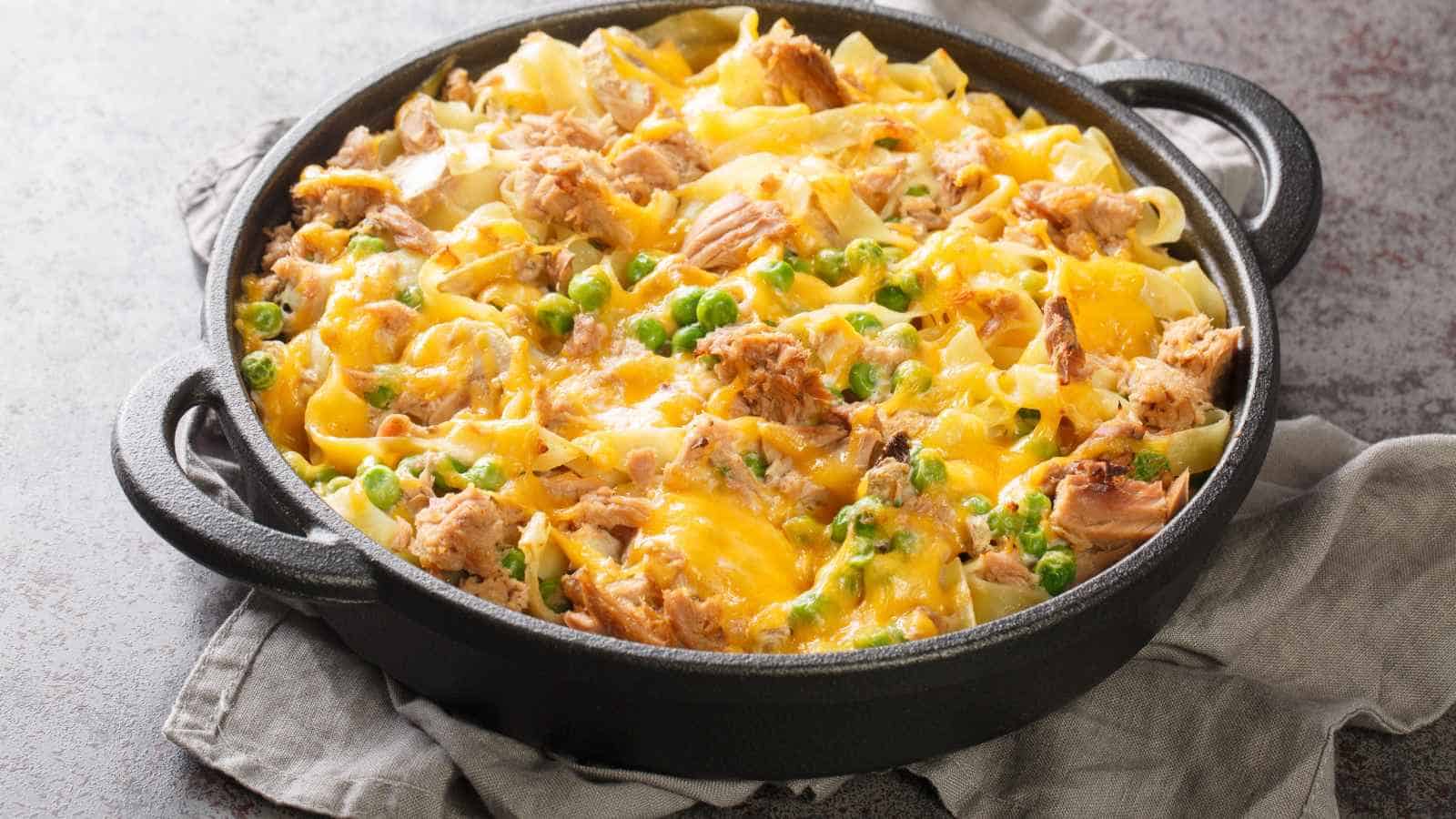
Tuna noodle casserole carried the 1970s dinner rush like a cheerful pantry hero. Taste Cooking shows that the very first printed iteration, titled “Noodles and Tuna Fish en Casserole,” appeared in Sunset magazine in 1930. Moms mixed egg noodles, canned tuna, cream of mushroom soup, peas, and a salty topping, then let the oven do the heavy lifting.
The dish made sense because every ingredient felt familiar, cheap, and easy to keep on hand. It also gave families a warm, filling meal without asking anyone to stand over the stove for an hour. For many kids, that crunchy top and creamy middle tasted like Tuesday night comfort in a baking dish.
Tater tot hotdish
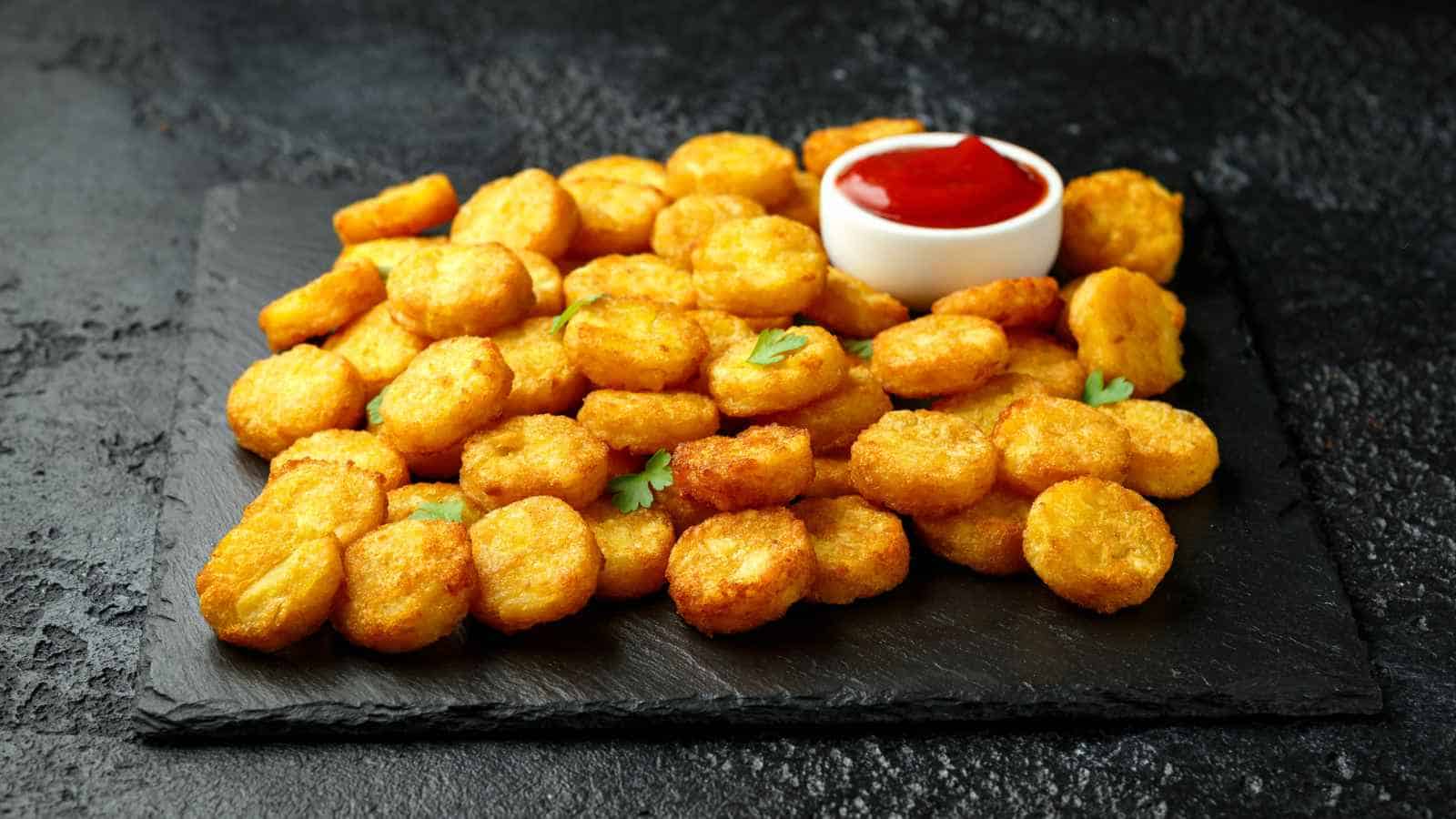
Tater tot hotdish gave casseroles a crispy crown. Moms layered ground beef, canned soup, vegetables, and frozen potato tots into a dish that looked humble but tasted like pure comfort. The tots browned on top, the creamy filling bubbled underneath, and everyone at the table knew exactly what kind of dinner they were getting.
It worked especially well in the Midwest, where “hotdish” became a language of home, church basements, and family gatherings. By the 1970s, that freezer bag had serious weeknight power. Yet, the true secret of this legendary comfort food lies in a single, missing ingredient that changed everything.
Green bean casserole
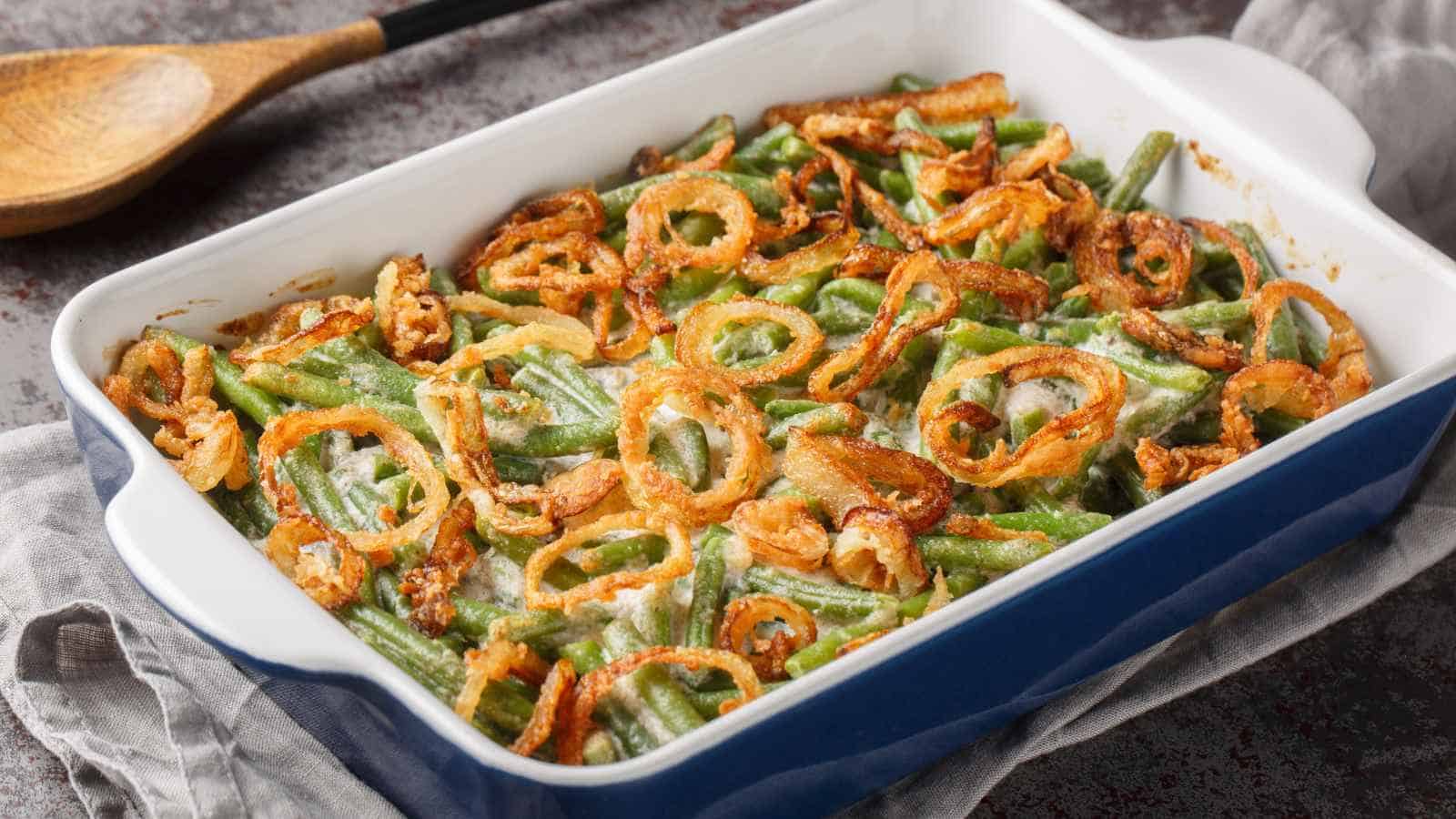
Green bean casserole turned canned vegetables into an instant holiday icon. Parade notes that Campbell estimates its iconic Green Bean Casserole recipe is viewed roughly 4 million times on Thanksgiving Day alone. Busy parents embraced the dish because it required zero chopping, minimal time, and absolutely no culinary drama.
Canned green beans kept prep incredibly fast, and crispy fried onions provided a satisfying crunch that kids actually devoured. The simple sideshow reliably stole the spotlight at Thanksgiving tables, Sunday dinners, and neighborhood potlucks. Yet the secret behind its decades of massive success lies in a brilliant corporate marketing gamble that almost never happened.
Pineapple upside-down cake

Pineapple upside-down cake brought a flash of tropical drama to American dessert tables, transforming simple pantry staples into a showstopping finale. Home cooks arranged canned pineapple rings, maraschino cherries, butter, and brown sugar directly in the pan, then flipped the baked cake to reveal a glossy, caramelized mosaic.
This clever technique offered high visual reward without requiring bakery-level decorating skills, especially as boxed cake mixes streamlined the process. The dessert perfectly captured the era’s obsession with Hawaiian-style flavors, tiki parties, and sun-soaked vacation dreams. For families hosting neighborhood gatherings, that affordable can of sliced pineapple delivered an immediate, sunny escape.
Jell-O salads
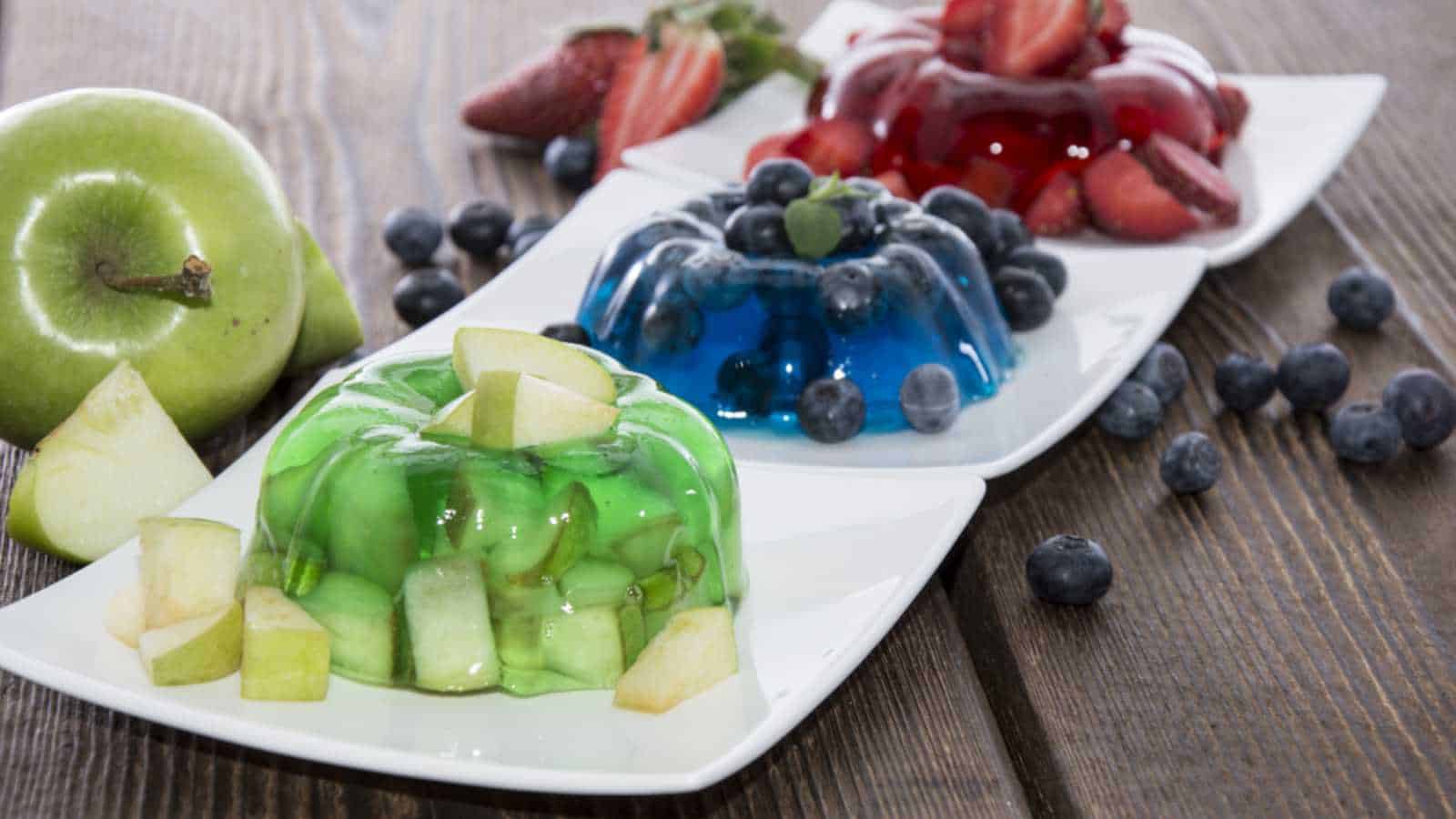
Jell-O salads brought color, wobble, and a little kitchen theater to 1970s tables. Jell-O salads were both a sign of prosperity and a diversion from the mundane, as The New York Times highlighted. Moms could fold in fruit, cottage cheese, shredded carrots, whipped topping, or marshmallows and still call it a salad with a straight face.
The molds looked fancy without demanding pastry skills, and that mattered at potlucks, funerals, holidays, and family reunions. Kids stared at them because they looked like edible stained glass. Today, they feel retro, but back then, they looked modern, playful, and hostess-approved.
TV dinners and frozen entrées
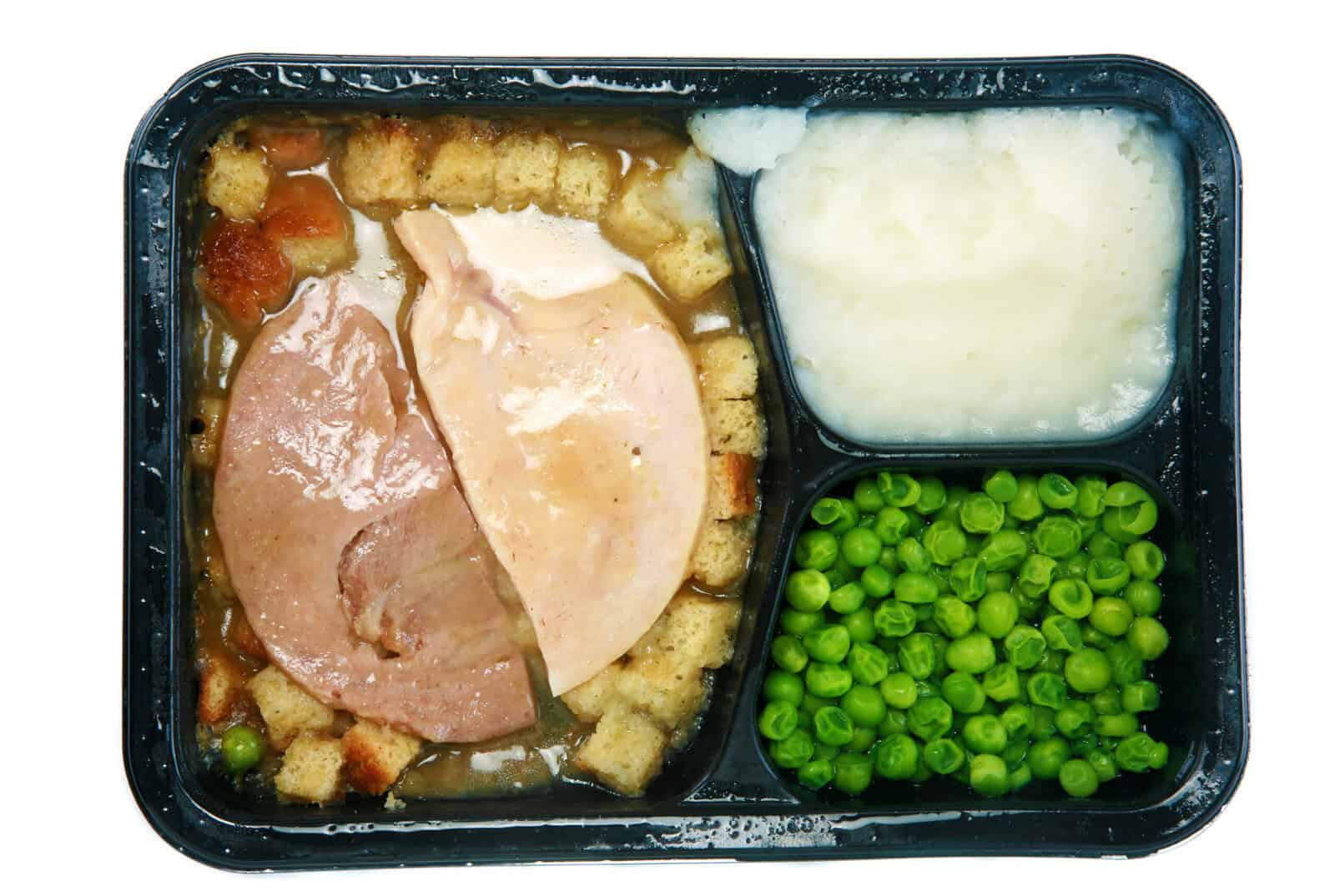
TV dinners gave 1970s moms a rare chance to breathe. The aluminum trays divided Salisbury steak, mashed potatoes, and bubbling apple cobbler into tidy, futuristic compartments. Kids begged for the novelty, while parents celebrated the total absence of dish duty.
This convenience perfectly matched the decade’s growing living room culture, drawing families away from the dining table to gather around the glow of the television screen. They happily swapped home-cooked roasts for quick comfort, eager to embrace a modern, fast-paced lifestyle. Yet, this space-age luxury hid a massive shift in how we eat, setting a trap that would quietly redefine the American diet for generations to come.
Hamburger Helper skillet dinners
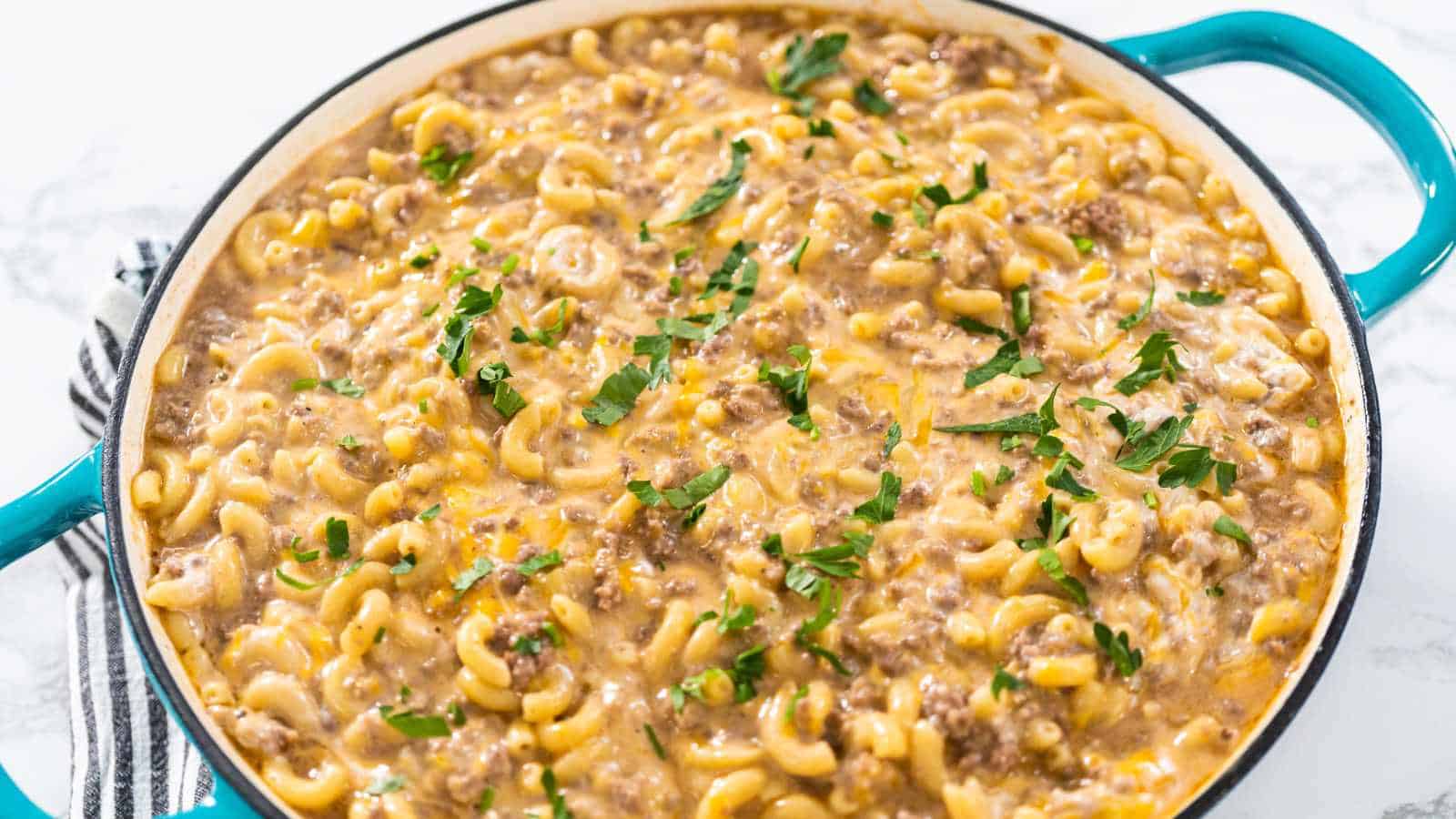
Hamburger Helper landed right on time for busy kitchens. Per General Mills, Hamburger Helper made its national debut in August 1971. Mom browned ground beef, stirred in the mix, added water or milk, and served dinner without building sauces from scratch. Because families added the fresh meat and stirred the pan themselves, the meal still tasted entirely homemade.
It effortlessly stretched a single pound of beef into a hearty feast that satisfied hungry kids after a long day of school, sports, or television. This clever convenience rescued millions of chaotic evenings, but its sudden, massive success actually triggered a nationwide meat shortage.
Quiche for company
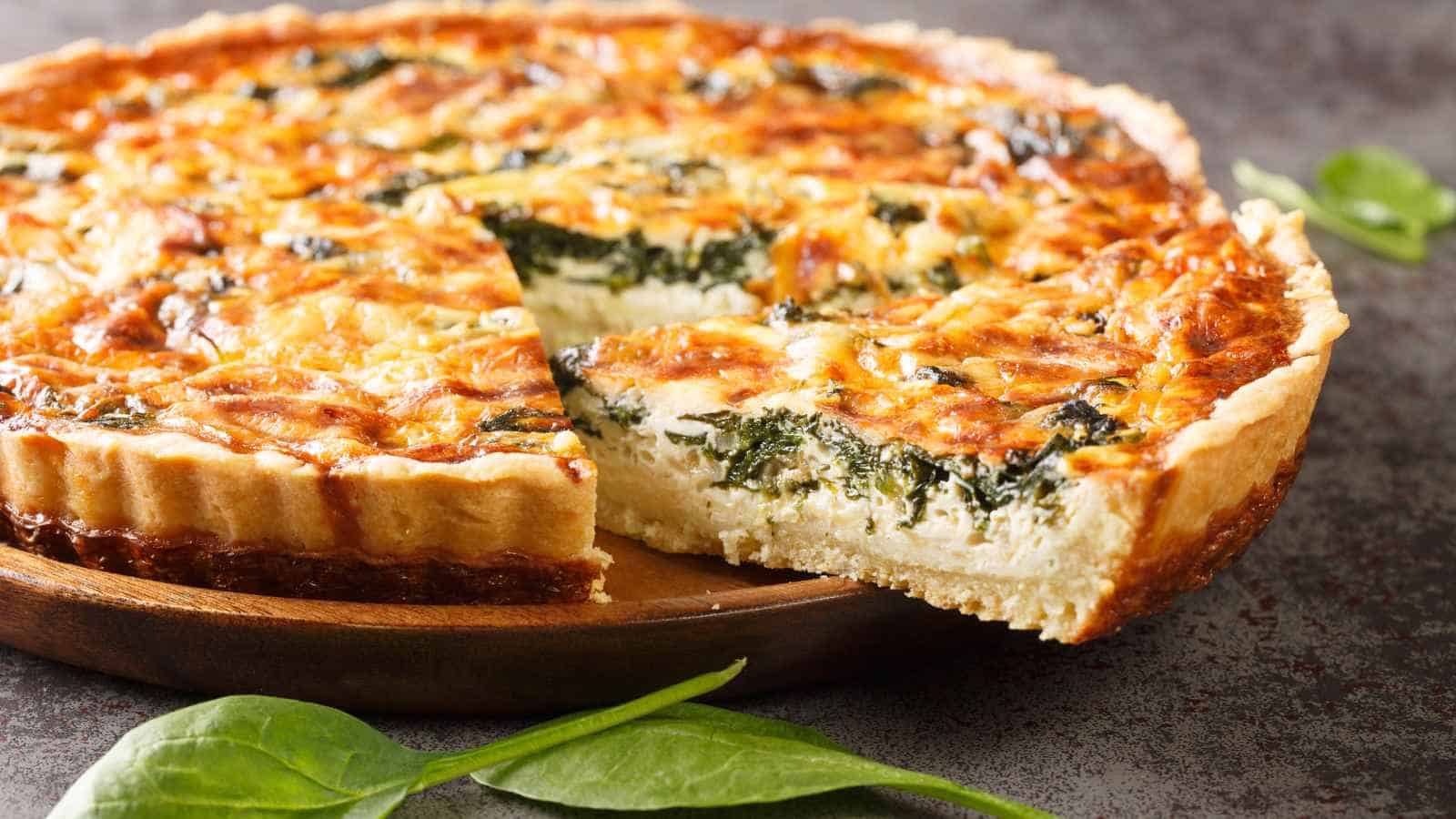
In the 1970s, quiche handed home cooks a secret weapon: effortless sophistication without the kitchen chaos. A simple alchemy of eggs, cream, cheese, and bacon inside a pastry crust yielded a masterpiece fit for brunch showers or late-night company. It felt European and exclusive, yet every ingredient lived on standard supermarket shelves.
While Julia Child demystified French cuisine on television, everyday hosts quietly revolutionized middle-class entertaining. But beneath its smooth, savory custard layer, this overnight culinary sensation was about to ignite an unexpected cultural war across American dinner tables.
Sloppy Joes

Sloppy Joes gave American moms a messy dinner that kids rarely rejected. According to Allrecipes, it is the quintessential American comfort food: ground beef simmered in tomato sauce with seasonings and onions, then served on soft buns with glorious chaos. It lands on soft buns with glorious chaos.
The dish conquered kitchens because it stretched meat, moved quickly, and felt much more fun than a formal plate of protein and vegetables. It fit perfectly into a casual decade where families gathered around TV trays, picnic tables, school cafeterias, and weeknight counters. You might think you know this messy classic, but its unexpected origin story changes everything.
Pot roast and slow-cooker meals
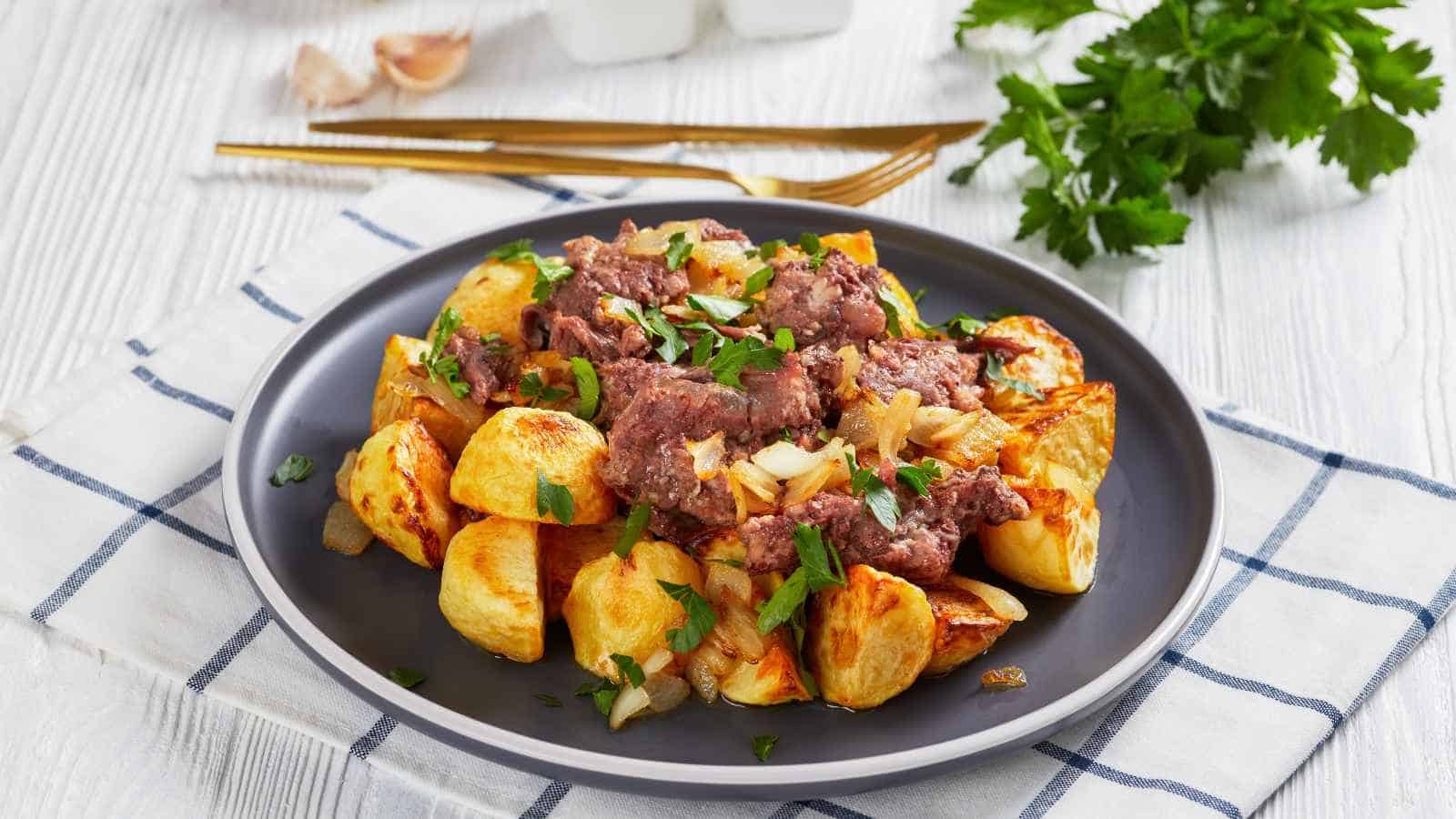
Pot roast filled 1970s homes with the rich aroma of Sunday dinner, even on chaotic weekdays. Busy mothers seasoned tough cuts of beef, tossed them with carrots, potatoes, and onions, and let hours of slow simmering transform cheap ingredients into pure comfort.
The invention of the Crock-Pot amplified this culinary magic, allowing for hearty meals to be cooked entirely unsupervised while parents worked and children studied. This clever appliance turned patience into a brilliant kitchen strategy, keeping the tradition of hot, home-cooked family dinners alive during a major cultural shift. But this convenient countertop marvel didn’t just save time; it secretly revolutionized American comfort food forever.
Watergate salad
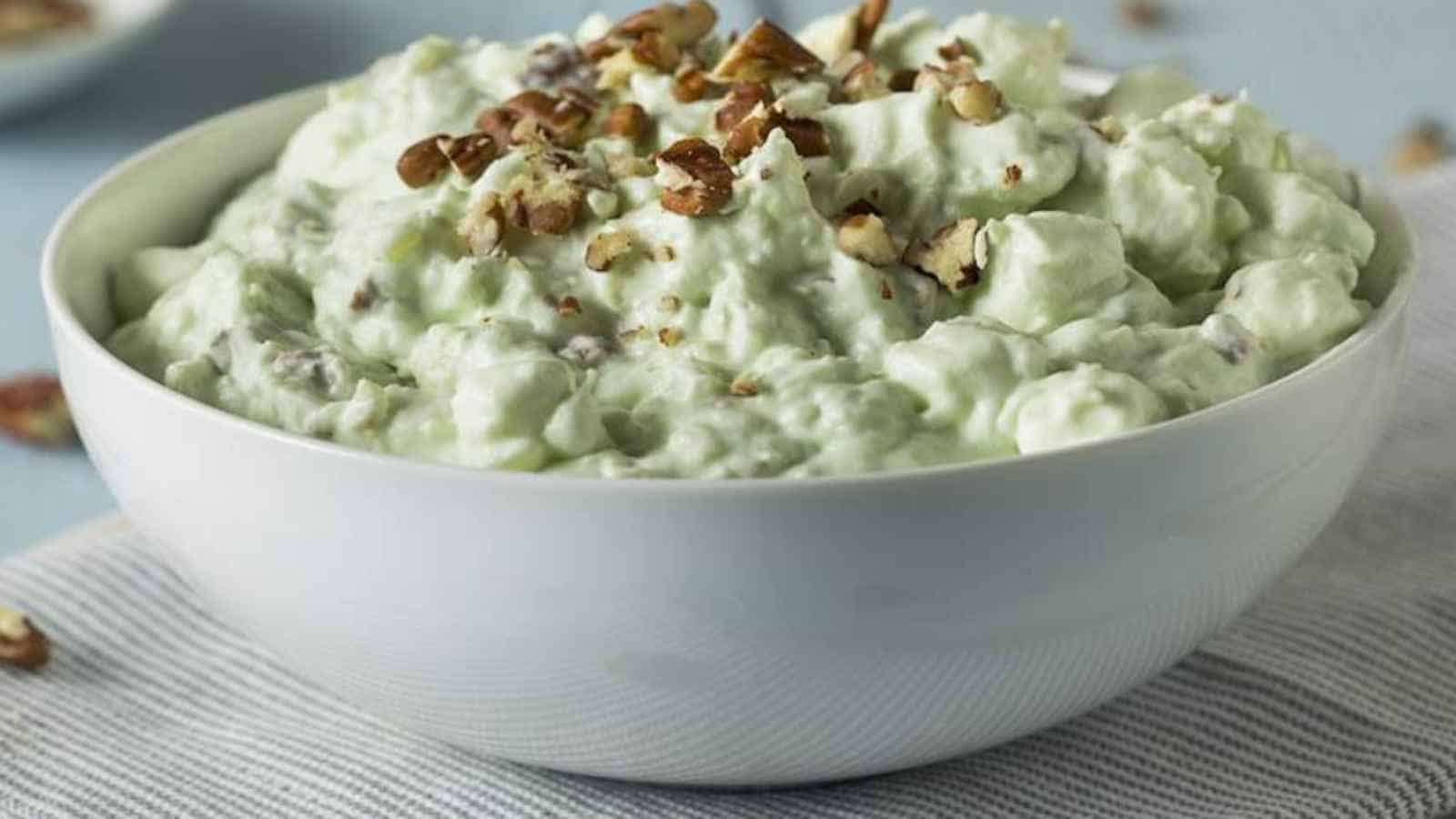
Watergate salad turned dessert into a fluffy green mystery that somehow belonged beside the main meal. Moms mixed pistachio pudding, canned pineapple, marshmallows, nuts, and whipped topping, then chilled it until it looked potluck-ready.
The dish needed no oven, no complicated steps, and no quiet elegance. That made it perfect for church suppers, backyard meals, holiday spreads, and family gatherings where one more sweet bowl never hurt. As Southern Living highlights, this beloved potluck classic officially debuted in 1975 as Kraft’s “Pistachio Pineapple Delight.” The name changed, the nostalgia stuck, and the green fluff became a true 1970s character.
Key takeaway
The 1970s American kitchen was a quiet battleground of shifting culture, far beyond a mere exercise in nostalgia. As millions of mothers entered the workforce, the nightly dinner ritual required a drastic reinvention. Whipping up processed casseroles, Hamburger Helper, frozen TV dinners, and Crock-Pot stews wasn’t just about convenience; it was a survival tactic for balancing tight budgets and frantic schedules.
These quick comfort foods paved the way for modern dining habits by forever altering how families gathered. Beneath the layers of Jell-O molds and canned soups lies the blueprint of today’s fast-paced domestic life, leaving a savory trail of secrets still waiting to be uncovered.
Disclaimer – This list is solely the author’s opinion based on research and publicly available information. It is not intended to be professional advice.
Like our content? Be sure to follow us.