Beyoncé reveals how a father’s love inspired Jay-Z’s 8-year hair journey
For nearly nine years, Jay-Z’s locs were as much a part of his public identity as his music. Then, in May, he walked onto a stage in Philadelphia with a full afro, and the internet wanted to know why.
On Father’s Day, Beyoncé’s haircare brand Cécred answered with a seven-minute film called “The Blueprint,” narrated by Beyoncé herself, tracing the real story behind the change.
What she revealed reframes a decade of jokes at her family’s expense.
A father noticed what his daughter couldn’t say out loud
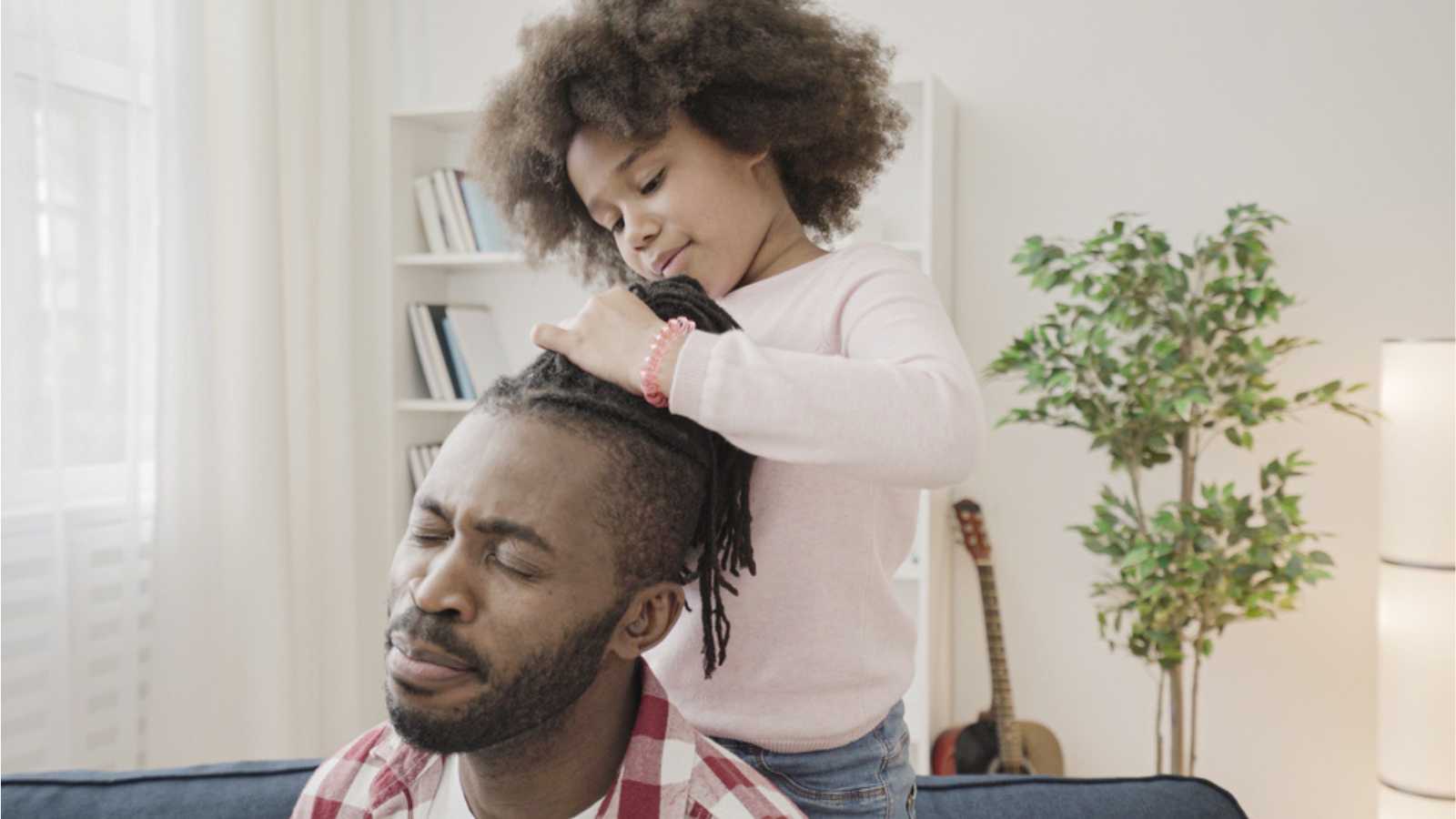
According to Beyoncé, their daughter was about five years old when she started losing confidence in her own hair, and that moment is what pushed Jay-Z to grow his out. Blue Ivy didn’t fully grasp that her father’s hair had the same texture as hers until he made the deliberate choice to let it grow out.
The timing matters. Blue Ivy was born into a level of scrutiny most adults never face, let alone a toddler. An online petition mocking her hair circulated when she was still a baby, and by the time she was two and a half, commentators were publicly comparing her curl pattern to the looser textures of other celebrity children. A bit on BET’s “106 & Park” in 2014 turned her hair into a punchline, with the host joking that her parents never combed it.
That is the backdrop Beyoncé says shaped a five-year-old’s sense of her own hair, and it’s the backdrop her father responded to without a press release or a public statement. He simply started growing his hair to match hers.
Why the locs carried so much weight to begin with
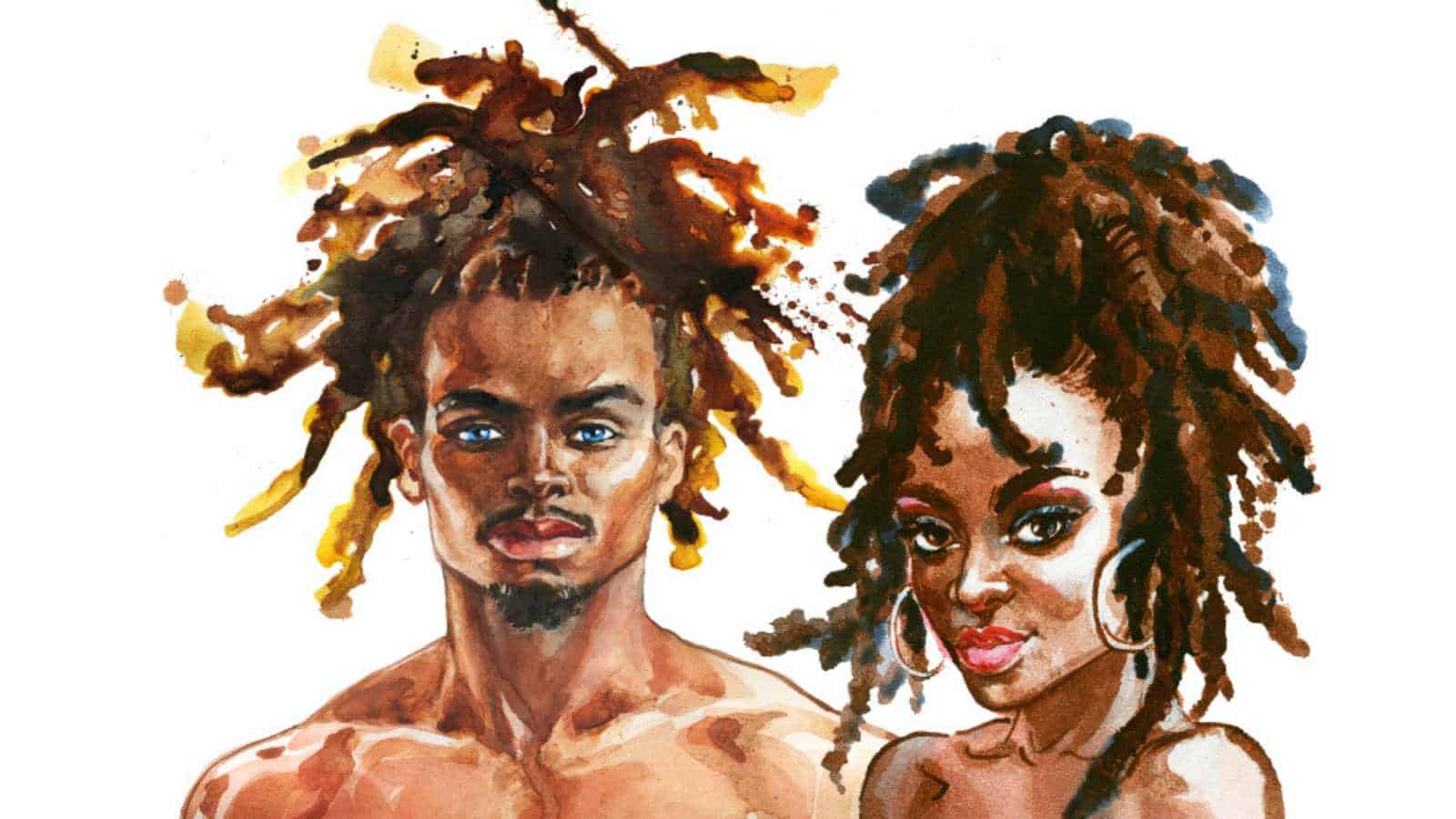
Jay-Z’s locs became as recognizable as his lyrics over the years, more than just a style choice but a visible marker of patience and a kind of quiet fatherhood. What looked to outsiders like a celebrity hairstyle was, by Beyoncé’s account, a sustained act of solidarity that outlasted trend cycles, album rollouts, and a global pandemic.
The arc didn’t stop with Jay-Z. Blue Ivy went on to narrate the Oscar-winning animated short Hair Love, turning the same confidence her father had helped build into something she could pass on publicly. The hair that once drew ridicule became, through her own voice, a story about self-acceptance for other kids watching.
A second reason emerged this year
Earlier this year, Jay-Z decided it was time to let the locs go, after wearing them for roughly a decade to show Blue Ivy, now around 14, what natural hair could look like. He was preparing to headline a show with The Roots in Philadelphia and wanted to debut an afro in honor of his late father, Adnis Reeves, who wore a full afro himself and was a devoted fan of the city’s basketball team.
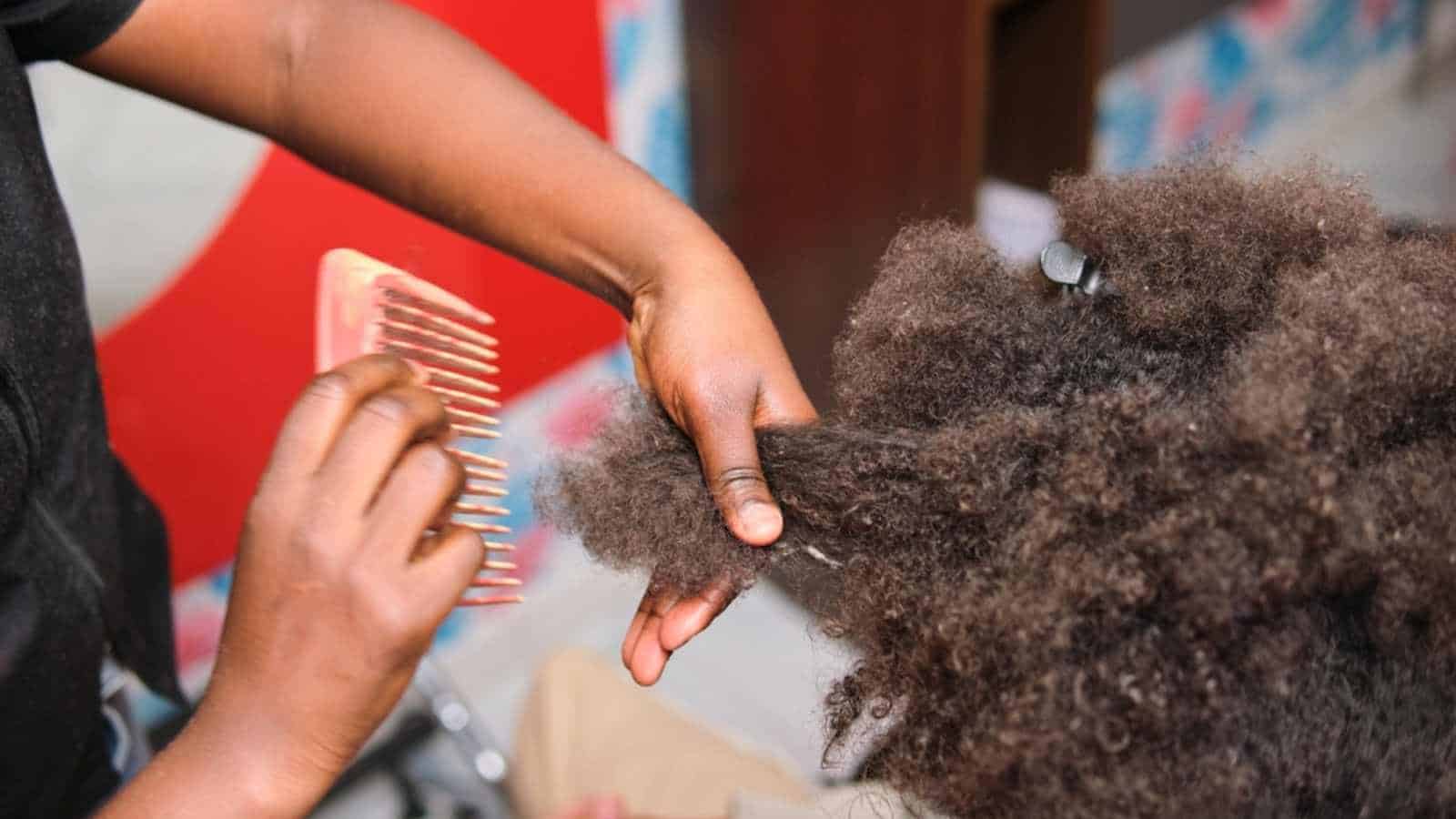
Combing out almost nine years of locked hair is not a quick salon visit. Hair naturally sheds 50 to 150 strands a day, which means nearly nine years of shed hair had to be carefully worked loose from the bottom up rather than simply cut away. The process took six days and roughly eight bottles of conditioner, handled by hairstylist Letisia Ravelo alongside the family. Blue Ivy, the same daughter whose childhood insecurity had started the whole journey, was there helping detangle her father’s hair at the end of it.
Why Beyoncé hesitated to let it go
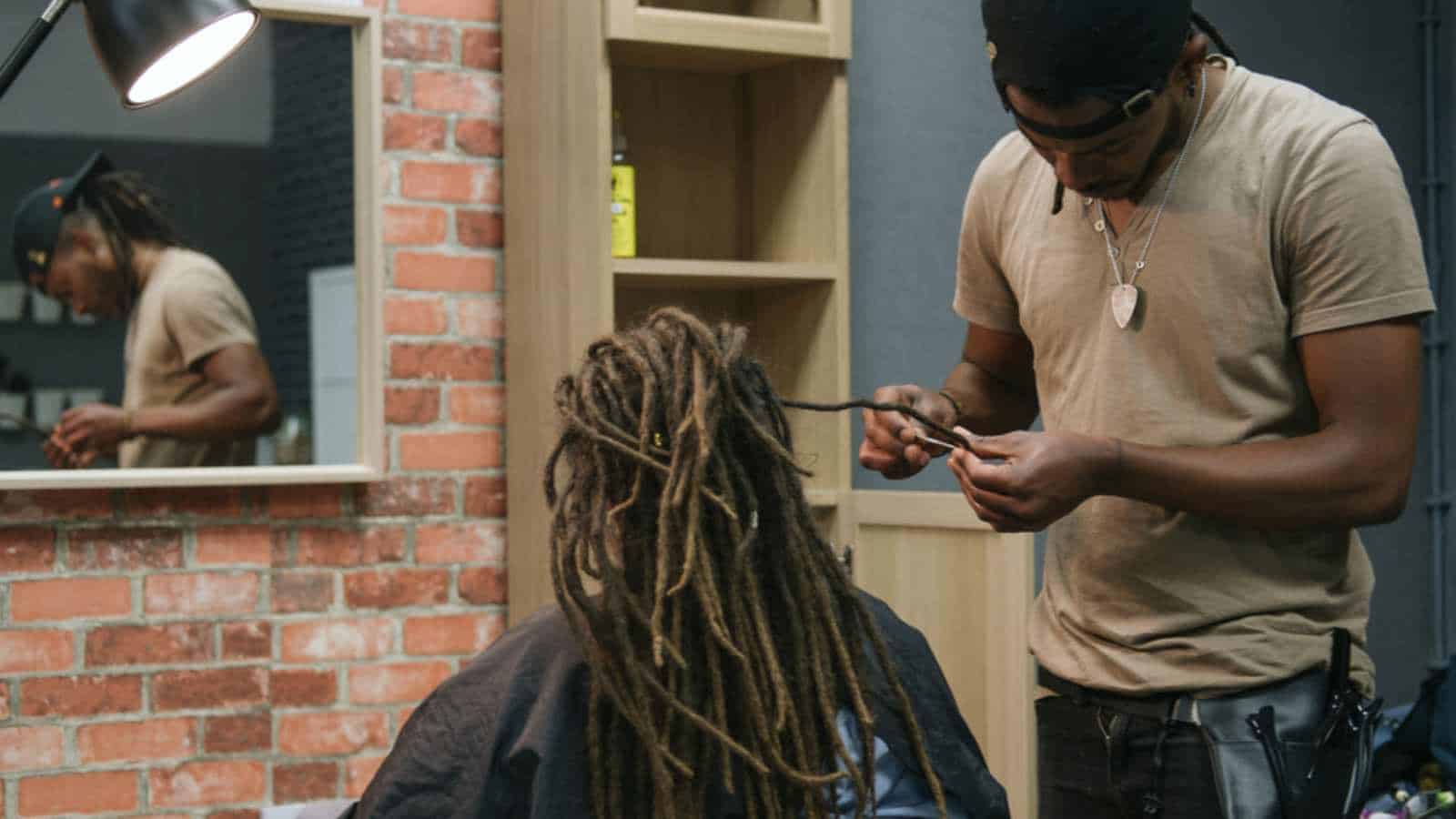
Beyoncé admitted she had mixed feelings about the locs disappearing, saying she was pretty attached to them and hadn’t really wanted Jay to cut them, because they held a lot of memories. It’s a small detail, but it says something larger about how families attach meaning to the physical things that mark the passage of time: a hairstyle becomes a stand-in for years of a child growing up, a marriage continuing, a father grieving his own dad in his own way.
The reaction has been about more than hair
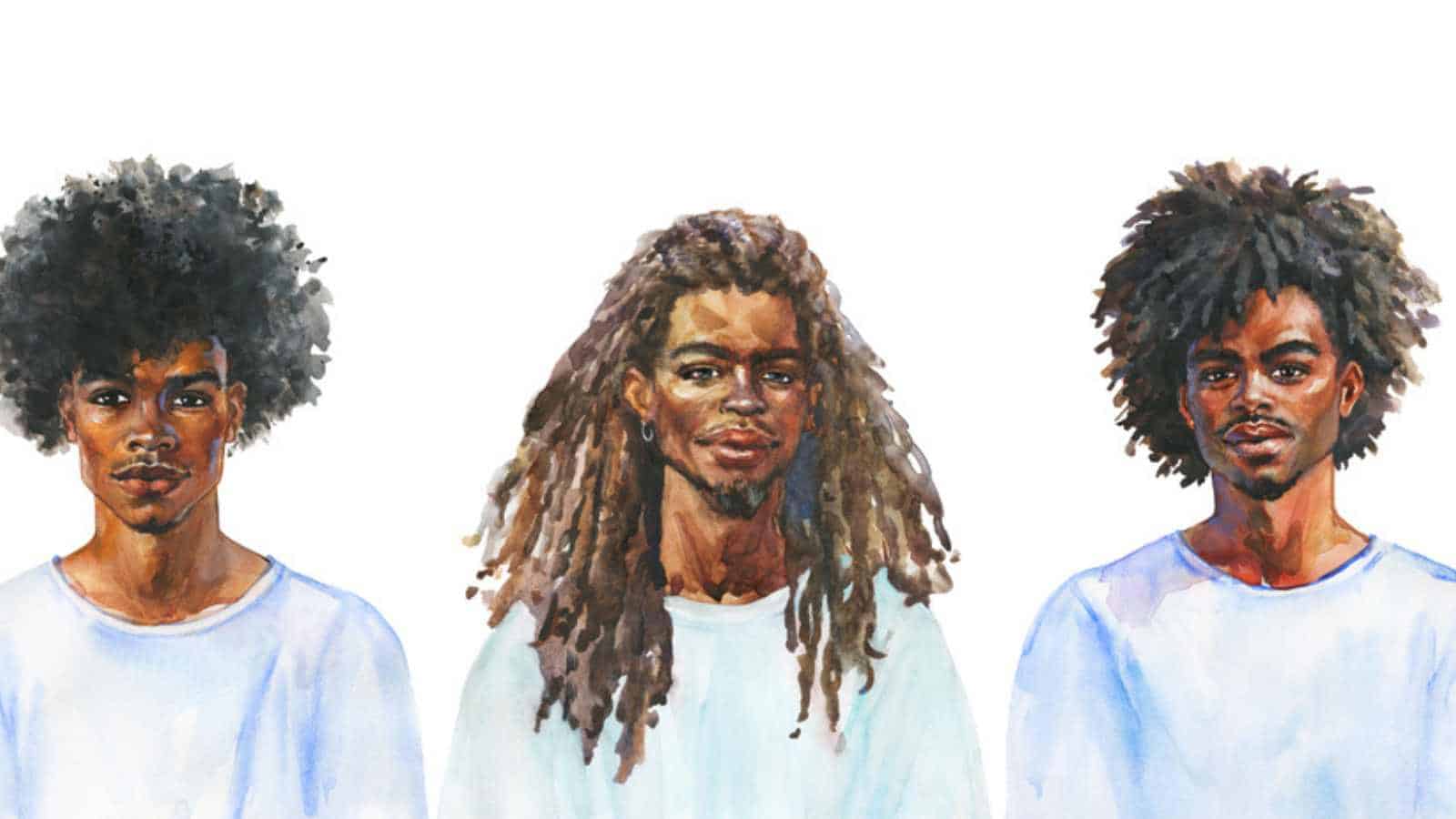
The reveal has effectively recontextualized years of public mockery aimed at Jay-Z’s hairstyles, from his braids to the afro itself. Commentators who once treated his look as a punchline are now reading it as evidence of a father quietly building his daughter’s confidence in real time, with no audience, for the better part of a decade.
That reversal lands harder given the texturism Blue Ivy faced as a child. Research on colorism and texturism among Black and Latina women has linked tightly coiled hair textures to higher rates of bullying and identity-related distress, which is precisely the dynamic Beyoncé says her family was trying to counteract at home before the rest of the world ever weighed in.
What this really says about fatherhood

What reads as a celebrity grooming story is really about something most families recognize: a parent responding to a child’s quiet insecurity not with words, but with a years-long, unglamorous commitment that nobody was meant to see or applaud. Jay-Z didn’t grow his hair for an audience. He grew it for one five-year-old who needed to see her own reflection in someone she trusted.
The afro he debuted decades later, in honor of his own father, just closes the loop: a man shaped by his dad’s example, shaping his daughter’s, on the same head of hair.
Disclaimer – This list is solely the author’s opinion based on research and publicly available information. It is not intended to be professional advice.
Like our content? Be sure to follow us.