Flu outbreak at Texas base hits 222 cases after Hegseth ends vaccine mandate
One cough can sound small until it moves through a barracks. At Joint Base San Antonio-Lackland, that fear now hangs over a flu outbreak that has grown from a local health concern into a national fight over vaccines, military readiness, and personal choice.
News 4 San Antonio reported that Rep. Joaquin Castro said the outbreak had reached 222 cases, after ABC News first reported at least 159 cases and two hospitalizations among Air Force recruits.
The timing is what made the story explode. ABC News reported that the flu vaccination rate among recruits at the San Antonio base had fallen to about 40% after Defense Secretary Pete Hegseth ended the military’s annual flu-shot mandate. Before that change, the rate had been nearly 100%.
That sharp drop matters because basic training is not normal life. Recruits do not sleep in quiet private rooms, move on loose schedules, or recover at home on the couch. They live close, eat close, train close, and breathe the same tired air after long days built to test the body.
What Happened at the Texas Base
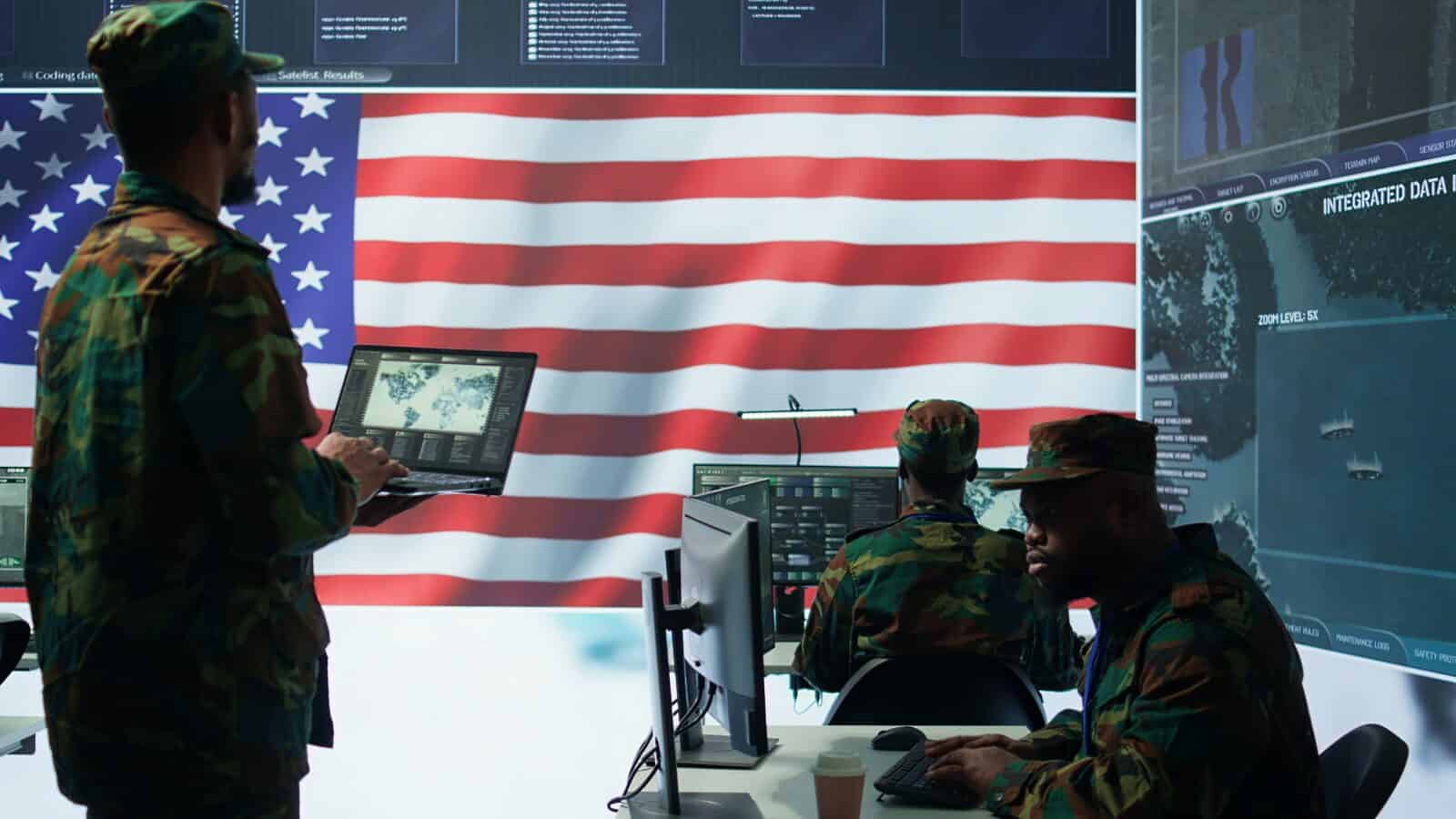
The outbreak emerged in early June at Joint Base San Antonio-Lackland, the Air Force’s main Basic Military Training hub. Military Times reported that the 37th Training Wing trains more than 36,000 troops per year, and the flu cluster hit the trainee population, not a quiet office setting with private desks and open windows.
ABC News reported that at least 159 recruits were ill and two were hospitalized, while News 4 San Antonio later reported Castro’s update that the case count had passed 200. The Air Force also confirmed that trainee Keon McDaniel died on June 16 after a medical emergency at Brooke Army Medical Center, but officials said the cause remained under investigation and had not been publicly linked to the flu outbreak.
Base officials described the outbreak as localized to Basic Military Training, where new recruits live and move in groups. Military Times reported that symptomatic trainees were receiving care with antiviral medications such as Tamiflu, while those exposed were being monitored, and sick recruits were kept out of training until cleared by medical professionals.
That matters because basic training is built on rhythm: wake up together, drill together, eat together, recover together. When more than 200 trainees get sick in about three weeks, the illness is no longer just a medical chart. It becomes a schedule problem, a readiness problem, and for families watching from home, a very personal fear.
How Ending the Flu Mandate Changed the Risk
Reuters reported that Hegseth announced on April 21, 2026, that U.S. military personnel would no longer be required to receive the annual flu vaccine. The Defense Department said the vaccine would become voluntary for active-duty service members, reserve personnel, and civilian staff.
In the Pentagon’s own announcement, Hegseth called the old rule “overly broad and not rational,” and said service members could take the shot if they believed it was in their best interest, but would not be forced. The policy landed inside a force of about 1.3 million active-duty troops and more than 750,000 National Guard and Reserve members, according to Reuters.
At Lackland, the practical change appears to have been sharp. ABC News reported that flu vaccination among recruits at the San Antonio base dropped to about 40% after the mandate ended, down from nearly 100%. In ordinary civilian life, a person who skips a flu shot may mostly think about their own risk.
In basic training, the math gets tighter. A recruit is not just one person in one bedroom. They are part of a formation, a dorm bay, a dining line, a classroom, and a shared schedule. The CDC says a yearly flu vaccination is the best way to reduce the risk of flu and serious complications. In a barracks, that protection has a second job: it helps slow the sparks before they move from bed to bed.
Military Health Experts: This Was a Predictable Stress Test
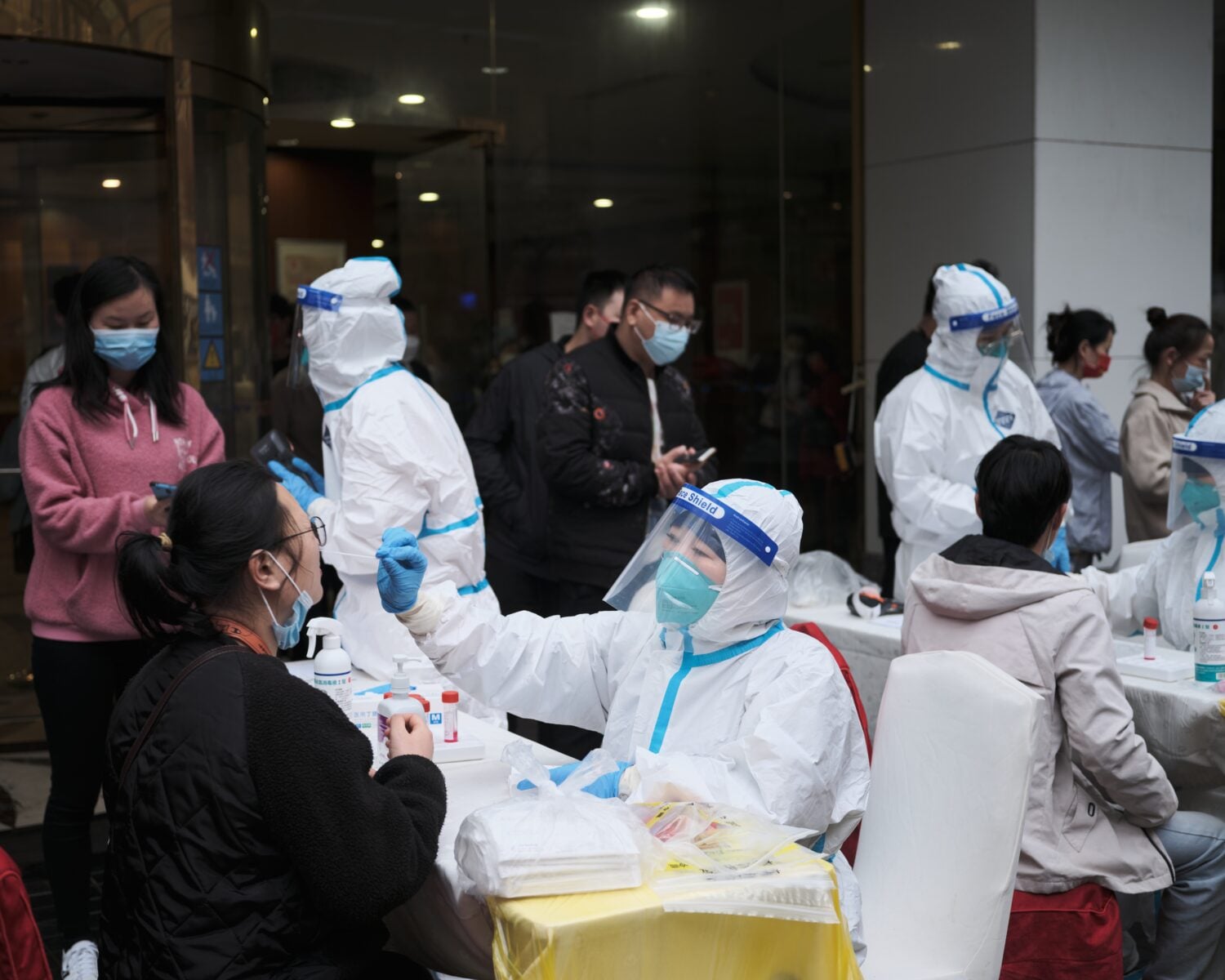
Military health researchers have warned for years that recruit settings are fertile ground for respiratory outbreaks.
A 2025 Military Health System report on an adenovirus outbreak at Marine Corps Recruit Depot San Diego stated that “Military recruit populations are uniquely susceptible to acute respiratory disease outbreaks due to the rapid grouping of large numbers of people from a broad range of geographic areas into crowded, congregate, and high-stress living conditions.”
That report documented 212 adenovirus cases and 28 hospitalizations from July through September 2024 and found that the outbreak was not significantly slowed until vaccine timing was moved earlier. That history gives the Lackland outbreak a deeper frame. It was not happening in a random workplace.
It was happening in the kind of setting that military medicine already knows well: young adults arriving from many places, under physical stress, sleeping close together, and pushing through long days. Military Times cited a report saying trainees have long been vulnerable to acute respiratory disease because of physical, environmental, and psychological stress.
STAT, in an April 2026 analysis by Dr. Paul Friedrichs, a retired military medical officer and former senior medical adviser to the Joint Chiefs, made the risk plain: “Asserting that flu poses no risk is untrue.” He also noted that people with flu can spread it before symptoms appear, which makes waiting for sick call a weak shield once a virus is already moving.
A Quick Policy Reversal at Lackland

The outbreak quickly tested the new national policy. ABC News reported that the Defense Department granted exceptions to the voluntary flu-shot policy for the Army, Navy, Air Force, National Security Agency, and Defense Health Agency.
Pentagon spokesman Sean Parnell told ABC News that those decisions were based on risk assessments and were designed to support operational readiness, force generation, and at-risk populations.
Military Times later reported that the Air Force received an exemption to vaccinate all trainees, while The Guardian and local outlets reported that mandatory flu vaccination was reinstated for Lackland recruits after cases spiked.
That is the tension at the heart of the story. A policy built around medical choice met a base environment built around shared risk. Castro, whose district includes the base, called for answers after the outbreak and the trainee’s death, saying in a June 18 statement that nearly 160 service members were ill at the time and that his office had asked the Defense Department for more information.
By June 19, News 4 San Antonio reported his update that the outbreak had topped 200 cases. The local reversal does not settle the national debate, but it does show how fast a broad principle can run into the practical work of keeping a training wing moving.
Why Basic Training Is So Vulnerable

Basic training is almost custom-made for respiratory spread. Recruits arrive from different states, airports, homes, schools, jobs, and climates. Then they move into close quarters, sharing bathrooms, meals, instructors, stress, and exhaustion.
ABC News reported that the Lackland outbreak was localized among basic training trainees, while the Military Health System’s 2025 outbreak report described recruit settings as crowded and high-stress. That same report found that early vaccine action in a recruit setting can prevent disease outbreaks, medical separations, and training disruption.
The researchers behind that Military Health System report put the lesson in direct terms: “Recruit vaccination prior to, or very soon after, arrival to a military recruit setting minimizes the impacts of adenovirus by preventing disease outbreaks, medical separations, and training disruption.”
They were writing about adenovirus, not Lackland’s flu outbreak, but the setting logic carries weight. The virus may be different, but the barracks problem is familiar. The CDC says flu vaccination continues to help reduce severe illness, hospitalization, death, and overall community spread. In a recruit squadron, “community” is not a soft word. It is the room, the row of bunks, the bus, the chow hall, and the person standing six inches away.
The National Debate: Autonomy vs. Readiness

The Lackland outbreak became national news because it touches a raw American argument: how much control should institutions have over a person’s body?
Hegseth framed the end of the mandate as a matter of freedom, faith, and medical autonomy. Supporters of the change say troops should not be forced into a seasonal vaccine, especially after years of anger over COVID-19 vaccine rules.
U.S. Medicine reported that more than 8,000 service members were involuntarily discharged after refusing the COVID-19 vaccine during the prior mandate period, a figure that still shapes how many people hear the word “mandate.”
Critics answer with a military-specific point: the armed forces are not built like civilian life. Troops accept strict rules on movement, grooming, fitness, deployment, housing, and risk because the mission depends on group discipline.
U.S. Medicine reported that Senate Armed Services Committee Chairman Roger Wicker called the flu-shot policy change a “mistake,” while Sen. Mike Rounds said of the flu shot, “It’s a proven vaccine.”
Dr. Friedrichs, writing in STAT, also tied flu prevention to readiness, noting that flu spreads in close-contact military spaces such as ships, tents, tanks, submarines, barracks, training facilities, and planes. In that world, one person’s choice can become another person’s sick bay.
What Makes This Outbreak Different

Several details made the Lackland outbreak stand out. First, the speed and scale: ABC News reported 159 cases and two hospitalizations, Military Times reported more than 200 trainees sickened, and News 4 San Antonio reported Castro’s 222-case update.
Second, the timing: Reuters reported the flu mandate ended on April 21, and the outbreak hit within weeks. Third, the vaccination shift: ABC News reported that recruitment for vaccination fell from nearly 100% to about 40%. Fourth, the policy response: the Air Force received an exemption to vaccinate trainees after the outbreak grew.
Then there is the human cost. The Air Force confirmed Keon McDaniel’s death after a medical emergency, and Military Times reported that he was in his sixth week of basic training. Officials have not confirmed that his death was caused by influenza, so the fair way to say it is this: his death added grief and urgency to a situation already under pressure.
Public health debates often become cold because they run on percentages, policies, and acronyms. This one has numbers, yes. But it also has recruits, parents, commanders, medics, and one young trainee whose cause of death remains under review.
A Short Reflective Close
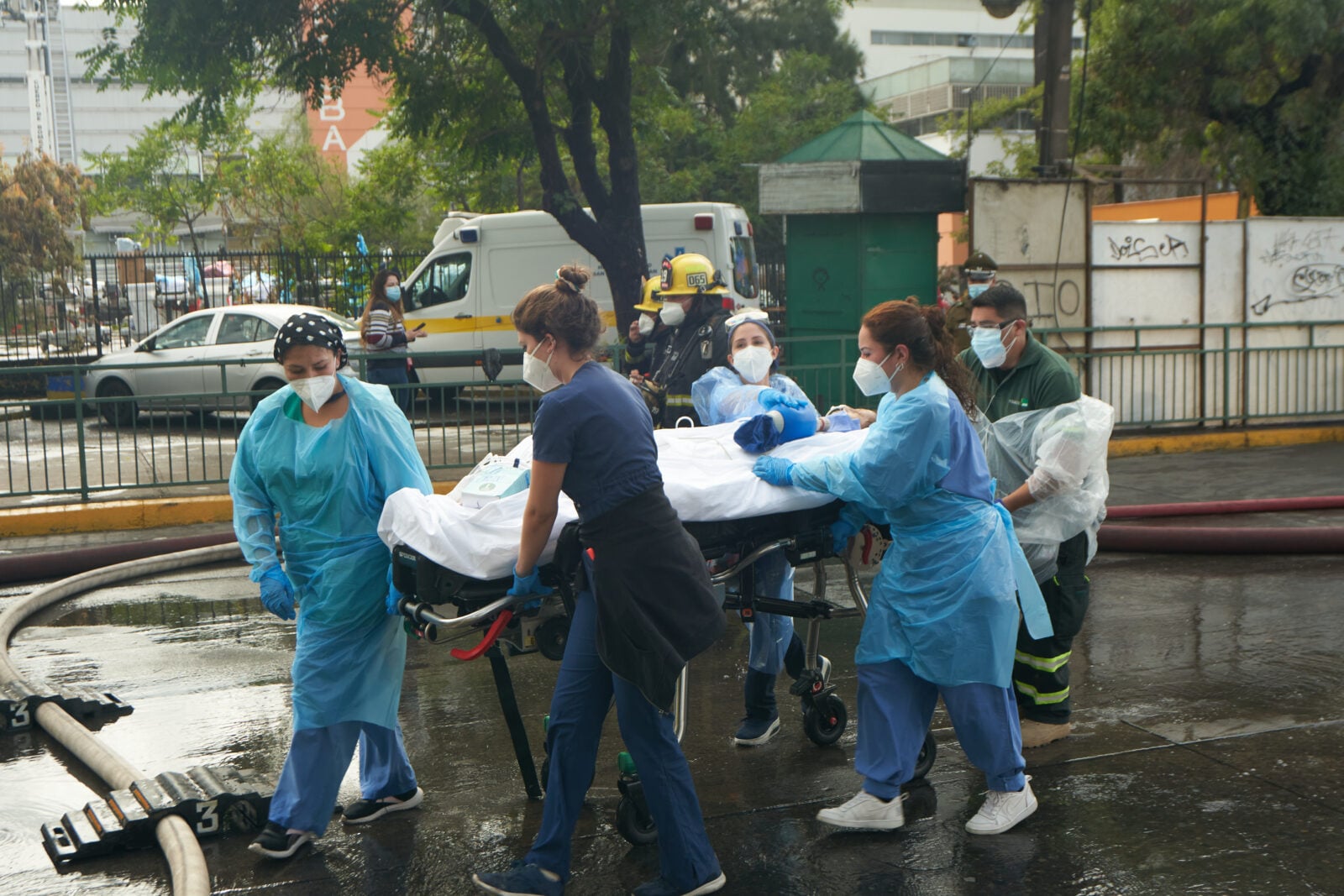
The Lackland outbreak is not proof that every vaccine policy must look the same forever. It is also not a small flu story that can be waved away because most trainees will recover. It sits in the hard middle, where personal choice meets collective duty, and a virus tests the gap between the two.
A barracks is not a private living room. A training wing is not a normal office. In the military, health choices can move through a formation before anyone has time to finish the argument.
The next few months may show whether Lackland was an isolated warning or the first sign that more commanders will ask for exceptions when voluntary vaccination conflicts with high-risk training.
Key Takeaways

- News 4 San Antonio reported that Rep. Joaquin Castro said the Lackland flu outbreak had climbed to 222 cases, after earlier reports placed the count at 159 cases and two hospitalizations.
- ABC News reported that flu vaccination among recruits at the San Antonio base dropped to about 40% after Hegseth ended the mandate, down from nearly 100%.
- Reuters reported that Hegseth ended the annual military flu-shot requirement on April 21, 2026, making the vaccine voluntary for active-duty, reserve, and civilian personnel.
- The Air Force confirmed that trainee Keon McDaniel died after a medical emergency, but officials said the cause remained under investigation and had not been publicly tied to the flu outbreak.
- Military health research shows recruit training settings are highly vulnerable to respiratory outbreaks because large groups arrive from different places and live under crowded, stressful conditions.
- The Air Force received an exemption from vaccinating trainees after cases rose, highlighting the real tension between medical autonomy and military readiness.
Disclaimer – This list is solely the author’s opinion based on research and publicly available information. It is not intended to be professional advice.
Like our content? Be sure to follow us