Mom vows to stop being her 10-year-old’s personal chef. Here is why.
The discussion began on Reddit when a mother shared her frustration over her nearly 11-year-old son.
While perfectly capable of preparing his preferred snack of cucumbers with Tajín seasoning, the boy refused to eat them unless a parent prepared the dish. If denied, he would simply bypass the boundary by asking his father, who frequently complied, or refuse to eat altogether.
The post quickly accumulated hundreds of responses from parents navigating the same invisible boundary: When does helping a child cross over into hindering their development?
The high cost of over-parenting

The phenomenon of doing for children what they can reasonably do themselves is not unique to this household. Psychologists refer to this dynamic as cultivated dependency or parental over-accommodation.
While rooted in affection or a desire to minimize friction in a hectic daily schedule, consistently stepping in to handle basic tasks can inadvertently signal to a child that they are incompetent.
When parents act as personal concierges, preparing every cereal bowl or loading every toaster, they rob children of small opportunities to build self-efficacy.
Research in child development consistently shows that everyday household competence serves as a foundation for broader psychological resilience. Children who lack these micro-skills often face higher rates of anxiety when confronted with the unstructured independence of adolescence and young adulthood.
The parental trap of convenience

Many parents admit that over-servicing their children is less about coddling and more about survival.
In households managed by working parents, allowing a 10-year-old to cut a cucumber, slice a bagel, or pour milk often introduces mess, delay, and potential conflict. It is frequently faster, cleaner, and quieter for an exhausted adult to simply do the task themselves.
This shortcut creates a behavioral loop. Children learn that passive resistance or a mild refusal to eat will eventually exhaust a parent’s patience, leading the parent to take over. The viral Reddit post highlighted another common compounding factor: parental misalignment.
When one parent tries to enforce a boundary and the other steps in to maintain the status quo, the child learns to navigate the system rather than learn the skill.
Fortunately, the mother later updated her post to share that she and her husband recognized this trap. They established a unified strategy to sit their son down after summer camp to reset expectations, ending the era of the parental personal chef.
Resetting the baseline of independence
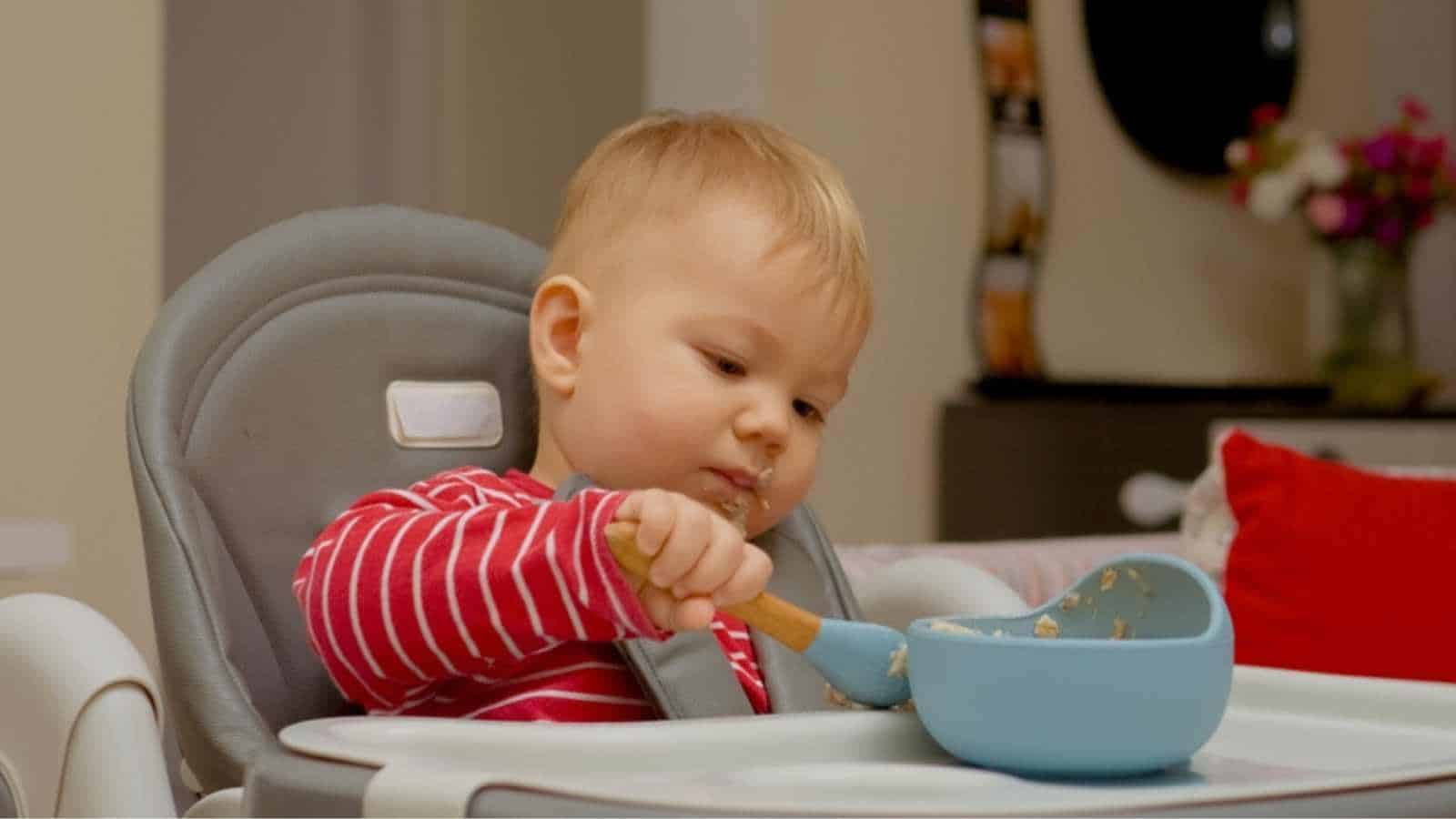
Child development experts suggest that preteens are more than capable of managing basic meal preparation, packing school bags, and tracking their own schedules. Transitioning a child from dependence to self-reliance requires shifting from a service mindset to a teaching mindset.
- Establish a unified front: Co-parents must agree on which tasks the child is responsible for to prevent the child from exploiting systemic loopholes.
- Embrace the mess and delay: Parents need to allocate extra time for children to complete tasks poorly or slowly at first without stepping in to fix the result.
- Normalize natural consequences: If a child chooses not to prepare their own snack, the consequence is simply going without that snack until the next meal, allowing them to experience the outcome of their choice.
The widespread engagement with this mother’s dilemma suggests a growing cultural exhaustion with hyper-parenting. By stepping out of the kitchen and allowing their children to manage the toaster, parents are not abandoning their duties. They are offering their children the far more valuable gift of competence.
Disclaimer – This list is solely the author’s opinion based on research and publicly available information. It is not intended to be professional advice.
Like our content? Be sure to follow us.