10 Grounding Practices That Calm Anxiety Instantly
Anxiety can feel like a storm inside your mind, pulling your thoughts in every direction except the present. When worries about the future or regrets about the past take over, it’s easy to feel overwhelmed and disconnected. This is where grounding comes in. Grounding is a set of simple, actionable techniques designed to pull you out of your anxious thoughts and reconnect you with the here and now.
Feeling anxious is a common human experience. Almost a third of adults will experience an anxiety disorder at some point during their lives, according to the National Institute of Mental Health. The good news is that you have the power to manage these feelings. Grounding techniques are effective tools that use your five senses or tangible objects to help you regain a sense of control and calm.
The 5-4-3-2-1 Method
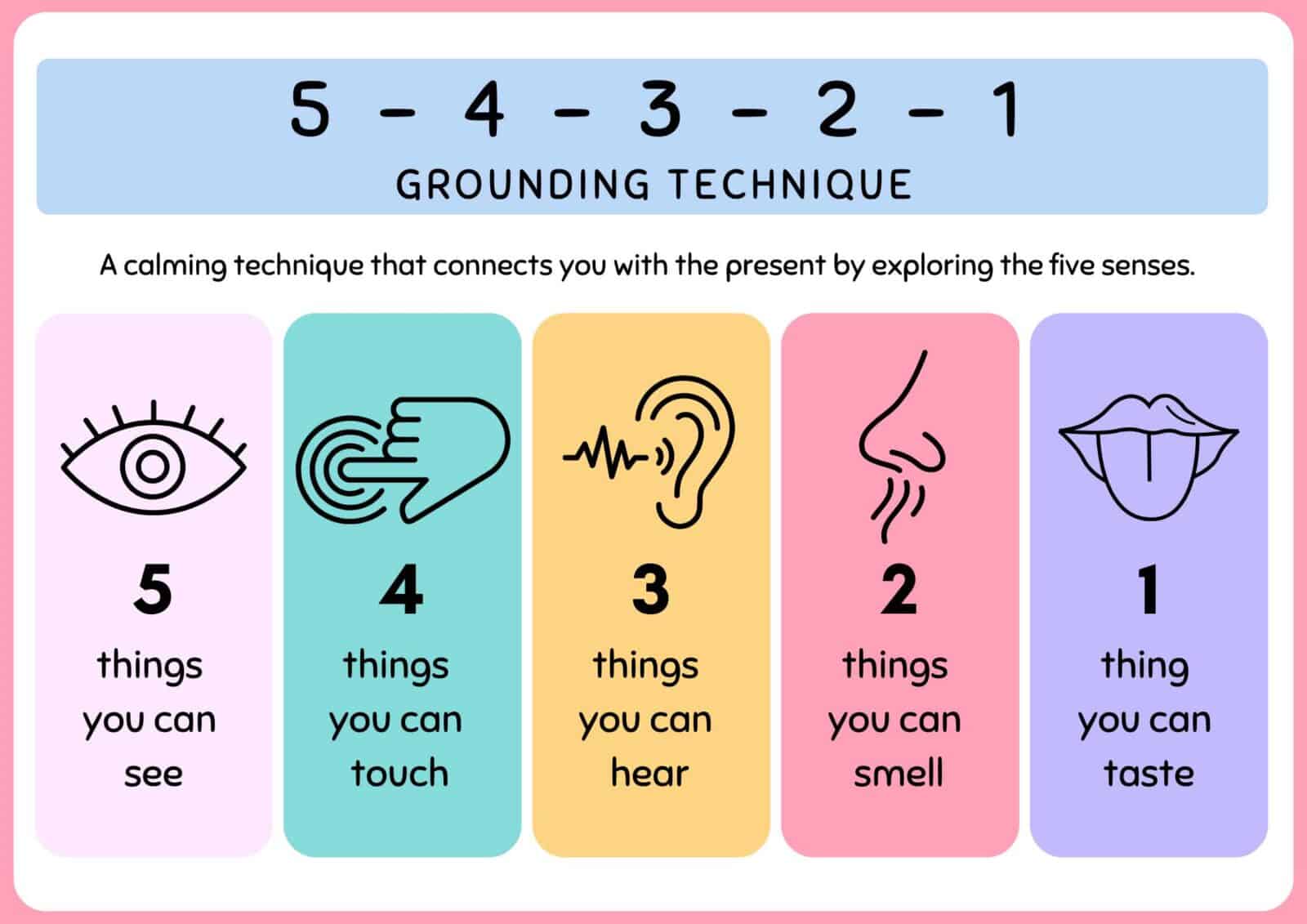
The University of Rochester reports that this is a classic grounding technique because it works so well. It guides you to notice the world around you using each of your senses. The process is simple:
- 5: Acknowledge five things you can see. Look for small details—a crack in the ceiling, the way light hits a leaf, a specific color.
- 4: Notice four things you can feel. This could be the texture of your pants, the smooth surface of a table, or the feeling of your feet on the floor.
- 3: Listen for three things you can hear. Tune into sounds you might normally ignore, like a ticking clock, distant traffic, or the hum of a refrigerator.
- 2: Identify two things you can smell. Maybe it’s the scent of coffee, soap on your hands, or the faint smell of rain outside.
- 1: Name one thing you can taste. You can pop a mint in your mouth, take a sip of water, or simply notice the current taste in your mouth.
Hold a Piece of Ice

The intense sensation of cold is a powerful way to jolt your focus back to the present. Grab an ice cube from the freezer and hold it in your hand. Focus entirely on the feeling: the sharp cold, the way it slowly melts, the water dripping through your fingers. This strong physical sensation makes it difficult for your mind to stay stuck on anxious thoughts.
Deep Breathing with a Focus

While “take a deep breath” might sound cliché, mindful breathing is a proven anxiety reducer. Try the box breathing technique:
- Inhale slowly through your nose for four counts.
- Hold your breath for four counts.
- Exhale slowly through your mouth for four counts.
- Hold the exhale for four counts.
Repeat this cycle several times. Focusing on the count and the physical sensation of your lungs filling and emptying gives your mind a specific, calming task.
Categorize Objects Around You

Give your brain a simple, logical task to distract it from emotional turmoil. Look around the room and start mentally naming objects in a specific category.
For example, find all the blue things in the room, all the round things, or all the objects made of wood. This cognitive exercise redirects your mental energy from worry to observation.
Feel Your Feet on the Ground

This practice is subtle but incredibly effective. Whether you’re standing or sitting, bring your full attention to the soles of your feet. Notice the pressure and sensation of them connecting with the floor or the inside of your shoes.
Wiggle your toes. Imagine roots growing from your feet down into the earth, anchoring you firmly to the ground. This creates a powerful sense of stability and centeredness.
Listen to a Single Sound

Find one sound in your environment and focus on it completely. It could be the whir of a fan, birds chirping outside your window, or a piece of music. Close your eyes and let that one sound fill your awareness.
Try to pick apart its different layers and qualities. This practice, known as auditory grounding, helps quiet the internal noise of anxiety.
Describe an Object in Detail

Pick up a nearby object—a pen, a set of keys, a coffee mug—and study it as if you’ve never seen it before. Describe it to yourself in immense detail, either out loud or in your head.
Note its color, texture, temperature, weight, shape, and any unique marks or features. This intense focus on a tangible item pulls your mind away from abstract fears and into concrete reality.
The Body Scan Meditation

Lie down or sit comfortably and close your eyes. Starting from the tips of your toes, slowly bring your attention to each part of your body, one by one. Notice any sensations—warmth, tingling, tension, or relaxation—without judgment.
Move slowly up through your feet, legs, torso, arms, and head. Destination Hope states that a body scan helps you reconnect with your physical self. Anxiety often makes us feel disconnected from our bodies. This practice reverses that, fostering a sense of wholeness and presence.
Engage with a Strong Scent
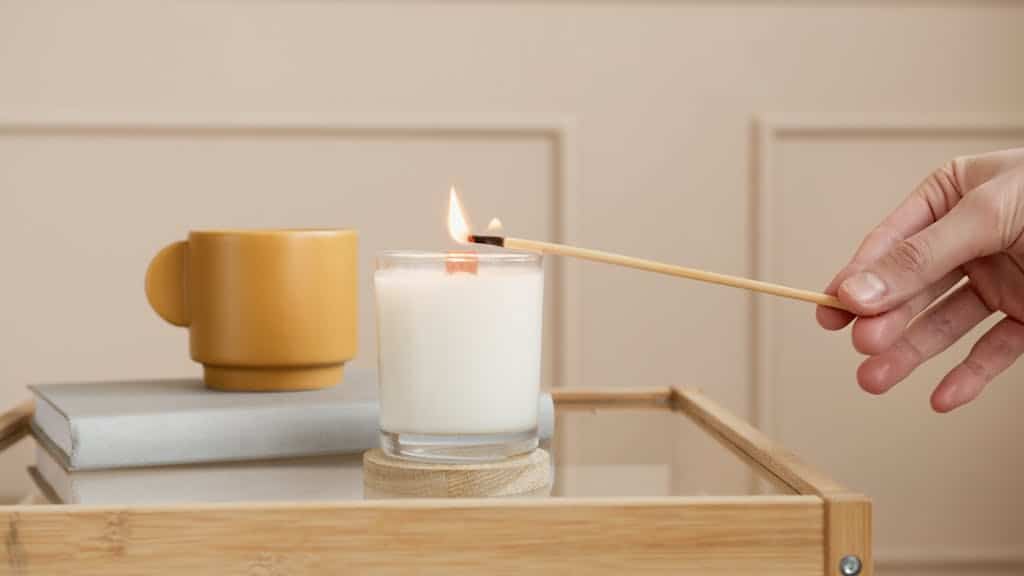
Your sense of smell is directly linked to the brain’s emotional centers. Keep a bottle of essential oil (like lavender or peppermint), a scented candle, or even a lemon or orange peel handy. When you feel anxious, take a slow, deliberate sniff.
Focus completely on the aroma. The strong sensory input can quickly cut through the fog of anxiety and bring you back to the present.
Recite Something by Heart

Engage the cognitive part of your brain by reciting something you know well. This could be the lyrics to your favorite song, a poem you learned in school, a prayer, or a simple mantra.
The act of recalling and speaking the words requires mental focus, leaving less room for anxious thoughts to thrive. Saying it out loud can be especially powerful, as the vibration of your voice adds a physical sensation to the experience.
Find Your Anchor

Anxiety doesn’t have to control your life. These grounding practices are simple, free, and can be done almost anywhere, at any time. The key is to find what works for you. The next time you feel the storm of anxiety brewing, don’t just wait for it to pass.
Try one of these techniques to plant your feet firmly in the present moment. You have the power to calm the storm and find your center again.
6 tips for successful weight loss for women in 2025

6 Tips For Successful Weight Loss For Women in 2025
Successful weight loss for women often calls for an individualized approach, taking into consideration the unique physiological, psychological, and lifestyle factors that influence a woman’s weight. It’s not just about adopting a generic calorie-restricted diet or a strenuous exercise regime. Instead, it encompasses a holistic view of health, including balanced nutrition, regular physical activity, adequate sleep, and stress management.
In this article, we will walk you through a step-by-step guide to help you on your fitness journey and discuss how Ozempic may benefit your weight loss routine.
Science Tells Us What To Expect As We Age: Strategies for Thriving in Later Life

Science Tells Us What To Expect As We Age: Strategies for Thriving in Later Life
How does aging affect our bodies and minds, and how can we adapt to those differences? These are questions that pertain to us all. Aging gradually alters people over decades, a long period shaped by individuals’ economic and social circumstances, their behaviors, their neighborhoods, and other factors. Also, while people experience common physiological issues in later life, they don’t follow a well-charted, developmentally predetermined path. Let’s take a look at what science has told us to expect.