Sony’s Playstation 6 may be closer than gamers expected
For many gamers, the PlayStation 5 still has that “new console” feeling. It took years for stock shortages to ease, prices have stayed stubborn, and some players are only now settling into a PS5 Pro, a bigger SSD, or another $70 game. So when PlayStation 6 rumors start knocking this loudly, it feels less like hype and more like someone changing the channel before the best part is over.
But Sony’s business clock is already moving. The PS5 launched in November 2020, seven years after the PS4 arrived in 2013. Sony Interactive Entertainment says PS5 shipments have surpassed 93 million units as of March 31, 2026, while PlayStation has reached 125 million monthly active users.
Sony’s latest financial materials also say the company has built “an increase in investments for the next-generation platform” into its FY2026 forecast. That does not officially name the PS6. But it does suggest the next PlayStation era is no longer just gamer gossip floating around the internet.
What Has Actually Changed

Sony has not officially unveiled the PlayStation 6. There is no confirmed price, design, launch date, or final spec sheet. That matters because PS6 chatter often mixes real corporate signals with leaks that sound polished enough to pass for fact.
The real shift is that Sony’s own language has moved from silence to next-gen spending. In its FY2025 earnings speech transcript, the company said the FY2026 forecast included more investment in its “next-generation platform.” That is the kind of phrase investors notice. Gamers notice it too, even if Sony is still keeping the box itself behind a locked door.
A second shift is the PS5 sales curve. Game Developer reported that Sony sold 16 million PS5 consoles in FY2025, down from 18.5 million the year before.
Reuters also reported that Sony forecast a 6% drop in annual gaming sales to 4.42 trillion yen, partly due to lower PS5 hardware demand and pressure on memory chip prices. A console can still be huge and still be moving toward late-cycle math.
Why PS6 Feels Closer Now

Console generations tend to have rhythm. The PS4 landed in 2013. The PS5 arrived in 2020. If Sony followed that seven-year beat, a 2027 PS6 would not be wild. If it waits until 2028, the cycle stretches to eight years. If it goes to 2029, the PS5 becomes one of the longest-running PlayStation mainline generations before a successor.
That is why recent analyst chatter has caught fire. GamesRadar reported that some analysts, as cited in Embracer Group’s annual report, believe Sony may delay the PS6’s launch to 2028 or 2029 due to RAM costs and tariff pressures.
That does not mean Sony has made a public decision. It means the PS6 window is being read through a new lens: not just “Can Sony build it?” but “Can Sony launch it at a price people will accept?” That question may define the next console more than any teraflop count.
The Rumored Hardware Sounds Big, but It Is Still Rumor
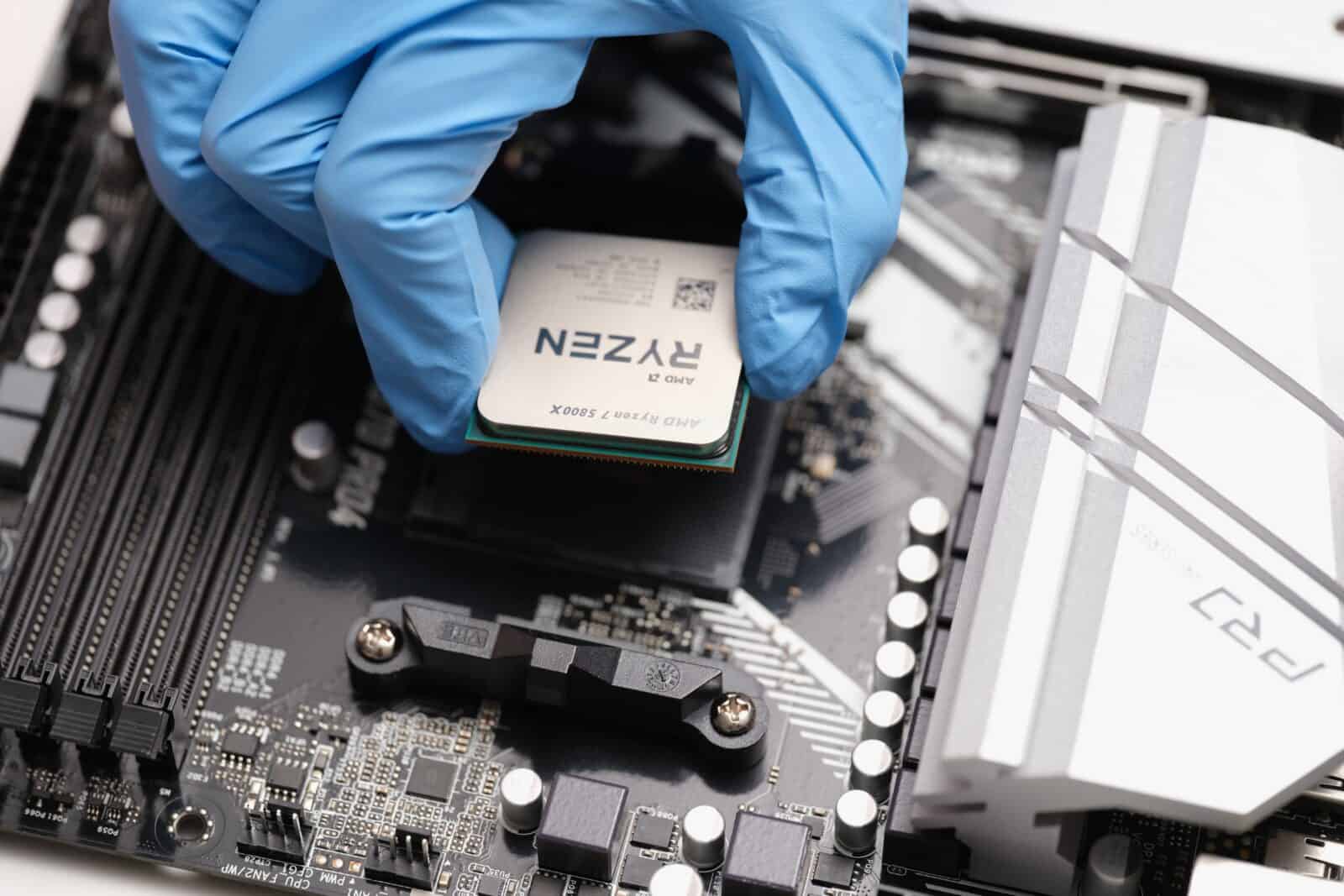
The most exciting PS6 talk lives in the hardware leaks. Reports from tech outlets have centered on an AMD “Orion” APU, newer Zen CPU cores, RDNA-based graphics, GDDR7 memory, and a major jump in graphics performance.
Some rumor roundups have floated targets such as stronger ray tracing, 4K at high frame rates, and upscaling tools that could make demanding games look cleaner without brute-forcing every pixel.
That is the dream version of PS6: smoother worlds, richer lighting, faster loading, better physics, and games that no longer feel tied to older console limits. Still, none of those specs are confirmed by Sony. A leak can reveal direction, or it can age badly by launch day.
Sony is likely chasing performance per watt, not just raw power. Reuters reported that memory costs are already squeezing hardware planning, and Sony has raised PS5 prices in several markets. A future console that runs hotter, costs more, and needs expensive memory would be a hard sell unless the performance jump feels obvious.
The Controller Could Be the Sleeper Story
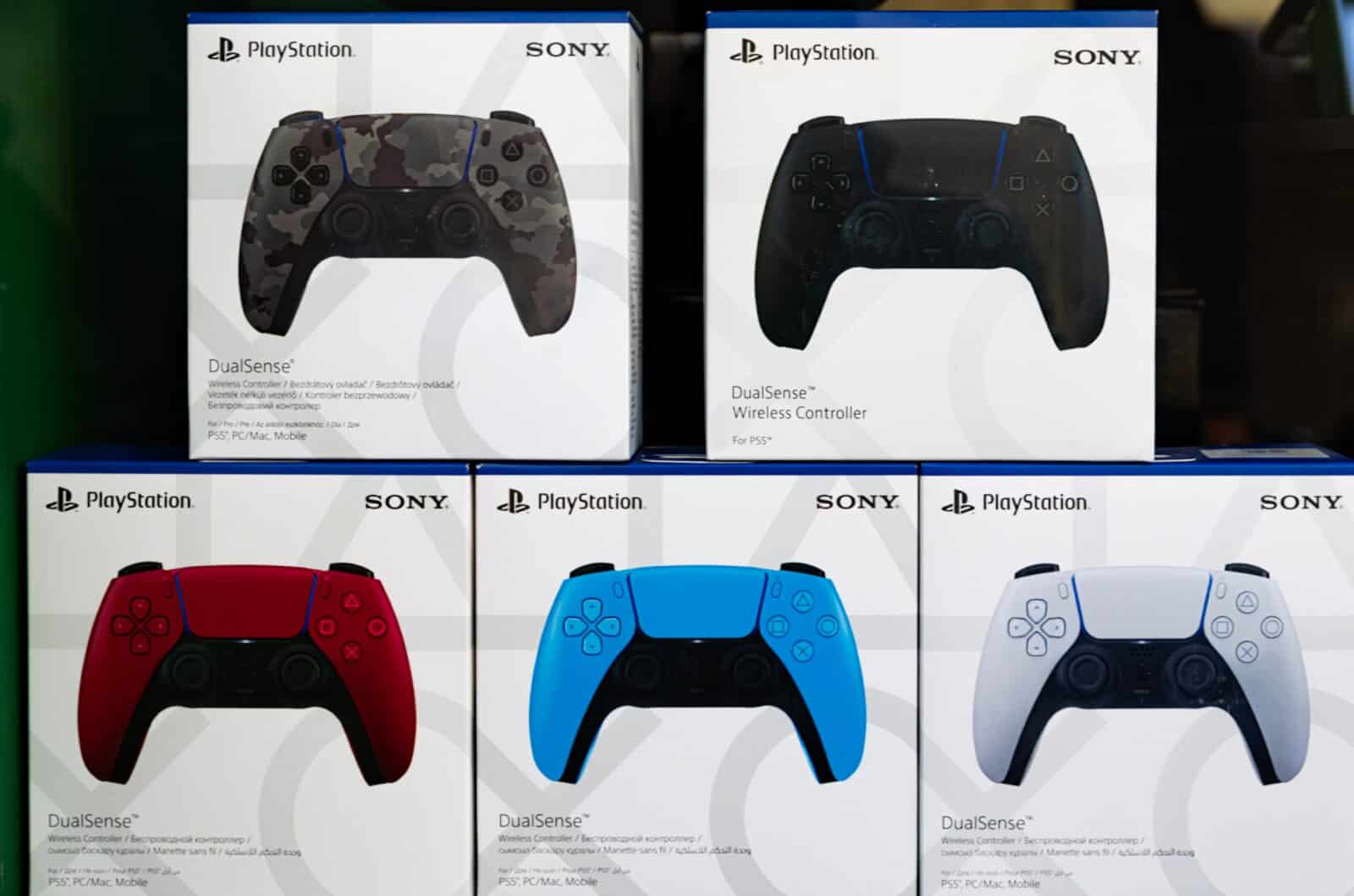
Power gets the attention, but the controller may tell the more interesting story. In early 2026, Video Games Chronicle reported that Sony had obtained a U.S. patent for a touchscreen PlayStation controller that would let players choose where buttons appear.
The patent language said, “There exists a desire for game controllers to allow for different configurations, and accommodate hand sizes without having to customize or manufacture controller size.”
A patent is not a product promise. Many never reach shelves. But the idea points to where Sony may see the future: not just higher resolution, but more flexible play. A controller that changes layout by game, hand size, or accessibility need could make the next console feel different before the graphics even load.
There is a risk, too. Gamers love tactile buttons for a reason. Fast action games, fighting games, and shooters depend on feel. If Sony ever experiments with a buttonless or touch-heavy design, it will need to prove that innovation does not come at the cost of control.
Price May Be the Real Boss Fight
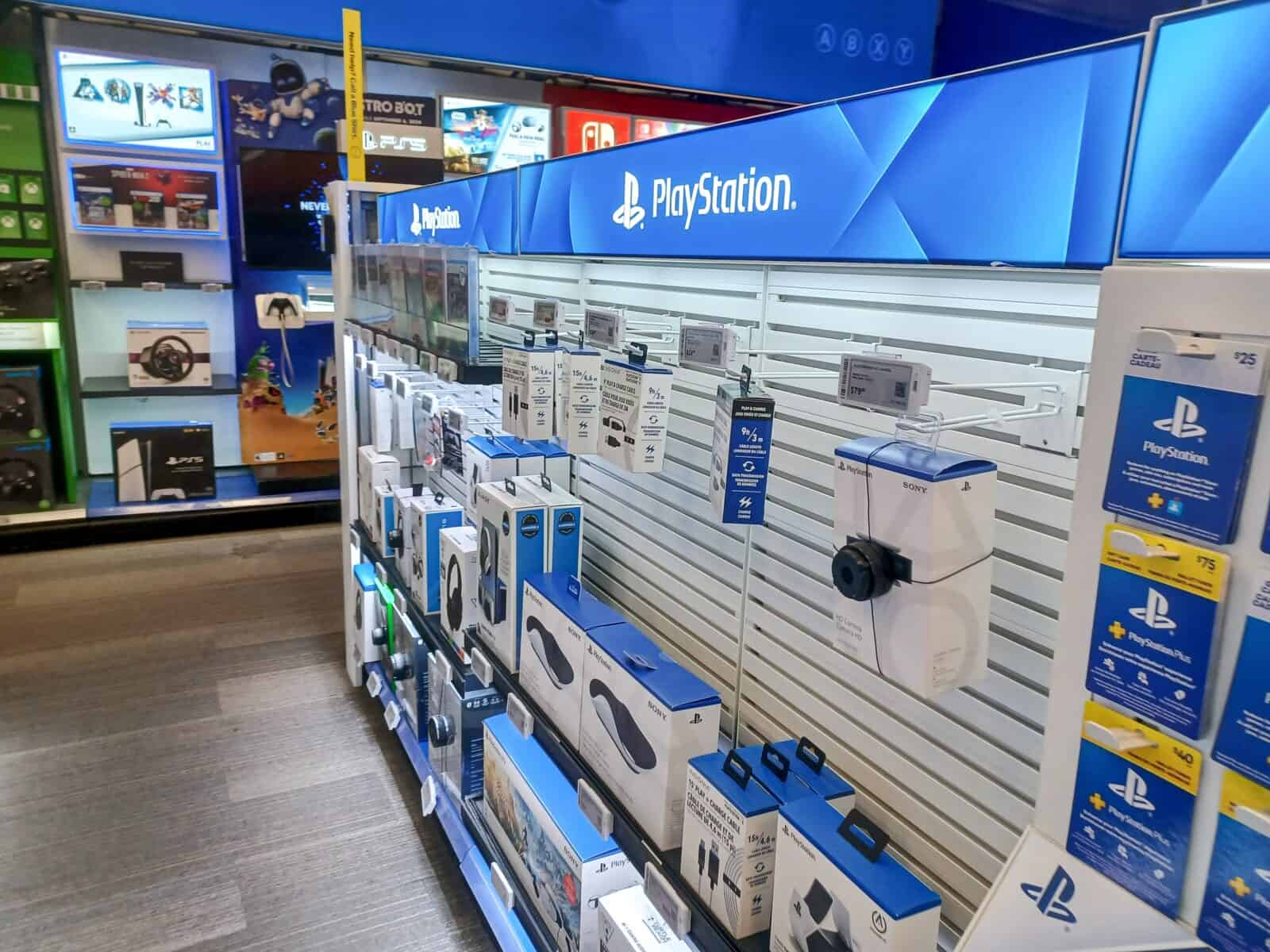
The most important PS6 feature may be the one no trailer can make beautiful: the price tag. Reuters reported in March 2026 that Sony raised U.S. PS5 prices again as memory chip costs surged, with the standard PS5 moving to $649.99, the Digital Edition to $599.99, and the PS5 Pro to $899.99.
Those numbers change the mood around next-gen hardware. A powerful PS6 sounds thrilling until players start asking what it might cost in a market where the current console is already more expensive than it used to be.
That pressure also affects timing. Launch too soon, and Sony risks asking players to upgrade while many still feel they are getting full value from PS5. Wait too long, and developers may feel trapped between old hardware and rising production goals.
Sony has a huge audience, with 125 million monthly active PlayStation users by March 2026. The challenge is convincing enough of them that the next box deserves their money.
The Gaming Market Has Changed Around Sony
The PS6 will not launch into the same world the PS5 entered. Subscription services are bigger. PC ports matter more. Cloud gaming keeps trying to find its place. Big-budget games cost more to make. Players expect live-service updates, remasters, cross-play, performance modes, accessibility options, and cinematic visuals all at once.
Sony’s own numbers show why the platform matters beyond hardware. Its business data lists more than 1.64 billion PS4 and PS5 software units sold by March 31, 2026. That is not just a console base. It is a giant store, a social network, a subscription funnel, and a library people do not want to lose.
Backward compatibility may not sound flashy, but for many players, it could decide if the PS6 feels like a fresh start or a betrayal of years of purchases. That is also why PS6 speculation gets emotional. Gamers are not just buying plastic and silicon. They are buying continuity.
What to Believe Right Now
Here is the clean version. Sony has not announced PS6. Sony has confirmed higher investment in a next-generation platform.
PS5 hardware sales have slowed from the prior fiscal year. Memory costs and broader supply chain pressures are shaping console economics. Rumored PS6 specs are unconfirmed. Touchscreen controller patents are real, but patents do not guarantee retail hardware.
That mix explains the current tension. Gamer excitement is real because the PS6 could deliver the kind of leap people wanted, even as this generation was slowed by shortages, cross-gen releases, and pandemic-era delays. The business caution is real because Sony has to make that leap in a market that has become less forgiving of price.
What Readers Can Take Away

The PlayStation 6 may still be over the horizon, but it no longer feels like an imaginary concept. Sony’s own financial language, the PS5’s maturing sales curve, recent price hikes, and a steady drumbeat of hardware reports all point to a next-generation machine taking shape behind the curtain.
The question is not just when Sony announces it. The harder question is how Sony makes the jump feel worth it. More power will help. Better ray tracing will help. A smarter controller may help. But in this console cycle, the battle may come down to something simpler and sharper: can Sony make the future feel exciting without making it feel unaffordable?
The PS5 is still humming under millions of TVs. Somewhere inside Sony’s plans, the next startup chime may already be forming.
Disclaimer – This list is solely the author’s opinion based on research and publicly available information. It is not intended to be professional advice.
Like our content? Be sure to follow us