12 things Boomers often buy after retiring that may not be worth the money
Retirement is often seen as a reward for decades of hard work, and many new retirees celebrate their newfound freedom by making purchases they’ve postponed for years. But financial experts frequently warn that the first few years of retirement can also be the most expensive.
According to the Employee Benefit Research Institute’s 2024 Spending in Retirement Survey, nearly one-third of retirees say they are spending more than they can comfortably afford, a notable increase from previous years. Meanwhile, households headed by Americans age 65 and older spend an average of about $61,400 annually, with housing, transportation, healthcare, and food accounting for the largest share of expenses.
That doesn’t mean retirees shouldn’t enjoy their money. However, some purchases that seem appealing at the start of retirement can end up delivering less value than expected while putting unnecessary pressure on long-term savings. Here are 12 purchases many Boomers make after retiring that may not be worth the cost.
Timeshares: The $23,940 Vacation Trap

Timeshares can sound like retirement in postcard form: same favorite resort, same sunny week, same promise that vacation is already “handled.” The problem is that the purchase rarely ends with the sales pitch.
ARDA’s 2025 State of the Vacation Timeshare Industry report says the average billed maintenance fee reached $1,480 per weekly interval in 2024, up from $1,260 in 2023, and ARDA’s owner report says timeshare products are owned by about 7.4% of Americans, roughly one out of thirteen.
Some owners use and love them, so this is not a blanket warning against every timeshare. The caution is about retirees buying one, assuming 20 years of identical travel habits, only to face fees, exchange rules, health changes, family schedule conflicts, and a resale market that may not reward them.
A maintenance fee that looks manageable in year one can feel heavier in year ten, especially if travel slows or heirs do not want the contract. Retirement travel should feel like open sky, not a calendar obligation with annual fees attached.
Luxury RVs Without Realistic Usage Plans
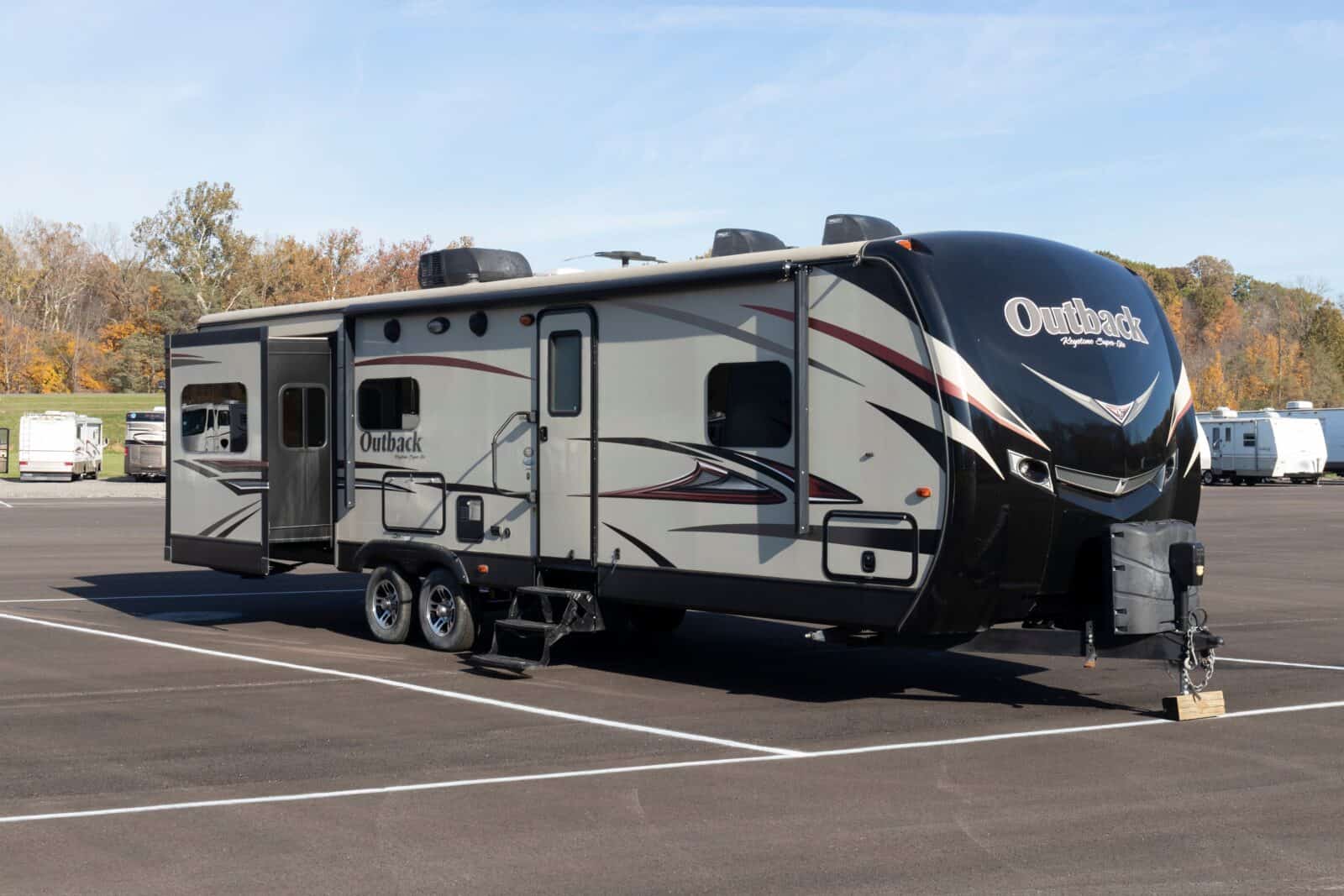
A luxury RV can look like the dream machine: coffee at sunrise in Utah, ocean air in Maine, grandkids asleep in the bunks, and no hotel checkout time barking at you. But a six-figure motorhome is not just a vehicle; it is a second rolling household with insurance, fuel, repairs, storage, tires, depreciation, campground fees, and the occasional mystery noise that never happens near a mechanic.
RV cost guides in 2025 show how quickly the “cheap travel” story can bend, with private RV parks often running $40 to $70 per night, state parks around $20 to $40, and luxury RV resorts sometimes topping $150 per night.
That does not include fuel, maintenance, or the cost of keeping a primary home while the RV sits in the driveway. Retirees who truly love the lifestyle may find it worthwhile, but the money-protective move is to rent first, take a long test trip, and see how the fantasy handles rain, tight turns, dump stations, gas prices, and sleeping in a smaller space for weeks. Freedom is wonderful; buying the expensive version before testing it can be costly.
Professional-Grade Kitchen Appliances
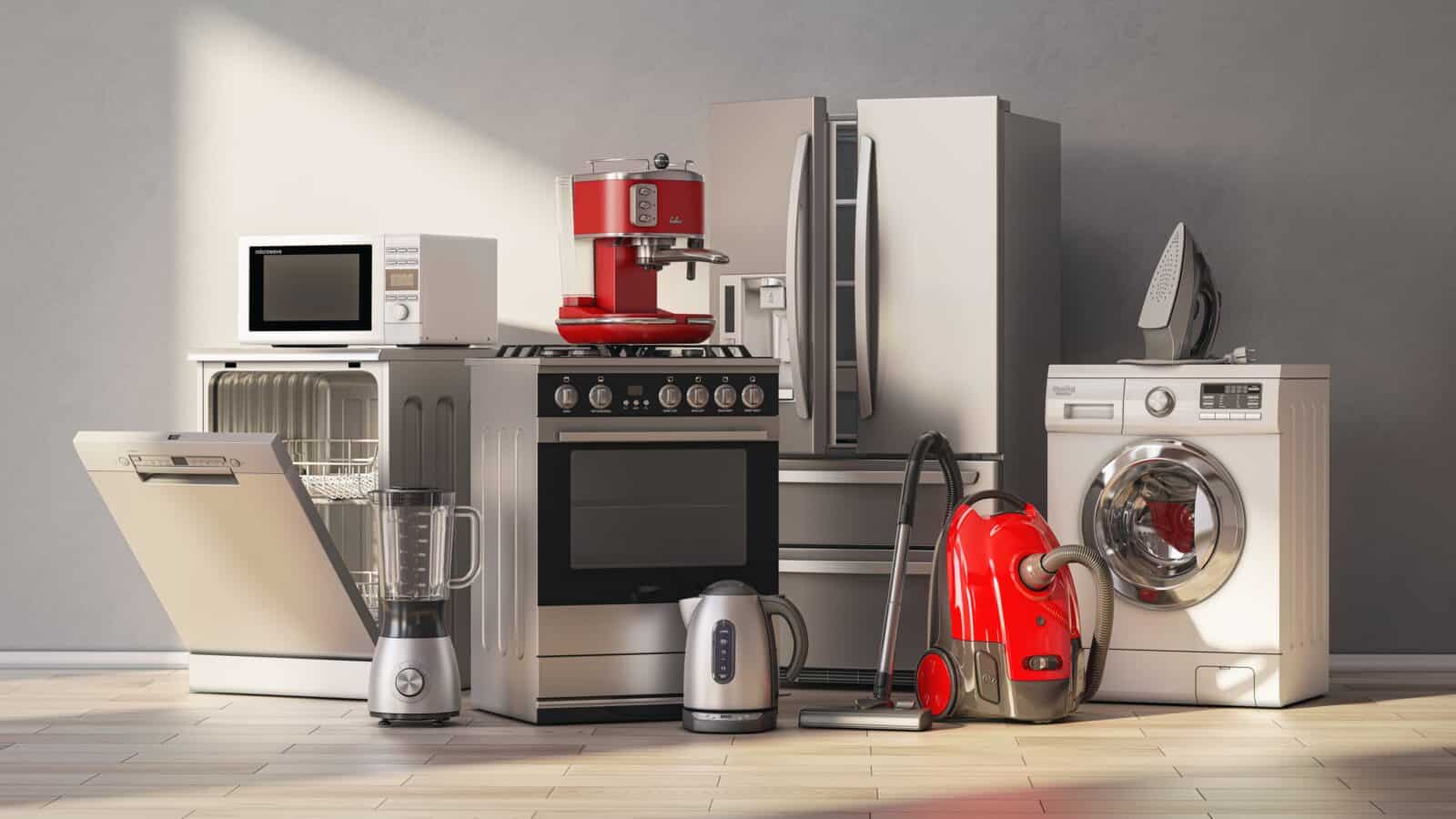
Retirement can make the kitchen feel like a stage waiting for a second act, which is why espresso machines, commercial mixers, bread ovens, sous-vide gadgets, and high-end blenders can suddenly look like smart lifestyle investments.
The issue is not that retirees should avoid the joy of cooking. Expensive appliances only pay off when they fit real habits, not a fantasy version of Tuesday morning. BLS-linked spending data show that older households are still managing substantial annual costs: households headed by someone 65 or older spent about $61,400 a year in 2024, and Bankrate’s 2026 survey finds that 61% of people with credit card debt have carried it for at least a year.
That matters because a $700 gadget bought on a card can become more expensive than the tag suggests if it sits unused and accrues interest. A cooking class, a good everyday pan, a modest coffee maker, or a monthly dinner out may deliver more pleasure with less clutter.
The test is simple: Did you cook this way before retirement, or are you buying the identity of someone who might?
Unnecessary Home Renovations That Don’t Add Value

Aging in place is a worthy goal, and some home upgrades are smart, especially better lighting, safer stairs, grab bars, non-slip flooring, wider pathways, and bathroom changes that reduce fall risk.
The trouble starts when a practical update becomes a full-house makeover because retirement finally created time to stare at every cabinet, tile line, and paint color. Jean Chatzky told Investopedia that the old idea that retirees spend 70% to 80% of their pre-retirement income no longer holds true, adding that people often spend more around retirement on “big trips” and “home improvements.”
That warning fits this category perfectly. A $3,000 safety upgrade can protect independence; a $90,000 cosmetic renovation may not return enough value or daily comfort to justify the hit.
Renovations also tend to grow legs once walls open, materials change, labor costs rise, and “while we’re at it” decisions pile up. Before retirees gut a kitchen or redesign every room, they should ask whether the project supports safety, resale, daily use, or just the thrill of making the house feel new.
High-End Exercise Equipment

Buying exercise equipment after retirement feels sensible because health becomes more important, schedules open up, and the treadmill looks like a promise you can plug into the wall. But the best fitness plan is the one a person actually uses six months later, not the one that looked heroic at checkout.
CareScout’s 2025 long-term care data shows why health matters so much: a private nursing-home room had a national median annual cost of $129,575, while a semi-private room cost $114,975. Staying active can support mobility, balance, strength, and independence, but that does not mean every retiree needs a premium bike, rowing machine, treadmill, or full home gym.
Many people do better with walking groups, SilverSneakers-style classes, community center programs, short-term gym trials, resistance bands, or used equipment bought after a habit is already established. A $2,500 machine that gets used daily can be worth it. A $2,500 machine that holds laundry is a quiet monument to optimism. Test the routine before buying the shrine.
Extravagant Vacations Beyond Your Budget

Travel is one of the happiest reasons to retire, and nobody should feel guilty for wanting the trip they postponed for 30 years. The caution is about turning a celebration into a recurring luxury that the portfolio cannot comfortably support.
Chatzky’s retirement spending warning matters here because she told Investopedia that spending often rises around retirement, especially on big trips and home improvements, challenging the old 70%-80% rule of thumb.
Vanguard’s 2025 outlook also says baby boomer readiness is strongest among the top 30% of earners, leaving many households with less room for repeated splurges. A bucket-list cruise, safari, or month in Europe can be wonderful if it is planned into the cash flow.
The danger comes when retirees treat every year like the first year of freedom and assume the math will somehow stretch. A safer rhythm might mean one major trip, then lower-cost travel, off-season deals, house swaps, regional road trips, or family visits that do not require five-star spending. Memories matter, but so does being able to pay for the ordinary Tuesdays after the photos are framed.
Lavish Gifts That Drain Resources Faster Than Expected

Generosity can be one of retirement’s sweetest pleasures, especially when it helps adult children, grandchildren, or relatives breathe easier. But open-ended giving can quietly turn a nest egg into a family subsidy fund.
AARP research finds that 75% of parents provide financial assistance to at least one adult child, with parents giving an average of $7,000 annually and a median of $1,400. In a separate AARP guide, Rob Burnette of Outlook Financial Center describes a couple who kept helping adult children longer than expected: “Now they have a mortgage in retirement that they didn’t expect to have.”
That sentence lands because it shows how loving help can become a long-term obligation. Holiday gifts, birthday checks, and one-time emergency help are different from paying rent, phone bills, credit cards, car notes, or lifestyle costs indefinitely.
Retirees do not stop being parents, but they also should not risk becoming financially dependent later because they were too generous now. A loving boundary can protect both generations.
Expensive Antiques and Collectibles

Collecting can make retirement feel textured and personal. A cabinet of rare glass, vintage toys, coins, art, watches, sports memorabilia, or antique furniture can hold stories as well as price tags.
The risk is believing every collection is an investment when many are closer to hobbies with storage needs. Older households already face steady spending pressure, with BLS-linked data showing about $61,400 in annual expenditures for households headed by someone 65 or older in 2024, and CareScout’s 2025 data showing long-term care can cost well over $100,000 a year in a nursing home setting.
That makes liquidity matter. A collector may love an item, but heirs may not want it, resale markets may be thin, appraisals may disappoint, and selling quickly can mean taking far less than hoped. This does not mean retirees should never buy beauty. It means they should separate joy from investment.
If an antique makes the home warmer and the cost is comfortable, fine. If the pitch depends on guaranteed appreciation, future resale, or “the kids will want this,” slow down. The market may not share the sentiment.
Boats, ATVs, and Other Recreational Vehicles Used Infrequently

Boats, jet skis, ATVs, motorcycles, snowmobiles, and other recreational toys sell a wonderful feeling: weekends with wind in your face and no boss on Monday. The problem is that the toy charges rent even when it sits still.
There is insurance, maintenance, fuel, storage, winterizing, registration, repairs, trailers, accessories, and depreciation. The same logic that applies to RV costs applies here too: if private RV parks can run $40 to $70 a night and luxury resorts can exceed $150, the broader outdoor recreation lifestyle can carry plenty of recurring costs beyond the original purchase.
Retirees should compare ownership with rentals, club access, guided outings, or borrowing from a marina or outfitter when they only use the item a few times a year. A boat used every weekend may be part of someone’s best retirement life.
A boat used twice a summer can become a floating invoice. Before buying, retirees should honestly track likely use, including weather, health, distance, family interests, and the cost of the boring stuff that keeps fun machines running.
Warehouse Club Memberships Without Sufficient Usage
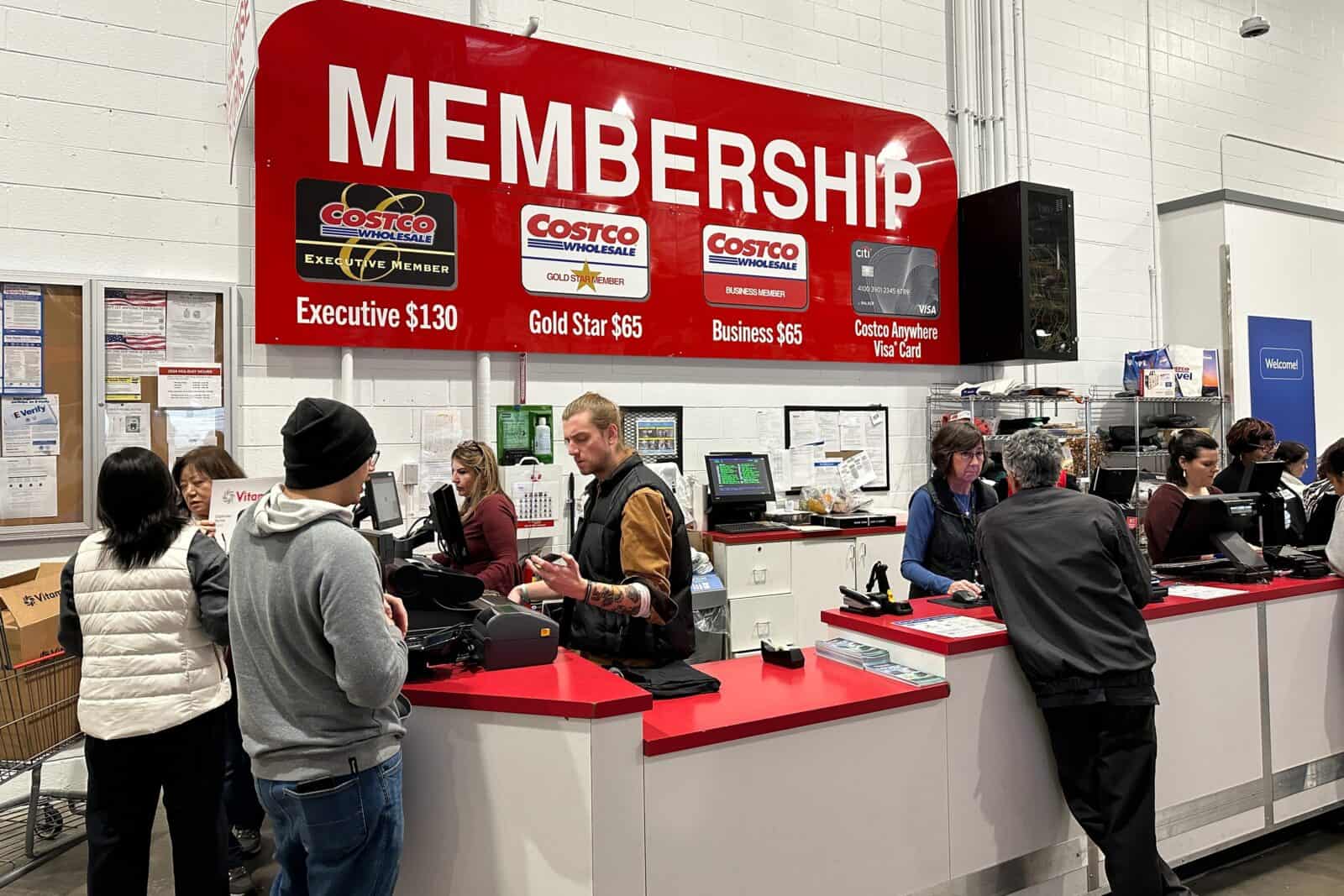
Warehouse clubs can feel like a bargain paradise, especially for people who have spent decades feeding full households. But retirement often shrinks the grocery math.
AARP’s 2025 guide to retirement spending specifically lists warehouse club memberships and notes that small lifestyle changes can yield meaningful savings in retirement. The membership fee may be only $60 to $120 in many cases, but the real risk is buying more than a smaller household can store or use. Bulk berries spoil.
Giant snack packs invite mindless eating. A “good deal” on something you would not have bought otherwise is not a saving. With BLS data showing that older households still spend tens of thousands of dollars a year, small leaks deserve attention because they recur.
Warehouse clubs can still work for retirees who buy prescriptions, gas, paper goods, hearing aids, or bulk items to share with family. The question is not whether Costco or Sam’s Club is good or bad. The question is whether your smaller household is actually saving more than it spends, without filling the pantry like the grandkids are moving in.
Family Cell Phone Plans for Adult Children

A family cell phone plan can outlive its original purpose for years. What started as a practical way to cover teenagers may still be sitting on a retiree’s monthly bill long after the kids have jobs, homes, partners, and streaming subscriptions of their own.
AARP’s 2025 retirement spending guide names family cellphone plans as one of the expenses retirees should reconsider, and AARP’s adult-child support research found 75% of parents still provide some financial help to adult children. That does not mean every adult child should be cut off tomorrow.
Families differ, and sometimes one combined plan truly saves money. But retirees should look at the math with clear eyes. A $40 or $60 monthly line can add up to thousands over a long retirement, especially if it comes bundled with device upgrades, insurance, taxes, or extra data.
Meredith Stoddard of Fidelity offers a useful emotional reminder in AARP’s adult-child support guide: “Trust in your children that they are going to be OK.” That can be hard, but it is also fair. Retirement income needs boundaries, too.
Excessive or New Life Insurance Policies

Life insurance can still serve a purpose in retirement, especially for a surviving spouse, estate planning, business obligations, special-needs dependents, debt, or legacy goals. The issue is paying for coverage that no longer matches real needs, or buying a new policy late in life because a sales pitch turns fear into urgency.
Premiums rise with age and health risk, and retirees already face serious cash-flow demands, from everyday spending to long-term care costs. CareScout’s 2025 survey puts the annual national median cost of a private nursing-home room at $129,575, a number that can make unnecessary premiums feel less harmless.
Northwestern Mutual notes that permanent life insurance primarily provides a death benefit, and using cash value can reduce that benefit or affect policy features. So the smart move is not to cancel blindly. It is to be reviewed.
Ask who still depends on the policy, how much coverage is needed, whether premiums are sustainable, what the cash value does, and whether the policy supports the current estate plan. Insurance should protect a retirement plan, not quietly drain it.
Retirement should still be a source of delight. The goal is not to turn every boomer into a spreadsheet with a pulse. It is to protect the freedom they worked for by asking one quiet question before every big purchase: Will this still feel worth it when the first bill becomes the fifth, the tenth, or the twentieth?
With Vanguard showing retirement readiness is uneven and CareScout showing care costs can reach six figures a year, the best retirement purchases are the ones that support real life, not just the fantasy version sold under bright lights.
Key Takeaways

- Vanguard says boomer retirement readiness is strongest among the top 30% of income earners.
- Households headed by someone 65 or older spent about $61,400 in 2024.
- Timeshare maintenance fees averaged $1,480 per weekly interval in 2024, according to ARDA.
- Luxury RVs, boats, and other recreational vehicles can become expensive second homes if used infrequently.
- AARP says retirees should reconsider warehouse club memberships and family cellphone plans.
- AARP research found 75% of parents financially support at least one adult child.
- CareScout says a private nursing home room costs a national median of $129,575 per year in 2025.
- Retirement purchases should be judged by long-term use, fees, maintenance, liquidity, and cash-flow impact.
Disclaimer – This list is solely the author’s opinion based on research and publicly available information. It is not intended to be professional advice.
Like our content? Be sure to follow us