13 ways economic rivalry is transforming the global economy
The global marketplace is undergoing a dramatic shift as major world powers clash over economic dominance. The IMF analysis of the high costs of global economic fragmentation finds that growing trade restrictions could shrink global output by up to 7% in a severe fragmentation scenario.
Long gone are the days of seamless global integration, replaced now by a fierce tug-of-war for resources, technology, and market share.
This quiet war affects everything from the price of your morning brew to the tech inside your smartphone. As nations draw new economic battlelines, the ripple effects are fundamentally rewriting how businesses operate and how everyday citizens spend their money.
Rethinking Corporate Supply Chains
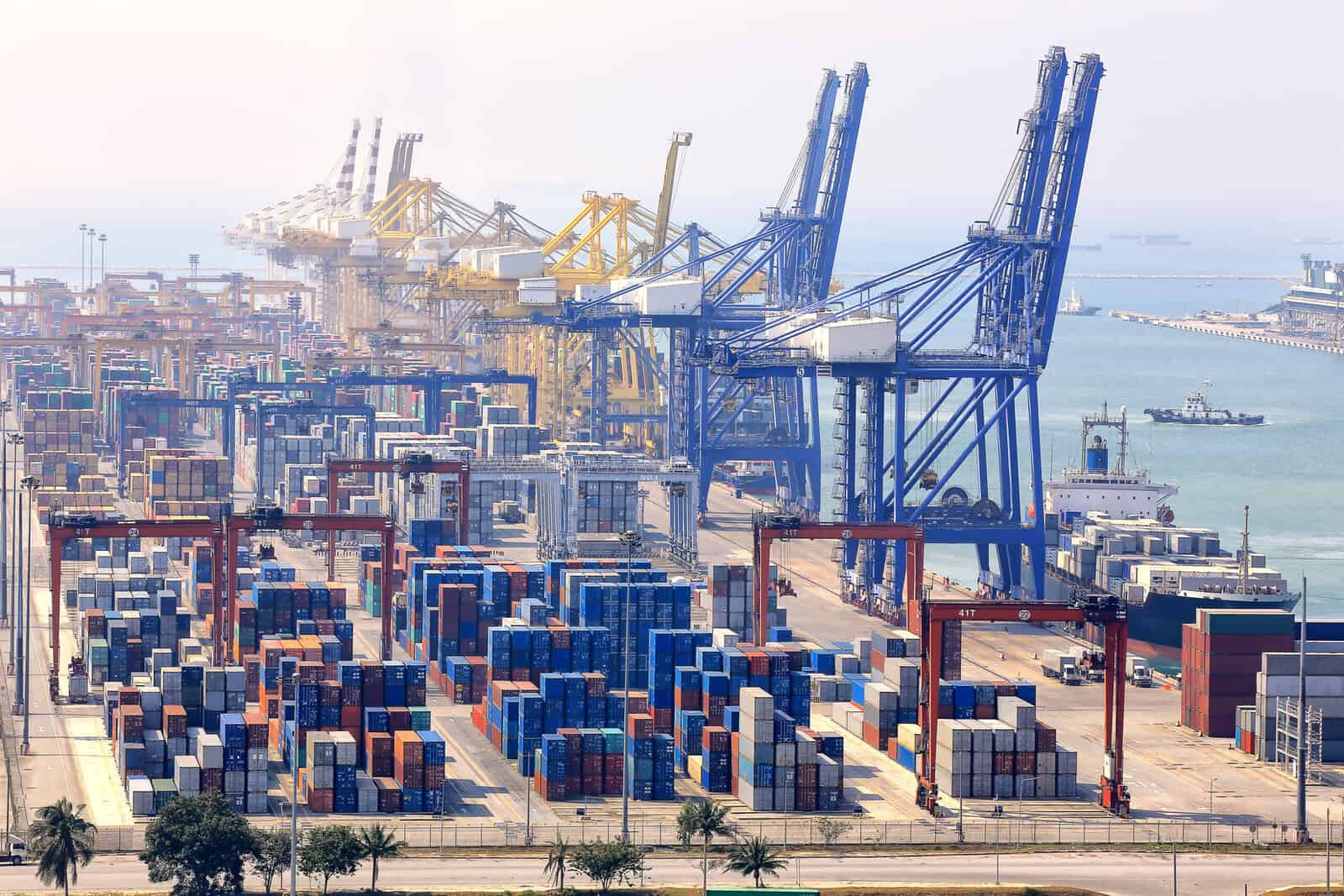
Corporate boardrooms are completely tossing out the old playbook of simply building factories wherever labor is cheapest. Instead, executives are actively moving their production lines to friendly, allied nations; a strategy driven by the painful realization that a sudden border closure or political feud can paralyze a business overnight.
What this looks like in the real world is a major shift in how everyday products are made; a sweater might now be stitched in Vietnam using yarn spun in Mexico, rather than rolling out of a single mega-factory.
But this frantic corporate scrambling comes with a quiet catch for the rest of us. Building these complex, backup supply chains is incredibly expensive, and those rising costs eventually trickle down to the checkout counter, putting a heavy, very real strain on the average family budget.
Weaponizing the Global Chip Supply

When nations fight over computer microchips, the entire world feels the digital slowdown. Governments are pouring billions into building localized semiconductor plants to avoid relying on foreign tech rivals during sudden political standoffs.
A stark example of this friction came to light when the WTO’s trade outlook for 2026 projected merchandise trade growth at just 0.5%, a steep downgrade tied to tariff effects and broader trade conflict. This kind of slowdown shows how quickly a fight over strategic components can drag down the wider flow of global commerce.
Redrawing Critical Mineral Alliances

Building a cleaner future requires massive amounts of lithium and cobalt, sparking a frantic, behind-the-scenes rush to lock down these raw materials before they run out. Instead of relying on open, unpredictable global markets, countries are taking matters into their own hands and bypassing the usual channels to strike exclusive, face-to-face deals directly with resource-rich mining nations.
At its core, this isn’t just about supply chains; it’s about survival. Governments and automakers are desperate to keep their electric-vehicle pipelines moving, terrified of being choked out by geopolitical rivals who already control the major refining and processing centers. It has turned into a modern-day gold rush, where the ultimate prize isn’t just mineral rights but total control over tomorrow’s green energy grid.
The Great Subsidy Showdown

Governments are aggressively opening up their national treasuries to bankroll domestic green energy and tech manufacturers. This massive influx of state cash leaves smaller nations struggling to compete against heavily subsidized industrial giants.
The World Economic Forum’s latest fragmentation update says trade and financial fragmentation is already costing the global economy up to $307 billion a year as restrictions spread beyond direct geopolitical rivals. Those costs show how subsidy battles do not stay local; they eventually spill into global prices and investment decisions.
Splitting the Digital Ecosystem
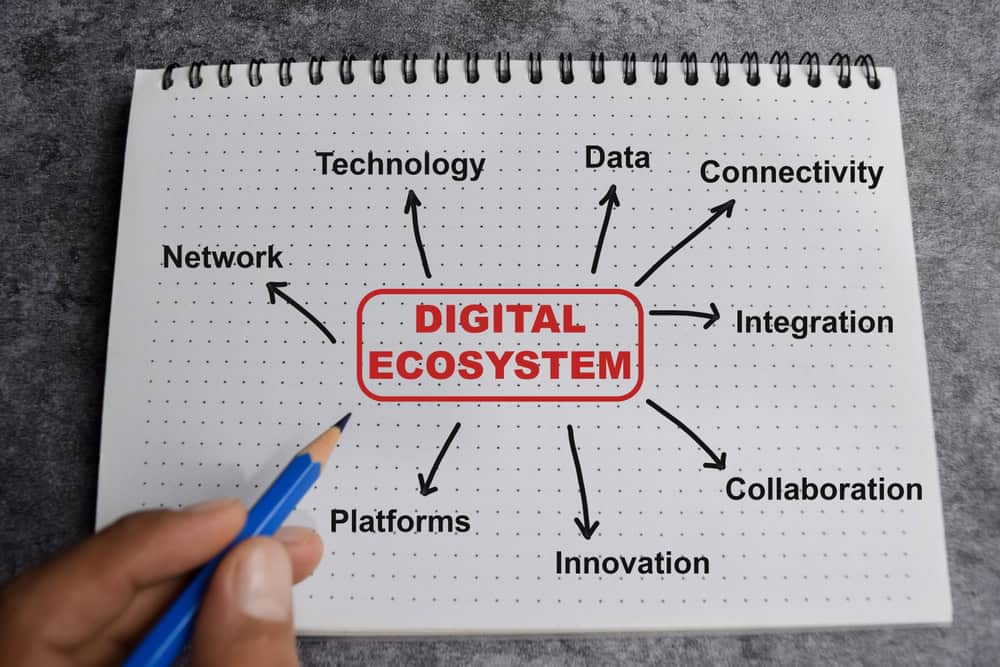
The internet is fracturing into distinct regional zones governed by competing privacy laws and technical frameworks. Western platforms face strict bans in some regions, while foreign apps are heavily scrutinized or restricted due to fears of espionage.
This digital wall stops tech firms from scaling globally and forces them to build separate software versions for different nations. It is a frustrating dynamic that turns our interconnected digital village into a series of heavily guarded neighborhoods.
The Flight to Regional Trade Pacts

Massive global trade treaties are gathering dust as nations pivot toward smaller, highly selective regional clubs. Leaders prefer signing quick deals with next-door neighbors over trying to please more than 100 different countries at a giant negotiating table.
As WTO Director-General Ngozi Okonjo-Iweala said in the UNIFEED trade update, South-South trade grew 8% year-on-year in value terms in the first half of 2025, indicating a clear acceleration in trade between developing economies. Trade is becoming a cozy neighborhood block party rather than a massive global gala.
Sovereign Wealth Funds Join the Fray

Governments are aggressively deploying their massive state-owned investment funds to purchase strategic stakes in foreign infrastructure, energy firms, and tech startups. These vehicles are expanding at a staggering pace, with total global sovereign wealth fund assets under management surging to a historic high of $15.9 trillion as of 2026.
Because of this massive scale, these multi-billion-dollar accounts are no longer just looking for passive financial returns. Instead, they act as economic chess pieces used to secure national influence over vital foreign ports and communication systems. Every investment dollar is double-checked to see if it advances long-term political goals.
Agricultural Shielding Actions

Food security has rapidly evolved into a major flashpoint as countries slap sudden export bans on grains and fertilizers to protect domestic supplies. Nations are terrified of relying on volatile foreign partners to feed their citizens during sudden global panics.
These sudden protectionist moves trigger sharp price spikes at your local grocery store, turning basic dinner ingredients into expensive luxury items. A simple bad harvest in one corner of the world now creates an immediate logistical nightmare across multiple time zones.
The Rise of Border Carbon Fees

New environmental regulations are taxing imports from nations with weak pollution laws under the guise of saving the planet. This modern strategy reached an unprecedented milestone when the European Commission published its first official carbon border tariff price, setting it at €75.36 per tonne of CO₂ in April 2026.
While marketed as a green policy, these specific fees heavily penalize foreign factories that continue to rely on cheaper, dirtier energy sources.
It is a clever dual-purpose tool that satisfies local climate activists while giving domestic factories a distinct competitive advantage over foreign rivals. Trade partners view these taxes as hidden protectionism wrapped in a green bow.
The Decentralized Local Energy Rush
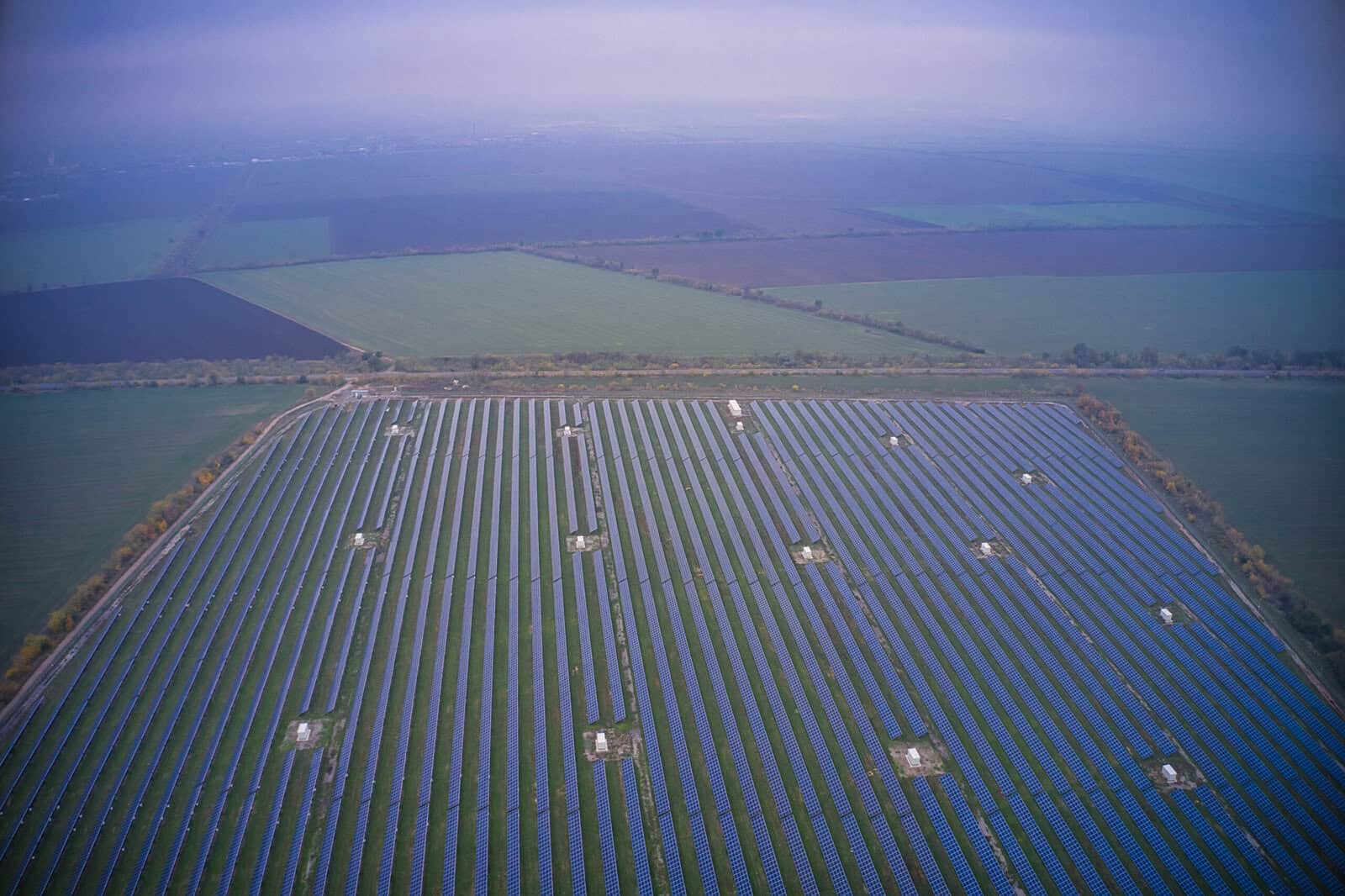
Countries are aggressively building out domestic wind and solar infrastructure specifically to cut ties with foreign oil and gas suppliers. True energy independence is no longer just an environmental goal; it is a vital national defense strategy.
As the IMF’s January 2026 World Economic Outlook update noted, global growth for 2026 was projected at 3.3%, but the fund still warned that escalating geopolitical tensions and renewed trade frictions remain key downside risks. That helps explain why energy independence now sits at the center of both economic planning and national security.
Weaponizing Maritime Shipping Routes
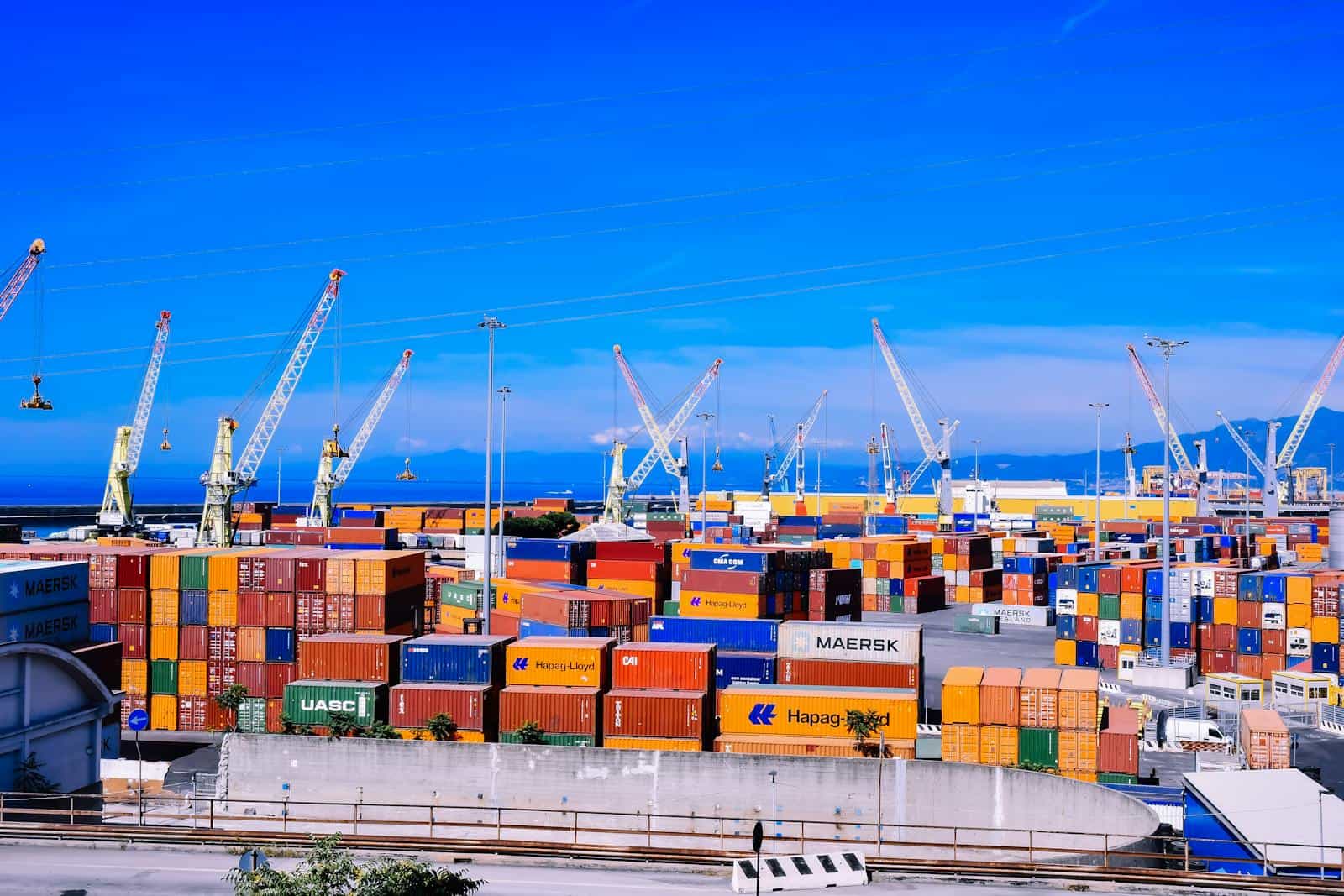
Control over strategic ocean chokepoints has become a major source of economic leverage for competing nations. Countries are building massive naval presences near vital canals to protect their own cargo vessels while implicitly threatening rivals.
A sudden naval drill or localized conflict can instantly force giant container ships to take lengthy, expensive detours around entire continents. This maritime stress delays retail shipments and pumps up shipping insurance rates, hitting corporate finance hard.
Talent Gazing and Visa Restrictions

The global hunt for top-tier artificial intelligence researchers and engineers has turned into a fierce bureaucratic battle. Governments are fast-tracking citizenship for elite foreign scientists while simultaneously blocking rival nations from hiring local tech minds.
Nations are fiercely hoarding brainpower to ensure their local labs win the next major breakthrough in automation. Restrictive immigration policies are increasingly used to freeze out competing countries’ access to crucial intellectual resources.
Currency Blocs Build Higher Walls
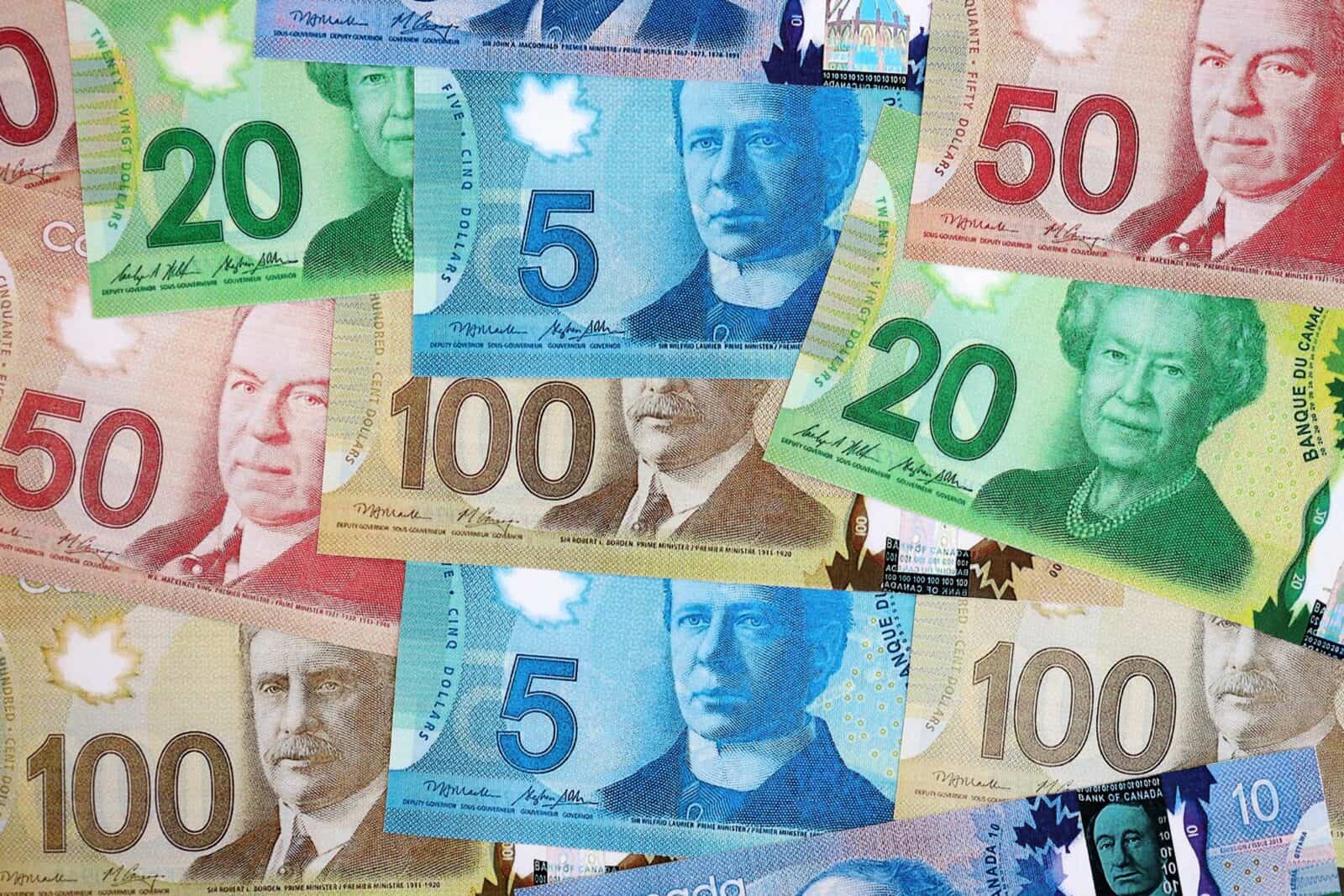
Major economies are actively developing alternative digital payment networks to bypass the traditional dominance of the U.S. dollar. This monetary shift helps countries protect their financial transactions from being frozen by sudden international sanctions.
The IMF’s April 2026 World Economic Outlook warned that worsening geopolitical fragmentation and renewed trade tensions could significantly weaken growth and destabilize financial markets, even as baseline growth stayed positive. This ongoing monetary divide fragments global banking, forcing corporations to handle multiple volatile currencies just to settle basic trades.
Key Takeaway

The ongoing economic chess match between global superpowers is completely dismantling the old framework of open, unrestricted global trade. For everyday consumers and businesses, this means navigating a more volatile market in which supply chains are longer, tech ecosystems are fragmented, and price stability is constantly threatened by political maneuvering.
Disclaimer – This list is solely the author’s opinion based on research and publicly available information. It is not intended to be professional advice.
Like our content? Be sure to follow us