Feeling unattractive is becoming a modern mood—and the best fix may not be beauty at all
On a bad mirror day, many people do the same quiet ritual: stare, inspect, criticize, zoom in, compare, and hope the feeling passes. That reaction is not rare. A 2025 Talker Research survey conducted for Eden Health found that 69% of respondents said the first thing they notice in the mirror is something they want to fix. The same survey found that Americans think negatively about their bodies 4 times a day.
That gives a deceptively simple question more weight than it first appears to carry: What is your favorite unconventional way to shake off feelings of being unattractive?
The most interesting answers are rarely about becoming more attractive in the usual sense. They are about breaking the spell. They are about getting out of the mental courtroom where the mirror, the camera roll, and the social media feed all seem to be serving as judge and jury.
The Small Question That Hits a Bigger Nerve
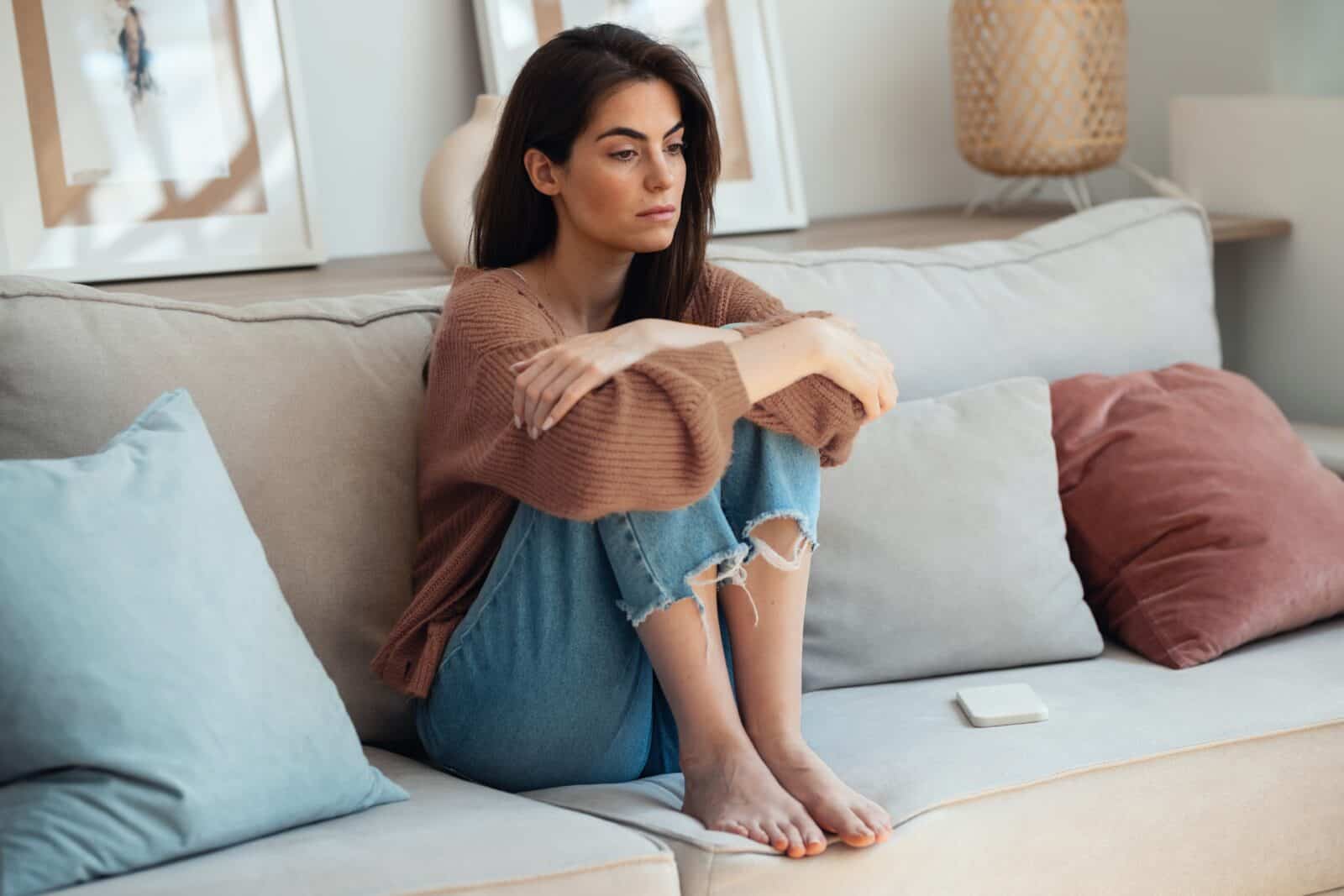
The reason this topic feels so relatable is that “feeling unattractive” is not always about looks. Sometimes it is exhaustion. Sometimes it is loneliness. Sometimes it is a bad photo taken at the worst possible angle. Sometimes it is scrolling past too many edited faces before breakfast.
What has changed is the size of the comparison pool. People are no longer comparing themselves only to celebrities, models, or someone at a party. They are comparing themselves to filtered friends, curated strangers, AI-polished faces, and their own edited images.
That comparison now follows people everywhere. It lives on dating apps, video calls, tagged photos, Instagram feeds, TikTok filters, group chats, and front-facing cameras. A passing insecurity can turn into a full internal debate before lunch.
The Mirror Is Not the Only Problem Anymore
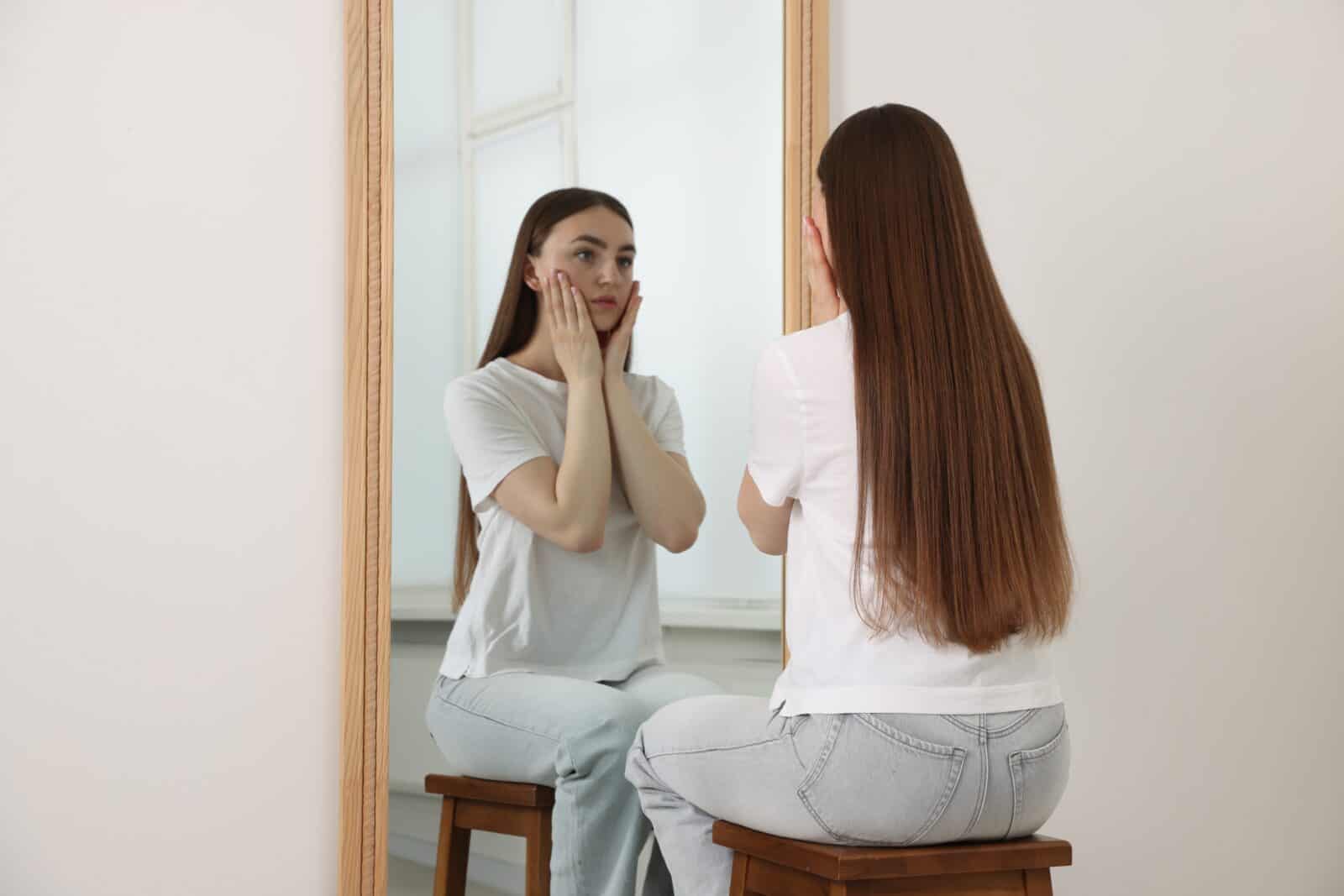
The mirror used to be private. Now it has competition. Pew Research Center’s 2025 report on U.S. teens and social media found that 45% of teens said they spend too much time on social media, up from 36% in 2022. Teen girls were more likely than boys to say social media hurt their confidence, sleep, and mental health.
That does not mean social media is simply bad. The same Pew report found that 74% of teens said social media made them feel more connected to friends, and 63% said it gave them a place to show their creative side. That is the contradiction at the heart of the issue.
The same app that makes someone feel funny, stylish, informed, and connected can also leave them wondering why their skin, body, hair, face, or smile does not look like someone else’s highlight reel. The problem is not only the image. It is the endless measuring.
Why “Just Love Yourself” Does Not Always Work
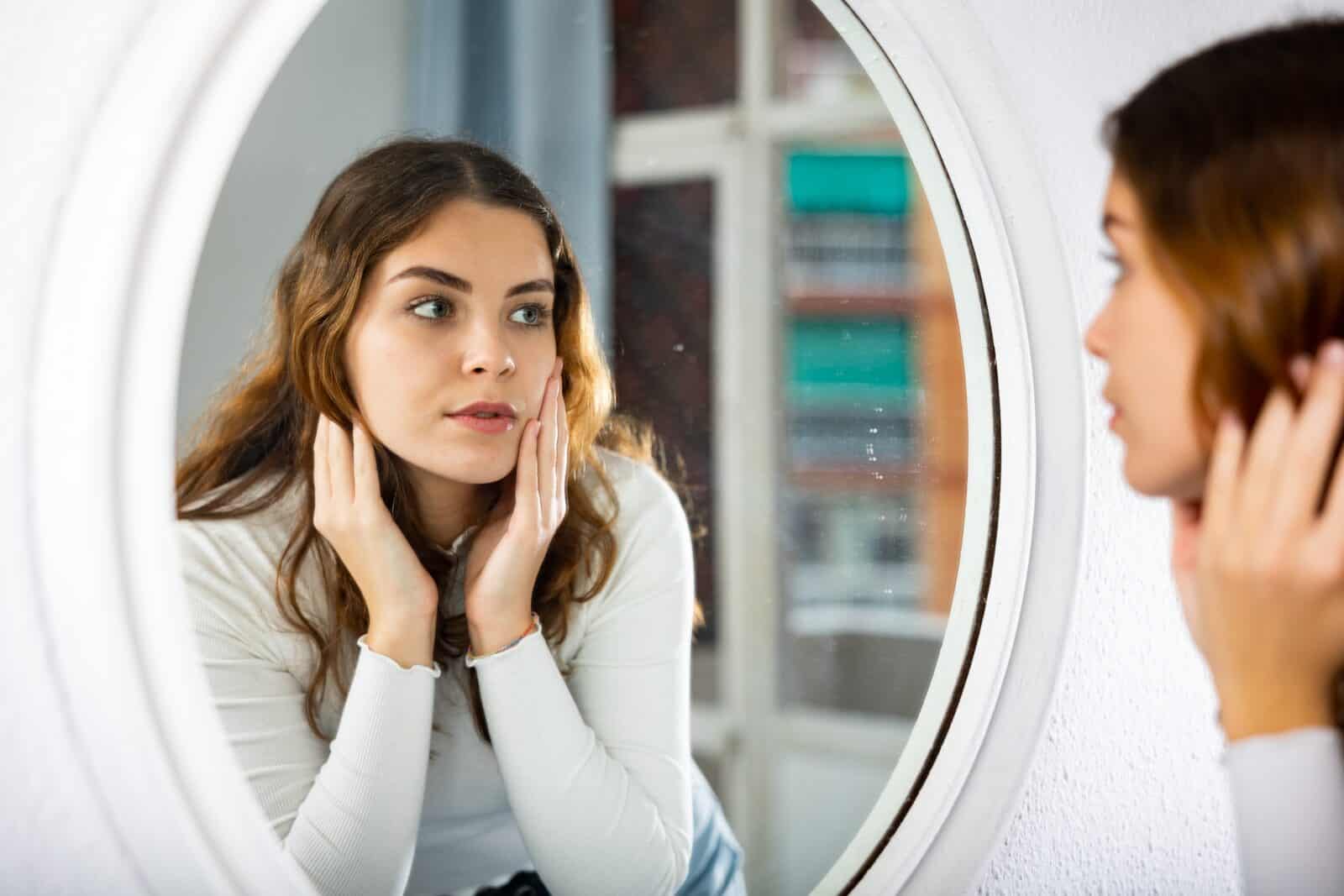
One reason unconventional coping methods resonate is that standard advice can feel too polished. “Love yourself” sounds good, but it can feel impossible when someone is already having a rough day. “Ignore what people think” also sounds easier than it is in a culture where appearance can affect dating, hiring, aging, social status, and online attention.
This is where body neutrality has become more useful for many people than forced positivity. Instead of asking people to adore every inch of themselves on command, it offers a calmer question: What can my body do for me today?
That shift matters because it moves the focus from decoration to function. Your legs carried you through a long day. Your hands cooked, typed, cleaned, hugged, texted, repaired, carried, or created something. Your face allowed you to laugh. Your body kept showing up, even when your mind was being unkind to it.
The Odd Power of Doing Something Unphotogenic
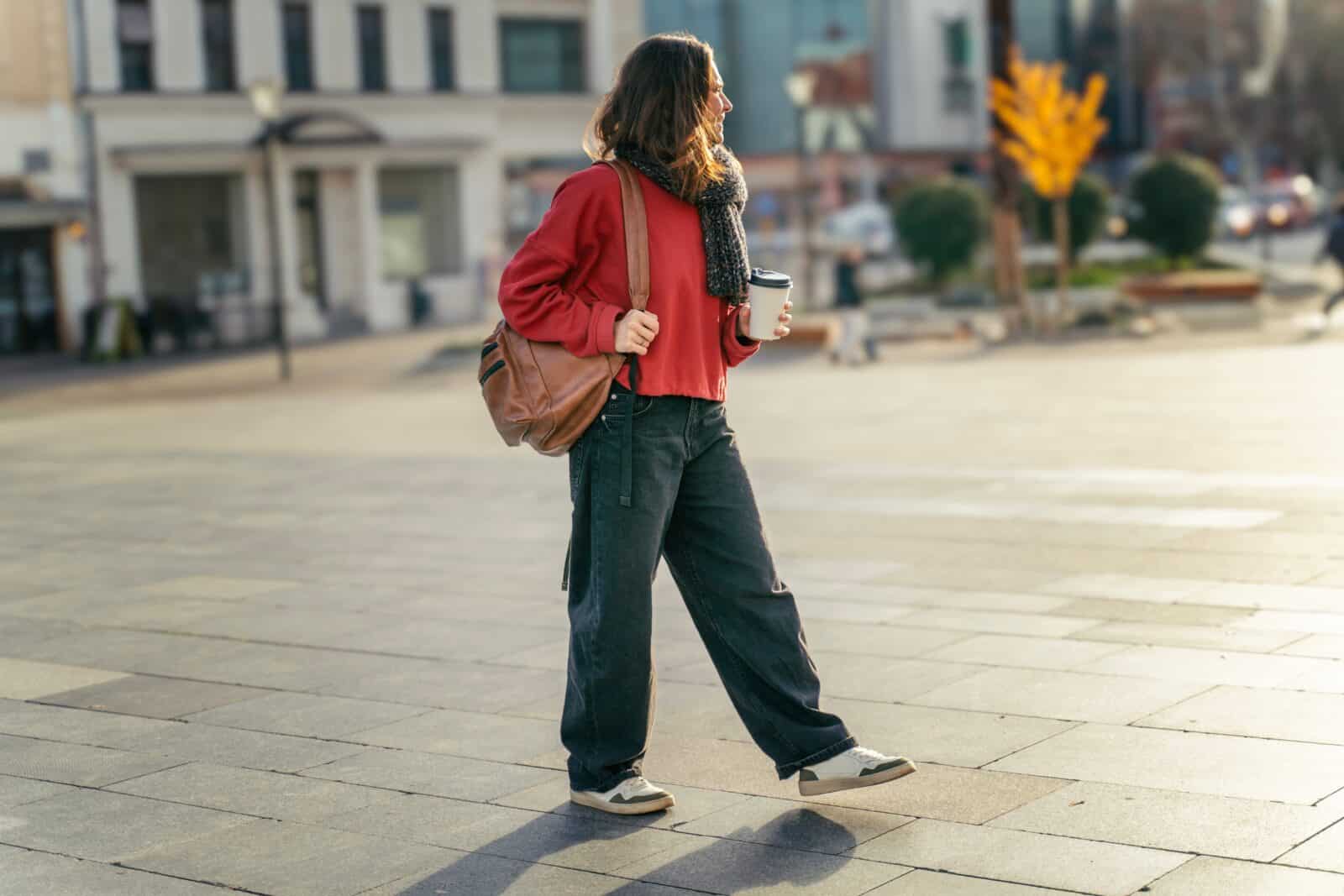
For many people, the most unconventional way to stop feeling unattractive is to do something slightly physical and completely unglamorous. Wash the dishes. Take a brisk walk without taking a photo. Dance badly in the kitchen. Stretch on the floor. Clean one corner of the room. Carry groceries. Make soup. Fix something small.
The point is not productivity. The point is to feel like a person again, not a picture. When someone feels unattractive, they often become painfully aware of how they appear from the outside. A simple body-based action pulls attention back inward.
How do my shoulders feel? Am I hungry? Am I tense? Have I been staring at myself too long? Did I sleep? Have I moved today? Have I spoken to someone who sees me as more than an image?
That is why an unconventional fix can be as simple as doing something that beauty standards cannot rank. Reading out loud. Singing in the car. Walking a dog. Rearranging furniture. Helping a neighbor. Writing a funny message to a friend. These things restore identity.
Beauty Rituals Are Not the Enemy
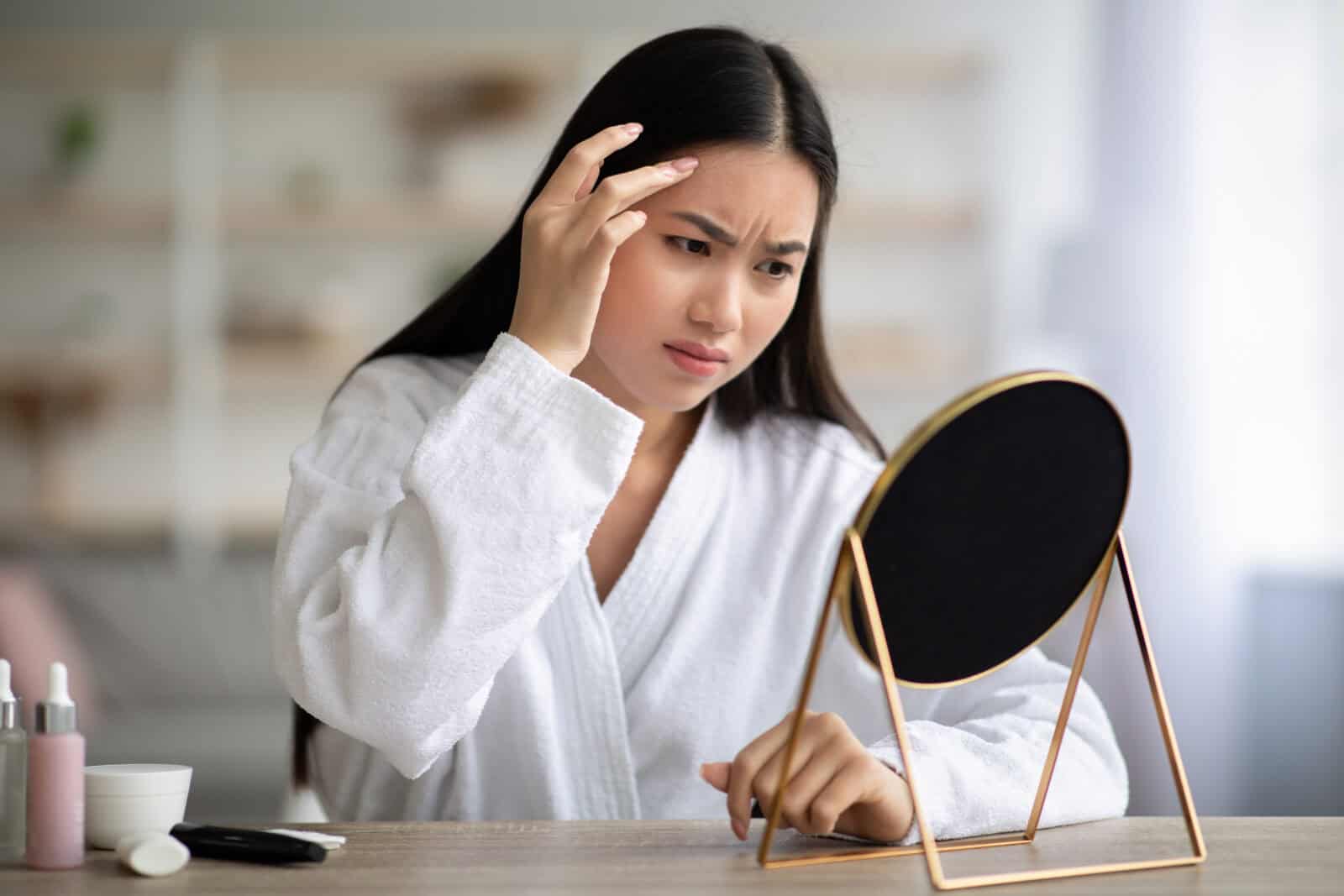
There is another side to this conversation. Some people genuinely feel better after doing their hair, dressing up, applying makeup, shaving, getting a haircut, wearing perfume, or putting on jewelry. That does not make them shallow. Presentation can be a form of control, creativity, and care.
The problem begins when beauty rituals become punishment instead of pleasure. There is a difference between “I want to feel polished today” and “I cannot be seen unless I fix myself first.” One is self-expression. The other is self-surveillance.
That distinction matters even more as AI beauty tools become more advanced. A 2026 study published in the Journal of Consumer Behavior examined AI beauty filters and appearance self-esteem, finding links between AI beauty filter use and negative body image, fear of negative appearance evaluation, and lower appearance self-esteem.
The issue is not that people enjoy editing photos. People have always played with presentation. The deeper concern is that the edited version can start to feel like the acceptable version.
Even Body-Positive Content Has Limits
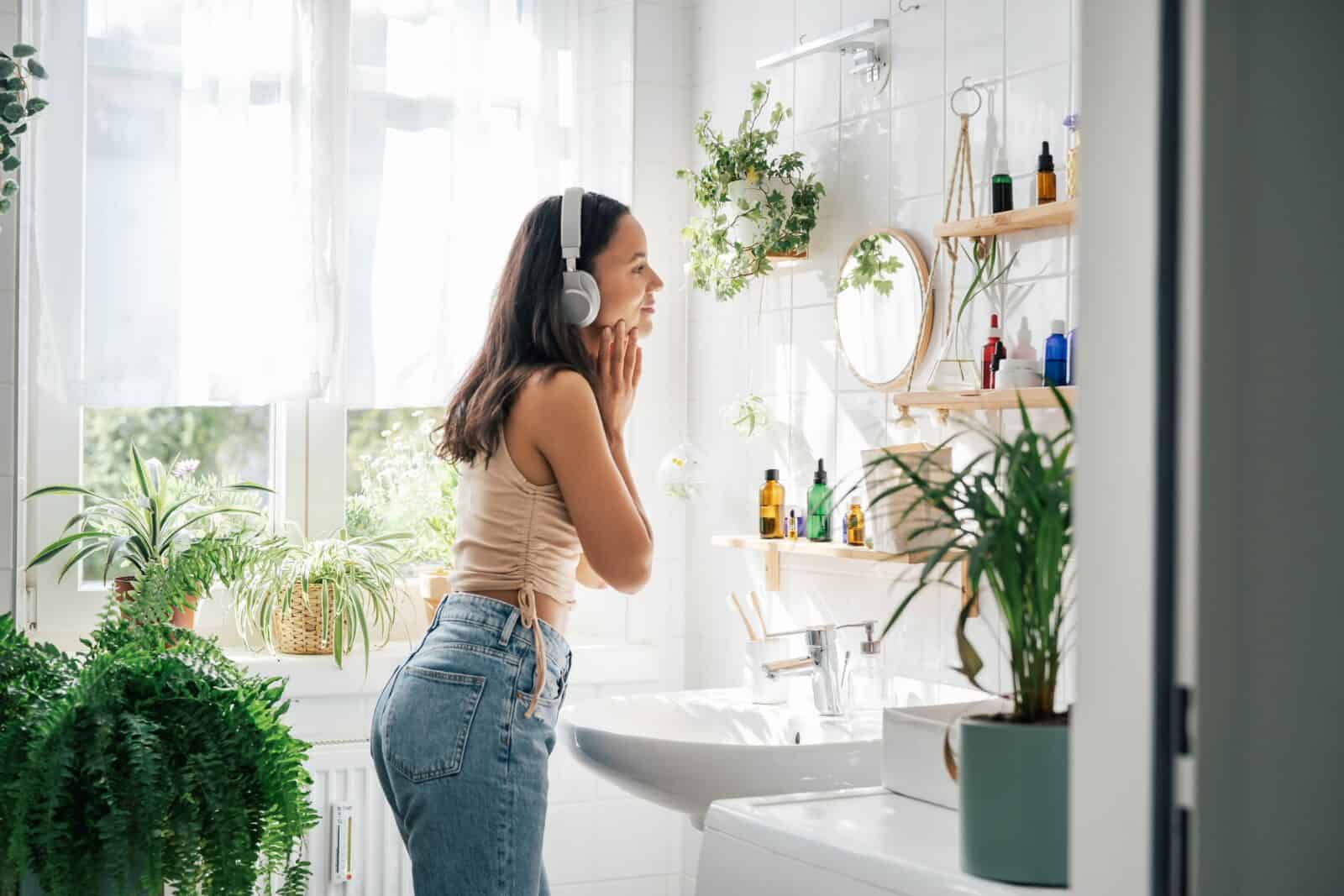
A fair view also means admitting that body-positive content is not a magic cure. A 2025 review and meta-analysis in the Journal of Eating Disorders found that body-positive social media content can improve body satisfaction and emotional well-being in the short term, especially when it highlights diverse representation and self-acceptance.
But the same review also noted that questions remain about long-term effects. That is important because even positive content with a positive appearance still keeps the mind focused on appearance. A feed full of “beautiful bodies of every size” may be healthier than a feed full of one narrow ideal, but some people still leave the app thinking about how they look.
This is where body-neutral habits may offer something different. Instead of asking, “Do I look beautiful enough?” they ask, “Can I return to my life?”
A Digital Culture Built on Being Seen
The bigger picture is that Americans are living in an extremely visual culture. Pew Research Center’s 2025 report on Americans’ social media use found that 84% of U.S. adults said they use YouTube, 71% use Facebook, and 50% use Instagram. These platforms are no longer side hobbies. They are part of everyday life.
That means the feeling of being unattractive is no longer shaped only by private insecurity. It is shaped by technology, advertising, algorithms, filters, beauty trends, wellness culture, and the pressure to make ordinary life look polished.
This also explains why small, offline resets can feel strangely powerful. They give people a break from being watched, rated, compared, or optimized. They create a moment where the body is allowed to exist.
What Actually Helps?
The most useful unconventional trick may be to deliberately do one thing that makes appearance irrelevant for 20 minutes. Not forever. Not as a grand self-improvement project. Just long enough to break the loop.
Put the phone in another room and make breakfast. Step outside and notice five things that are not human bodies. Take a shower and imagine washing off the entire comment section of the internet. Put on clothes that feel good before worrying about how they look in photos.
Do a small act of competence. Pay a bill. Fold laundry. Water a plant. Answer one email. Prep tomorrow’s lunch. These actions sound too ordinary to matter, but that may be their strength. They interrupt the fantasy that confidence always arrives through transformation.
Sometimes confidence comes through re-entry into ordinary life.
What Readers Can Take Away
Feeling unattractive is not always a beauty problem. Often, it is a comparison problem, a tiredness problem, a stress problem, a loneliness problem, or a too-much-screen-time problem wearing a beauty mask.
That does not mean appearance never matters. People are allowed to care about how they look. They are allowed to enjoy clothing, hair, skincare, fitness, and style. But the healthiest reset may be remembering that the body is not only something to improve. It is also something to inhabit.
So the next time the mirror turns mean, the best response may not be to stare harder. It may be to leave the mirror, do something real, and let the body become useful, funny, warm, capable, and alive again.
Attractiveness can feel fragile when it depends on angles, lighting, approval, or comparison. A sense of self becomes sturdier when it is built from more than being looked at.
Disclaimer – This list is solely the author’s opinion based on research and publicly available information. It is not intended to be professional advice.
Like our content? Be sure to follow us.