Customers are beginning to notice new fees driving up their total costs at McDonald’s
A simple burger receipt now says less about hunger and more about how everyday spending is quietly shifting.
You probably fondly remember the golden days when a quick trip to the local neighborhood drive-thru meant grabbing a highly satisfying meal without completely emptying your wallet or checking your bank balance.
Lately, however, passionate fast food fans are spotting a deeply disturbing financial trend whenever they carefully review their printed paper receipts. The iconic global burger giant is quietly introducing several new stealthy charges that completely change how much you ultimately pay for a simple dinner.
The Small Order Fee Frustrating Delivery Customers
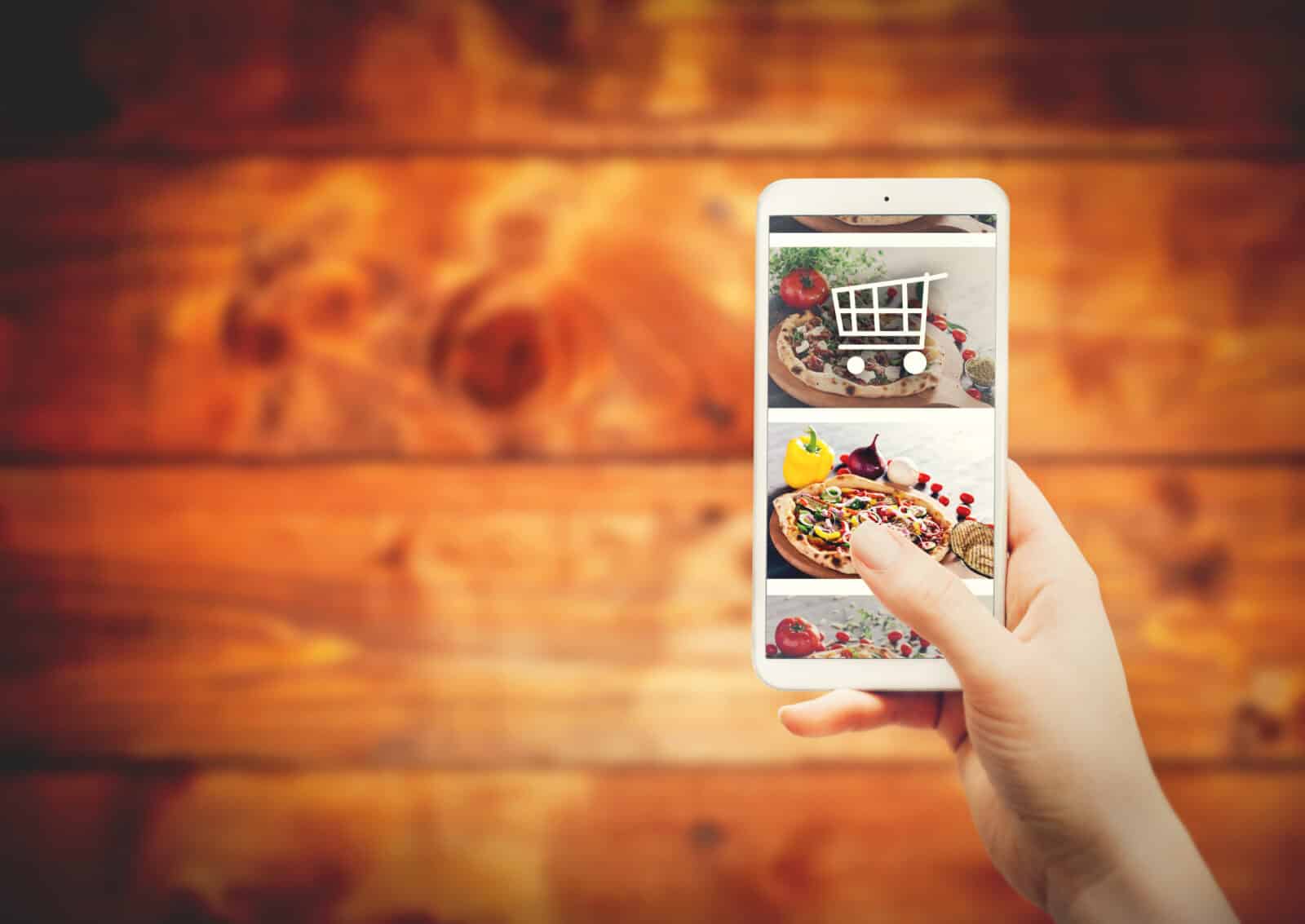
Getting piping hot food brought straight to your front porch sounds incredibly convenient until you see the final inflated total glowing brightly on your glowing smartphone screen.
Hungry fans ordering a quick afternoon snack through the various independent third-party delivery platforms are now getting hit with an irritating additional charge just for buying smaller food portions.
The small order delivery fee can add an unexpected extra charge ranging from two dollars to three dollars and fifty cents, depending entirely on your exact geographical location.
While the wealthy corporate office routinely defends this controversial pricing practice by aggressively citing complicated nationwide delivery logistics, regular hard-working people feel unfairly punished for simply having modest midday cravings.
Recent USDA consumer economic data shows that food away from home prices grew 3.6 percent in April 2026, meaning every little surprise surcharge bites even harder into stretched family budgets.
Countless loyal patrons are starting to abandon the delivery option entirely just to avoid paying extra hard-earned cash for a single lonely serving of salty golden fries.
App Exclusivity And Missing Out On Value Menus
Walking directly into a physical brick-and-mortar store and looking up at the glowing overhead menu board might actually be the absolute most expensive way to order your dinner today.
The massive international company openly pushes hungry users to their proprietary digital platform by completely hiding the most affordable money-saving deals exclusively behind the complicated mobile application interface.
If you stubbornly refuse to download their corporate tracking software onto your personal phone, you are essentially paying a massive hidden premium on every single food item you decide to purchase.
This glaring digital technology divide creates a highly frustrating two-tier pricing system for regular, everyday people who just want to grab a fast and cheap bite without jumping over any annoying technological hurdles.
The massive global company recently reported systemwide sales jumping by an impressive eleven percent to reach well over thirty-four billion dollars during the first quarter of 2026.
These absolutely massive revenue numbers scientifically prove that forcing consumers into a restrictive digital ecosystem is highly profitable, even if it leaves older loyal patrons paying significantly more money for the same classic cheeseburger.
Menu Price Hikes To Cover Higher Operating Expenses
Rampant global inflation and record-high wholesale beef costs have forced the international corporation to fundamentally alter its pricing strategy across the entire restaurant menu board.
Yahoo Finance reports officially reveal that the chain’s average item prices have ballooned by a staggering forty percent from the year 2020 all the way to 2026.
Everyday hungry customers are painfully noticing that the legendary dollar value menu is practically nonexistent anymore, having been quietly replaced by expensive premium combo meals that easily rival casual dining restaurant tabs.
Stressed local neighborhood franchise owners are feeling the intense financial squeeze from skyrocketing monthly energy utility bills, and they simply pass those heavy burdens directly onto the completely unsuspecting consumer.
Restaurant industry experts deeply note that 95% of the actual physical store locations are owned by independent franchisees who unfairly bear the heavy financial brunt of massive corporate operating costs.
While highly paid executives cheerfully celebrate their profits in comfortable luxury boardrooms, everyday blue-collar workers are really struggling to afford a basic, fulfilling lunch during their incredibly short afternoon work break.
The Shocking Realities Of The Cash Rounding System

Starting early this current year, traditional people who strongly prefer to pay for their daily goods with physical paper bills are experiencing a very strange and confusing mathematical phenomenon right at the checkout register.
Because the federal government completely stopped producing new copper pennies, the fast food giant quickly initiated a highly controversial cash rounding payment system for all physical currency transactions, which definitely means customers paying with physical cash may occasionally pay a few extra cents more than the officially listed price.
While rounding up a few tiny pennies sounds completely harmless on paper, it absolutely infuriates budget-conscious shoppers who are desperately trying to save money during these incredibly tough economic times.
Vocal consumer critics aggressively argue that this incredibly subtle mathematical shift allows corporate food giants to slowly pocket millions of extra dollars from completely unsuspecting individuals over a long period of time.
Financial advocates quickly point out that the company aims to open eight thousand new retail locations worldwide by 2027, making those stolen pennies multiply rapidly on a massive global scale.
For struggling lower-income families who still rely heavily on cash transactions for their daily survival, this tiny register adjustment feels like another totally unfair financial penalty heavily stacked against them, especially since avoiding it basically forces you to use a plastic credit card or a modern digital mobile payment.
Franchise Upgrade Mandates Being Passed To Diners
Behind the heavily closed corporate office doors, upper management leadership is strongly forcing local independent restaurant operators to quickly install extremely expensive technology upgrades inside their physical building locations.
These mandatory aesthetic remodeling projects and highly advanced artificial intelligence drive-thru systems literally cost hundreds of thousands of dollars for the regular hard-working people actually running the neighborhood stores.
To successfully recoup these massive forced financial investments, stressed franchise owners have absolutely no logical choice but to significantly raise the daily retail prices of their classic food offerings, which essentially acts as a sneaky hidden technology tax every single time you decide to buy a simple egg breakfast sandwich or a steaming hot morning coffee on your stressful daily commute.
This incredibly aggressive corporate push for rapid aesthetic modernization completely changes the beautiful foundational promise of providing cheap and accessible hot meals for the average working-class suburban neighborhood.
As the wealthy parent company stubbornly demands much faster kitchen service times and significantly sleeker modern building designs, the regular hungry person sitting patiently in the drive-thru line ultimately foots the entire massive construction bill.
We are all slowly but surely watching the incredibly affordable neighborhood burger joint permanently transform into a pricey premium dining experience that absolutely leaves regular folks feeling totally priced out of the entire fast food market.
Like our content? Be sure to follow us