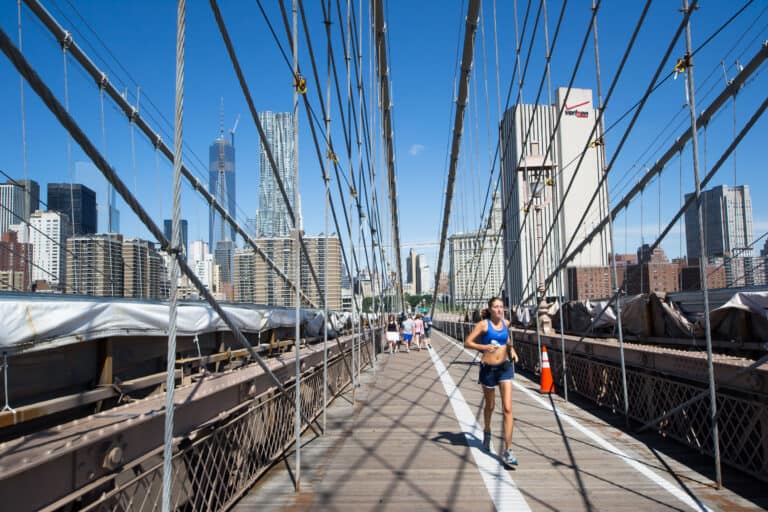
World Cup visitors are saying the same thing about America
International sports fans are arriving in the United States expecting world-class transit and simple pricing, but instead they are getting a crash course in “tipflation” and car reliance.
Hundreds of thousands of travelers are crossing the borders for the massive 2026 FIFA World Cup. While the soccer tournament is generating massive excitement, the real buzz online is about the hurdles of daily life in the United States. A clear consensus shows that America’s gigantic physical size, confusing tipping expectations, and missing train networks are completely stealing the spotlight from the matches.
The massive influx of international tourists is breathing new life into the travel industry. The U.S. Travel Association projects total travel spending to hit an incredible record of $1.37 trillion in 2026. This spending surge represents a vital rebound after a sluggish period in 2025.
Joshua Friedlander, Vice President of Research at the U.S. Travel Association, highlights the industry’s surprising strength. “Travel continues to be one of the most resilient and essential sectors of the U.S. economy,” notes Friedlander. Even with persistent inflation weighing on household budgets, tourists are prioritizing these major live sports experiences.
The staggering reality of American distance
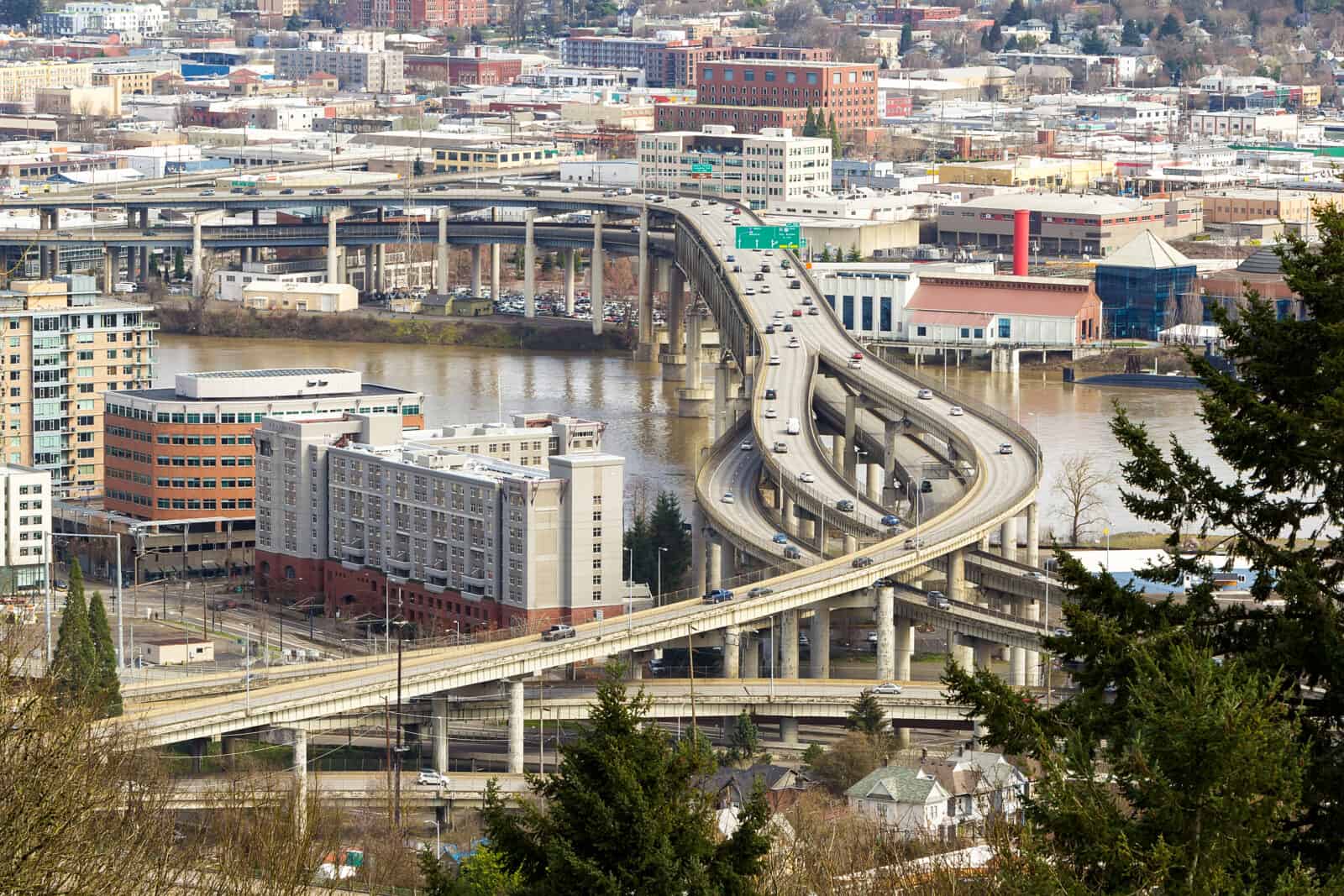
Vast geographical scales are shocking to first-time visitors who try to follow their teams across the country. A Reddit user recently asked international fans for honest feedback about their experiences. The answers quickly revealed that many tourists completely underestimated the distance between host cities.
Traveling between matches in Dallas and Boston isn’t a simple afternoon drive. Some visitors are spending hours on flights just to attend consecutive group-stage matches. This extreme dispersion makes the entire tournament logistically exhausting and incredibly expensive.
These flight cuts and long travel times are forcing fans to spend much more on travel insurance than originally planned.
The baffling maze of American tipping

The most intense frustration among international visitors centers on the aggressive tipping customs. Point-of-sale tablets and digital screens now prompt customers to tip for pre-packaged muffins or self-service items. This digital pressure has left many foreign fans feeling highly scrutinized and confused.
72% of Americans say tipping is now expected in more places than it was five years ago. This trend, dubbed “tipflation,” creates a massive financial barrier for tourists from places like Japan or Scandinavia, where tipping is zero. Additionally, 72% of U.S. adults strongly oppose businesses adding automatic service charges directly to the bill.
Even local residents are hitting a breaking point with these payment screens. A 2025 Bankrate survey found that 63% of Americans view tipping negatively, while 9 in 10 in a WalletHub poll think the system has spiraled out of control. Because the federal tipped minimum wage has been frozen at $2.13 per hour since 1991, workers remain heavily reliant on these funds.
In most countries, tipping is optional, contained, and tied to good service. In the United States, it feels compulsory, acting like a hidden tax on every single transaction.
The public transportation bottleneck
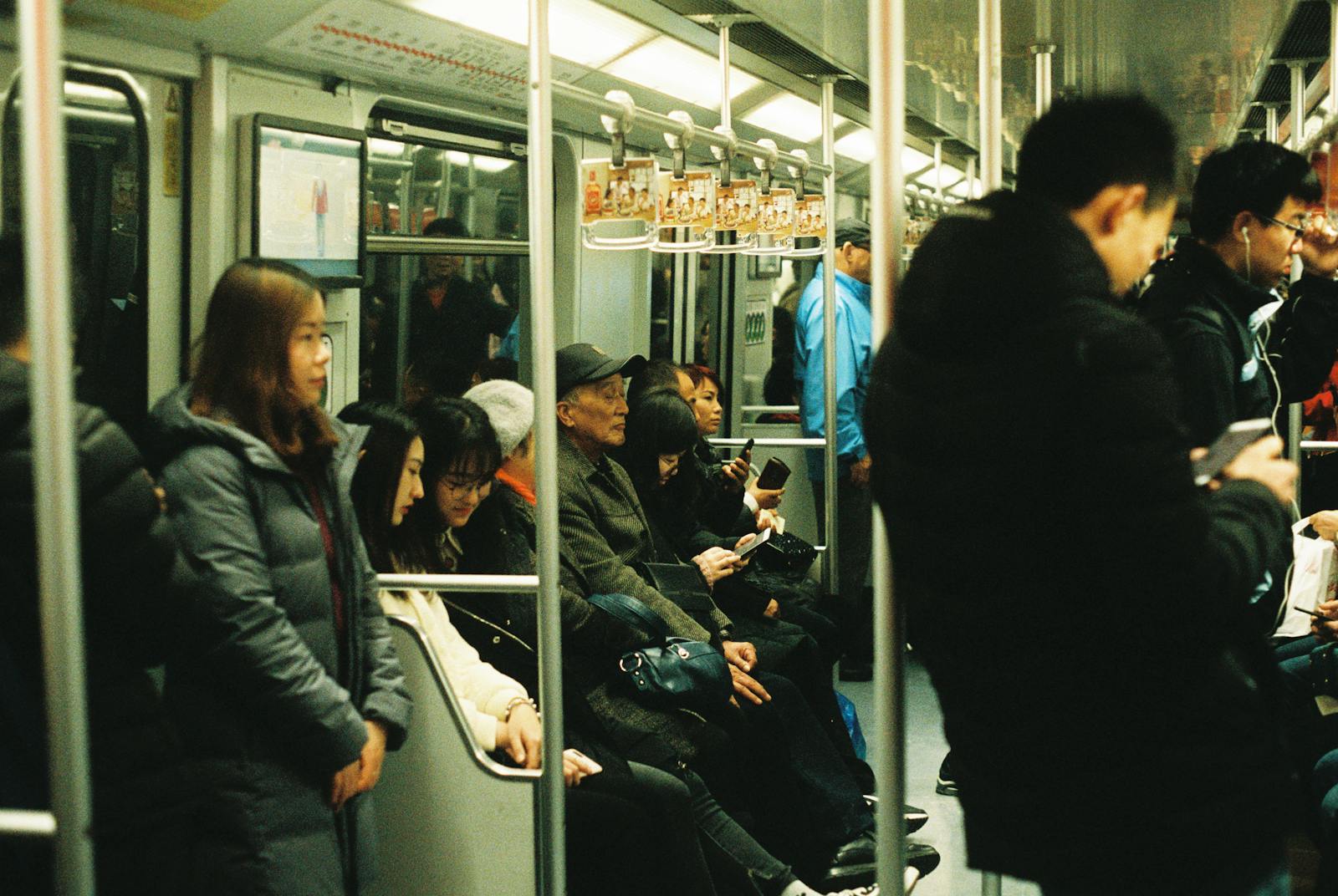
Navigating between stadiums has exposed the severe lack of public transport in most host cities. Tourists are shocked to find massive multi-lane highways and very few walkable paths. Many shops aren’t even accessible on foot, forcing visitors to rely heavily on rideshares or rental cars.
Mass transit systems simply aren’t recovering at the pace needed to support major international events. S&P Global Ratings reports that transit ridership remains well below pre-pandemic levels. In response, some host cities are scrambling to deploy fleets of temporary shuttle buses to handle matchday crowds.
A recent study by the American Public Transportation Association highlights the economic divide between car ownership and transit options. Overreliance on cars means visitors are paying record rates for parking and fuel.
Additionally, the extreme summer heat in places like Dallas and Houston makes walking outdoors incredibly dangerous. Dr. Laura Evans of the National Special Pathogen System notes that medical centers are preparing for a high number of heat-related illnesses. This makes the lack of direct train connections to stadiums a genuine safety concern for foreign fans.
A love affair with massive portions and fast food

Despite the infrastructure complaints, international fans are absolutely loving American hospitality. Social media is filled with glowing reviews of local food culture, from 2 a.m. Waffle House runs to gas station visits at Buc-ee’s. Tourists are describing average Americans as incredibly friendly, outgoing, and helpful.
However, the giant food portions are causing serious culture shock. Visitors frequently joke that a single restaurant entree could easily feed a small village. Locals are teaching tourists that it’s normal to pack up leftovers and eat them for lunch the next day.
The quirky details of American life are also keeping fans entertained.
Some are highly amused to discover that ranch dressing has no numbers stamped on it, while others are baffled that nickels and dimes don’t have numbers stamped on them. This unique mix of chaos and hospitality makes the United States a fascinating destination.
The final playbook for international travelers

The global consensus is clear: the matches are incredible, but surviving America requires some serious preparation. Fans must plan for expensive domestic flights, budget an extra 20% for service tips, and expect to rent a vehicle to get around. While the transportation isn’t perfect, the unmatched enthusiasm of the American public makes the journey entirely worthwhile.
Disclaimer – This list is solely the author’s opinion based on research and publicly available information. It is not intended to be professional advice.
Like our content? Be sure to follow us