World Cup attendance is challenging assumptions about soccer’s place in America
The surprise of this World Cup is not that fans came. The surprise is how many came after months of warnings that high prices, travel restrictions, and America’s complicated relationship with soccer might leave too many empty seats. Instead, the numbers are telling a very different story.
By June 23, attendance had already topped 2.85 million across 44 matches, with stadiums averaging 99.6% full, according to a Reuters analysis based on FIFA data. That is not a soft opening. That is a country-sized stampede into stadiums.
For critics who wondered whether the United States could turn a global football tournament into a full-throated public event, the first half of the 2026 FIFA World Cup has offered a blunt answer: yes, Americans will show up. Maybe not always for soccer in the traditional sense. Maybe not with the same generational rituals seen in Argentina, Brazil, England, Mexico, or Germany. But for a once-in-a-generation spectacle? Absolutely.
What Happened
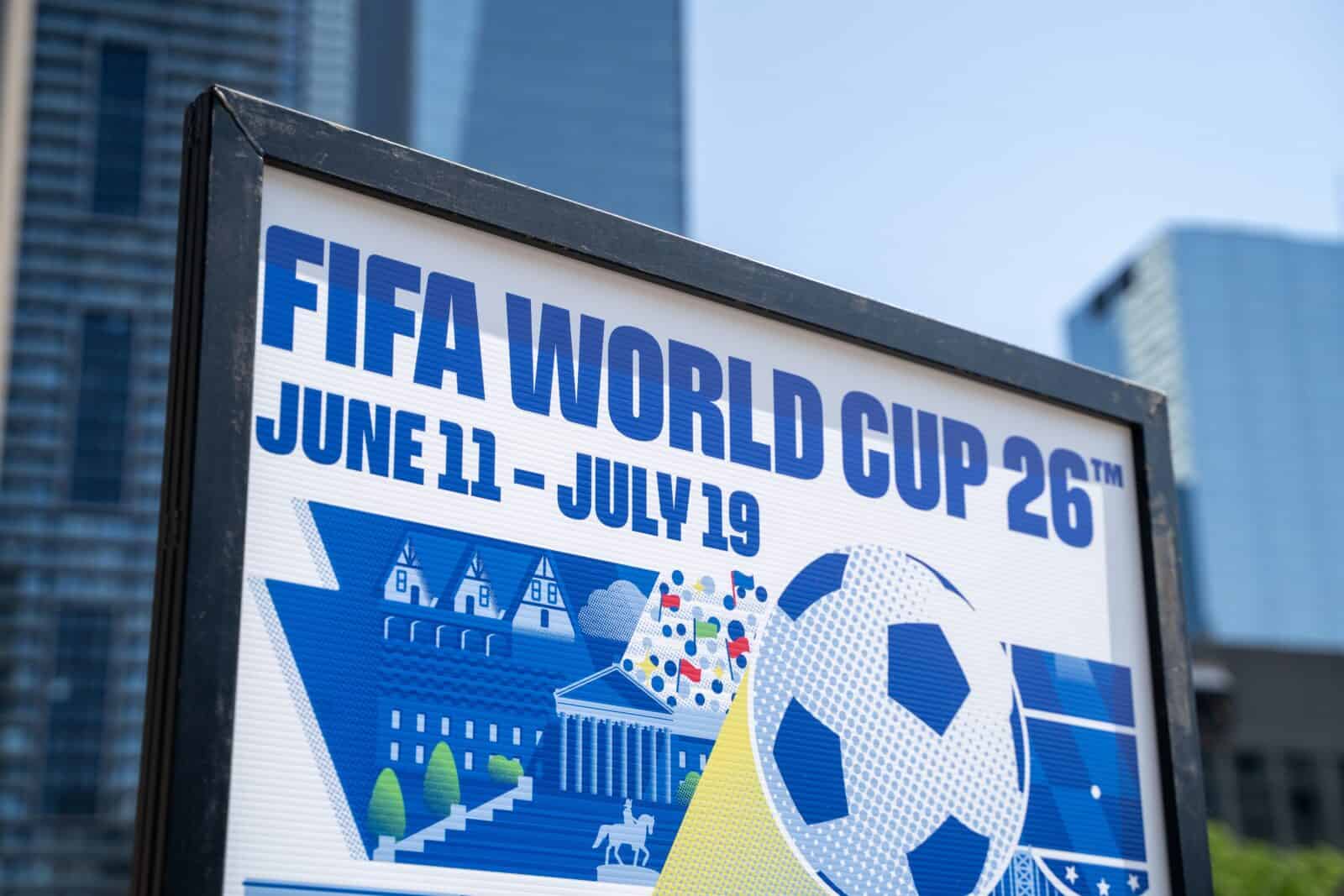
The 2026 World Cup is the biggest edition of the tournament in history. FIFA expanded the field to 48 teams, stretched the event across 104 matches, and placed it in 16 host cities across the United States, Canada, and Mexico. That scale alone made it difficult to compare this tournament neatly with past World Cups.
Still, the early crowd figures are hard to ignore.
FIFA announced that June 16 became the highest-attended single day in World Cup history, with 281,223 fans passing through turnstiles across four group-stage matches. After just six days, the tournament had already drawn 1,309,652 supporters, with an average gate of 65,483 fans per match, according to FIFA’s official attendance update.
That mattered because the pre-tournament conversation sounded very different. Before kickoff, much of the attention centered on ticket prices, resale costs, dynamic pricing, visa concerns, and the fear that World Cup enthusiasm in the U.S. might not match the size of NFL stadiums.
Those concerns were not imaginary. PolitiFact reported in June 2026 that the tournament’s massive ticket sales came with real complications, including pricing controversies, unsold seats in some matches before kickoff, and complaints that many ordinary fans were being priced out. The report also noted that FIFA President Gianni Infantino said the event had sold more than 6 million tickets as of June 10, while critics argued that raw sales numbers needed context because this World Cup has far more games than previous editions. PolitiFact framed the issue clearly: the demand was real, but so were the problems behind it.
Then the fans came anyway.
Why the Crowds Surprised Critics
The surprise comes from an old assumption about American sports culture: soccer is popular here, but not dominant. The NFL still rules the calendar. College football owns entire regions. The NBA, MLB, and Olympic sports all have deeper mainstream roots in many households.
Gallup’s June 2026 survey captured that middle-ground reality.
Forty percent of U.S. adults said they planned to watch at least some of the World Cup, roughly the same as the 38% recorded when the U.S. hosted in 1994. At the same time, only 27% of U.S. adults identified as fans of professional soccer, placing the sport in the middle of Gallup’s list of 15 sports. Gallup found that soccer is not America’s top sport. Still, the World Cup is clearly big enough to escape soccer’s usual boundaries.
That is the key to understanding the crowd surge.
Not all Americans follow club football every weekend. Many may not know the difference between CONCACAF and UEFA. But they do understand a major event. They understand scarcity. They understand the pull of being in the building when something historic happens.
In that sense, the World Cup is functioning less like a regular soccer tournament and more like a Super Bowl stretched across a continent.
The tournament arrived in a country already trained to pay premium prices for major live experiences.
Concert tours, playoff games, Formula 1 races, college football classics, and destination sports weekends have all taught consumers that the biggest events now come with high costs. The World Cup landed directly in that culture.
The Bigger Picture: America Loves the Event Before It Loves the Sport
That may sound like a criticism, but it is more complicated than that. The American World Cup crowd is not fake. It is just different.
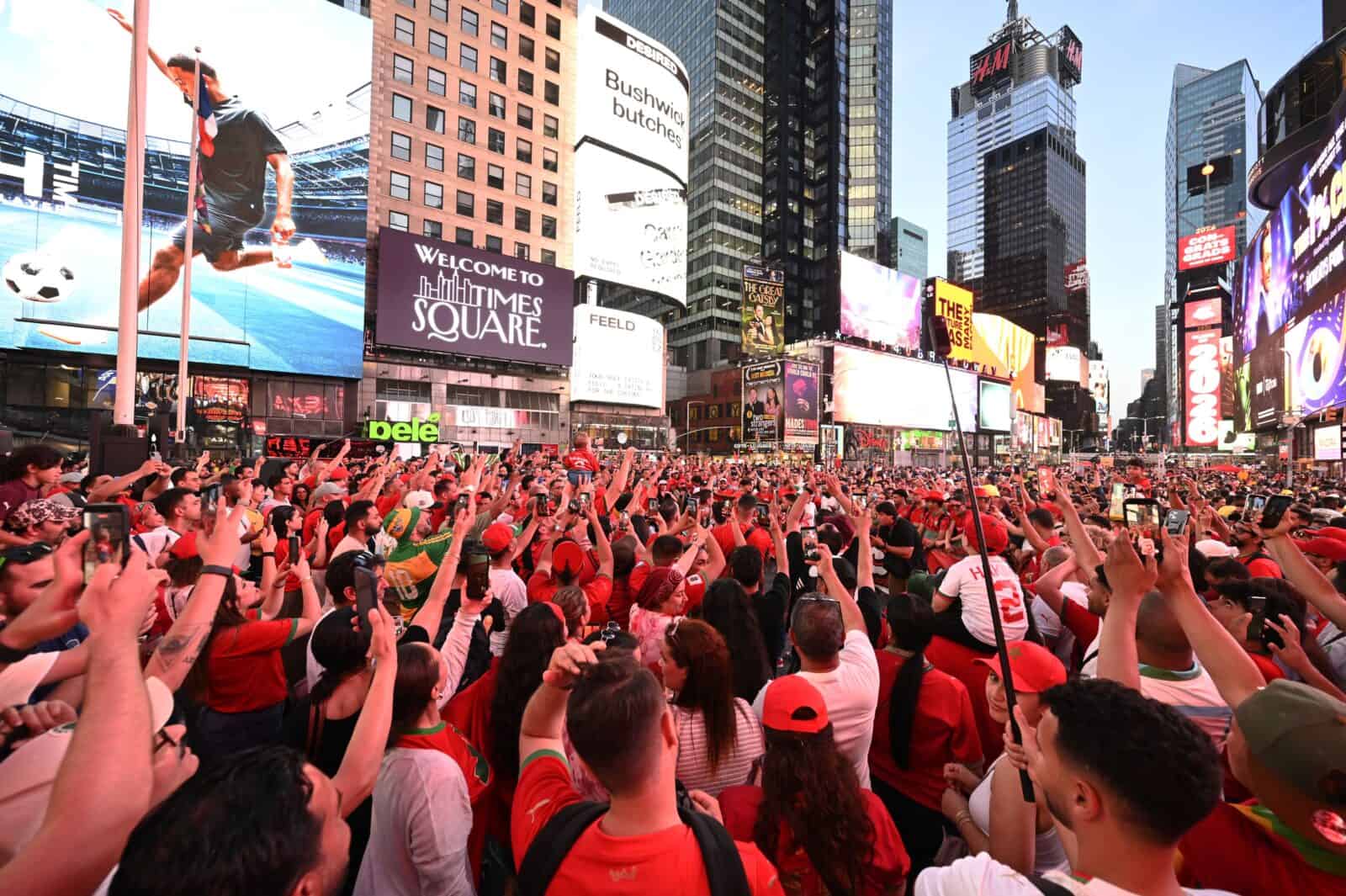
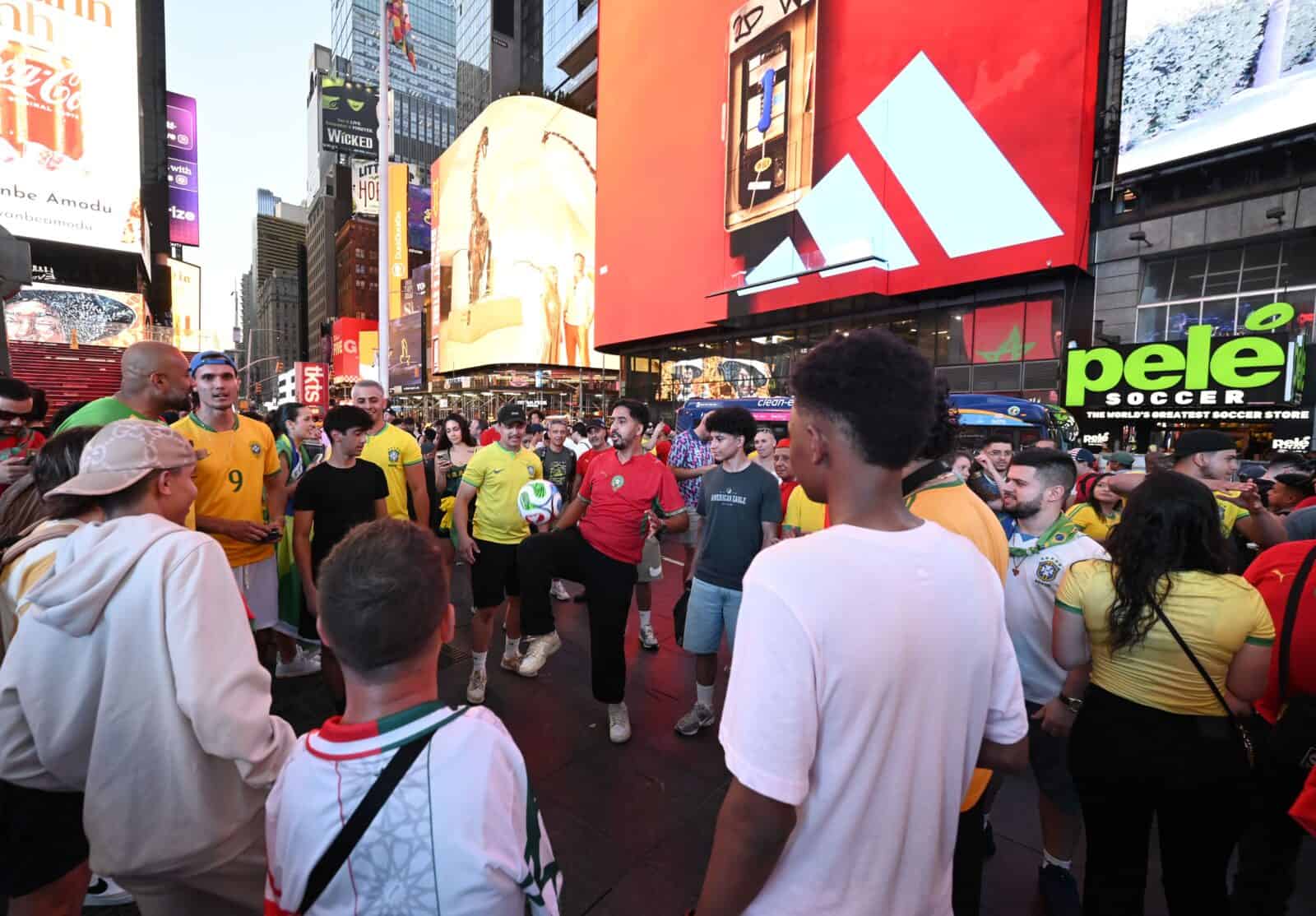
For many fans, the appeal is national identity. For others, it is family heritage. For others, it is the chance to see global stars in person. In U.S. cities with large immigrant communities, the World Cup is not important. It is a reunion. It is a flag, a jersey, a language, a neighborhood, and a memory.
That helps explain why attendance can soar even in a country where soccer still competes for attention. The World Cup does not need every American to become a weekly soccer obsessive. It only needs enough people to understand that this is rare.
Current data suggests that the base of interest was already growing before kickoff. YouGov reported in May 2026 that the share of Americans who actively follow football increased from 8% in mid-2022 to 12% in early 2026. Among adults ages 18 to 34, the increase was sharper, climbing from 13% to 22% over that period. YouGov also found that U.S. interest in following the World Cup had nearly doubled compared with the lead-up to the 2022 tournament. YouGov described a sport gaining ground among younger audiences before the tournament even began.
Nielsen data points in the same direction. A June 2026 Reuters report on Nielsen’s findings said North America’s soccer fan base had grown 10.9% over five years to more than 136 million people. It also said the United States had the world’s fourth-largest soccer fan base, with 62.5 million followers. Reuters reported that 64% of surveyed fans expected their interest in the sport to grow further.
So the crowd boom did not appear from nowhere. It came from a country where soccer has been quietly building a bigger, younger, more diverse audience while still sitting outside the very top tier of American sports.
The Debate Beneath the Celebration
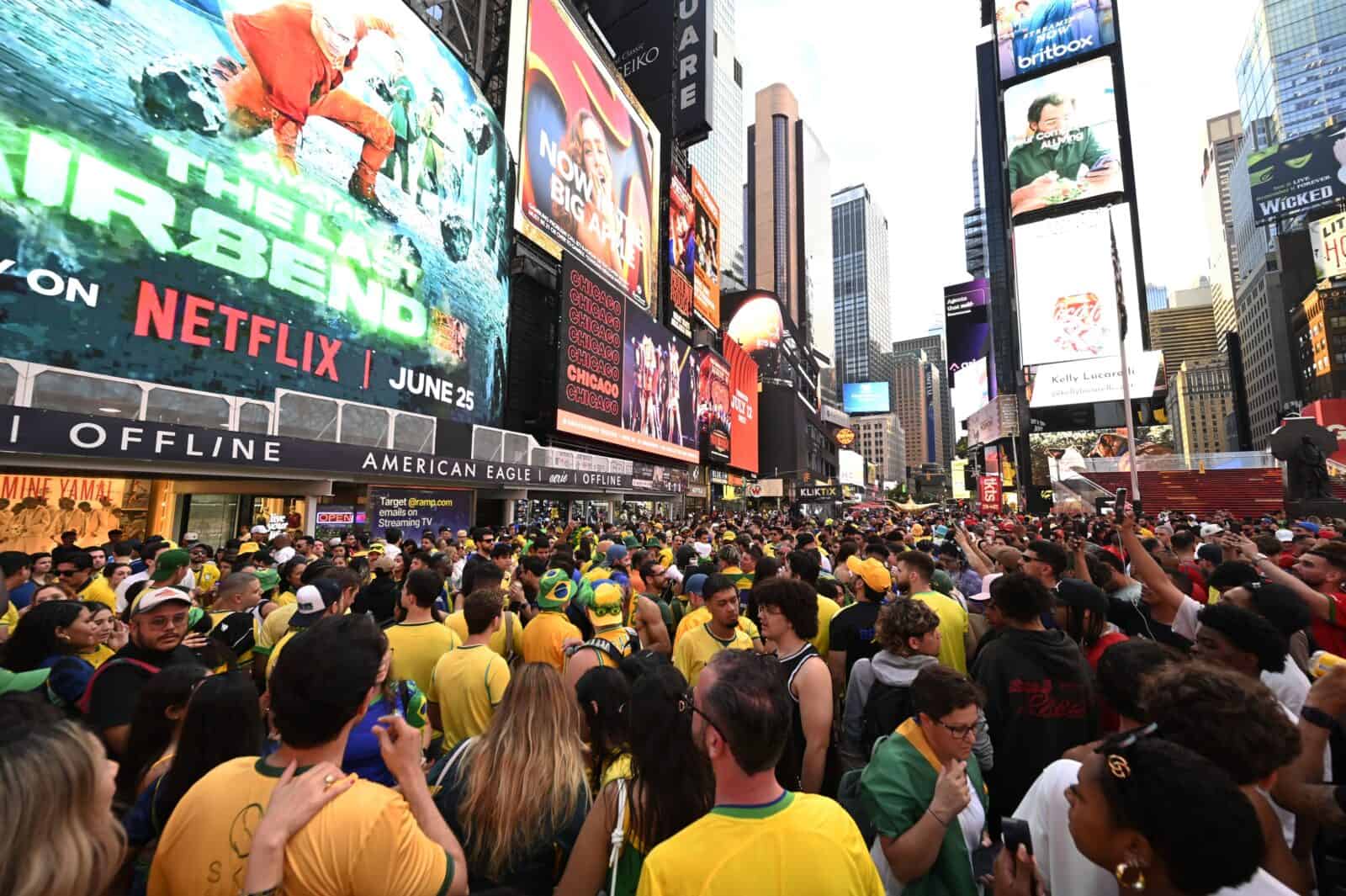
The attendance numbers are impressive, but they do not erase the tension around access.
A packed stadium does not automatically mean a healthy fan culture. It can also mean a wealthy fan culture. That distinction matters.
Reuters reported that FIFA used dynamic pricing for the first time at this World Cup, with prices shifting based on demand. The same report said TicketData found average “get-in” resale prices of $798 for the cheapest resale ticket available for a given match. FIFA said it made 130,000 tickets available at $60 each, but critics have argued that lower-cost tickets were too limited to balance out the broader price shock.
This is where the story becomes bigger than soccer. The World Cup crowd surge reflects America’s appetite for spectacle. Still, it also reflects the growing divide between people who can afford to live cultural moments and people who experience them from outside the gates.
That tension is familiar. It appears in concert pricing, playoff tickets, theme parks, air travel, and even restaurant reservations. The most desirable shared experiences are becoming harder to access, even as they become more culturally powerful.
The World Cup is now part of that conversation.
Different Perspectives
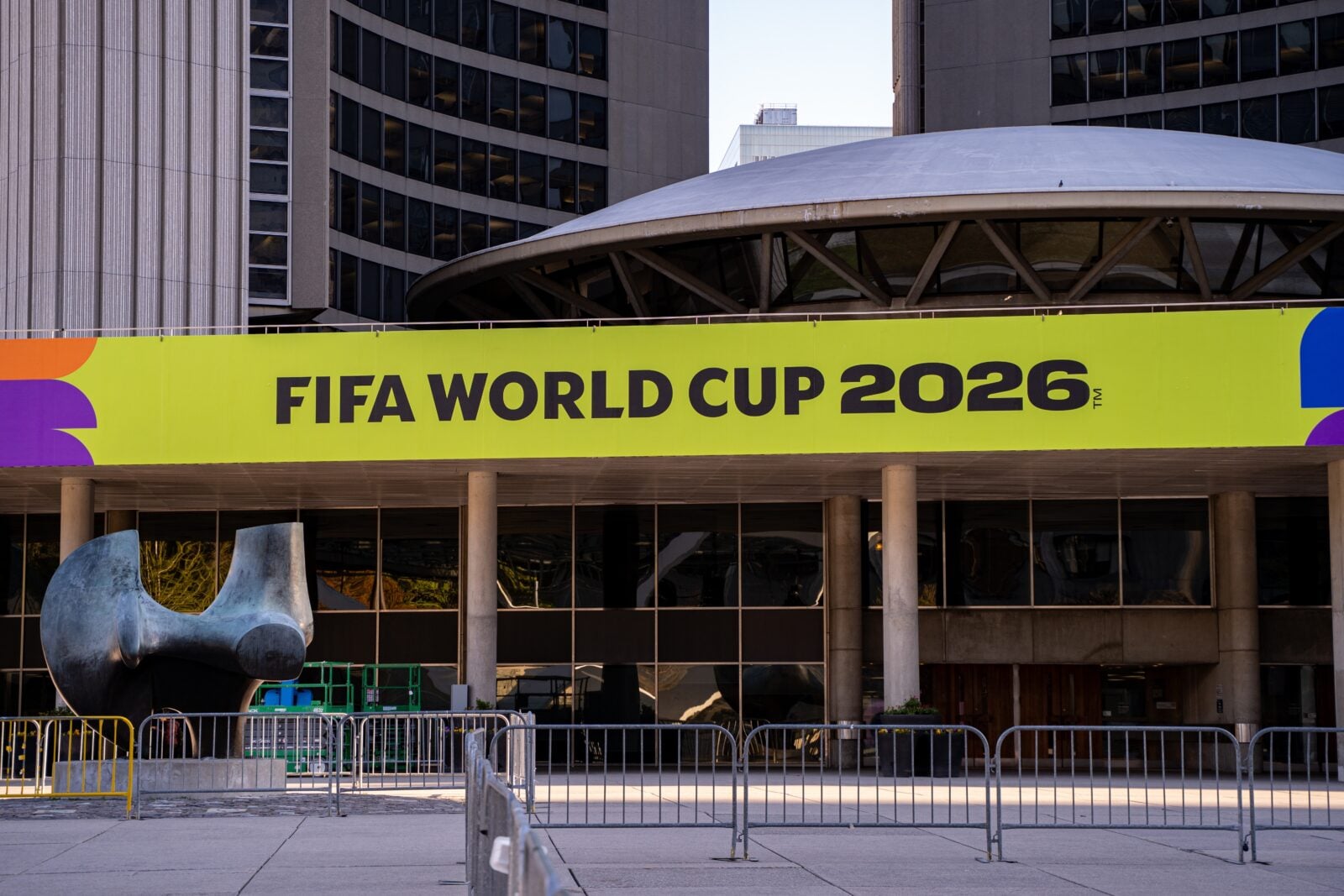
For FIFA and host cities, the crowds are a triumph. Full stadiums validate the expanded format, justify the huge logistical effort, and strengthen the argument that North America can host the world’s largest sports events at scale.
For many American fans, the tournament is a celebration. It is proof that soccer has outgrown the lazy old joke that “Americans do not care.” Millions clearly do care, even if they express that interest differently from fans in traditional football nations.
For critics, the crowds tell only part of the story. They argue that strong attendance does not offset expensive tickets, travel barriers, policy confusion, or the possibility that some local families were priced out of a tournament in their own backyard.
Both views can be true.
The 2026 World Cup can be a massive success in terms of attendance and still raise uncomfortable questions about who gets to participate in global sports culture up close.
What Readers Can Take Away

The lesson from the early World Cup crowds is not simply that soccer has “made it” in America. That is too easy. The better lesson is that America’s relationship with soccer is changing in a very American way.
The country may not be turning into Brazil or England overnight. But it has become a place where the World Cup can fill giant stadiums, pull in casual fans, energize immigrant communities, attract young viewers, and turn group-stage matches into premium cultural events.
The critics were not wrong to ask questions. Ticket prices were high. Some matches faced skepticism. Travel and access concerns were real. But the fans still arrived in numbers large enough to reshape the story.
America did not need to become a traditional soccer nation to embrace the World Cup. It only needed to recognize the tournament for what it is: a rare global moment happening close enough to touch.
And judging by the crowds, millions of Americans decided they did not want to miss it.
Disclaimer – This list is solely the author’s opinion based on research and publicly available information. It is not intended to be professional advice.
Like our content? Be sure to follow us.