Federal judge blocks Trump administration effort to restrict SNAP purchases of soda and sugary drinks in Florida
Sometimes the fiercest battles over personal choice begin in the most ordinary place: the checkout line.
The battle over what you can put in your grocery cart just hit a massive legal roadblock in the Sunshine State. A federal judge recently slammed the brakes on a major government push to ban sugary drinks and candy from the SNAP program in Florida.
For families grabbing groceries on a tight budget, this ruling keeps things exactly how they have always been. It turns out that changing the rules of the supermarket aisles requires a lot more than just a quick administrative pen stroke.
The Core Of The Legal Ruling

U.S. District Judge Amy Berman Jackson delivered a clear message that the government stepped completely out of bounds. She ruled that the USDA lacked the legal authority to approve state requests aiming to bar recipients from purchasing soda. The judge essentially told officials that they cannot just rewrite the rulebook to fit their specific health agenda.
Her decision sided with the plaintiffs who felt these sudden changes would severely hurt their daily food access. The court stressed that Congress alone holds the power to define what qualifies as acceptable food under the assistance program. You simply cannot alter a massive federal program through quick administrative shortcuts.
The Congressional Definition Of Food
To understand this clash, you have to look at how lawmakers originally defined food for this program. The current law clearly allows families to buy any food or food product intended for home consumption. Alcohol and hot meals are off the table, but a bottle of soda is perfectly legal to buy.
The judge pointed out that the government completely ignored this straightforward definition when approving the recent restrictions. If officials want to ban specific snacks, they need to convince Congress to pass a brand-new law. Until that happens, the checkout lane rules remain firmly rooted in the original legislative text.
The Make America Healthy Again Campaign
This whole restriction attempt is a major piece of the Make America Healthy Again initiative championed by the Trump administration. Officials like Agriculture Secretary Brooke Rollins and Health Secretary Robert F. Kennedy Jr. strongly backed these state waivers. They passionately argue that taxpayers should never foot the bill for items that fuel obesity and diabetes.
Their overarching goal is to completely transform the American diet by forcing healthier choices at the grocery store. However, critics point out that using food aid as a weapon for dietary compliance is the wrong approach entirely. It remains a fiery debate over whether the government should act as our national nutritionist.
The Widespread Push For State Waivers
Florida is far from the only place trying to shake up how families use their electronic benefit transfer cards. Reuters reports that the USDA has actually approved food restriction waivers in 23 states that want to block candy and soda purchases. This coordinated wave of waivers shows a massive nationwide push to change grocery habits.
Each state had slightly different ideas about what should stay on the shelves and what should get banned. Some wanted to block all sugary beverages, while others targeted everything from candy bars to sports drinks. Despite this growing momentum across the country, the federal court just hit the pause button on all of it.
Tracking The Massive Scale Of Aid
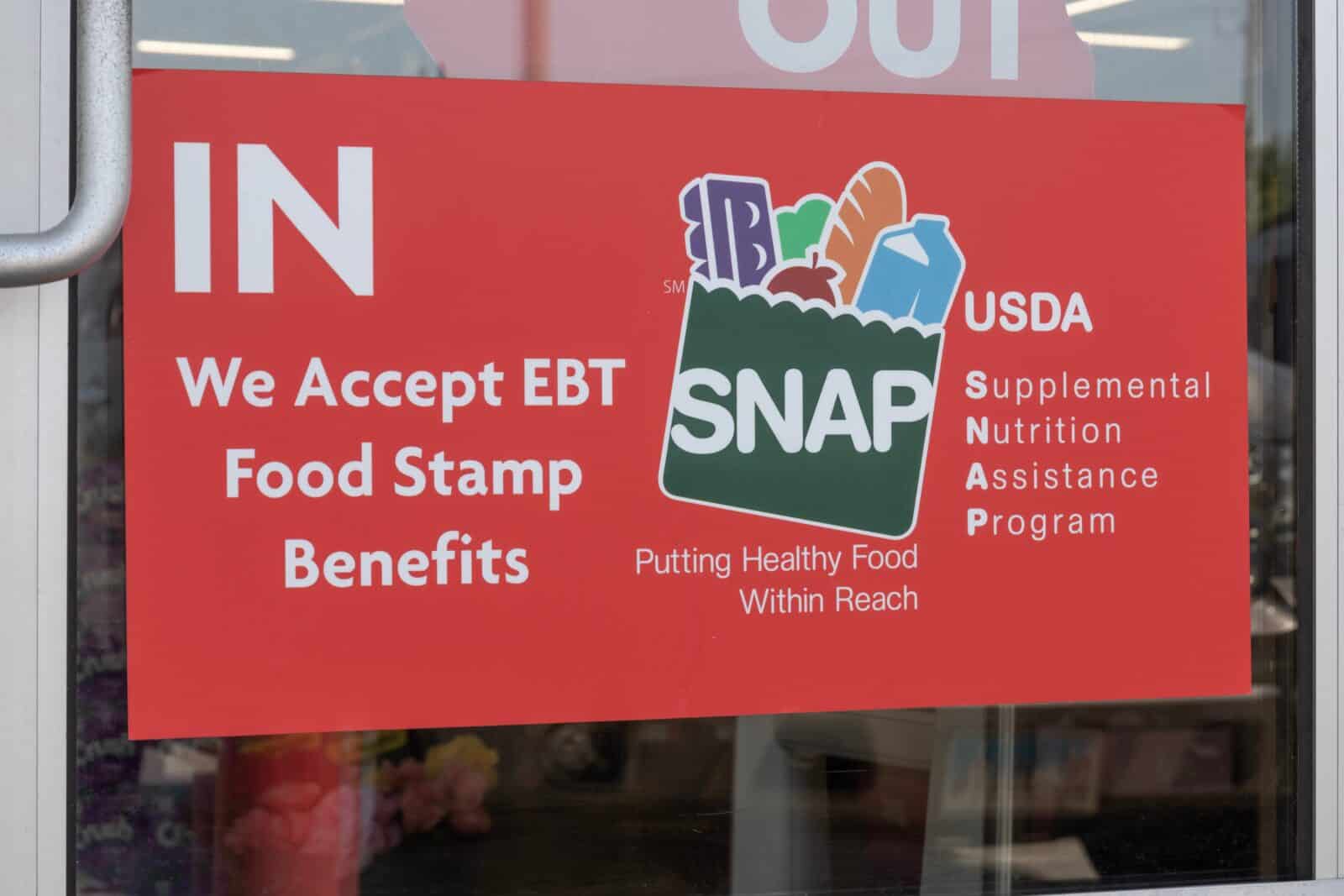
We are talking about a lifeline that supports a huge chunk of the population every single month. SNAP currently provides monthly benefits to 42 million low-income Americans who rely on it to feed their families. This massive safety net helps keep food on the table when times get incredibly tough.
The logistics of policing every single transaction across the entire country would be an absolute nightmare. Cashiers would constantly have to check if a specific drink meets the strict new health guidelines. When you realize the sheer volume of transactions happening daily, the idea of item bans seems incredibly difficult.
Evaluating Stigma At The Grocery Checkout
Imagine getting to the front of the line and having your card declined because you grabbed the wrong juice box. The financial impact of this program is staggering, providing an average of $190.59 a month per person for groceries. Nobody wants to hold up the line while a cashier loudly explains what items are suddenly forbidden.
Shoppers would have to memorize complex rules, like whether a drink has fifty percent real juice or just forty. The resulting confusion would inevitably lead to heated arguments and tears right there in the supermarket aisle. Putting that kind of emotional burden on families simply trying to buy groceries feels excessively cruel.
Voices From Low-Income Beneficiaries
Families relying on this assistance have been vocal about how these proposed changes miss the mark entirely. From January 2025 to January 2026, nearly 4.3 million Americans lost their SNAP benefits completely due to tightening rules. Those still receiving help feel like they are constantly jumping through hoops just to survive.
Many folks use sports drinks to manage blood sugar or keep hydrated during brutal summer shifts. They argue that politicians in Washington simply do not understand the daily reality of stretching a tiny food budget. Hearing these real stories puts a human face on a debate that often feels disconnected and cold.
The Financial Cost Of The Program
Money is always at the center of these heated political battles over government aid and public spending. The program cost just over $100 billion in fiscal year 2024, making it a huge target for budget hawks. Critics of the soda purchases frequently point to that massive price tag as justification for stricter rules.
Supporters of the restrictions believe that cutting out junk food would save healthcare dollars in the long run. They think that preventing diabetes now is worth the hassle at the checkout lane today. It is a classic argument of immediate savings versus long-term public health benefits.
Addressing Administrative Overreach Claims
This lawsuit is part of a much bigger conversation about how much power the executive branch actually holds. The program is vital for survival, as it ends up helping about 1 in 9 Americans buy groceries regularly. You cannot redefine the meaning of a word just because it suits your current political agenda.
The ruling sends a warning shot to any department trying to change major policies without getting Congress involved. Lawyers for the plaintiffs celebrated this as a major victory against government overreach and unchecked power. It proves that the courts are still willing to check executive authority when it crosses the line.
What Happens Next For Food Assistance
Do not expect the proponents of these restrictions to just pack up and go home after one legal defeat. The USDA has already signaled that it will keep fighting to implement these health-focused changes nationwide. We are likely going to see appeals and entirely new strategies aimed at curbing junk food purchases.
For now, shoppers in Florida and the other affected states can breathe a small sigh of relief. Your grocery list remains your own business, at least until the next round of legal battles begins. The fight over the American dinner table is far from finished, and we will be watching closely.
Like our content? Be sure to follow us