Greece moves to close 60 Mosques in the country
When places of worship become legal flashpoints, the line between public order and personal faith starts to blur in uncomfortable ways.
Greece is currently making waves with a controversial decision to shut down dozens of unregistered religious centers. Government officials are cracking down on unofficial worship spaces across the capital city. This aggressive sweep has sparked intense debates about religious freedom and immigration policies.
Authorities argue the closures are strictly a matter of following building codes and maintaining public safety. Critics fear this move is actually a covert strategy to push out immigrant populations. We need to look at what is really happening on the ground to understand the full picture.
The Sudden Sweep across Athens

The Greek government recently announced a massive operation targeting unregistered religious facilities. Migration and Asylum Minister Thanos Plevris made it clear that illegal places of worship will face immediate closure. This sweeping directive specifically targeted dozens of unsanctioned facilities scattered throughout the capital.
Local police have already started sealing doors and making arrests in affected neighborhoods. A Bangladeshi immigrant was recently detained and penalized for running one such center. Such strict enforcement shows that the government is not making empty threats.
Relying on a Strict New Law
The foundation for these closures comes from a recently enacted piece of legislation. Authorities are leaning heavily on Article 28 of Law 5224/2025 to justify their actions. This specific rule allows police to shut down any religious site operating without a valid permit.
This rule does not explicitly target any single faith group on paper. However, officials are using it aggressively to close up shop on minority gathering spots. The steep penalties have left many religious leaders scrambling to figure out their next steps.
A Looming Threat of Deportation
The stakes are incredibly high for foreign nationals caught in this legal crossfire. Immigrants found running or attending these banned centers risk losing their residency status immediately. Officials have openly stated that parallel deportations will accompany the property closures.
Many advocates worry that this policy will fracture families and destroy established communities. To make matters worse, operators of these unsanctioned facilities face prison sentences ranging from two to six months. The fear of forced removal and jail time is spreading like wildfire through the affected neighborhoods.
The Scarcity of Official Worship Spaces
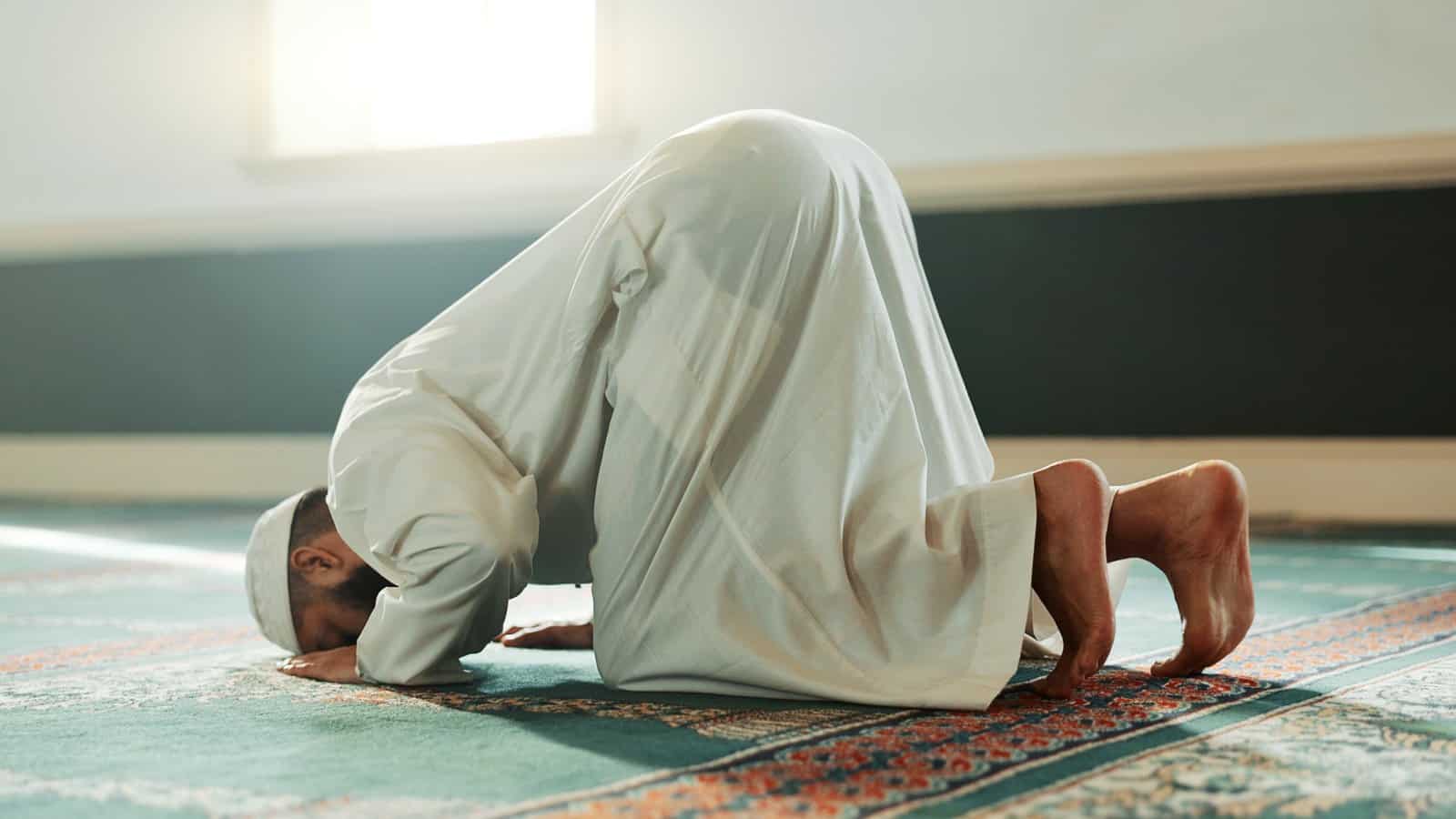
Finding a legally sanctioned place to pray is incredibly difficult for minority faiths in the capital. The city is reported to have 60 to 100 unauthorized mosques operating in secret. Because the state limits permits, worshippers simply create their own spaces to gather.
This situation is the direct result of a massive shortage of legal religious real estate. The only licensed mosque in the capital officially opened its doors in 2020. Before that milestone, the city held the awkward title of being the only European capital without an official mosque.
A Changing Demographic Makeup
The religious makeup of the region has shifted dramatically over the past two decades. Most of the affected worshippers arrived recently from the Middle East or the Balkans. More than 500,000 Muslims currently reside in and around the Athens region.
This influx of new residents brought diverse traditions to a historically homogeneous society. The growing numbers naturally led to a demand for community gathering spots. Without enough official avenues for expansion, the underground religious scene simply blossomed out of necessity.
Tensions Rise within Local Communities
The relationship between marginalized groups and law enforcement is deteriorating rapidly. Leaders of the affected communities are pulling back from their usual cooperation with local police. Trust is evaporating because the safe spaces that once fostered communication are now crime scenes.
This communication breakdown could create serious public safety issues down the line. Community leaders warn that pushing these groups underground will only breed resentment and anger. Building bridges is practically impossible when the foundations are being actively dismantled.
The Move Sparks Human Rights Debates
Advocacy groups are sounding the alarm over what they see as a violation of basic freedoms. They argue that everyone deserves a safe and public place to practice their faith. Some activists firmly believe this campaign is merely an excuse to flush out migrants.
The timing of these closures coincides suspiciously with a push for stricter immigration bills. Critics point out that making life unbearable is a classic tactic to encourage voluntary departure. It feels like the administration is trying to clean house by targeting vulnerable minorities.
Worshippers Promise to Take to the Streets
The crackdown has generated a fierce spirit of defiance rather than submission. Many worshippers flatly refuse to stop their daily prayers just because a building is locked. Several community groups have boldly announced plans to pray openly in public squares.
Taking religious services to the streets will certainly force the issue into the public eye. Such visible protests will test the patience and response of the local police force. Nobody knows exactly how the authorities will handle massive crowds rolling out prayer rugs on city sidewalks.
A Deeply Rooted Orthodox Tradition

Understanding this conflict requires looking at the historical religious context of the region. The nation has a deeply entwined relationship with its historical church. Nearly 90 percent of the Greek population belongs to the Eastern Orthodox Church.
This overwhelming majority means that minority faiths often struggle for visibility and acceptance. The culture is steeped in Christian traditions that shape daily life and political decisions. For many locals, the sudden proliferation of foreign religious centers feels like a cultural shock.
Looking at the Broader European Picture
This localized dispute mirrors similar struggles happening all across the continent right now. Nations like Italy are also dealing with a surge of unauthorized worship centers. Conservative politicians across Europe are watching this aggressive approach to see if it actually works.
Different countries are trying to figure out how to balance integration with security. Some leaders prefer dialogue, while others lean in favor of strict enforcement tactics. The outcome of this Mediterranean experiment will likely influence immigration policies worldwide.
Like our content? Be sure to follow us