New California law banning sell-by labels on food to prevent waste takes effect in July
A small line of ink on a package has quietly shaped how we value food, and California is now erasing it.
California is shaking up the grocery aisles with a major shift that will change how we buy our groceries. Starting this July, a groundbreaking law known as Assembly Bill 660 officially takes effect across the state. This legislation completely bans the familiar but confusing sell-by dates that have decorated our milk cartons and bread bags for years.
The sweeping change aims to simplify the shopping experience and stop families from throwing away perfectly good meals. This consumer-friendly update promises to save money and protect the environment simultaneously.
Why The Golden State Is Banning Sell By Dates

Lawmakers realized that vague phrasing on packaging causes massive amounts of unnecessary waste across the state. CalRecycle reports that 2.5 billion meals’ worth of unspoiled food is thrown away each year. Most people misunderstand shelf-facing inventory labels and toss completely safe meals into the garbage bin.
The new rules force companies to communicate clearly with the people actually eating their products. State officials want to protect the budgets of everyday families who feel the pinch of high grocery prices. Banning these internal stock dates gives shoppers the confidence to consume what they buy.
How New Labels Target Quality Versus Safety

The updated system breaks everything down into two simple categories that anyone can quickly understand. Shoppers will see specific phrasing for peak freshness and entirely different phrasing for actual health risks. According to Californians Against Waste, more than 50 different phrase date labels have been used in the United States.
Packages will now state “BEST if Used by” to indicate when a cracker might lose its satisfying crunch. Alternatively, perishable items will carry a strict “USE by” warning to signal an expiration of food safety. This direct approach removes the guesswork from deciding what stays in the refrigerator.
The Real Financial Cost For Ordinary Families

Throwing away groceries directly drains the bank accounts of hardworking people trying to make ends meet. Families often toss out expensive meats and dairy products simply because a printed stamp looks expired. About 20 percent of avoidable wasted food comes from confusion over dates, according to Californians Against Waste.
Saving those groceries means more money stays in the pockets of consumers every single month. A clearer system helps parents plan meals better without fearing they might accidentally serve spoiled dinners. Keeping food on the table instead of the trash can provides instant economic relief.
Clearing Up Decades Of Supermarket Confusion
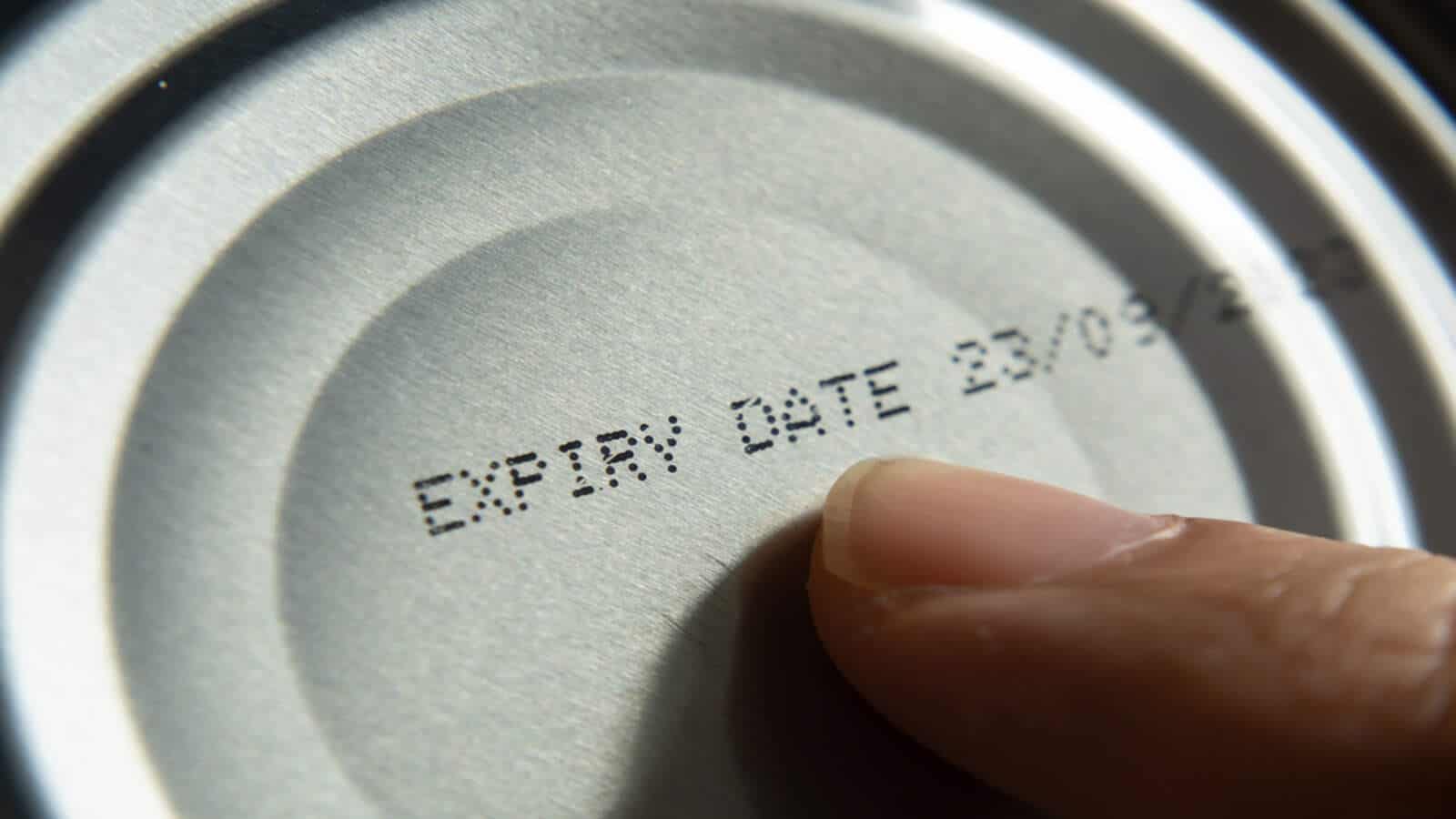
For generations, grocery shoppers have squinted at tiny print, trying to decode what an expiration stamp actually meant. The random assortment of abbreviations created an atmosphere of anxiety around the kitchen pantry. The upcoming July changes will finally establish a unified language for every packaged item sold.
Shoppers no longer need to wonder if a printed code was meant for the stock boy or the consumer. Everyone can trust that the bold letters on their favorite cereal box speak directly to their health. Simplifying the shopping trip brings a refreshing dose of common sense to the modern supermarket.
Understanding The Exceptions For Certain Products

While the law covers most of the store, a few specific aisles get a pass from the new rules. Items like raw eggs and infant formula remain under older regulations because of strict federal guidelines. You will still see the traditional dating methods when you buy beer or fine wine.
These exemptions exist because those particular goods require different tracking methods for maximum safety. Lawmakers carefully carved out these exceptions to avoid clashing with established national standards. Consumers should just remember that the vast majority of their cart falls under the updated rules.
What This Means For Grocery Store Inventories
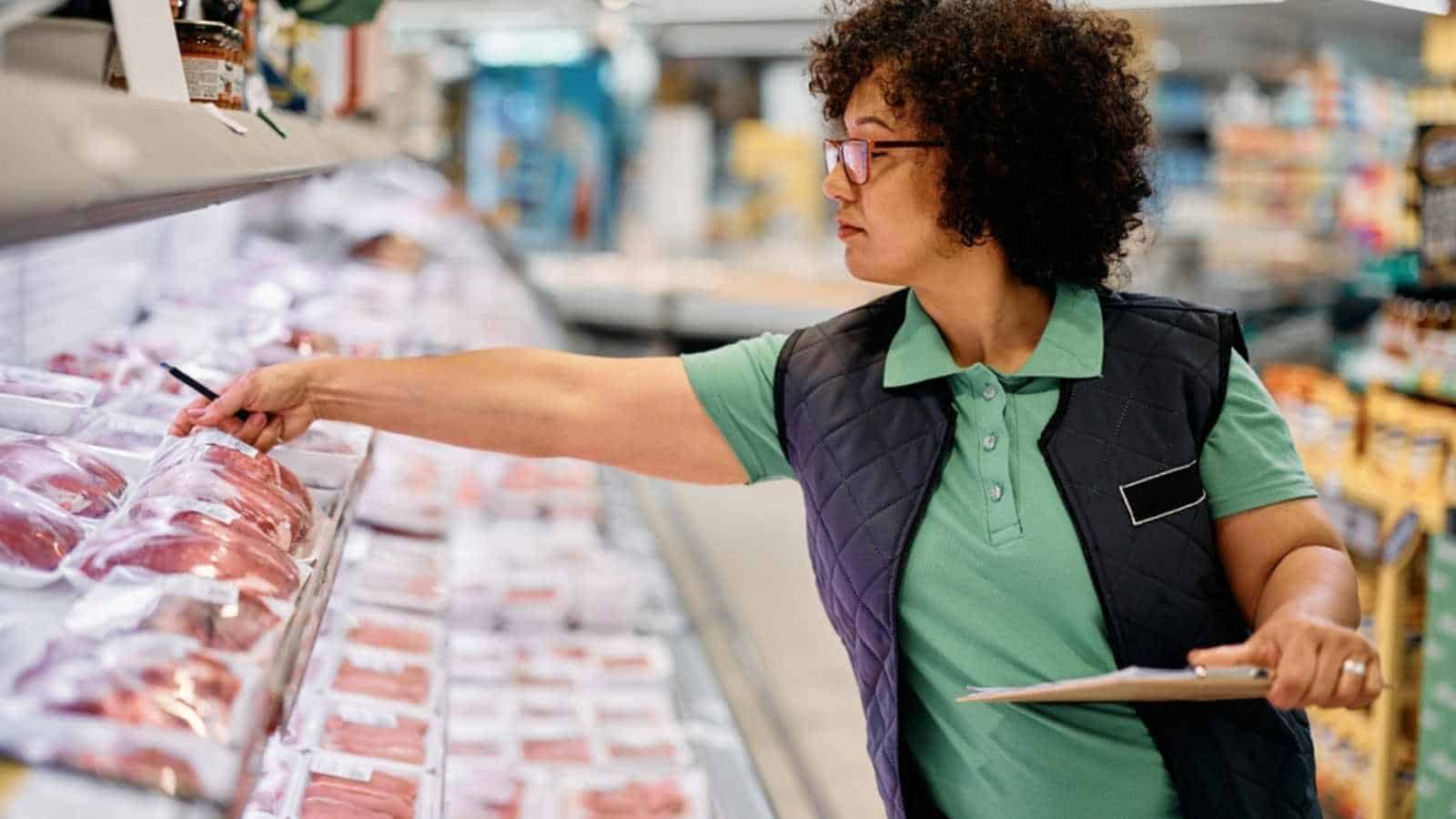
Supermarkets must drastically change how they rotate their stock without the old system to guide them. Store managers will now rely on invisible barcodes or internal software to keep their shelves properly stocked. The Los Angeles County Sanitation District reports that the county generates about 4,000 to 8,000 tons of food waste daily.
Employees can track freshness digitally rather than relying on confusing stamps printed on the cardboard boxes. This behind-the-scenes shift forces retailers to modernize their entire inventory tracking operation. Customers will reap the benefits of this unseen technological upgrade every time they check out.
The Massive Environmental Impact of Thrown-Out Food

Rotting garbage produces massive amounts of methane gas that severely damage our delicate atmosphere. When we toss out a half-eaten loaf of bread, we also waste the water and energy used to bake it. Organic waste makes up 48 percent of what Californians send to landfills, per CalRecycle.
Diverting that trash away from the dump represents a massive victory for local environmental advocates. A simple wording change on a yogurt cup directly fights back against dangerous climate change. Small tweaks to our daily habits add up to an incredibly powerful ecological movement.
Small Packages Get A Different Set Of Rules

Tiny items like candy wrappers or individual sauce packets lack the physical space for long sentences. Regulators created a shortened version of the rules so manufacturers can still comply without ruining their designs. You might spot the letters “BB” for quality dates or “UB” for safety warnings on these miniature goods.
This compromise shows that the government actually listened to the practical concerns of the manufacturing industry. It keeps the packaging clean while still delivering the vital information consumers deserve to know. Nobody wants to read a novel on the back of a tiny chocolate bar wrapper.
How Out-of-State Producers Must Adapt

Companies located across the country must change their printing presses if they want to sell goods in Los Angeles or San Francisco. State records indicate that Californians discard roughly six million tons of food waste annually. This massive market forces national brands to adopt the updated guidelines for their entire nationwide production.
Many corporations will likely apply the new standards to all their products to avoid running separate assembly lines. A single state passing a strict rule often creates a ripple effect that benefits shoppers everywhere. This local legislation could easily become the default standard for the entire American food industry.
The Threat Of Misdemeanors For Label Violations

State inspectors will not take kindly to companies that ignore the July deadline and stick to their old ways. Businesses caught printing the banned phrases face strict penalties under the agricultural code. Violators could literally be charged with a misdemeanor for refusing to update their packaging.
This legal threat guarantees that massive conglomerates will actually take the new regulations seriously. It proves that the government is willing to use its authority to protect the wallets of everyday citizens. Consumers can shop confidently knowing that the state is actively policing the grocery aisles.
Like our content? Be sure to follow us