WHO says Europe heat wave linked to 1,300 deaths as Germany hits record heat
An absolute scorcher of an early summer heatwave is battering Western and Central Europe right now. The World Health Organization reports that this extreme weather is linked to over 1,300 excess deaths since June 21, 2026.
Temperatures are skyrocketing to levels that the continent simply wasn’t built to handle. From buckled train tracks to failing power grids, the situation is escalating incredibly quickly. It’s a sudden, silent crisis that has left public health officials scrambling.
The silent killer is running wild

WHO Director-General Tedros Adhanom Ghebreyesus warned that Europe is warming at twice the global average. He labeled heat stress a “silent killer” because European homes, workplaces, and schools are not designed for these temperatures.
A rapid attribution analysis shows that this level of extreme June heat is virtually impossible without human-caused climate change. What used to be a once-in-a-generation weather event is now becoming an annual reality. This shift is forcing a massive rethink of how modern cities protect their residents.
Breaking down the brutal numbers

The statistics coming out of the continent are honestly staggering. France’s national health ministry reported about 1,000 unexpected deaths in just a few days, mostly affecting elderly citizens over 65.
The country logged a massive 40% spike in people dying in their own homes. This shows that indoor environments are failing to provide any relief from the oppressive outdoor air.
Germany also broke its all-time heat record for three straight days, peaking at a blistering 41.7 degrees Celsius in the eastern town of Coschen. Poland and the Czech Republic also registered historic highs, proving that the extreme heatwave is rapidly moving east.
These record-shattering numbers show just how quickly this heatwave has spread across Western and Central Europe. The sheer scale of the anomaly has left public utilities and hospitals stretched to their breaking points.
Why concrete homes are turning into ovens

A major discussion on Reddit reveals exactly why this heat is so deadly for everyday residents. Unlike in America, where central air conditioning is the norm, AC units are incredibly rare in Germany.
German homes are mostly built of solid, heavy concrete designed to keep heat inside during freezing winters. Without AC, these well-insulated walls absorb heat all day and keep the house baking-hot all night long. The masonry acts like a thermal battery, releasing heat back into bedrooms just when people are trying to sleep.
One resident noted that their bedroom would be unlivable without a noisy portable AC unit. Another user admitted to spending the entire weekend hiding in their basement with their cat just to survive.
Basements have suddenly become hot commodity assets for anyone trying to escape the daytime bake. It’s a desperate situation for millions of families who have absolutely no way to cool their living spaces.
Inside the science of a heat dome
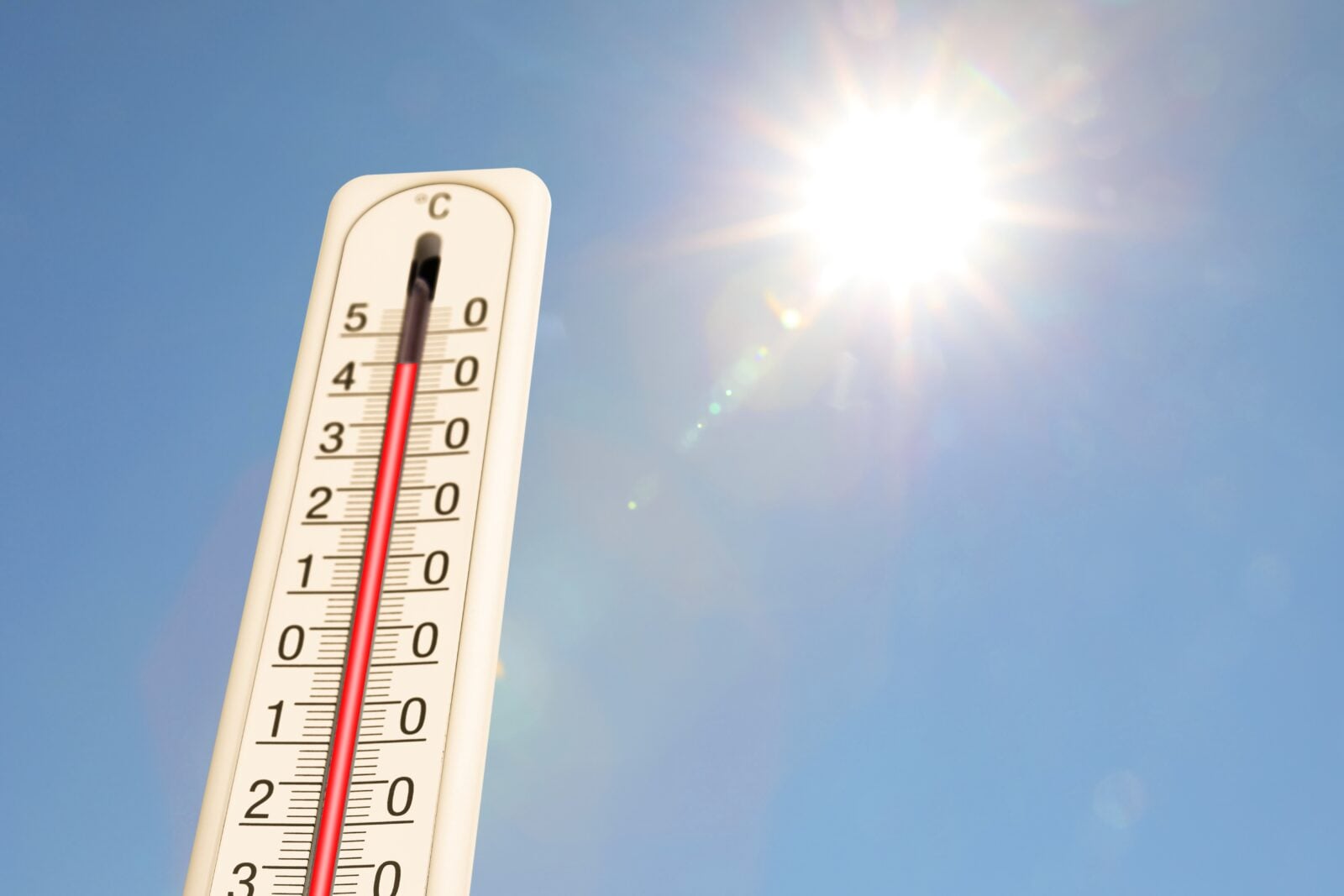
Meteorologists point to a massive, stubborn “heat dome” as the culprit behind this extreme weather. This phenomenon happens when a high-pressure system traps and compresses warm air over a region, acting like a giant pot lid.
The sinking air compresses the heat, while dry soil conditions prevent clouds from providing any shade. Without clouds, the sun bakes the dry ground and drives the ambient temperatures even higher. It’s a vicious, self-reinforcing cycle that amplifies surface temperatures day after day.
Because the continent is heating up twice as fast as the rest of the world, these systems are becoming much more intense. What used to be an anomaly is quickly becoming the standard template for European summers.
Grids are buckling, and schools are closing

The consequences of this heat dome stretch far beyond personal discomfort. In the UK, the unprecedented heatwave led to widespread travel chaos and the closure of hundreds of schools.
Several NHS hospital trusts had to declare critical incidents after being completely overwhelmed by heat-stricken patients. Power grids are buckling under the strain of fans and portable air conditioners running non-stop.
Even heavy industries, nuclear plants, and cargo trains are struggling to function as infrastructure reaches its physical limits. To keep crowds safe, municipal authorities have canceled public events and even banned takeaway alcohol. These emergency interventions highlight just how unprepared modern society is for chronic extreme heat.
A reality check for urban design

This crisis has sparked intense debates about how European cities must adapt to a warming world. Many experts argue that mechanical air conditioning is no longer a luxury, but a basic human necessity.
However, powering millions of new AC units could further strain grids and worsen emissions if they are not powered by clean energy. Some forward-thinking solutions combine solar power with central cooling to run AC systems for free. Ultimately, countries must implement aggressive heat-health action plans and redesign their cities immediately.
The final takeaway

The devastating summer heatwave of 2026 is a stark wake-up call for global infrastructure. With over 1,300 deaths and record-breaking temperatures, Europe’s historical buildings have officially become heat traps.
Surviving future summers will require rapid upgrades to urban design, widespread cooling infrastructure, and serious climate adaptation.
Disclaimer – This list is solely the author’s opinion based on research and publicly available information. It is not intended to be professional advice.
Like our content? Be sure to follow us