How people are reacting to Texas forcing students to read the Bible
Texas has officially turned its public school classrooms into the latest battleground for religious education.
A historic decision by the state’s education board is pushing biblical scriptures directly into the hands of millions of young students. It’s a massive shift that’s drawing intense national scrutiny and sparking furious debates over the constitutional separation of church and state.
The Republican-dominated Texas State Board of Education voted 9-5 to approve a mandatory K-12 reading list that integrates Bible stories. This decision, passed along strict party lines, represents a dramatic escalation in conservative efforts to bring Christian teachings into secular classrooms. This bold curriculum overhaul will directly affect more than five million public school students when it takes effect in the 2030-2031 school year.
The blueprint of the mandatory reading curriculum

This isn’t just an optional reading list; it’s a state-mandated curriculum framework. The mandate traces its origins to House Bill 1605, a 2023 law that requires the state to select at least one required literary work for each grade level.
However, state education officials vastly expanded that directive to build a robust collection of roughly 200 required texts. This extensive list ensures that biblical scripture is permanently embedded within standard English and language arts instruction.
To make room for these additions, the board cut approximately 100 books from its original draft list. Classics like Mary Shelley’s Frankenstein and Frederick Douglass’s historical speech were removed. Yet, despite these heavy cuts, the state preserved every single biblical selection.
The approved curriculum targets kids from their very first steps in the public school system. First-graders as young as six will read standardized Bible lessons. This ensures that biblical themes are woven into language arts instruction from elementary school through graduation. It’s a structured approach designed to provide continuous exposure to Judeo-Christian concepts.
High schoolers will face highly specific political pairings in their literature courses. For instance, students reading Shakespeare’s Julius Caesar must also read Margaret Thatcher’s eulogy for Ronald Reagan. This integration has raised eyebrows among educators who argue it blends classic literature with modern conservative political rhetoric.
The clash of educational and religious ideologies
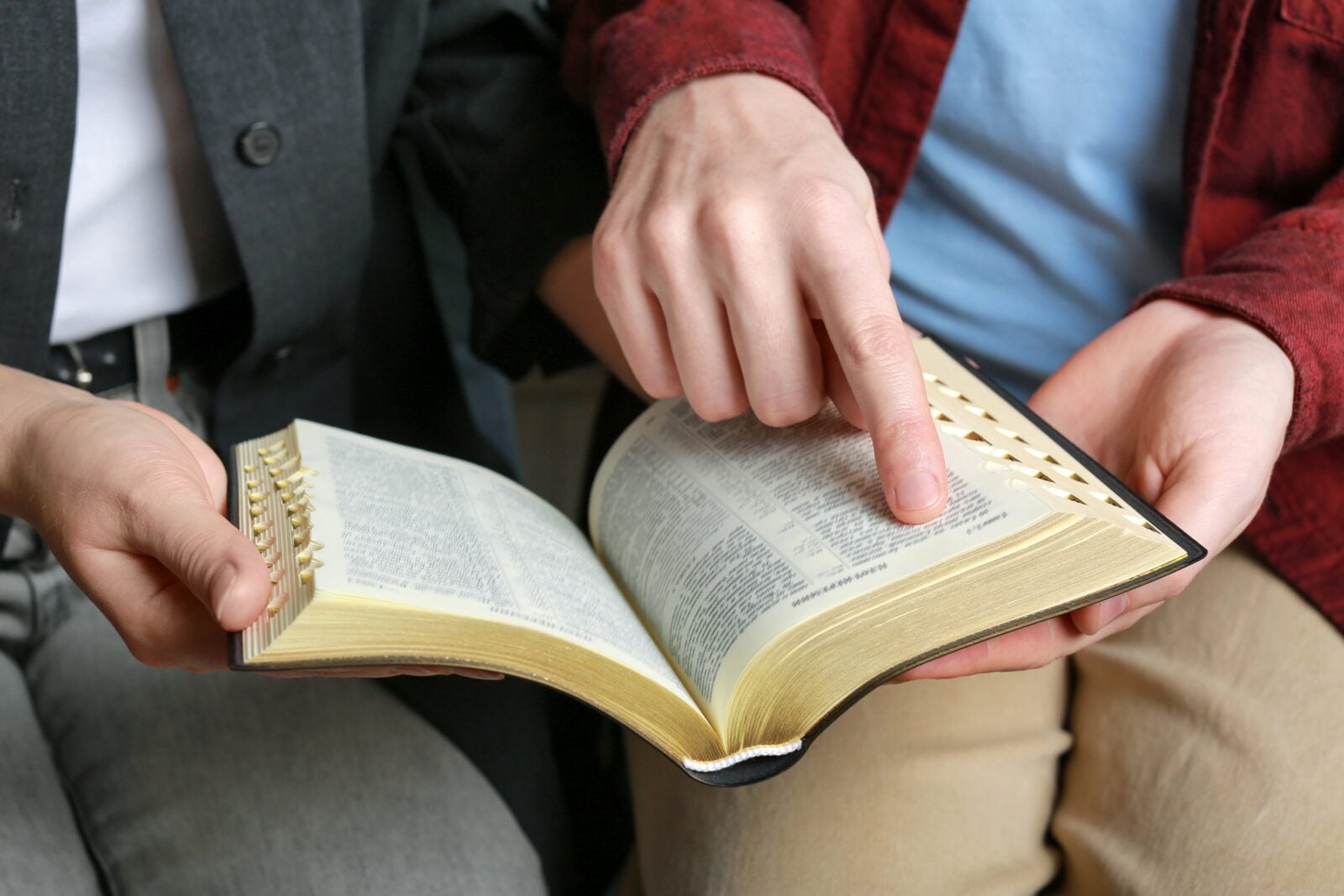
Supporters of the plan claim that biblical literacy is essential for understanding Western civilization. Representative Brandon Hall, a board member and pastor from Aledo, argued that Texas has been a Christian state forever.
Mandy Drogin of the Texas Public Policy Foundation emphasized that the lessons merely highlight the Judeo-Christian foundations of American history. From this perspective, the mandate isn’t an act of proselytization but a necessary step to restore historical context to public education.
Conversely, critics see this policy as a blatant attempt at state-mandated religious indoctrination. Elva Mendoza of the Texas Freedom Network warned that the curriculum signals to children that only one religion is worthy of classroom study. Rabbi David Segal of the Baptist Joint Committee for Religious Liberty noted that forcing specific Protestant translations onto diverse classrooms violates families’ religious freedoms.
There’s also a growing concern about the lack of cultural representation in the new list. Over half of the state’s 5.5 million public school students are Black or Hispanic.
Constitutional battles and the impact on local classrooms

The legal future of this statewide curriculum remains highly volatile. While Texas law allows parents to opt their kids out of religious readings, students may still be tested on the material.
Legal analysts predict this setup will spark immediate First Amendment challenges under the Establishment Clause. The blurring of educational instruction and religious practice in Texas is likely to serve as a national test case for church-state separation.
Furthermore, many classroom teachers are pushing back against the loss of local control. Traditionally, school districts and individual educators chose the literature taught in their classrooms. By replacing local choices with a rigid state mandate, the board has severely limited teachers’ professional autonomy.
The mandate is part of a much wider political campaign to bring Christianity into Texas schools. This campaign includes displaying the Ten Commandments in classrooms and allowing school boards to vote on designated prayer times. It represents a fundamental shift that is redefining the boundary between church and state in American public life.
A quick download for busy leaders

The sweeping curriculum changes in Texas will likely set a powerful precedent for other conservative states. As the nation’s second-largest state, Texas has historically influenced textbook production and education policies across the country.
Whether this policy stands or falls in court, it has permanently shifted the conversation around religious teachings in public education.
Disclaimer – This list is solely the author’s opinion based on research and publicly available information. It is not intended to be professional advice.
Like our content? Be sure to follow us