Could the World Cup make Americans rethink universal healthcare?
A Scottish fan in a kilt sings in a Boston pub. A Brazilian family poses on the Brooklyn Bridge. A German tourist marvels at free ice refills at a gas station. For weeks, these have been the defining images of the 2026 World Cup, clips that have racked up millions of views as foreign fans document their reactions to everyday American life.
The tournament has become a reminder that visitors remember the small human moments of a trip long after they forget the score.
But somewhere between the free refills and the friendly Uber drivers, a less charming American peculiarity is also reaching foreign visitors in real time, usually the hard way. It is the moment a tourist twists an ankle on a stadium ramp, calls for help without a second thought because that is what they would do at home, and only later discovers what the help cost.
A twisted ankle becomes a $3,000 lesson

Most World Cup visitors are not arriving uninsured. Travel agencies, government foreign ministries, and insurance marketplaces have spent over a year warning fans that the United States does not work the way their home countries do. The core message, repeated across nearly every travel advisory issued ahead of the tournament, is the same: a fan from the UK, Australia, Brazil or Japan who twists an ankle at a US stadium will be treated first and billed later, in dollars.
An emergency room visit for a broken bone in the US typically runs $800 to $3,000, and a single night in the hospital can exceed $15,000. Industry-wide, the average ER visit costs nearly $3,000, while a critical event like a heart attack can average more than $21,000.
None of that is hypothetical for this tournament specifically. With summer heat across host cities raising the risk of dehydration and heatstroke, and stadiums full of older, less active fans who travel rarely and exert themselves more than usual, insurers have been blunt that medical claims were inevitable long before the first ball was kicked.
What makes the US version of this story different from, say, a fall in Lisbon or Lyon is the absence of any safety net for outsiders. There is no reciprocal healthcare arrangement between the United States and any other country, no form to fill out, nothing to fall back on.
A Canadian tourist might assume otherwise, since their own system covers them at home, but Canada’s public system explicitly excludes foreign visitors, and its government advises tourists to buy insurance before they even land. Mexico is gentler on the wallet but still does not cover foreign visitors under its public system, pushing tourists toward private hospitals.
The US is simply the most expensive version of a pattern that exists, to some degree, almost everywhere outside Western Europe.
Why this is landing differently than past tourist horror stories
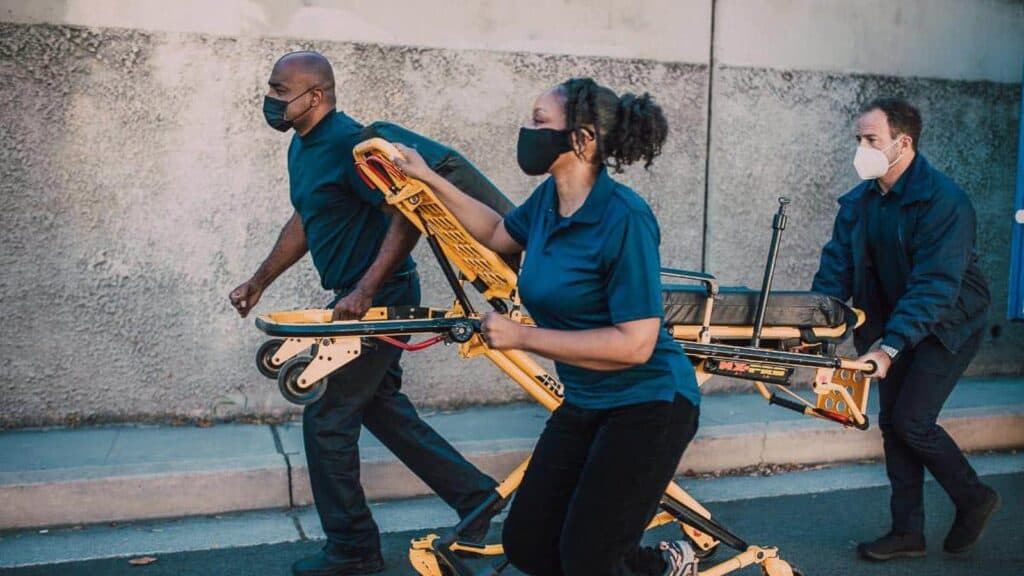
Stories about Americans facing crushing medical bills are not new. What is new is the audience experiencing it as foreigners in real time, while everything is being filmed. A World Cup with more than 1.2 million expected international visitors to the US alone means the country is hosting an unusually large, unusually online cross-section of people whose home systems simply do not work this way. When something goes wrong, the instinct many of them have is to post about it, the same instinct that turned a free ice machine into a viral clip.
Insurance companies have leaned into this directly. Fans flying in from the UK, Australia, Canada, or anywhere with free emergency care at home have probably never had to think about paying for an ambulance before.
There’s also a financial sting layered on top of the medical one. Because World Cup tickets are non-refundable, an injury does not just result in a hospital bill. It can also mean watching the rest of the tournament from a hotel room with thousands of dollars in sunk costs and no way to recover any of it without specific cancel-for-any-reason coverage that most travelers never thought to buy.
A mirror, not a new argument

None of this is likely to single-handedly change American policy. Health policy debates rarely move because of a single news cycle, let alone a single tournament. But the timing is notable because American opinion on this question has already been shifting for reasons unrelated to soccer.
Public support for the idea that the government should guarantee health coverage has been climbing for several years. A Gallup survey found that 62% of Americans believe the government should ensure everyone has health coverage, the highest share in more than a decade, up sharply from just 42% in 2013.
More recent polling has pushed even further: a November survey found 54% support for a single-payer Medicare for All system once respondents heard a balanced description that included the likelihood of tax increases, with that support notably strong among Black Americans, women under 50, and adults under 30.
Most Americans never get to see their own healthcare system through a stranger’s eyes because they rarely interact with people from countries where a sprained ankle doesn’t come with a bill. This summer, millions of them are doing exactly that, in line at concession stands and in stadium seats, hearing tourists describe paying nothing for the same emergency care that would cost an American thousands.
A single emergency room visit in the United States can run $5,000 or more without coverage, a figure that barely raises an eyebrow domestically but visibly startles visitors encountering it for the first time.
The limits of a tournament-shaped argument
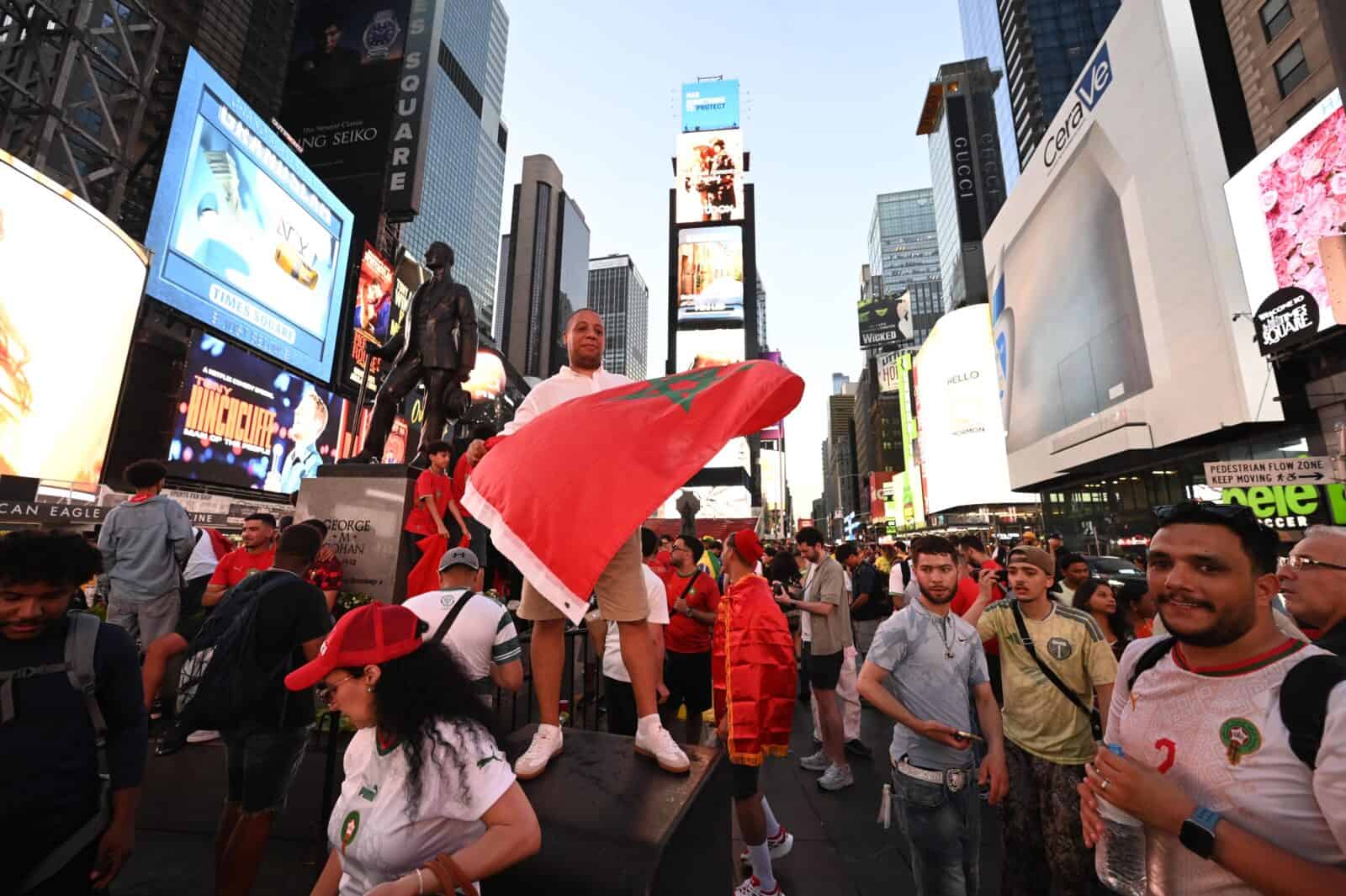
It would be a stretch to say the World Cup is reshaping American attitudes toward healthcare. The shift in public opinion predates the tournament by years and has been driven mostly by rising costs, declining satisfaction with the quality of care, and political moments unrelated to sports.
Defenders of the current system point out that American travelers face similarly steep bills when they get hurt abroad in countries that don’t extend public coverage to tourists, and that the real issue is not the US system specifically but the broader reality that no country fully covers non-residents for free.
Still, the experience lands differently when it happens at home rather than abroad, and at such a large scale. For a few weeks, millions of Americans have been watching visitors discover, often with genuine shock, what a system without guaranteed coverage actually costs when something goes wrong.
Whether that shock fades along with the World Cup highlight reels or settles into the broader, slower shift in public opinion already underway is the more interesting question than anything happening on the pitch.
Disclaimer – This list is solely the author’s opinion based on research and publicly available information. It is not intended to be professional advice.
Like our content? Be sure to follow us.