Lab grown milk expected to hit U.S shelves this year
A carton of milk made without a cow forces us to rethink one of the most familiar foods on Earth and the future of our food system.
Imagine strolling down the dairy aisle of your local supermarket and picking up a cold carton of milk that tastes perfectly creamy, foams beautifully for your morning latte, and contains the same nutritional profile as traditional dairy, all without a single animal involved.
This futuristic concept is rapidly becoming our new grocery reality. Let us explore the exciting developments surrounding animal-free dairy as lab-grown milk prepares to hit grocery store shelves across the United States.
The Science Driving The Dairy Revolution
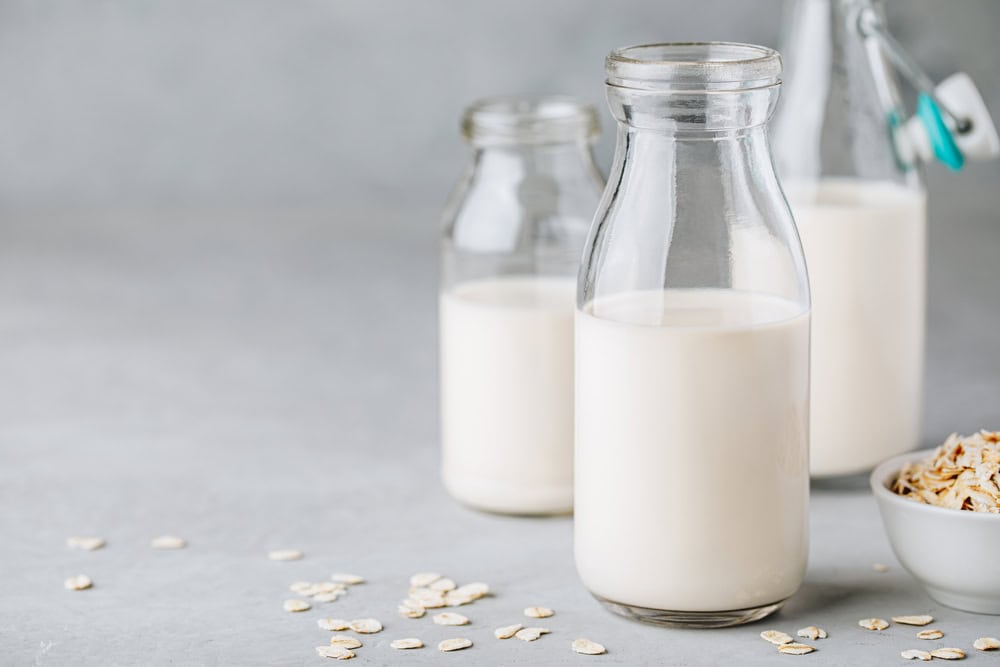
The fascinating concept of animal-free dairy might sound like pure science fiction to the average shopper, but food technology companies are currently utilizing precision fermentation to turn genetically engineered yeast into actual milk proteins.
By inserting specific bovine DNA sequences into various microbial hosts, ambitious food scientists can effectively program these microscopic powerhouses to produce whey and casein that remain biologically indistinguishable from conventional farm milk.
This incredible biotechnological breakthrough ultimately allows modern manufacturers to create a delicious beverage that foams, stretches, and tastes absolutely identical to real milk without ever involving a single living cow in the process.
Many curious consumers naturally wonder how this highly advanced process significantly differs from the familiar plant-based alternatives like almond or oat beverages that currently dominate the dairy aisle at local American supermarkets.
Unlike those popular nut and grain derivatives, this upcoming wave of cultivated dairy literally contains the same complex macronutrients as bovine secretion, which gracefully provides that authentic creamy mouthfeel everyone genuinely loves.
Recent comprehensive industry projections actually reveal that the precision fermentation dairy market is confidently expected to grow from $3.21 billion in 2025 to a staggering $4.53 billion globally by the end of 2026.
Massive Environmental And Climate Benefits
Traditional livestock agriculture constantly places a tremendous, undeniable burden on our fragile natural resources, forcing forward-thinking innovators to search desperately for much more sustainable production methods to feed our rapidly growing global population.
Startups like the Boston-based Brown Foods are currently promoting a lab-grown product called UnReal Milk that drastically cuts down on the staggering ecological footprint typically associated with massive commercial farming operations.
According to Forbes, this revolutionary process utilizes 90 percent less water and 95 percent less land while significantly slashing carbon emissions by roughly 82 percent compared to conventional herds.
These deeply impressive conservation metrics completely change the daily conversation around routine grocery habits for eco-conscious families who desperately want to reduce their personal carbon footprint without sacrificing their favorite creamy morning cereal.
When we look at the pure resource efficiency of cellular agriculture, a single 100,000-liter bioreactor can successfully produce the same total volume of whey protein as 5,000 mature dairy cows.
By removing thousands of methane-producing animals from the immediate equation, these high-tech fermentation facilities provide a highly practical solution to the severe climate challenges facing the broader agricultural sector today.
Investment Dollars Fueling The Fermentation Boom

Venture capitalists are aggressively pouring unprecedented amounts of money into this futuristic food sector because they recognize the massive financial potential of completely reinventing the traditional American dairy supply chain.
Major financial backers clearly understand that successfully scaling up this production requires massive infrastructure upgrades, so they are willingly writing enormous checks to build the necessary high-capacity biomanufacturing plants across the country.
In one striking example of this financial momentum, the EVERY Company successfully raised an impressive $55 million in Series D financing during 2025 to rapidly expand commercial production of its precision-fermented proteins.
This massive influx of institutional capital enables scrappy food technology startups to finally transition from small laboratory experiments to massive commercial operations capable of stocking the shelves of major grocery chains.
As these heavily funded companies relentlessly optimize their complex microbial strains and drastically reduce their overall manufacturing costs, the retail price of cultivated milk will inevitably drop to match traditional alternatives.
Market analysts specifically note that the precision fermentation dairy alternatives sector in the United States records a projected compound annual growth rate of 19.7%, steadily advancing through the year 2036.
Regulatory Hurdles And Food Labeling Battles
Before any eager consumer can actually pour this scientific marvel into their morning coffee, these ambitious food companies must successfully bypass an incredibly strict web of federal health and safety regulations.
The Food and Drug Administration holds absolute authority over these novel food items, and they are currently reviewing complex guidelines regarding whether a liquid produced without a cow can legally be called milk.
Some prominent industry groups are already fighting back hard, arguing passionately that federal standards strictly define authentic dairy as the natural lacteal secretion obtained directly from the milking of healthy bovine animals.
This heated terminology dispute perfectly mirrors the previous legal clashes over plant-based beverages, where traditional dairy lobbyists fiercely demanded that almond and oat drinks be labeled as generic juices or specialized beverages.
To bypass lengthy approval delays while remaining fully compliant, many cultivated dairy producers are cleverly planning to market their initial commercial offerings under the generally recognized as safe regulatory classification framework.
If these strategic legal maneuvers prove successful over the coming months, everyday shoppers will likely see these animal-free cartons boldly sitting right next to conventional gallons by the middle of 2026.
What This Means For Traditional American Farmers

The imminent arrival of these identical lab-grown proteins naturally strikes a deep chord of anxiety among hardworking rural agricultural communities who have spent generations carefully tending to their beloved family herds.
While overall domestic dairy consumption remains quite strong right now, the unexpected introduction of a highly scalable synthetic alternative could eventually threaten the core financial stability of countless independent rural operations.
USDA recently bumped its 2026 traditional milk production forecast up to a massive 236.4 billion pounds, indicating that conventional dairy farmers are still expanding their herds despite this looming technological competition.
However, some optimistic agricultural experts genuinely believe that conventional farms and futuristic fermentation facilities can peacefully coexist by targeting completely different consumer demographics across the vast and highly diverse American retail market.
Premium organic farm milk will likely retain its loyal base of traditional buyers, while the bio-engineered alternatives might simply replace the mass-produced generic ingredients commonly used in commercial baking and processed cheeses.
No matter how this fascinating grocery store rivalry ultimately plays out, the entire global food system is currently standing on the very edge of a totally unprecedented and incredibly exciting technological transformation.
Like our content? Be sure to follow us