13 mistakes that turned America’s suburbs into a financial headache
For decades, the picture of the perfect American life featured a manicured green lawn, a quiet cul-de-sac, and a shiny station wagon parked in a spacious driveway. We bought into the dream of escape, believing that leaving the bustling city center behind would guarantee peace of mind and long-term economic stability.
But as the decades rolled on, that idyllic promise began to show some major structural cracks. Today, millions of suburban homeowners are finding that their peaceful sanctuaries come with a heavy dose of stress and an ever-increasing stack of bills.
Charles Marohn, founder and president of Strong Towns, now warns that the typical suburban “growth model” creates short-term illusions of wealth in exchange for long-term liabilities that are extremely hard to sustain. Here are the planning mistakes that turned the suburbs into a financial headache.
Subsidizing Utility Extensions

Suburbs frequently foot the bill to run water and sewer lines to distant new housing developments. This subsidy encourages developers to build further out, leaving the city with a larger grid to maintain. The new tax revenues rarely cover the long-term cost of keeping these distant lines in good repair.
When the city pays for these pipe installations, it is essentially taking on a permanent financial obligation that grows with every new subdivision.
Decades later, when the pipes begin to leak or fail, the municipality has to pay for repairs using money from older neighborhoods. This unfair setup transfers wealth from stable areas to failing sprawls, adding hidden stress to local financial planning.
Low Density Zoning
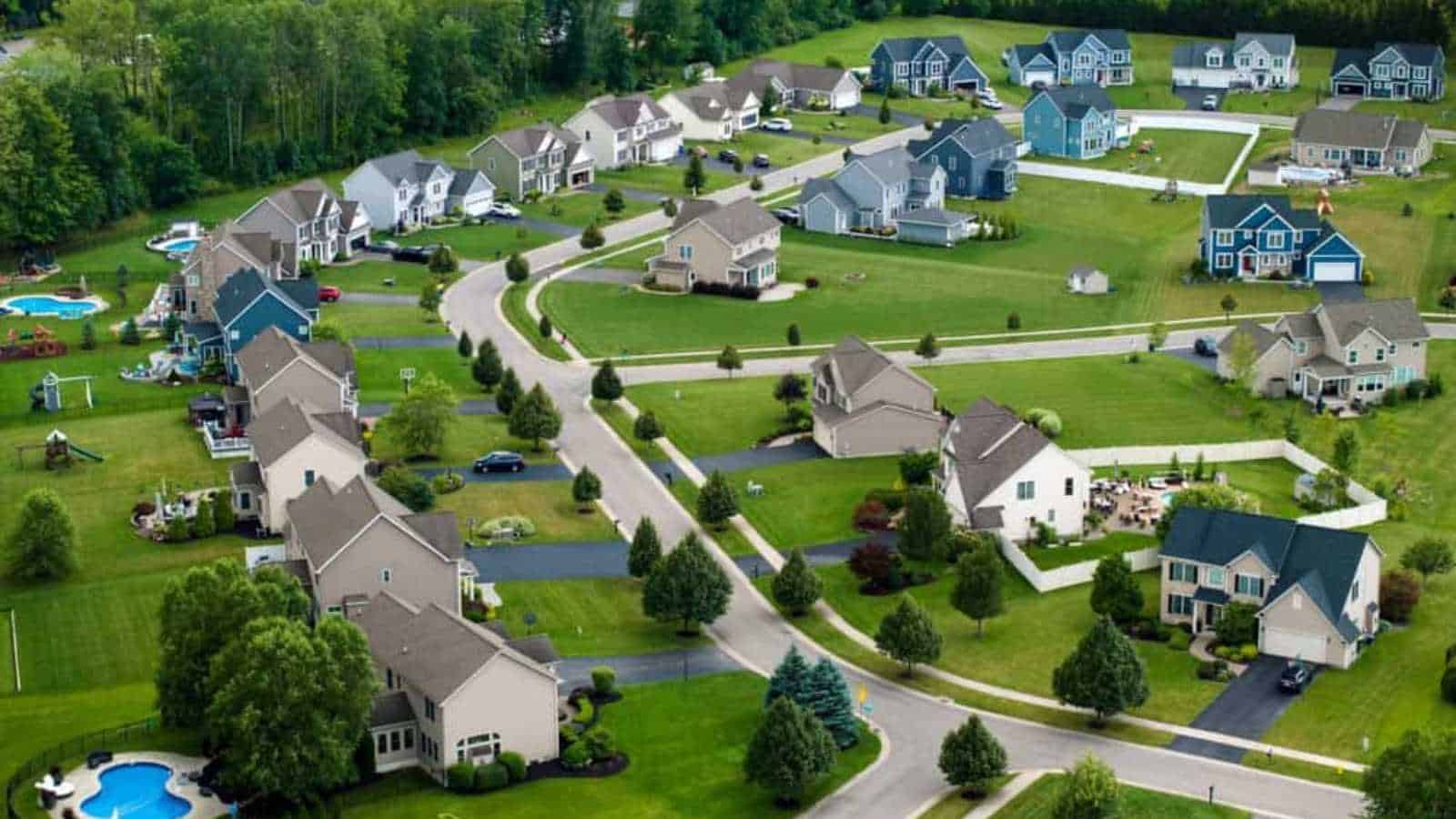
Spreading homes far apart seems like the ultimate dream of suburban peace, but it actually cripples local budgets. When single-family homes dominate the land, there are simply too few taxpayers to cover the high cost of neighborhood upkeep. This leaves municipalities with massive utility bills they cannot pay.
Research on low-density development shows that sprawling neighborhoods require far more road, water, and sewer infrastructure per resident, thereby driving up maintenance costs and creating long-term structural deficits for cities.
Ultimately, low-density zoning leaves local governments in a financial hole, forcing them to raise property taxes to keep up. It is a slow-motion disaster that quietly drains local public reserves and strains every household budget.
Overbuilding Wide Roads
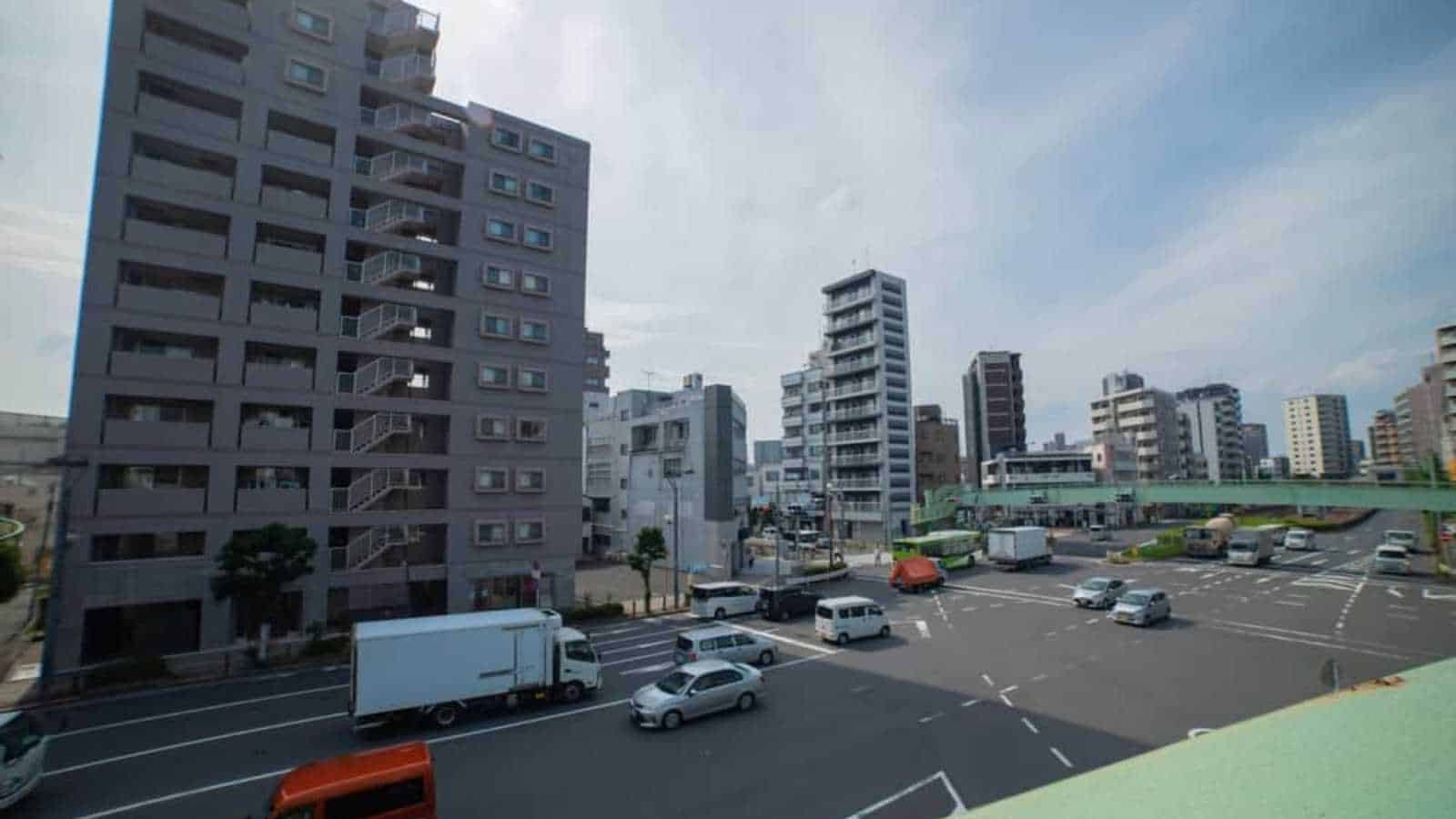
Many suburbs built oversized roads to handle peak traffic hours, but these multi-lane streets are incredibly expensive to repave and maintain. In the rush to move cars quickly, planners created networks of asphalt that far exceeded what daily traffic truly required. Those extra lanes now sit as long-term liabilities.
In 2021, state and local governments spent about $206 billion on highways and roads, a major share of which went to building and maintaining extensive road systems rather than more efficient transportation options.
These wide roads encourage speeding, increase the number of accidents, and drain local budgets. The long-term repaving costs of these massive asphalt footprints quickly outpace the tax revenues generated by the properties alongside them, leaving municipalities paying for asphalt they do not truly need.
Single-Use Commercial Zones
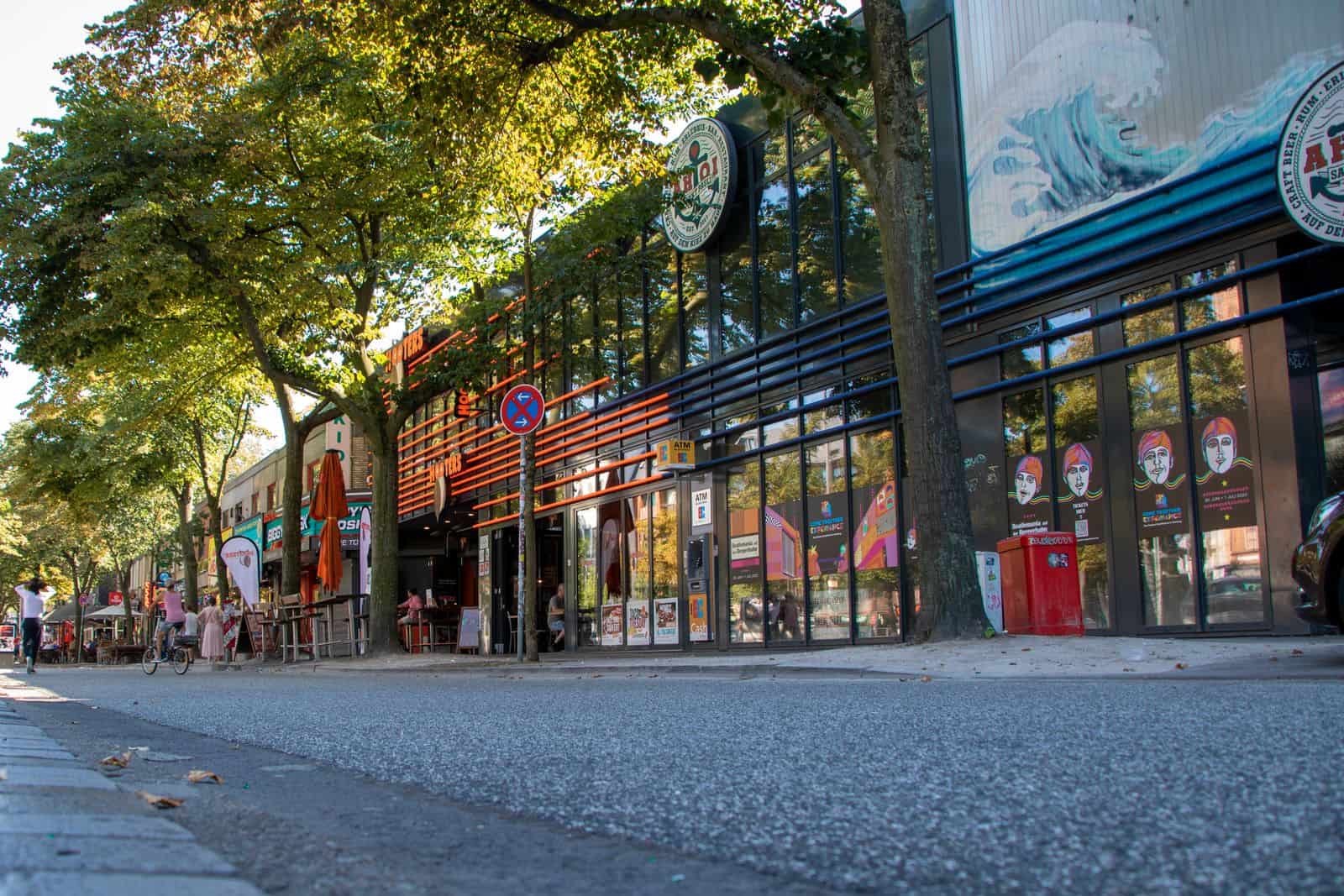
Separating commercial zones from housing forces residents to drive for every minor errand, creating massive traffic congestion. It means people cannot walk to buy basic goods, keeping them isolated in their homes. This rigid planning style separates residential areas from the nearest local grocery store by miles.
This separation forces cities to build more roads just to connect residential areas to strip malls. Strip malls also tend to lose value quickly, leaving the city with declining tax revenue and expensive infrastructure to maintain. It is an inefficient layout that creates a major economic drag on suburban towns and quietly undermines residents’ long-term wellbeing.
Deferring Infrastructure Maintenance

Suburbs often prioritize building flashy new projects over maintaining the pipes and roads they already have. This practice of putting off routine repairs only means that the eventual fixes will be far more expensive. Cracks and leaks can lead to full failures when ignored.
Studies of infrastructure spending show that when maintenance is deferred, the eventual cost of replacement can be several times higher than early preventive work, creating large hidden liabilities in local budgets.
When towns delay road resurfacing or water pipe repairs, minor issues quickly become million-dollar projects. This short-sighted strategy creates a debt backlog that threatens suburban stability.
Massive Parking Minimums
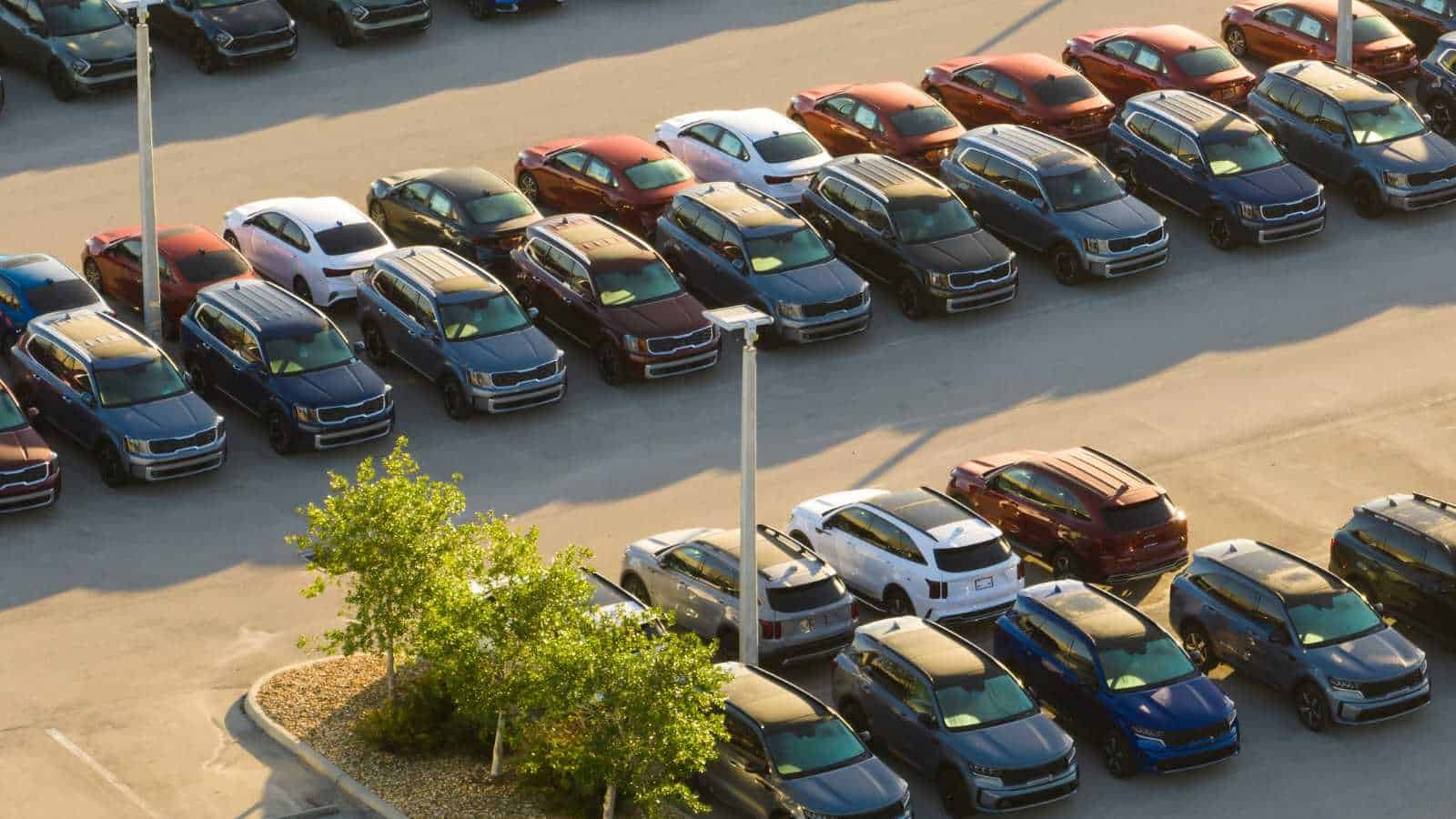
Mandating that every business build a massive parking lot ruins walkability and leaves valuable land sitting empty. These giant blacktops generate almost no tax revenue while exacerbating stormwater runoff issues. It is a poor land use decision that prioritizes empty cars over productive economic development.
These massive parking lots force buildings further apart, making the entire town much harder to navigate without a car. Paved surfaces absorb heat, increasing the risk of flooding and forcing the city to build expensive drainage systems.
It is a wasteful practice that drains both municipal funds and local charm, while offering little real help to families focused on saving money and quality of life.
Rejecting Public Transit
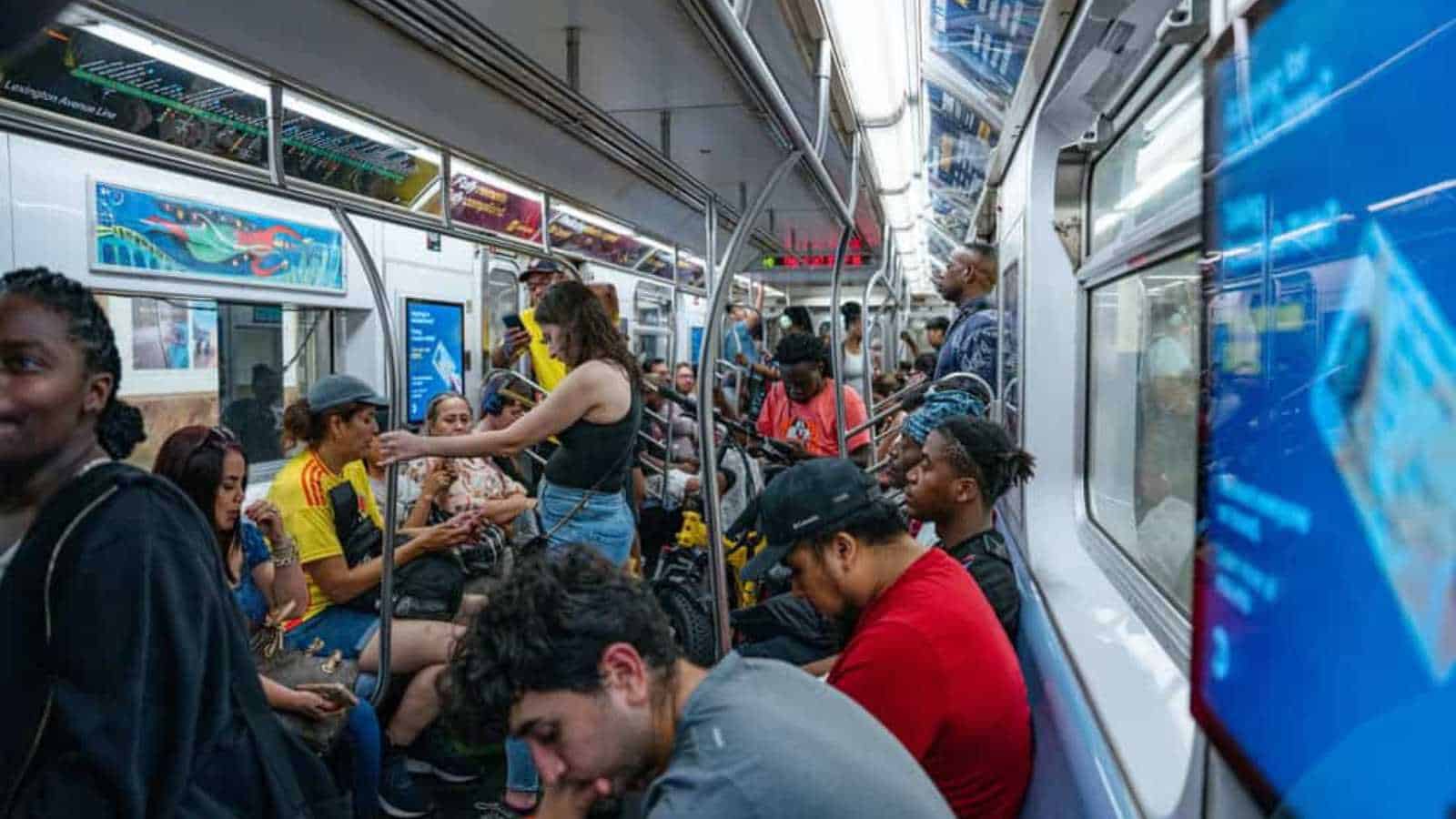
By choosing not to build public transit, suburbs have locked their residents into expensive car dependency. Car ownership costs have surged to roughly $12,000 per year for an average vehicle when fuel, insurance, and maintenance are included, a heavy burden for working families. This lack of transit options forces households to spend extra money on multiple vehicles just to get around.
Furthermore, an estimated 25.5 million Americans have limited or no access to public transportation, leaving them isolated if they cannot drive due to age, disability, or economic hardship.
Rejecting transit options means suburbs must keep building wider roads and larger parking lots, which only increases maintenance costs. It is a self-inflicted financial wound that limits local mobility and narrows career opportunities.
Relying on Car-Dependent Commerce

Designing commercial areas solely for drivers means businesses rely on wide roads to attract customers. This setup creates vast asphalt deserts that are hostile to anyone trying to walk across them. It also makes shopping trips highly stressful, as shoppers must navigate dangerous intersections and congested lanes.
These drive-thru districts generate lower tax revenue per acre than compact, walkable downtown areas. The heavy vehicle traffic quickly wears down the surrounding streets, requiring constant public funds for repaving. Suburbs are left supporting businesses that do not pay enough taxes to cover their road wear, weakening the local economic base over time.
Underpricing Sewer Hookups
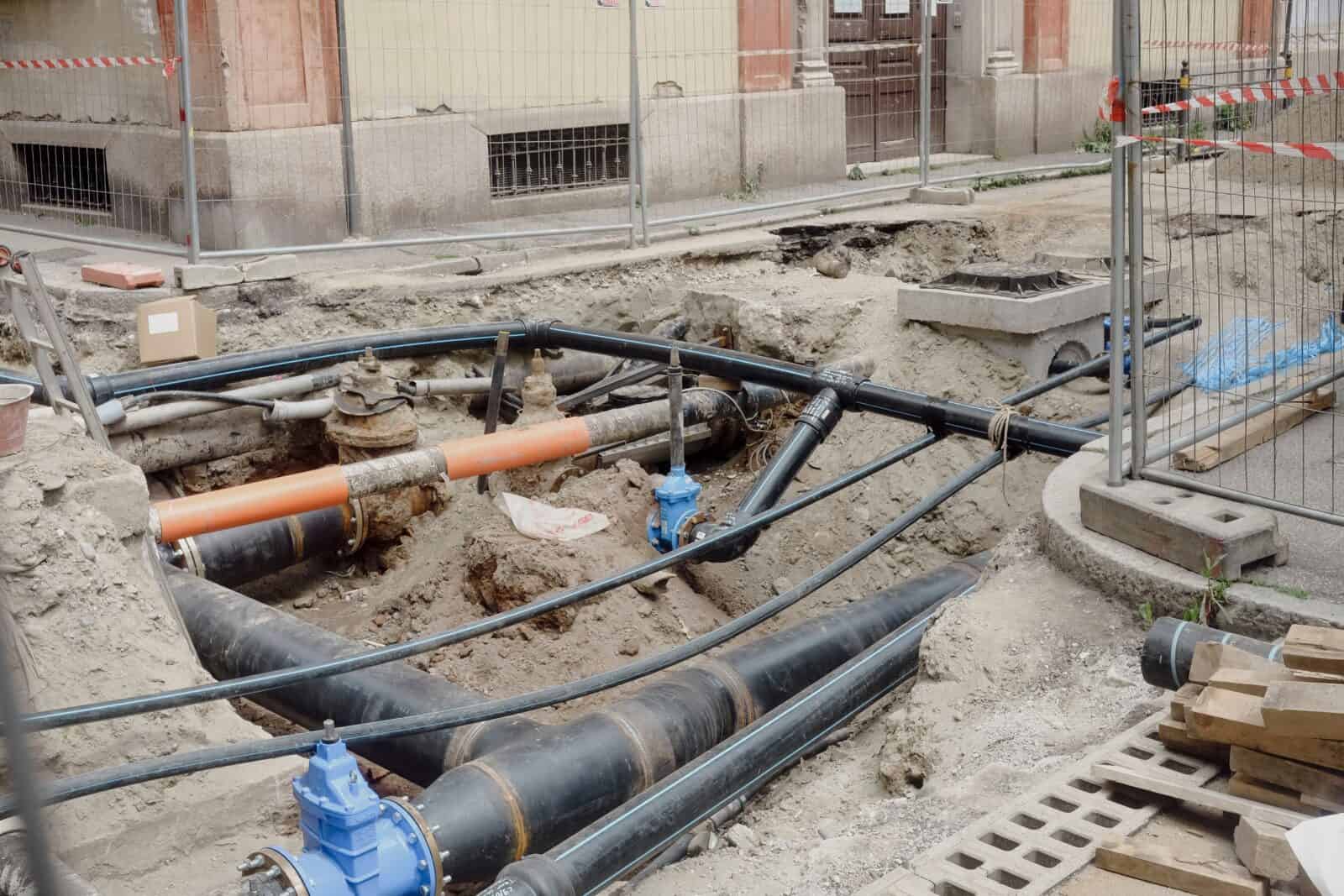
Many suburbs charge very low fees for connecting new developments to the municipal sewage network. This pricing mistake means developers do not pay the true cost of expanding the city’s system. The initial hookup fees are spent quickly, leaving the city with a permanent and expensive maintenance challenge.
Without proper pricing, cities end up subsidizing the expansion of sewer lines to distant subdivisions. When those lines inevitably break or clog years later, the general fund must cover the expensive repairs.
It is a hidden subsidy that quietly undermines the financial health of the entire municipality and adds yet another strain on community budget decisions.
Funding Growth With Debt

To build new infrastructure, many suburbs issue municipal bonds, hoping that future growth will cover the interest payments. The municipal bond market underpinning these investments exceeds several trillion dollars, showing how heavily local governments rely on borrowing to fund roads and utilities.
These fixed interest payments quickly place a massive strain on the annual municipal budget and limit service delivery.
When debt is used to fund sprawling expansion, the town is betting its future on a continuous wave of new buyers. If the real estate market cools, the city is still stuck with the bond payments but has no new tax revenue. This risky cycle has pushed several American suburbs toward fiscal crisis and leaves residents exposed to sudden service cuts.
Fragmented Municipal Jurisdictions
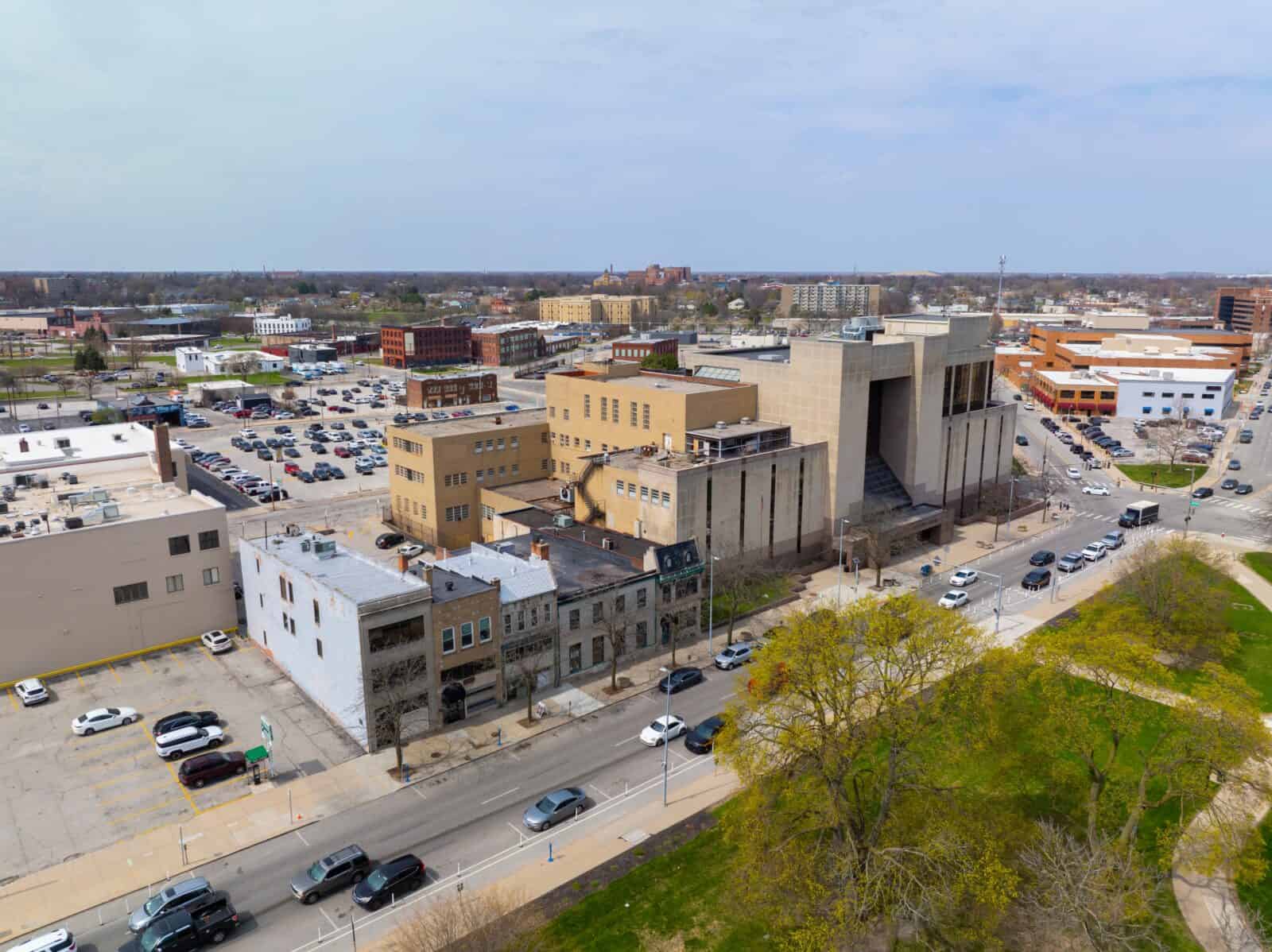
The suburban territory is often divided into dozens of tiny, independent towns and special water districts. This fragmentation leads to a massive duplication of public services, with multiple police and fire units. It prevents adjacent towns from sharing costs and coordinating planning efforts effectively.
These tiny administrative boundaries mean that adjacent towns compete for retail businesses rather than cooperate. This competition results in tax giveaways to developers, further reducing the public funds available for infrastructure. It is a highly inefficient system that increases taxpayer costs and weakens regional stability.
Neglecting Walkable Spaces

Failing to build sidewalks and paths keeps suburban neighborhoods isolated and heavily dependent on cars. It prevents children from walking to school and stops neighbors from interacting, which hurts local relationships over time. This lack of walkability makes neighborhoods less attractive to younger homebuyers.
Public health and transportation research shows that walkable, “smart growth” neighborhoods with good sidewalks and transit access encourage more pedestrian trips and reduce reliance on cars, thereby improving health and lowering transportation costs.
Without walkable options, residents are forced to spend more on gas and car maintenance.
Ignoring Lifespan Maintenance Liability
Suburbs often treat the construction of new roads and utilities as a one-time expense rather than a lifelong cost. This mindset focuses on ribbon-cutting ceremonies and short-term growth metrics rather than long-term obligations. The result is a huge pile of infrastructure quietly aging beneath the surface.
Strong Towns writers argue that many cities have created a “growth Ponzi scheme,” in which new development temporarily masks the costs of old infrastructure until the bills for replacement arrive all at once and overwhelm local budgets.
When these roads and pipes reach the end of their lifespan, the bill arrives suddenly, exposing just how fragile many suburban retirement dreams really are.
Key Takeaway

The sprawling suburban model, once seen as a symbol of American success, has become a heavy financial burden for local governments. By building spread-out neighborhoods, wide roads, and car-dependent shopping centers, municipalities have taken on massive infrastructure liabilities they cannot afford to maintain.
To avoid financial collapse, suburban towns must shift toward smarter growth, prioritizing denser development, better transit, and walkable streets so communities can stay solvent and support a more resilient future.
Disclaimer – This list is solely the author’s opinion based on research and publicly available information. It is not intended to be professional advice.
Like our content? Be sure to follow us