12 U.S. places known for harsh weather conditions
Weather can shape almost every part of daily life, especially in places where extreme conditions are common rather than unusual. Some communities deal with months of bitter cold, while others regularly prepare for hurricanes, tornadoes, floods, wildfires, or dangerous heat. According to NOAA’s National Centers for Environmental Information, the U.S. recorded 403 weather and climate disasters since 1980 that each caused at least $1 billion in damage, with total costs exceeding $2.9 trillion.
These 12 places stand out because the weather can affect travel, homes, businesses, and personal safety. Each one faces a different mix of hazards, but all of them show how quickly nature can disrupt an ordinary day.
Alaska
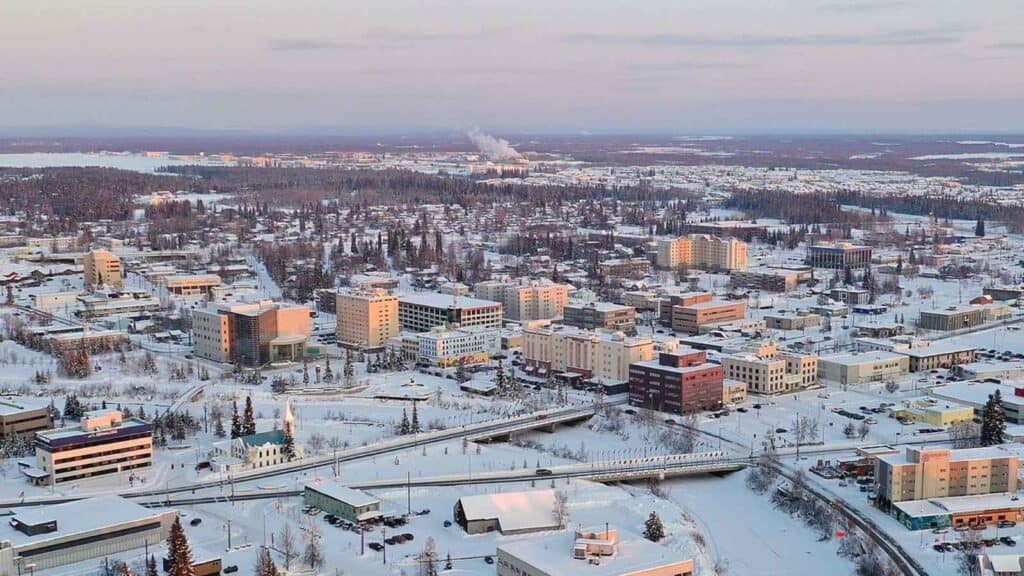
Living through an Alaska winter takes serious preparation. Extreme cold, heavy snow, blizzards, and long periods of limited daylight can make driving difficult and even simple outdoor activities dangerous. In remote communities, a major storm can also delay supplies and cut people off for days.
The state holds the official U.S. record for the lowest temperature ever measured. Prospect Creek dropped to minus 80 degrees Fahrenheit in 1971. NOAA climate records also show that Alaska regularly experiences major temperature and wind extremes, so the record was far more than a strange one-time event.
Oklahoma
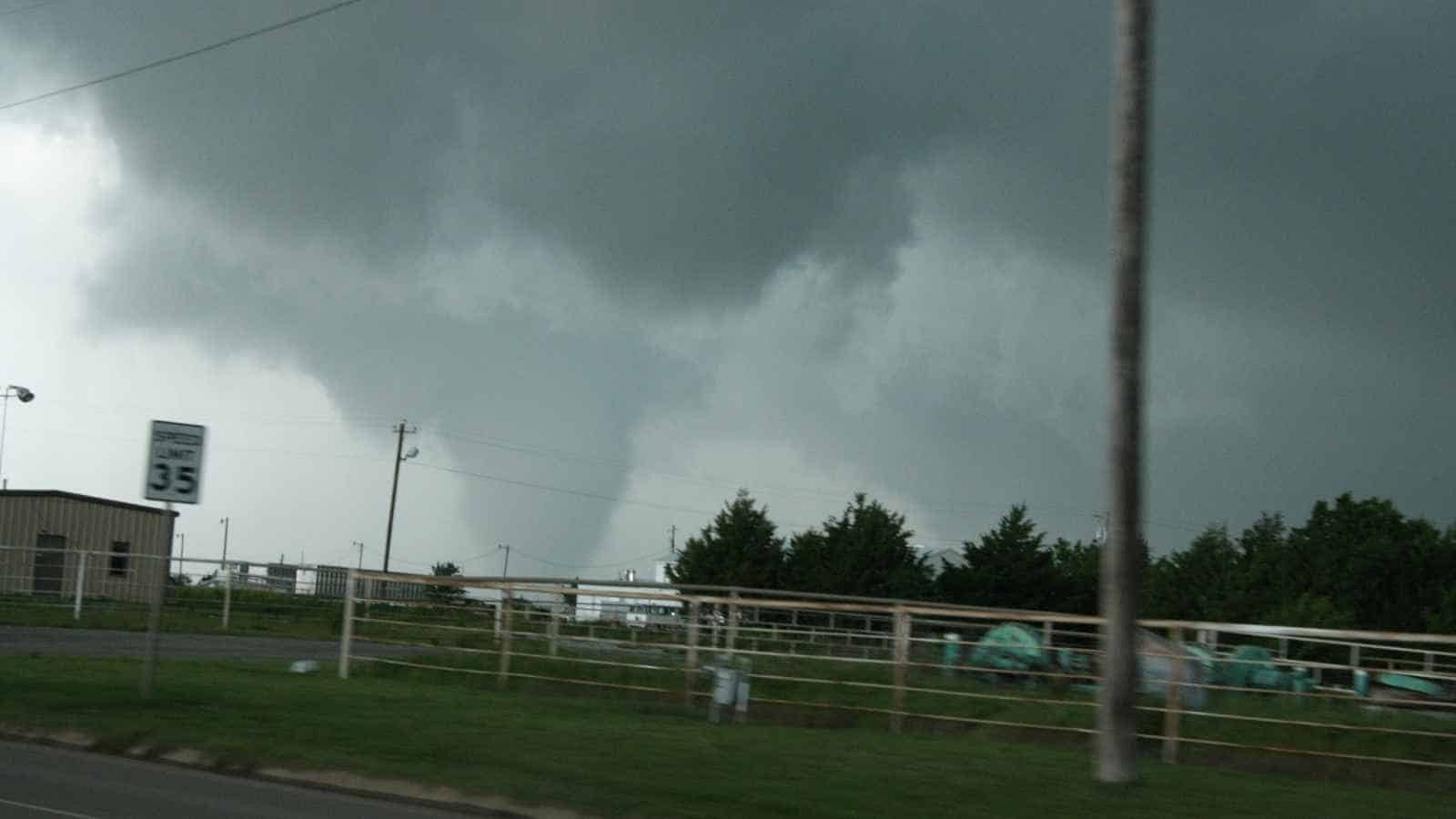
Severe weather is so common in Oklahoma that many residents grow up knowing exactly where to shelter when tornado sirens sound. The state sits in a region often associated with Tornado Alley, where warm, humid air can collide with colder, drier air and create powerful thunderstorms.
Oklahoma has been affected by several major severe-weather outbreaks, including damaging events in 2023 and 2024. Tornadoes are the most dramatic threat, but destructive wind, large hail, lightning, and flash flooding can also cause widespread problems.
Florida
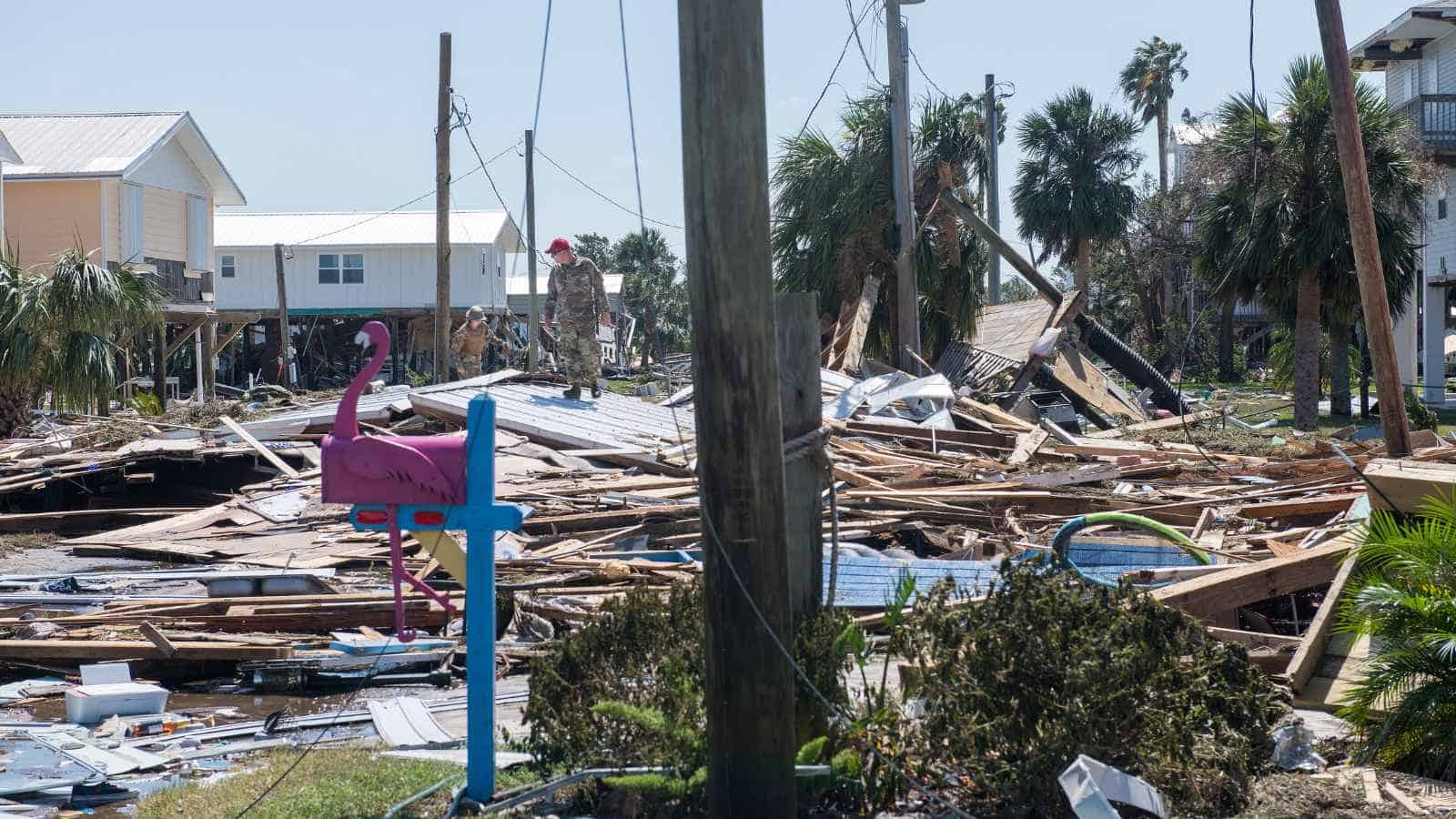
Florida may be called the Sunshine State, but its weather can turn threatening very quickly. Hurricanes, tropical storms, flooding, extreme heat, and frequent thunderstorms are all part of life there, especially during the Atlantic hurricane season.
Lightning is another serious concern. The National Weather Service has identified Florida as the state with the highest number of lightning casualties. NOAA’s billion-dollar disaster records also include Hurricane Idalia in 2023 and Hurricane Helene in 2024, showing how one storm can leave damage across entire communities.
Louisiana
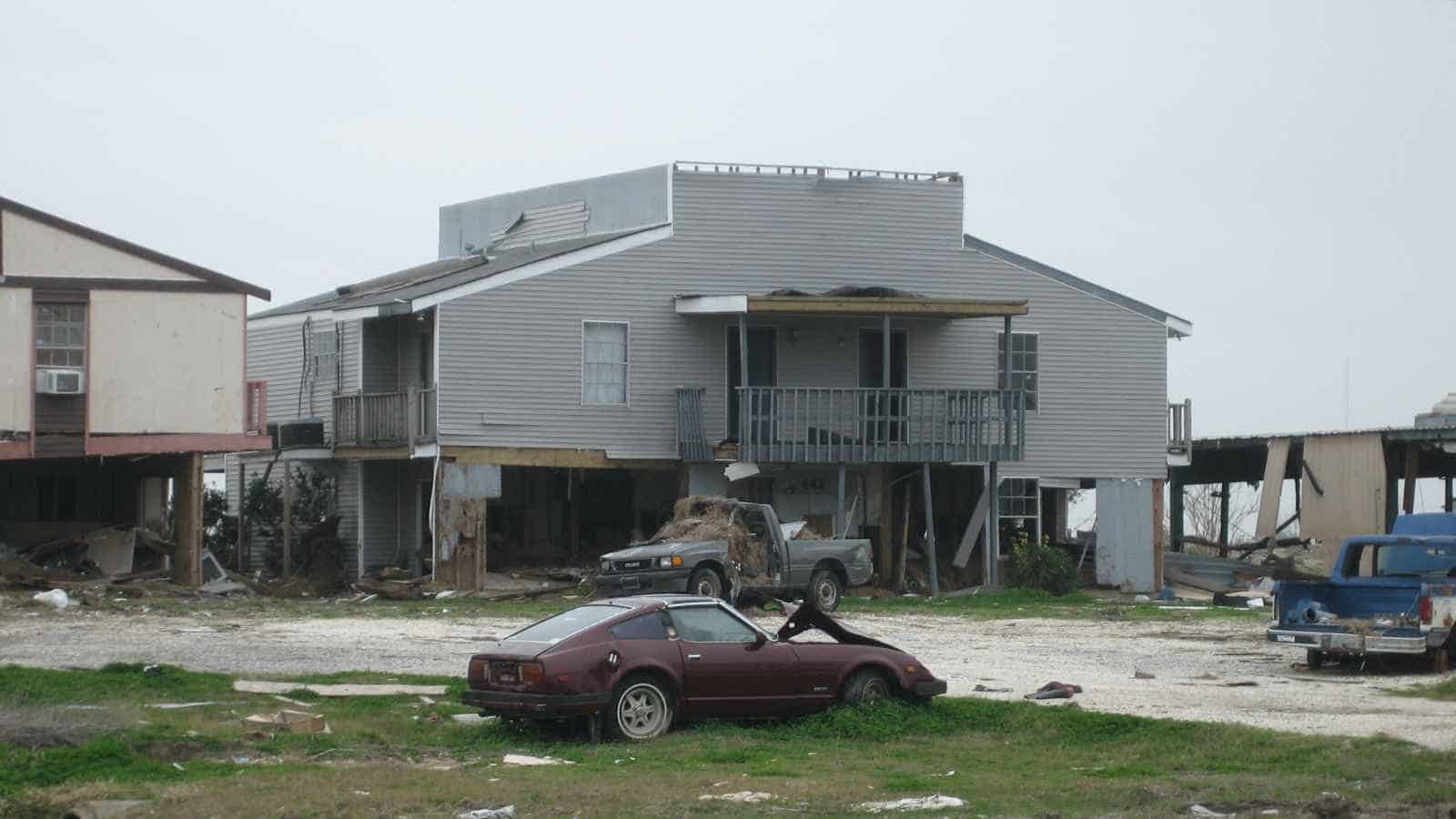
Louisiana’s low-lying land and long Gulf Coast make it highly vulnerable to hurricanes, storm surge, and flooding. Heavy rain can overwhelm drainage systems, while water pushed inland by a hurricane can threaten homes well beyond the immediate coastline.
Records show repeated hurricane and flood impacts across the state, including Hurricane Francine in 2024. Residents know that a storm does not need to be the strongest on record to cause serious damage. Slow-moving systems can be just as dangerous when they dump large amounts of rain over the same area.
Texas
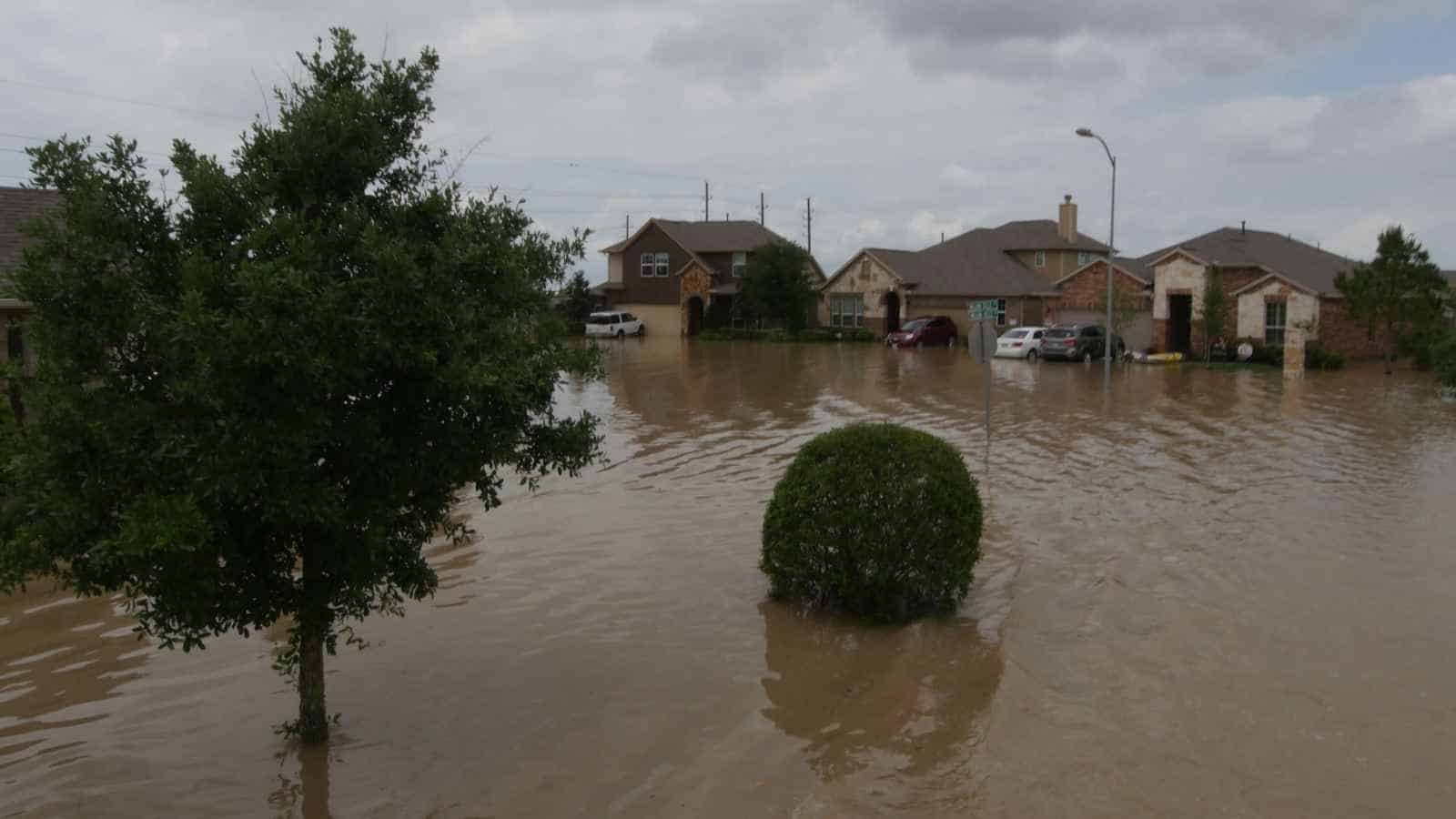
Texas is large enough to experience several types of extreme weather at the same time. One part of the state may be dealing with drought and triple-digit heat while another faces tornado warnings, flash floods, hail, or a hurricane moving inland.
NOAA’s 2024 disaster summary listed Texas among the states hit hardest by drought and heat. Hurricane Beryl also caused billions of dollars in damage and produced more than 50 tornadoes across Texas and nearby areas. That combination of heat, wind, flooding, and violent storms makes the state especially difficult to predict.
Kansas
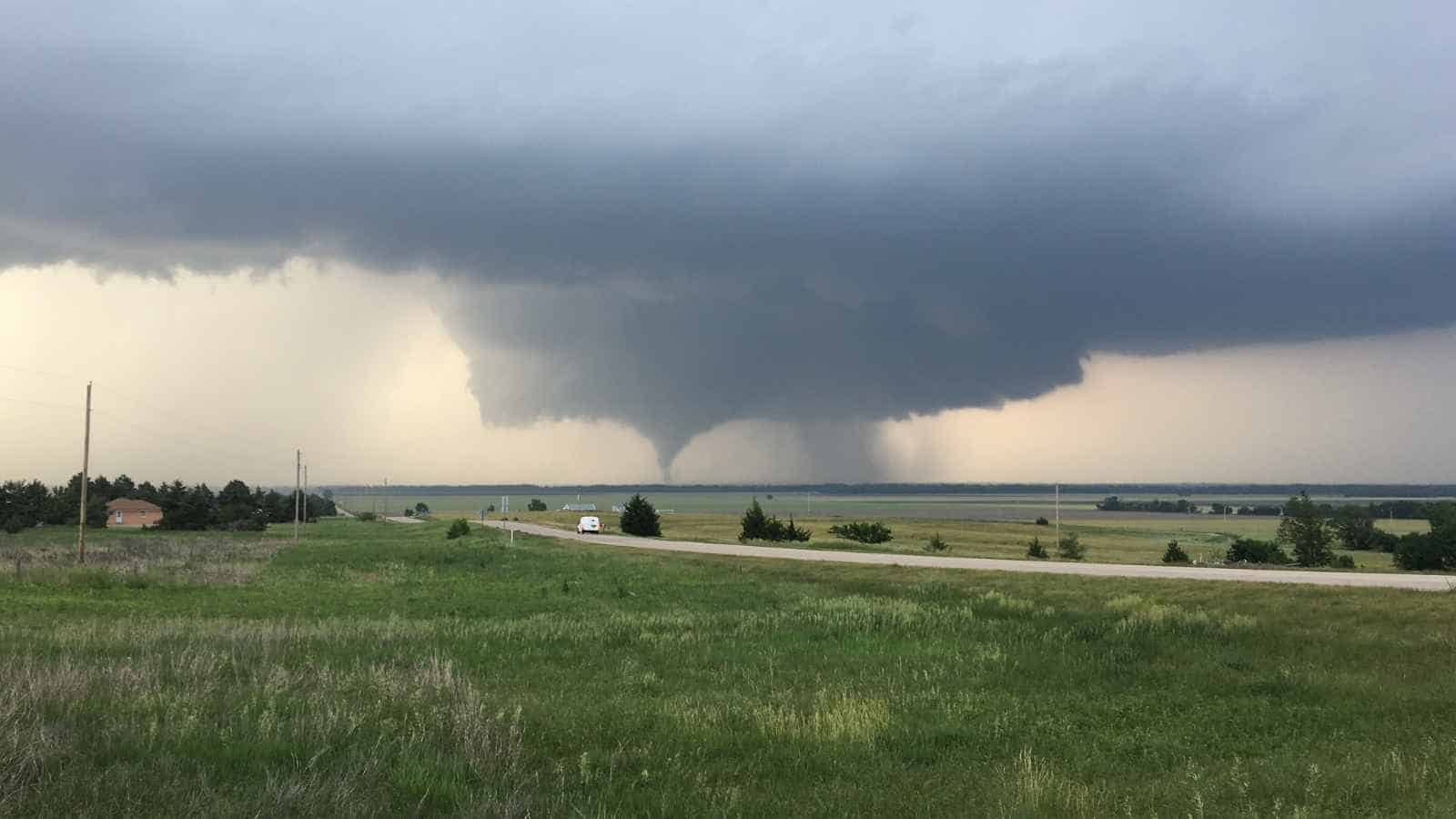
Kansas has long been associated with tornadoes, and the reputation is understandable. Severe thunderstorms can form quickly across the open landscape, bringing rotating winds, intense lightning, large hail, and sudden downpours.
Federal data show that Kansas has been hit by several billion‑dollar severe‑weather disasters, including major outbreaks in 2023 and 2024. The damage often reaches far beyond homes and buildings because hail, flooding, and strong winds can also destroy crops, equipment, and livestock operations.
North Dakota
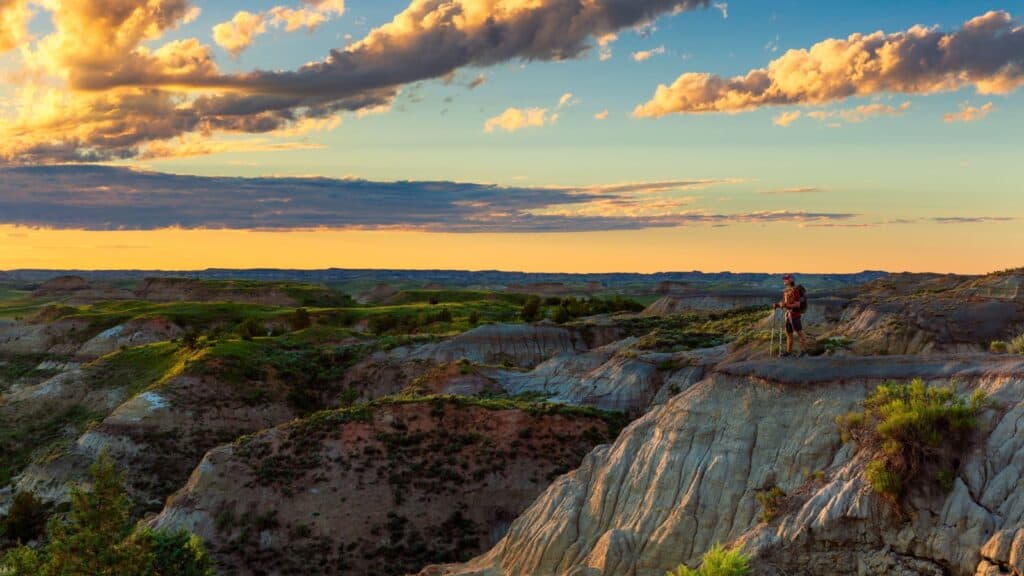
A North Dakota winter can become dangerous before the snow even starts falling heavily. Bitter temperatures, powerful winds, blowing snow, and dangerous wind chills can make exposed skin vulnerable within minutes.
Blizzards are especially disruptive because they can reduce visibility to near-zero and make roads impassable. Because of severe temperature swings and powerful windstorms across the northern Plains, residents often carry emergency supplies and check forecasts carefully before traveling.
Michigan
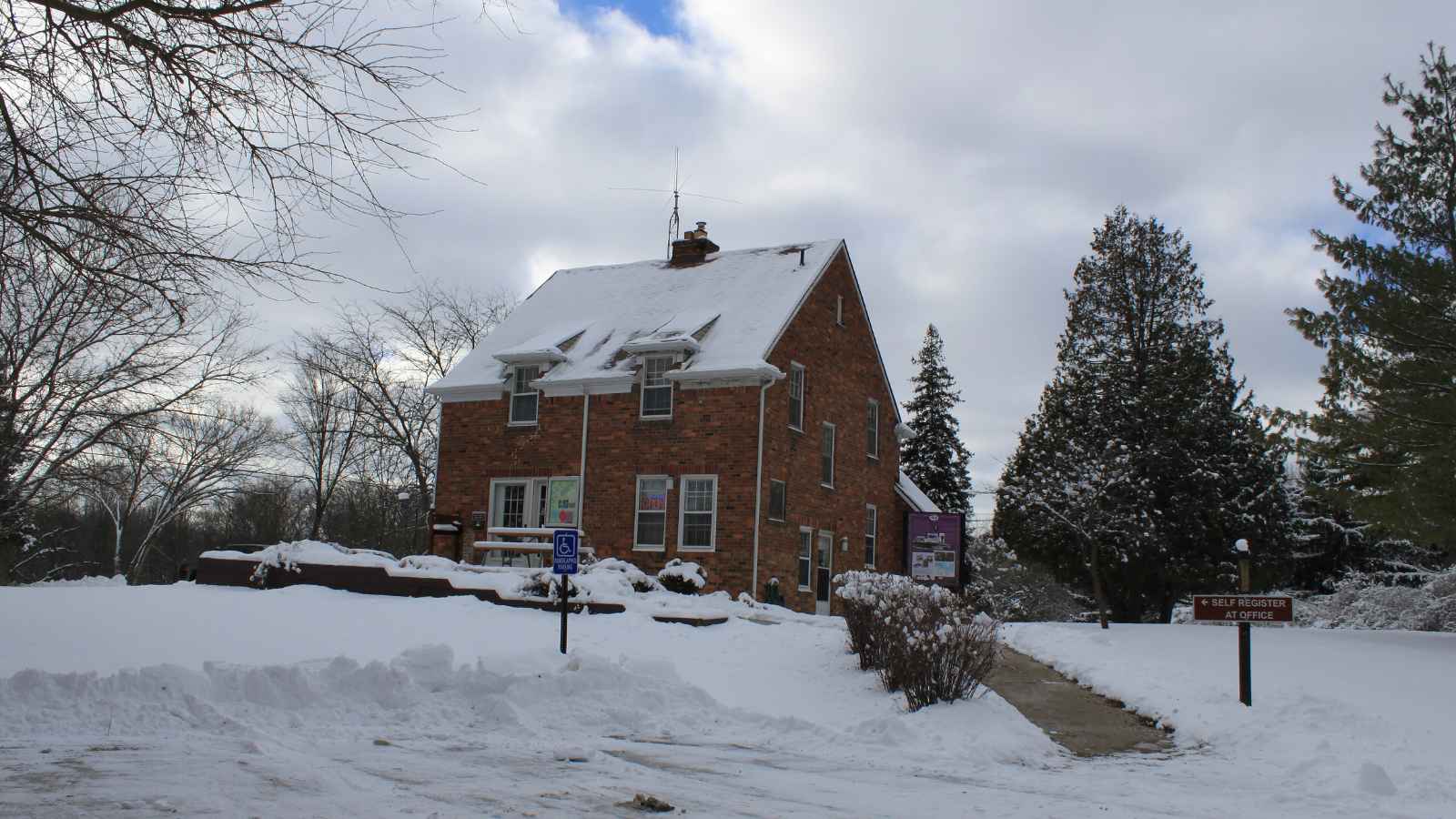
Michigan’s position beside the Great Lakes gives it some of the country’s most intense lake-effect snow. Cold air passing over relatively warmer lake water can collect moisture and release it as heavy snow once it reaches land.
The result can be a sharp contrast between nearby communities. One town may receive only a few inches, while another gets buried under snow within hours. NOAA records also document damaging winter storms and strong winds across the Great Lakes region, both of which can close roads and knock out electricity.
California

California’s reputation for warm beaches and pleasant sunshine tells only part of the story. The state also faces extreme heat, prolonged drought, wildfires, atmospheric river storms, flooding, and mudslides.
Records show repeated wildfire and flood emergencies across California. Long dry periods can leave vegetation ready to burn, while heavy rain can later wash across fire-damaged hillsides and trigger debris flows. The danger often comes from switching rapidly between opposite extremes.
Hawaii
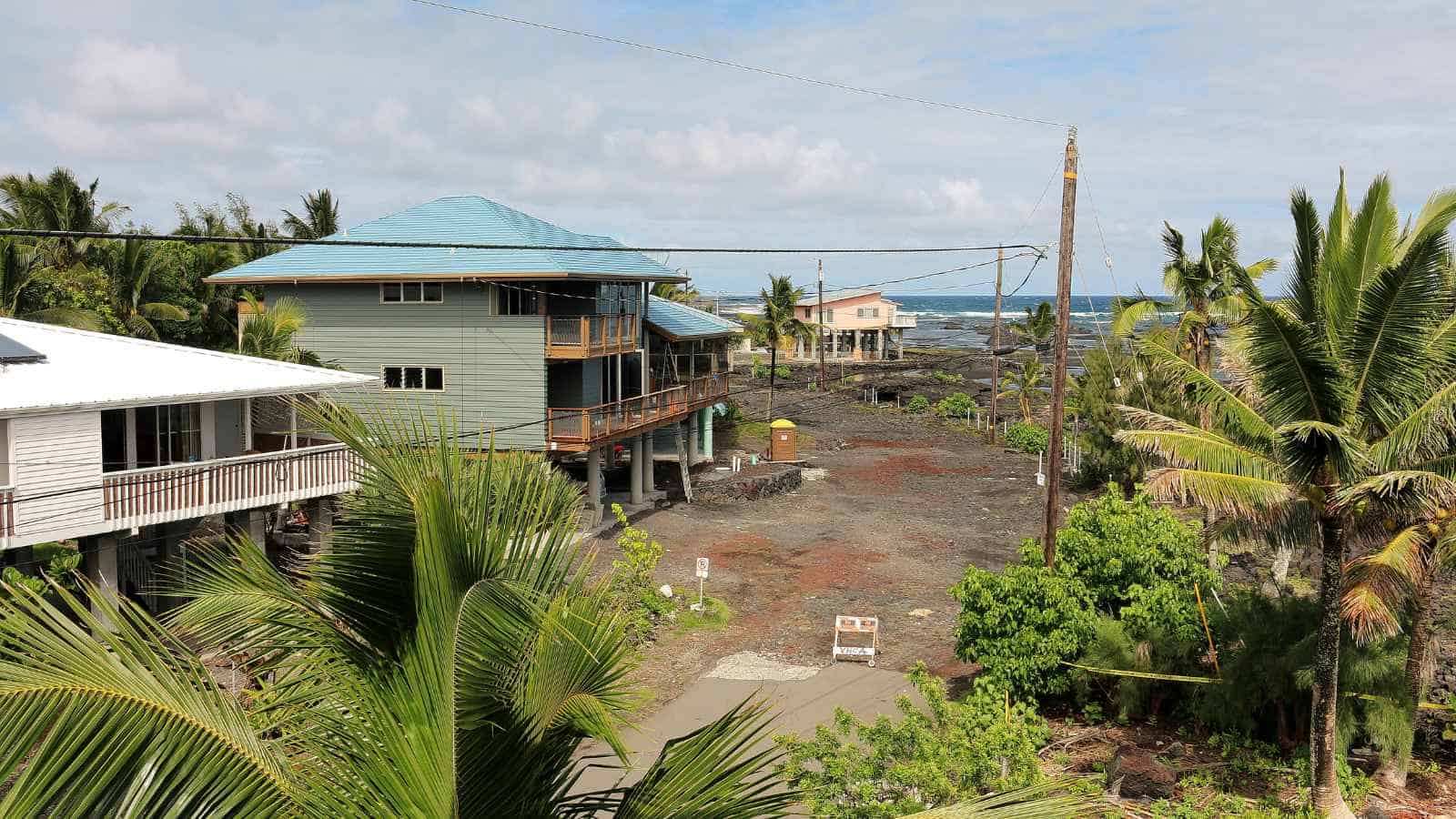
Hawaii’s tropical setting brings warm weather, but it also creates several serious hazards. Hurricanes, flash floods, powerful surf, landslides, wildfires, and volcanic activity can all affect residents and visitors.
Heavy rain is especially dangerous in steep areas where water can rush downhill with little warning. NOAA disaster data has also documented major storm and wildfire impacts across the islands. Coastal exposure and limited evacuation routes can make emergencies harder to manage once conditions begin to deteriorate.
Massachusetts
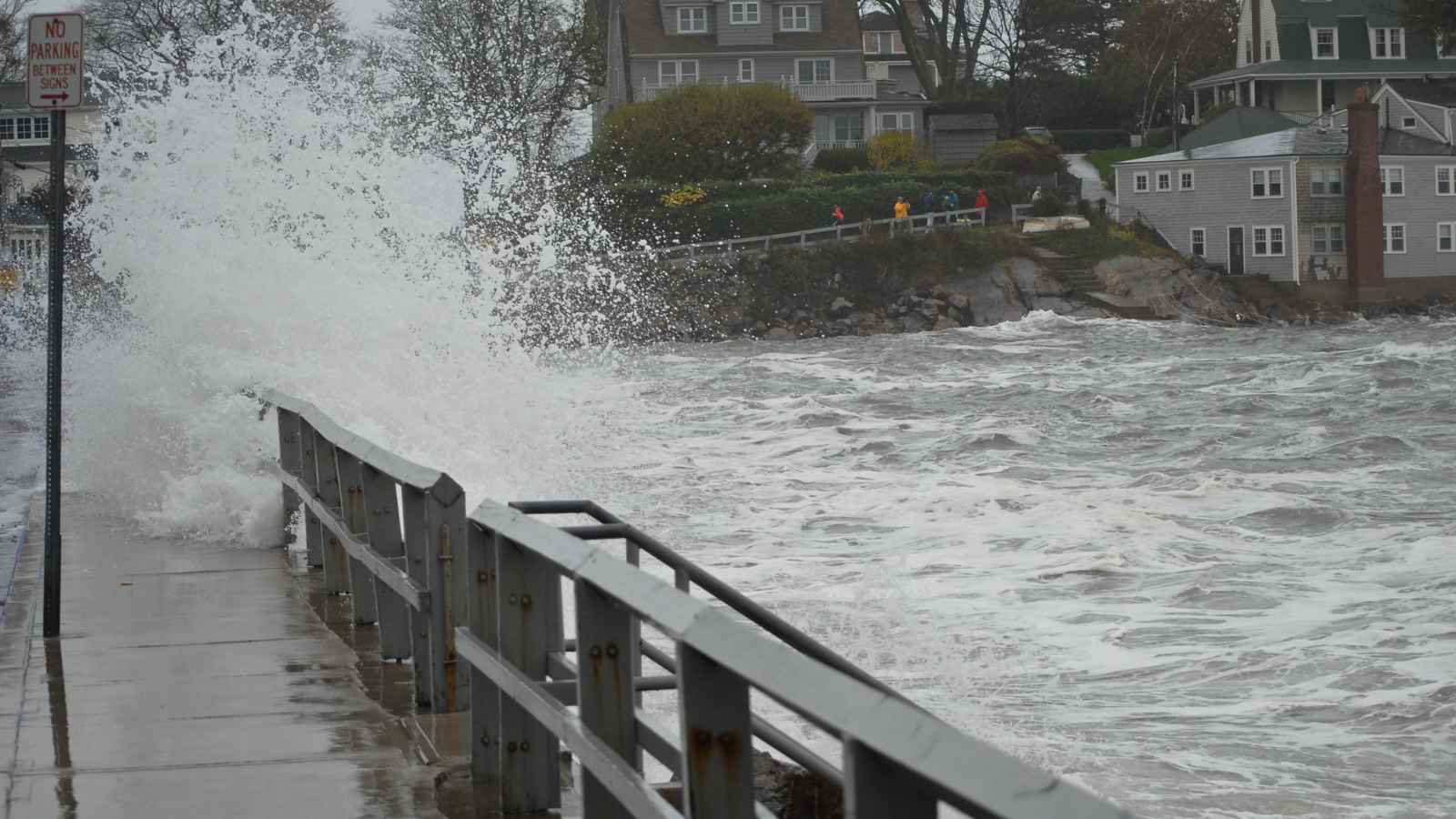
Massachusetts experiences dramatic seasonal changes, ranging from icy winter storms to humid summer heat waves. Snow, freezing rain, coastal flooding, and strong winds can disrupt transportation across the state.
Nor’easters are among the region’s most disruptive storms because they can bring several hazards at once. Federal climate records show that the Northeast regularly experiences winter storms, cold waves, flooding, and damaging coastal weather. Residents may need to prepare for both dangerous cold and extreme heat within the same year.
Montana
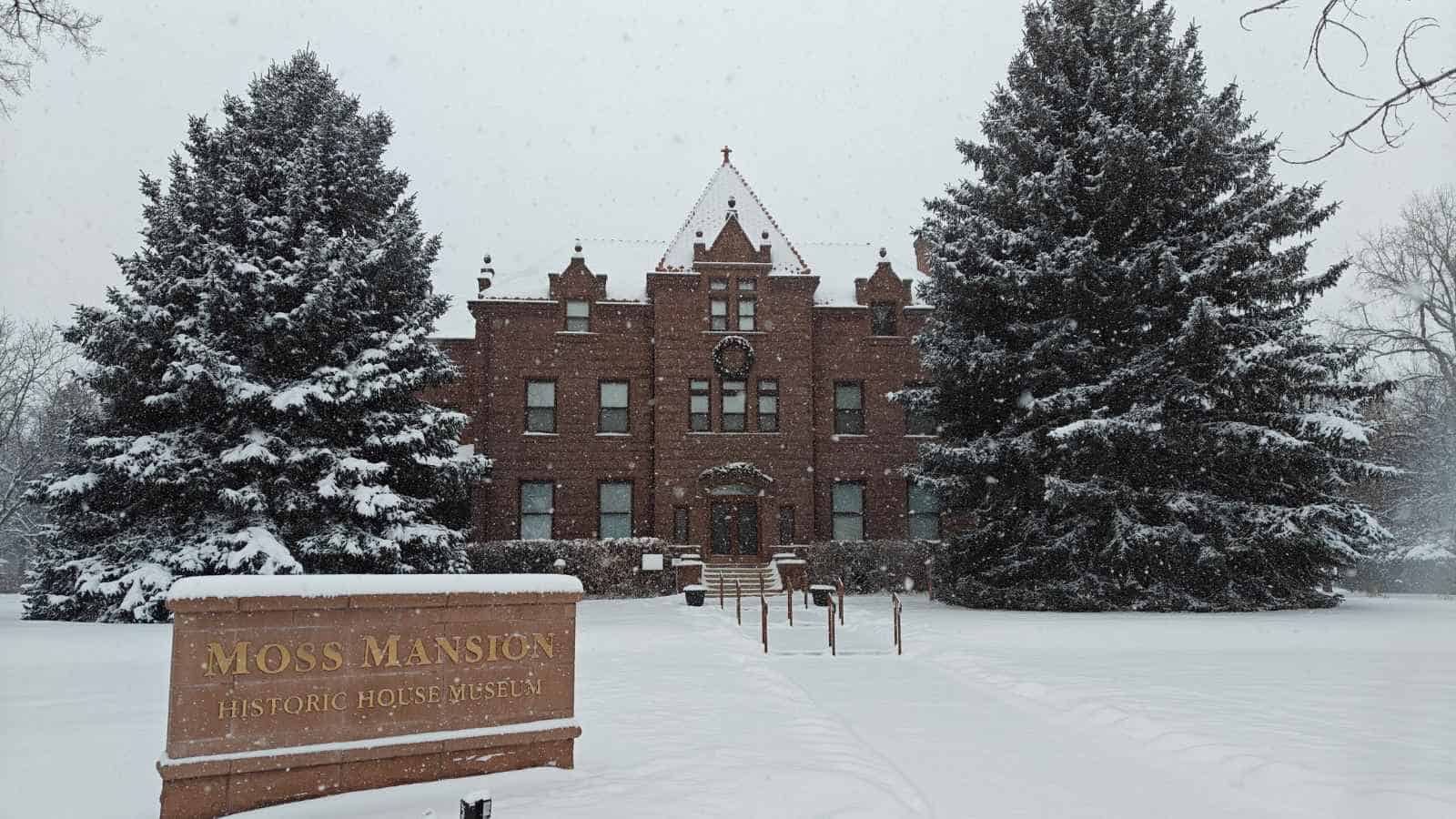
Montana’s weather can test even experienced outdoor travelers. Winters bring deep cold, heavy snow, strong winds, and sudden temperature drops, especially across mountain passes and open plains.
Warmer months bring a different set of concerns, including drought, thunderstorms, smoke, and wildfire danger. Climate records and disaster reports show how northern and mountain states can experience severe conditions in every season. In Montana, the challenge often comes from how quickly the weather can change.
Disclaimer – This list is solely the author’s opinion based on research and publicly available information. It is not intended to be professional advice.
Like our content? Be sure to follow us.