12 uncomfortable truths about how debt built modern America
Most of us look at our credit card balances with a sinking feeling, believing that borrowing is a personal failure. Yet, recent data reported by the Federal Reserve Bank of New York shows total U.S. household debt at about $18.8 trillion in early 2026, spanning mortgages, student loans, auto loans, credit cards, and other liabilities. This monumental figure suggests our feelings of individual guilt might be misplaced because the struggle is systemic.
The truth is that our entire society runs on a giant pile of borrowed cash to stay afloat from day to day. America was built to run on credit rather than actual cash reserves. Over the past century, credit has become the oxygen of the domestic economy, keeping businesses open and shaping everyday finance.
The System Relies On You Staying Quietly In Debt

Banks do not make their profits from people who pay off their statements in full every single month. They make their fortunes from those who carry a balance and pay high interest rates month after month. Your financial struggle is their core business model, designed to keep you on that treadmill.
This explains why credit card offers flood your mailbox even when you are already struggling with unpaid bills. To find flexibility, many homeowners are turning to home equity lines of credit. The financial industry relies on these revolving balances and shapes your relationship with money around long-term borrowing.
Hamilton Designed The Country As A Debt Engine
Alexander Hamilton knew that a country without credit was a country without any real global power. He wanted the federal government to assume state war debts to tie wealthy investors directly to the survival of the young republic. Our national survival was literally bought on time, establishing a system where borrowing is treated as an asset.
This strategy worked so well that today’s federal debt has reached record highs, with total public debt around $39 trillion in 2026, according to official and aggregated Treasury data. The Treasury has become one of the largest borrowers on earth, and that top-down model has trickled down to every household across the land.
The American Dream Was Born On An Installment Plan

During the Roaring Twenties, manufacturers realized that people could not buy new gadgets with their weekly wages alone. To keep factories running, they invented installment plans so average folks could take home radios and washing machines immediately. This shift permanently altered how we buy things, turning luxury items into everyday household necessities.
Historians of consumer culture note that by the mid-1920s, Americans were purchasing several billion dollars’ worth of goods on installment credit in a single year, helping fuel the mass-consumption boom of that era. This early surge proved that keeping up with the neighbors often required spending money we had not yet earned, and made debt feel like a normal part of middle-class budget life.
Uncle Sam Leads By Example With Titanic Budgets
Our government tells us to balance our household ledgers while running a massive multi-trillion-dollar deficit itself. Every major highway, local bridge, and military base relies heavily on investors buying Treasury bonds to keep projects funded.
This contrast has created a culture where running a deficit is seen as standard operating procedure. We watch our leaders spend with apparent freedom, so we naturally assume that carrying a balance is just normal.
Explainer pieces on the national debt describe how the government borrows through bills, notes, and bonds whenever spending exceeds tax revenue, and how debt has grown with wars, recessions, and stimulus efforts. This constant borrowing keeps public programs running but also puts future stability at risk.
Home Ownership Is Built On A Lifetime Of IOUs

We are told that buying a home is the ultimate sign of adult success and stability. Yet very few people can buy a house without signing away thirty years of their future labor to a banking institution. This means your home is essentially owned by a bank for most of your working life.
The scale of this system is enormous: mortgage balances alone accounted for roughly $13.2 trillion in household debt in early 2026, the largest single slice of what American families owe. We do not actually own our neighborhoods outright; we rent them from financial institutions while pretending to be independent adults.
Cars Became A Right Of Passage On Borrowed Coins

You need a reliable vehicle to get to work in most American cities, but auto prices are sky-high. This means transportation is no longer about personal freedom; it is about signing up for a lengthy, high-interest monthly obligation. We work long hours just to pay for the ride.
Recent figures show auto loan balances around $1.69 trillion in early 2026, reflecting how deeply car payments are woven into household debt. We hit the open road with a heavy anchor dragging behind us, turning our daily commutes into endless financial cycles instead of carefree trips.
Higher Education Transformed Into A Financial Trap

Young people are told that a college degree is the only path to a stable, respectable career. But the price of admission is often a mountain of student loans that cannot be cleared even through bankruptcy. It is a very heavy toll to pay just to enter the professional job market.
By early 2026, student loan debt stood at roughly $1.66 trillion, and the transition rate into serious delinquency had climbed to about 10.9%. This high rate shows that the promise of higher education is failing to pay off for millions who are struggling to keep up with payments.
Credit Cards Replaced The Need For Actual Wages

As real wages flatlined over the last few decades, credit card limits grew to fill the gap. People began using plastic to cover basic expenses like electricity, medical visits, and weekly utility bills. It became a permanent, high-interest subsidy for stagnant paychecks, keeping families afloat.
This survival tactic has pushed credit card balances to about $1.25 trillion as of early 2026, representing a significant increase over pre-pandemic levels and adding substantial interest costs to everyday spending. We use plastic to buy basic necessities, converting our daily survival into profits for giant banking corporations.
Microtransactions And Retail Loans Keep Us Hooked
Now, you do not even need a plastic card to go into debt because modern smartphone apps let you split small purchases. Buy now, pay later buttons are everywhere online, turning minor splurges into tiny monthly bills. This micro borrowing makes overspending feel completely painless and normal.
Reports on “buy now, pay later” services show rapid growth in these short-term installment products, with more shoppers using them for everyday items instead of saving up first. This constant trickling of tiny loans makes us feel like we have plenty of cash when, in reality, we are slowly bleeding our bank accounts one small payment at a time.
Modern Growth Depends Entirely On Consumer Spending

The American economic engine is fueled by consumer spending, which accounts for most of our gross domestic product. If everyone suddenly paid off their balances and stopped borrowing, our economic output would immediately slump. Our prosperity requires us to spend continuously, even if it means burying ourselves in loans.
Macroeconomic overviews regularly note that personal consumption expenditures make up around two-thirds of U.S. GDP, highlighting how central household spending is to growth. This reality means that cautious savers can feel out of step with a system that constantly pushes us to spend more rather than focus on saving.
Emergencies Turn Into Immediate Financial Ruin

Most Americans live just one flat tire, broken appliance, or emergency room visit away from complete financial disaster. Without a cash cushion, an unexpected crisis forces families to swipe their cards to pay for basic healthcare. Getting sick or having an accident can mean a lifetime of high-interest payments.
This vulnerability is why so many people are falling behind on their payments. Commenting on recent trends, New York Fed economic advisor Wilbert van der Klaauw noted that while household debt levels are growing modestly, mortgage delinquencies continue to rise. His warning highlights how easily a single bad day can collapse a family’s fragile budget.
The Wealth Gap Widens On Differing Interest Rates
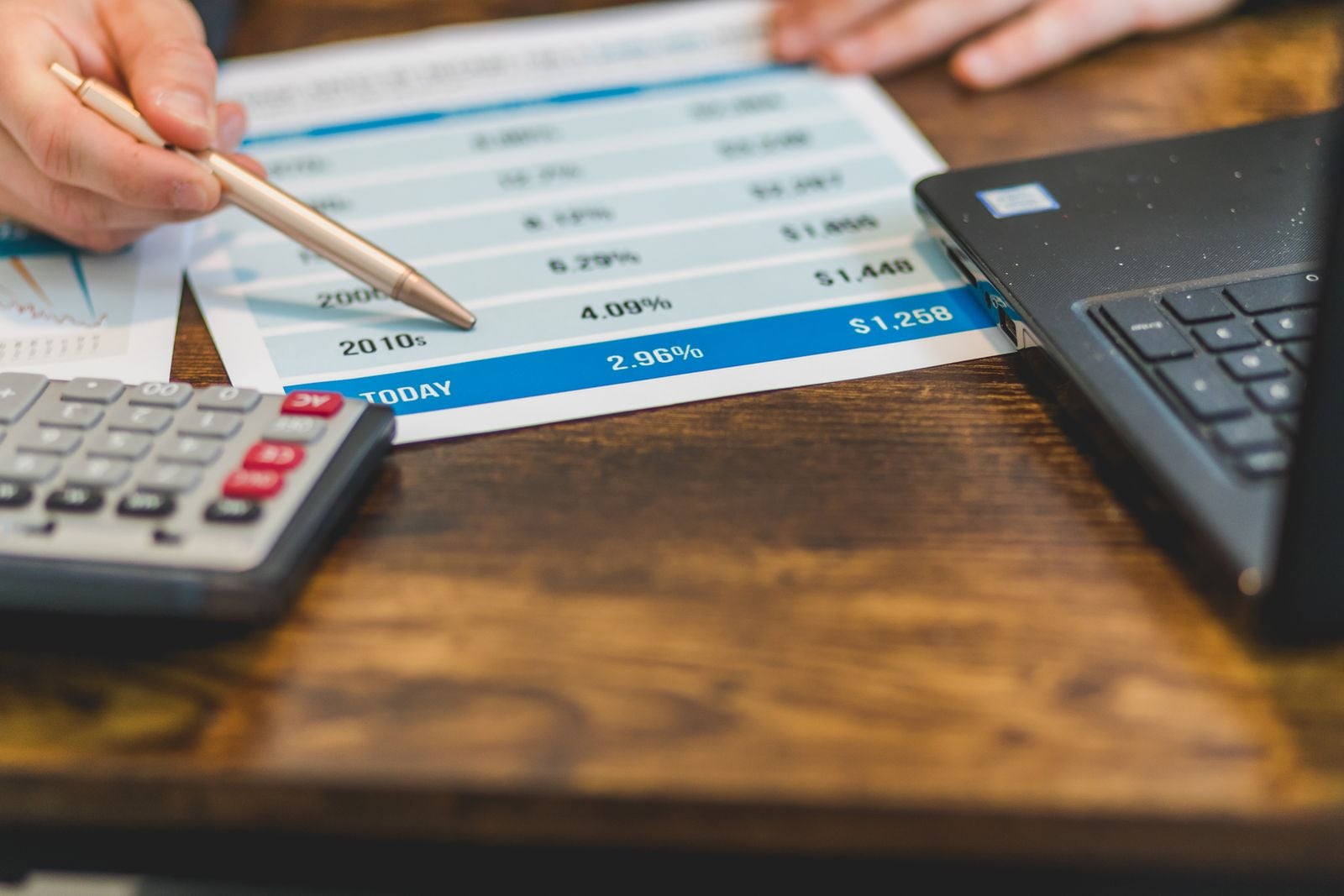
The rich borrow money at low interest rates to purchase assets like real estate and stocks that grow in value. Meanwhile, working-class families borrow at high interest rates just to buy groceries and keep their lights on. It is a two-tier system that redistributes wealth upward.
This divide ensures that borrowing makes the wealthy richer while keeping the poor trapped in an endless cycle. Analyses of inequality show how cheaper credit for asset purchases and more expensive consumer debt widen the gap between households over time. Your hard-earned cash keeps flowing upward, turning everyday financial decisions into a long struggle for basic stability.
Key Takeaways

We must stop viewing personal debt as a purely individual moral failing and start seeing it as the actual foundation of our economic system. Once you understand that America was designed to run on borrowed funds, you can finally lose the guilt and focus on smart survival.
Managing your credit is about understanding how the system works so you can protect your family and make choices that truly serve your life.
Disclaimer – This list is solely the author’s opinion based on research and publicly available information. It is not intended to be professional advice.
Like our content? Be sure to follow us