Tomato prices are still up nearly 20%. 11 swaps that can cut your grocery bill
A tomato is a small thing until it lands on a grocery receipt. Fresh tomato prices stood 32% above their year-earlier level in May 2026, according to the USDA Economic Research Service.
Prices then fell 10% in June, yet they remained 19.5% higher than in June 2025, the Bureau of Labor Statistics found. Field-grown tomatoes averaged $2.154 per pound. Groceries as a group rose just 2.7% over the same year, so the bright red fruit has left a much darker mark on family budgets.
No single event created that mark. A 17% duty on many Mexican tomatoes, crop losses, fuel costs, labor pressures, and tight supply have pushed in the same direction.
“The impact we’re seeing is not just driven by one factor. It’s really a combination,” David Ortega, professor and Noel W. Stuckman Chair in Food Economics and Policy at Michigan State University, told ABC News.
The squeeze hurts most at the lower end of the income ladder. USDA data show that the lowest-income fifth of U.S. households spent 33% of pretax income on food in 2024. These swaps won’t fix food inflation, but they can keep more money in the cart.
Save Fresh Tomatoes for Meals That Truly Need Them
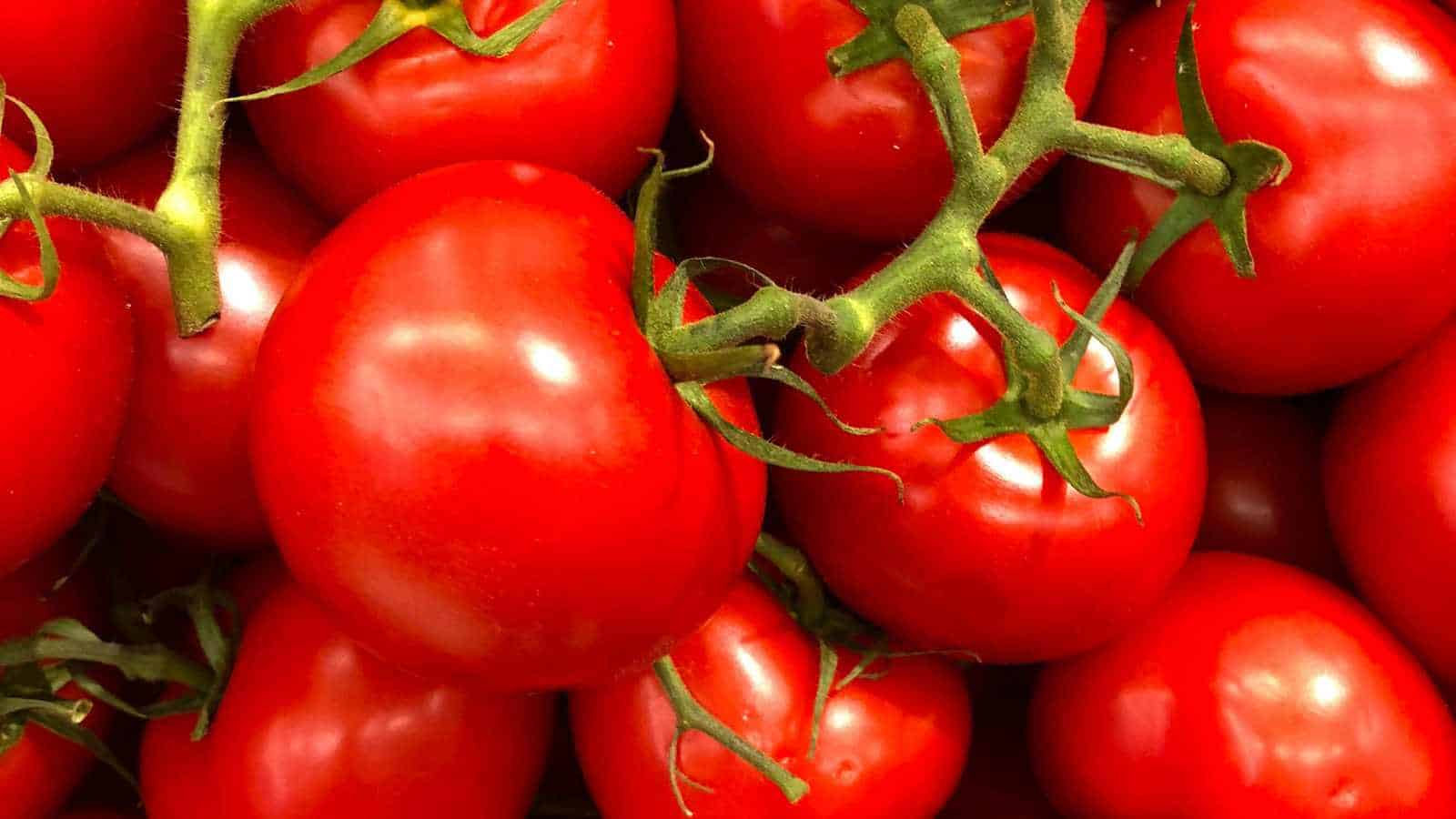
Fresh tomatoes shine in a BLT or a summer salad, but much of that charm disappears after 30 minutes in a bubbling pot. For pasta sauce, soup, chili, curry, or pizza, canned whole, diced, or crushed tomatoes can do the same job with less waste.
June 2026 BLS data show fresh tomato prices up 19.5% in a year, compared with 3.5% for canned vegetables. Research reviewed in the journal Foods also found that heat and processing can make tomato lycopene easier for the body to absorb.
Check sodium and choose a no-salt-added can if needed. The simple rule is easy to remember: pay the fresh price for a raw bite you’ll notice, then let the pantry handle dishes in which heat, garlic, and herbs take over.
Trade Tomato Slices for Green Bell Pepper Crunch
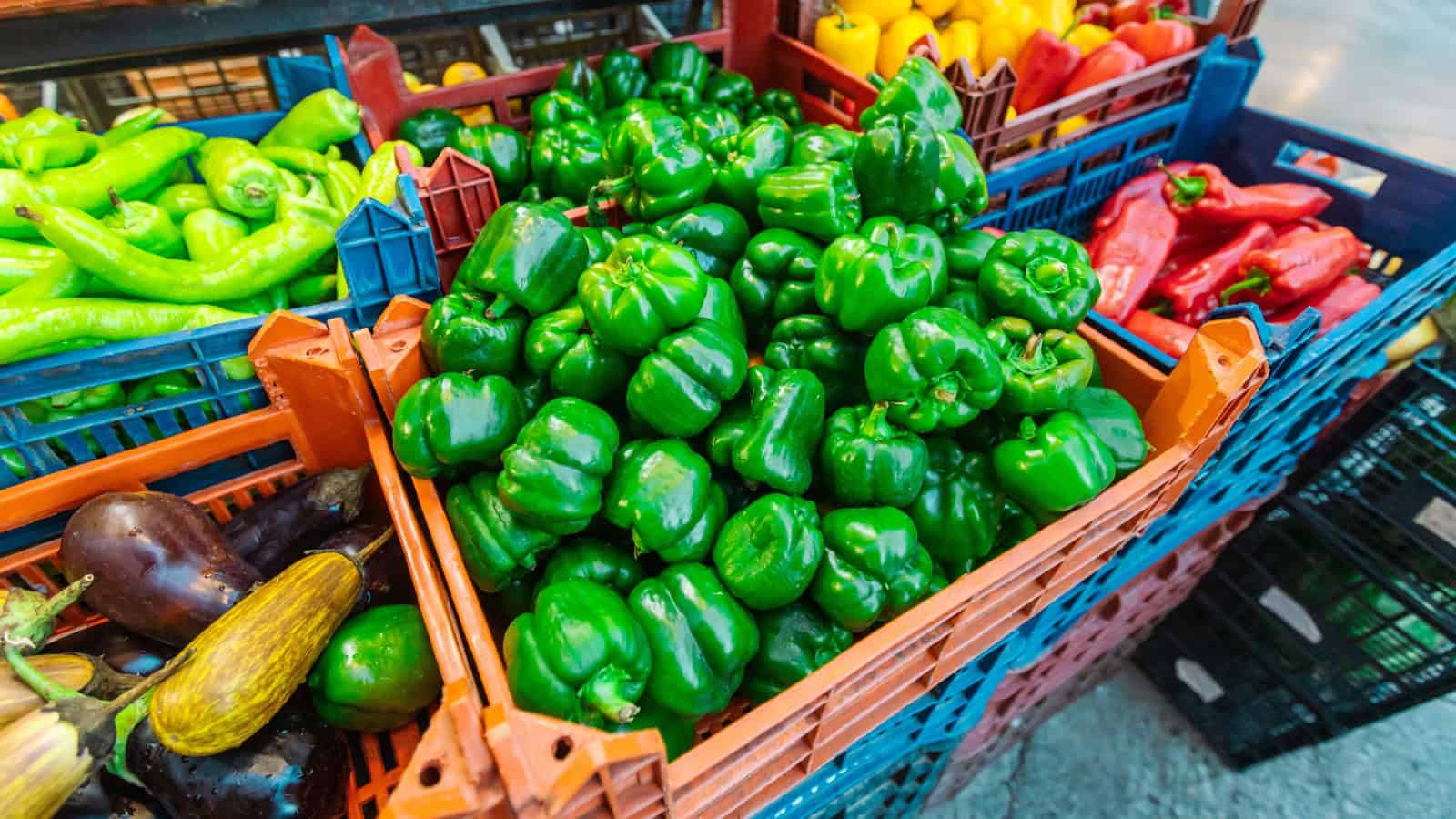
A sandwich or taco often needs color and snap more than it needs tomato juice running down your wrist. Green bell pepper can provide both. In the USDA’s national promotional survey for the period ending July 23, 2026, green peppers averaged 96 cents each.
On-the-vine tomatoes averaged $1.86 per pound in those ads, and BLS put the wider national average for field-grown tomatoes at $2.154 per pound in June. Green is usually the budget color, since red, yellow, and orange peppers can cost more.
Nutrition doesn’t vanish with the swap: USDA FoodData Central lists roughly 80 milligrams of vitamin C in 100 grams of raw green bell pepper, against about 14 milligrams in the same weight of raw tomato. Slice it thin for wraps, salads, burgers, and scrambled eggs, but check the unit price first because local specials can reverse the math.
Replace Pico de Gallo With Carrot-Cucumber Relish
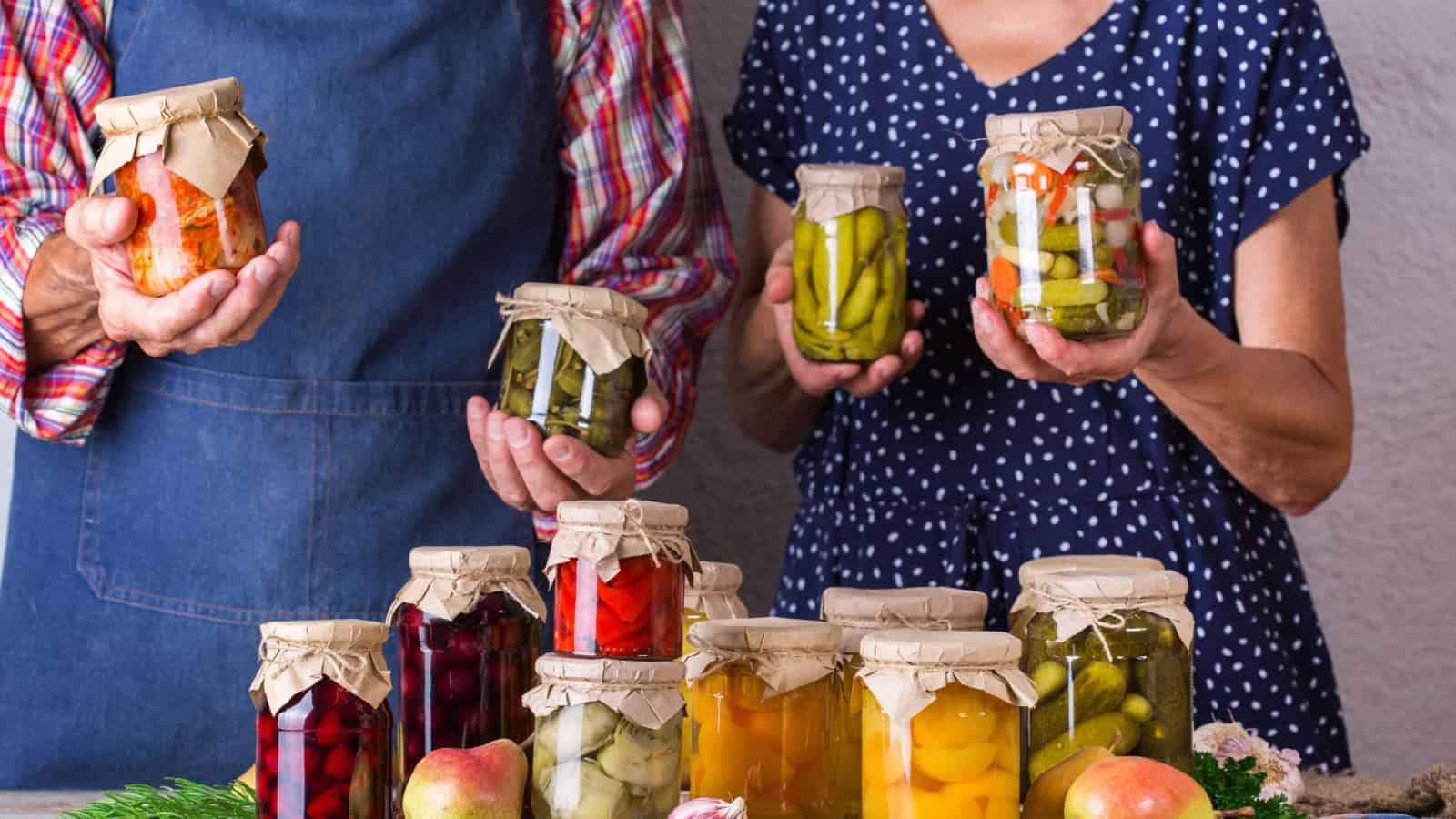
Pico de gallo is fresh and lively, yet a bowl built around costly tomatoes can disappear in ten minutes. Try shredded carrot, diced cucumber, lime, onion, cilantro, and a pinch of salt. The colors still sing, only in orange and green.
USDA’s July 2026 promotional data priced one-pound carrot bags at an average of $1.29 and cucumbers at 80 cents each. In a hypothetical four-person taco dinner, half a bag of carrots plus one cucumber would cost about $1.45.
If that mix replaces one pound of field-grown tomatoes at BLS’s June average of $2.154, the difference is about 70 cents before the shared seasonings are counted. That isn’t a fortune at one meal, but repeating the move once a week saves more than $36 a year. The relish also works beside grilled chicken, in grain bowls, or tucked into sandwiches the next day.
Use Mushrooms as Flavor, Not the Whole Swap
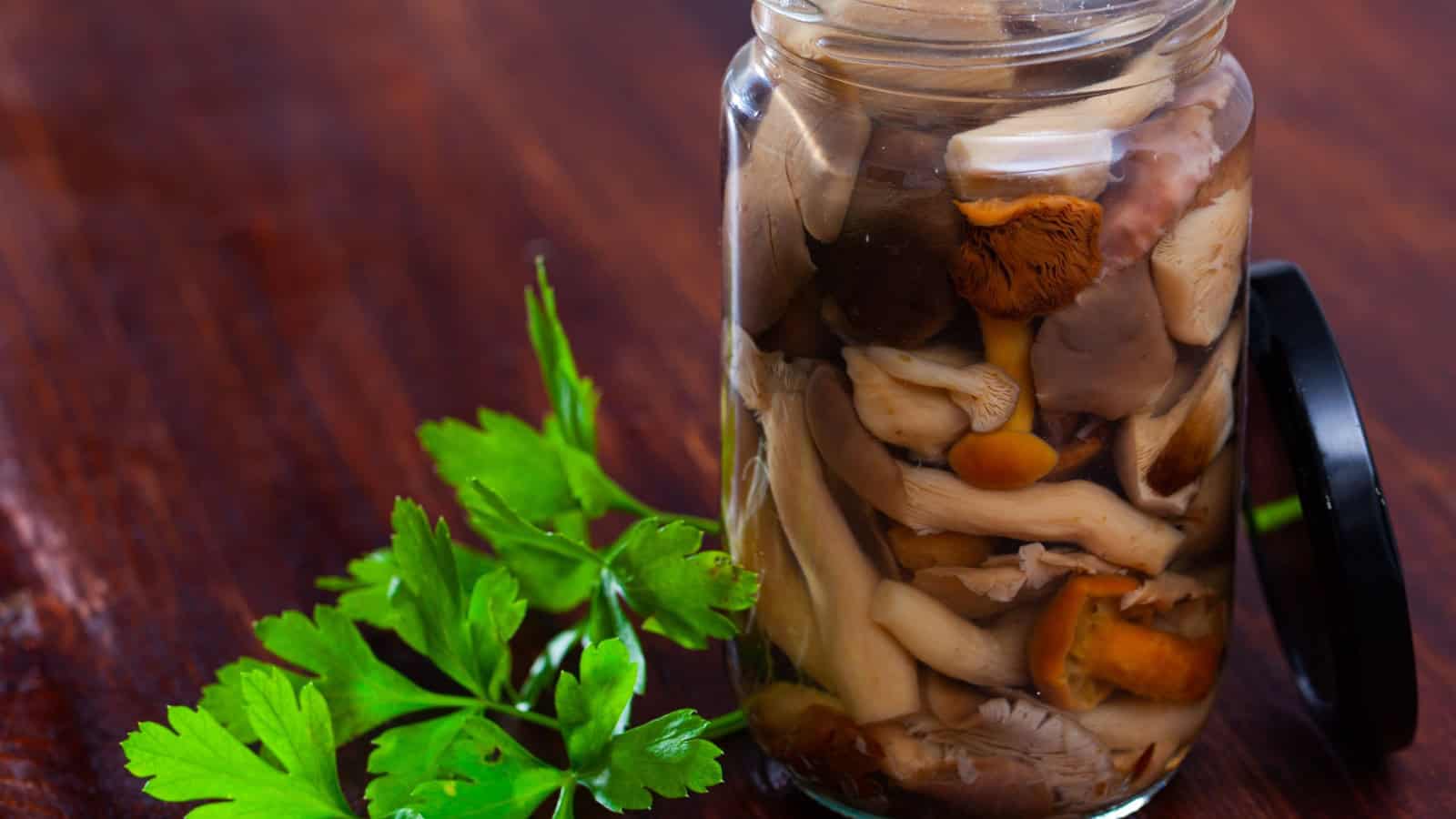
Marinated mushrooms can replace the savory feel of a caprese plate, but the honest math needs one more step. USDA’s July 2026 ads put an eight-ounce package of white mushrooms at $2.07, equal to $4.14 per pound. That is higher than BLS’s $2.154 average for field-grown tomatoes, so a pound-for-pound exchange may raise the bill.
The saving appears when mushrooms become the flavor and white beans become the bulk. Marinate one package with vinegar, oil, garlic, and herbs, fold in beans, then finish with a small amount of cheese instead of a full mozzarella ball.
BLS says dried beans, peas, and lentils rose only 0.6% over the year, and cheese prices fell 3.6%. You still get earthy depth, creamy bites, and a cool appetizer, but less of the plate depends on two ingredients that can make caprese expensive.
Build Friday Pizza With Canned Sauce and Frozen Vegetables
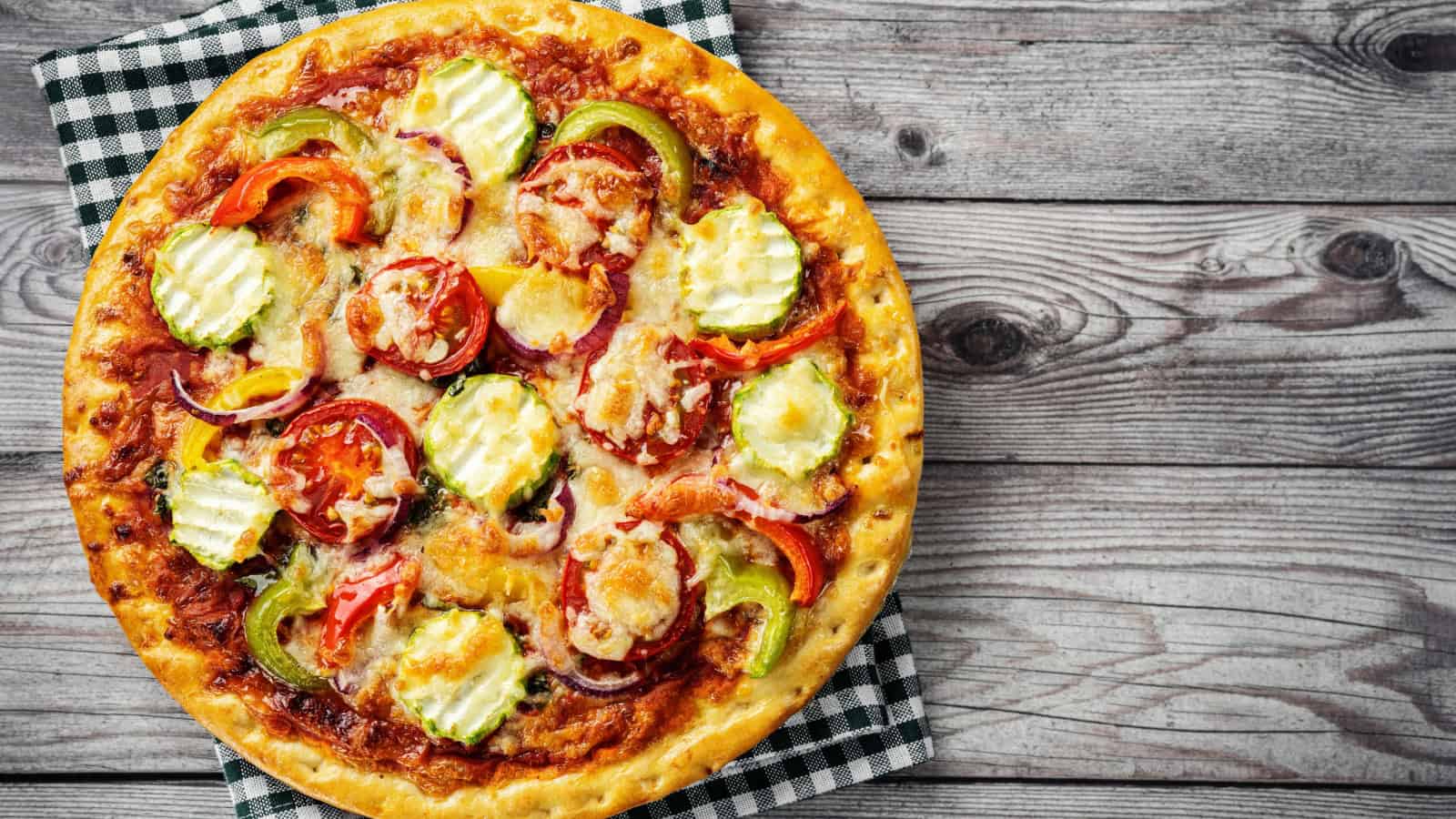
Pizza night can dodge the tomato spike in three moves: make a quick dough, season canned tomatoes, and raid the freezer for toppings. BLS figures for June 2026 show flour prices down 1.3% from a year earlier. Canned vegetables rose 3.5%, and frozen vegetables rose 1.9%, both far below the 19.5% increase for fresh tomatoes.
Crush a can with garlic and dried herbs, spread only what the crust needs, and freeze any leftover sauce. Frozen spinach, corn, or peppers can replace fresh tomato slices and reduce the chance that half a produce drawer gets tossed on Monday.
A hypothetical family can also shape four small pizzas instead of buying separate specialty pies, which helps control cheese and topping portions. The result still comes out blistered, bubbling, and fragrant. The receipt simply carries less weight.
Turn Canned Tomatoes and Lentils Into a Bigger Pot of Sauce
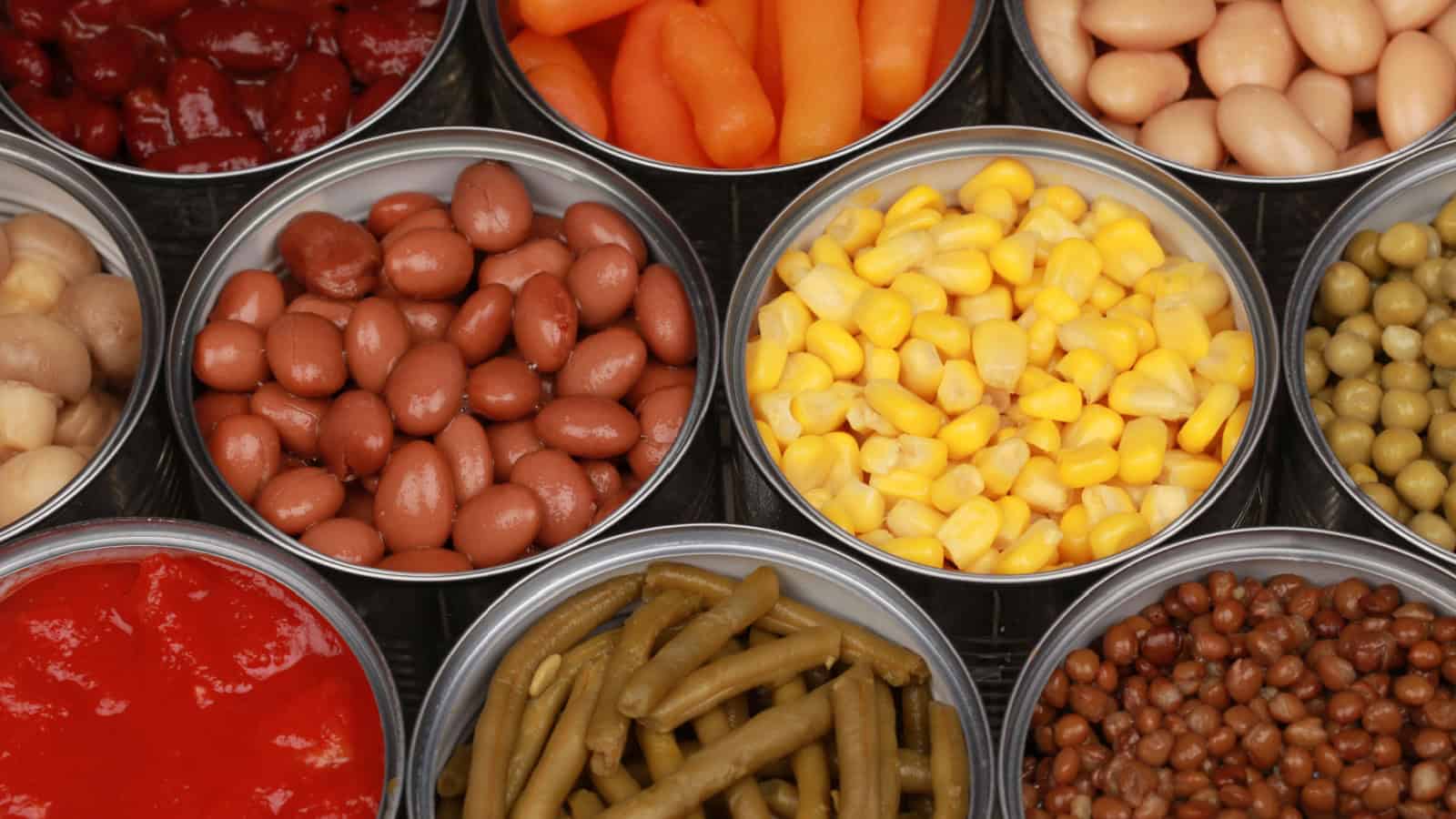
A branded jar may save five minutes, but canned tomatoes and lentils can stretch dinner across several nights. Start with onion and garlic, add crushed tomatoes, then stir in cooked lentils until the sauce becomes thick enough to cling to pasta.
Current BLS data make the swap timely: dried beans, peas, and lentils rose just 0.6% over the year ending June 2026, while uncooked ground beef rose 12.4%. A cup of cooked lentils provides about 18 grams of protein and almost 16 grams of fiber, according to the Harvard T.H. Chan School of Public Health.
Use the mixture for spaghetti on Monday, baked pasta on Wednesday, and freezer portions after that. The goal isn’t to copy a meat sauce bite-for-bite. It’s to build a rich, filling pot without asking for fresh tomatoes, beef, or a premium label to carry the meal.
Make Frozen Broccoli or Spinach the Main Side
Switching from tomato salad to another fresh salad won’t always help. Lettuce prices rose 32.1% over the year ending June 2026, even faster than tomatoes at 19.5%, according to BLS.
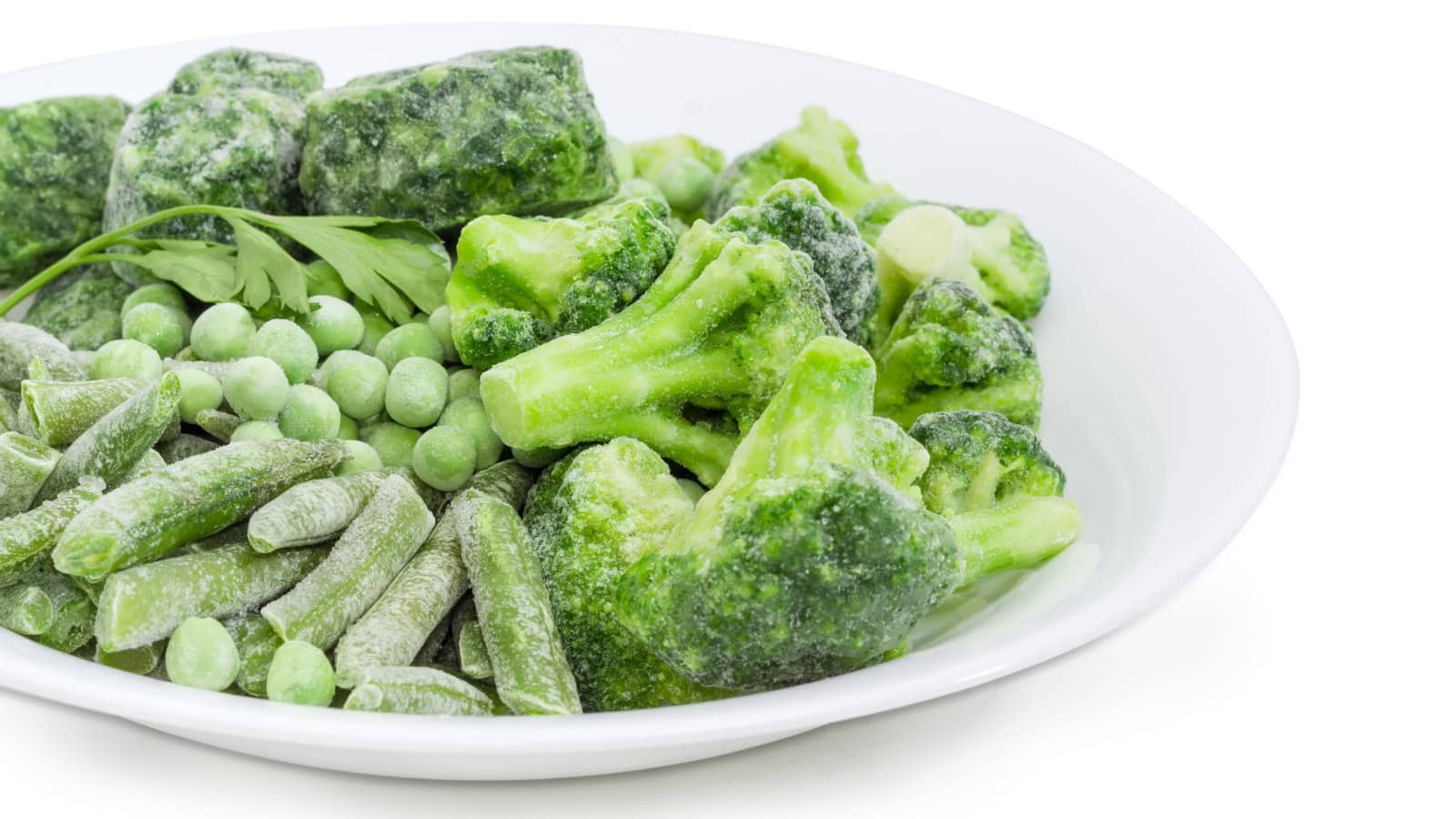
The freezer aisle offers a steadier exit. Frozen vegetable prices increased 1.9% during the same year, and a bag lets you pour out one dinner’s share without racing a use-by date. Turn broccoli into a garlic side, fold spinach into rice, or add mixed vegetables to pasta and soup.
Plain packages give you more control than versions covered in butter, cheese, or sauce. A frozen vegetable may lack the summer perfume of a ripe tomato, but it brings color and texture without leaving soft, forgotten produce at the back of the refrigerator.
On a tight week, food that reaches the plate beats food that looked prettier on shopping day.
Replace Spoil-Prone Produce With Frozen Bags
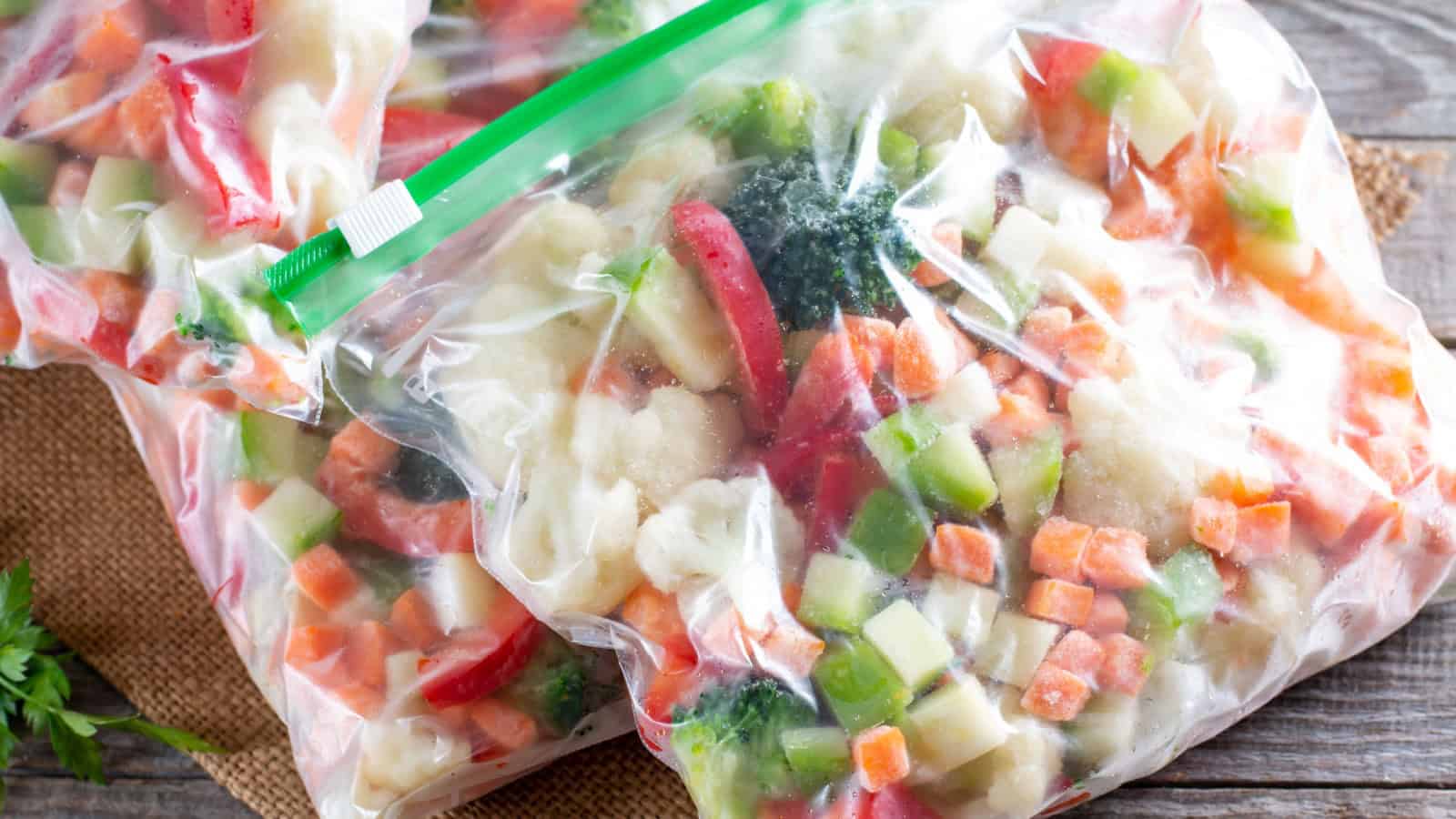
The price on the shelf tells only half the story. The food you throw away costs the full amount and feeds no one.
A 2025 Environmental Protection Agency report estimates that uneaten food costs each U.S. consumer $728 a year, or $14 a week. For a family of four, the estimate is $2,913, about 11% of consumer food spending.
Frozen vegetables help because shoppers can cook one cup and return the rest to the freezer. “It can be less expensive than purchasing foods out of season,” Dana Ellis Hunnes, a senior clinical dietitian at Ronald Reagan UCLA Medical Center, told Parents.
Buy plain bags, choose vegetables your household already eats, and mark the open date. A bargain still becomes a waste if it sleeps under the ice for two years.
Replace Half the Beef With Beans or Lentils
Tomato-heavy meals often carry a second price problem: beef. BLS says beef and veal cost 11.8% more in June 2026 than a year earlier, with uncooked ground beef up 12.4%. Ground chuck averaged $6.975 per pound.
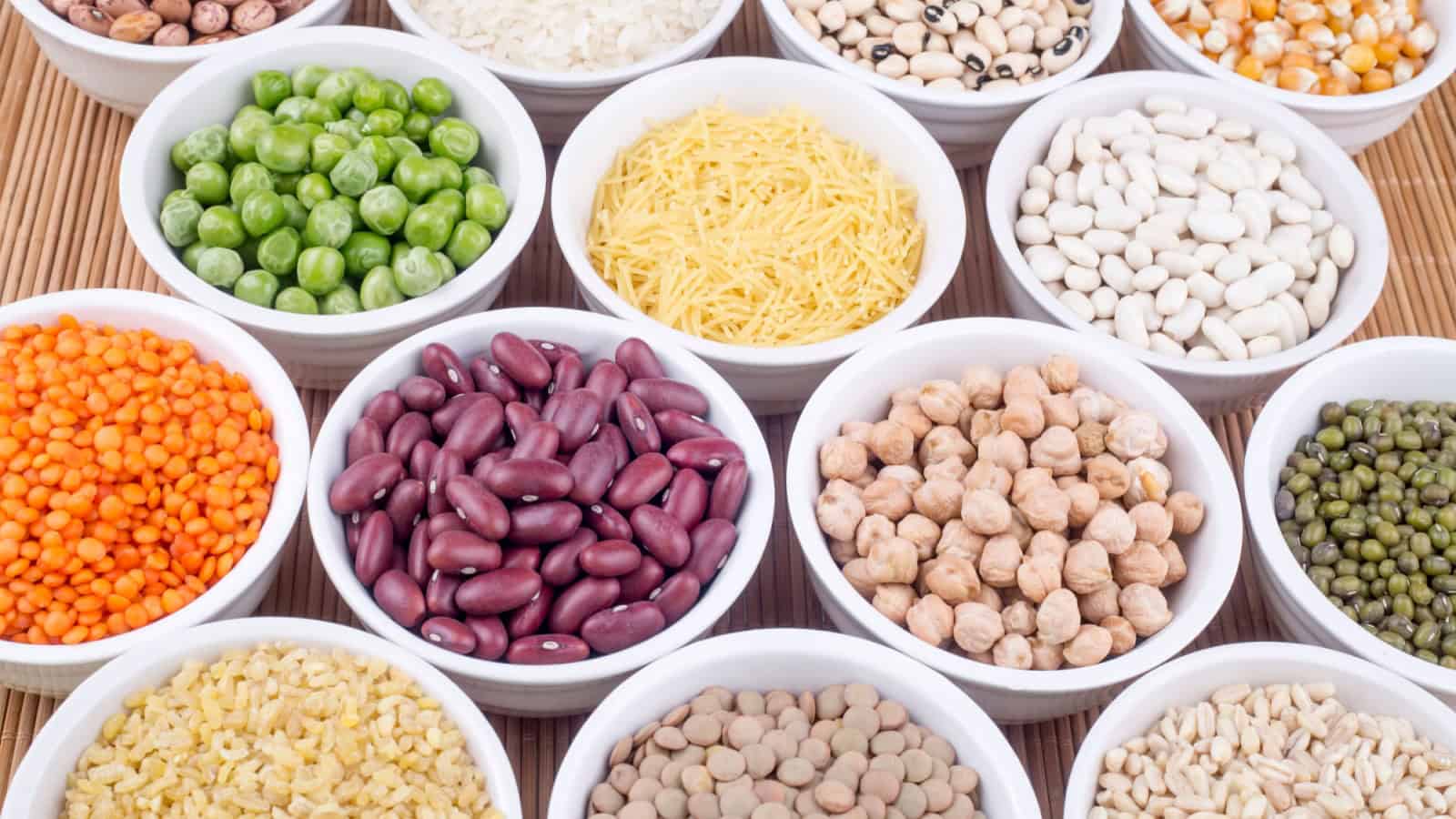
Replacing half a pound of chili, taco filling, sloppy joes, or pasta sauce removes about $3.49 of beef from the recipe before the lower-cost beans or lentils go in. Their wider price category rose only 0.6% over the year.
For a hypothetical taco night, brown half the usual amount of meat, add a drained can of beans, and season the pan as usual. The texture stays hearty, portions grow, and leftovers become lunch.
Readers who want the lowest unit cost can compare canned beans with dry ones using the USDA’s updated fruit and vegetable price database. Dry usually asks for more time, but a pressure cooker or batch session can make that trade easier.
Buy Store-Brand Tomatoes, Beans, and Frozen Vegetables
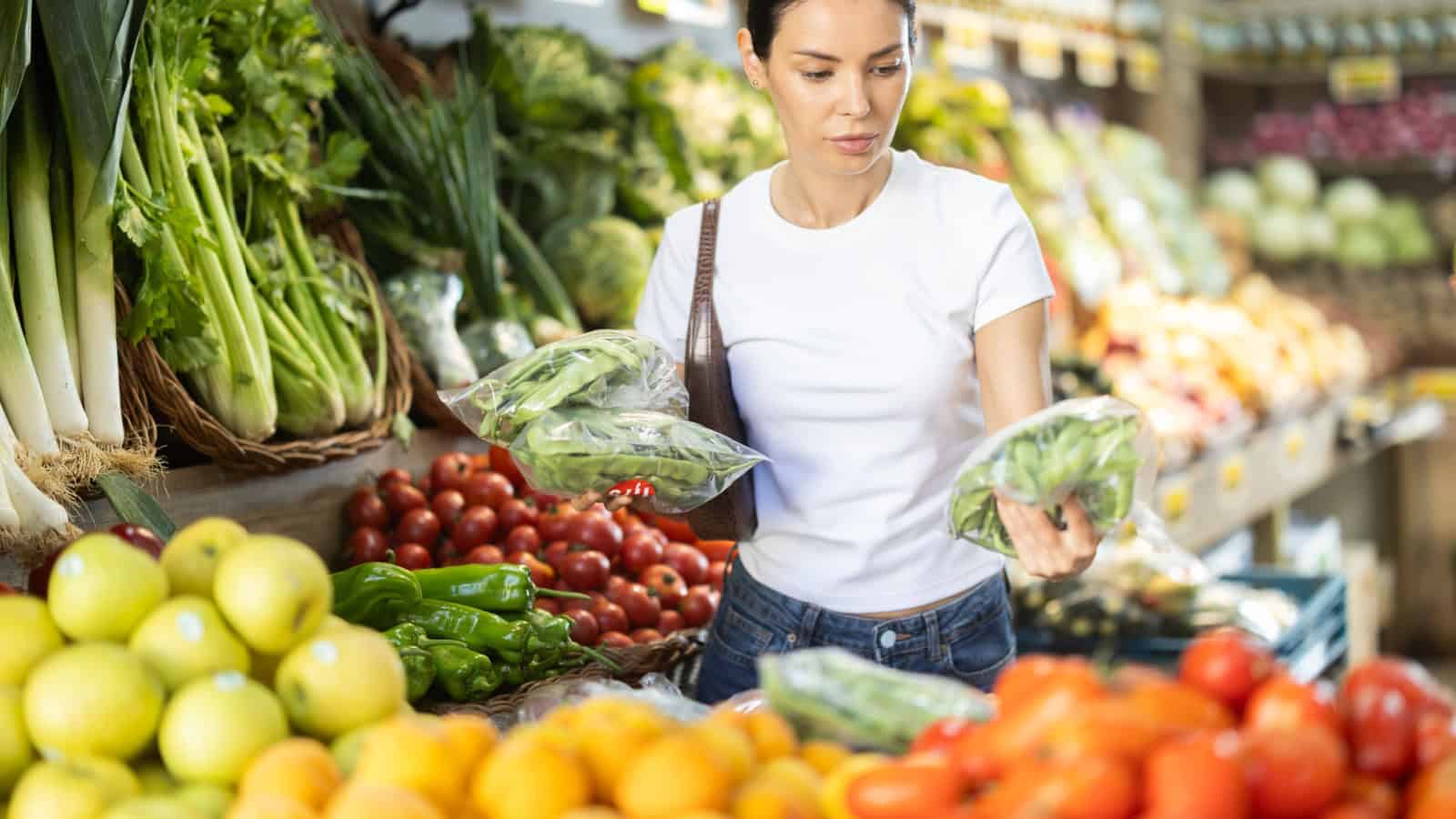
Labels can be expensive roommates in the grocery cart. During the first quarter of 2026, store-brand food and household products averaged $4.11 per unit, compared with $4.79 for national brands, according to PLMA data based on Circana sales.
That 68-cent gap equals 17%. Canned tomatoes, tomato paste, beans, pasta, and plain frozen vegetables are sensible places to test the switch because seasonings shape much of the final flavor. Store brands are no fringe choice: an FMI survey found them in 92% of shoppers’ homes, and 94% planned to keep buying them even if grocery prices fell.
“The data from this year’s report reinforces that shoppers have developed genuine appreciation for store brands that goes beyond price,” said Steve Markenson, FMI’s vice president of research and insights. Compare size, ingredients, and sodium before declaring a winner.
Stop Making Every Dinner a Tomato Dinner

The strongest swap changes the menu, not one ingredient. BLS reported tomatoes up 19.5% in the year ending June 2026, compared with 1.4% for potatoes, 6.4% for other fresh vegetables, and 1.9% for frozen vegetables.
Build the week around those gaps. Two meals might use fresh tomatoes where their flavor matters, two can use canned tomatoes, and the rest can feature carrots, potatoes, cabbage, mushrooms, frozen spinach, or lentils. Rotation also spreads supply risk.
USDA estimates that imports supplied about one-third of U.S. vegetable availability in 2025, with Mexico providing 77% of fresh vegetable imports and Canada another 13%. Weather, fuel, and trade changes can hit one crop harder than another.
A flexible menu lets the shopper move with the prices instead of paying whatever one favorite ingredient demands. That habit can outlast this tomato spike and the next grocery surprise.
Key Takeaways

Fresh tomatoes were still 19.5% more expensive in June 2026 than a year earlier, but the whole cart didn’t move at the same speed.
BLS data put the gains at 3.5% for canned vegetables, 1.9% for frozen vegetables, and 0.6% for dried beans, peas, and lentils. Keep fresh tomatoes for raw dishes where their flavor earns the price. Use cans for cooking, frozen bags for low-waste sides, beans for bulk, and store brands after checking the unit price.
Those choices won’t make a $2.154 pound of tomatoes cheap. They can stop that one price spike from spreading to every dinner of the week, letting the tomato brighten the plate instead of quietly running the budget.
Disclaimer – This list is solely the author’s opinion based on research and publicly available information. It is not intended to be professional advice.
Like our content? Be sure to follow us