12 habits that can make a man look cheap without realizing it
Looking cheap is not always about having less money. Sometimes, it is about the small things you do that quietly change how people see you.
First impressions happen quickly. A report by EBSCO shows people form opinions about others within seconds, often based on simple signals like body language, confidence, and social behavior. Once someone connects those habits with being “cheap,” it can be difficult to change that first impression.
The good news? Looking classy has little to do with spending more money. It comes down to respect, awareness, and how you make people feel when they are around you. Because sometimes the most expensive-looking person in the room is not the one wearing the biggest brand.
It is the one who knows how to act. Here are 12 habits that can make you look cheap without realizing it.
Treat Service Workers Poorly

If you want to know someone’s true personality, watch how they behave when they are dealing with someone who cannot help their career, improve their reputation, or give them anything in return.
You are at a nice restaurant with someone you want to impress. You dress well, choose an expensive meal, and act confident. Then the waiter makes a small mistake and brings the wrong order.
Instead of calmly explaining the problem, you start snapping, raising your voice, and making the person feel embarrassed. At that moment, nobody is thinking about your clothes or your car. They are thinking about your attitude.
You Treat Public Places Like Your Personal Living Room

You know that person who answers a phone call on speaker in a quiet café and suddenly everyone nearby knows their relationship problems? Nobody wants to be that person.
Public spaces come with invisible rules. You lower your voice. Respect personal boundaries. Remember that strangers did not buy a ticket to hear every detail of your personal life.
Research published in the journal Scientific Reports on social etiquette and interpersonal communication shows that people often judge social awareness through small behaviors, including how someone manages conversations in shared spaces.
Forgetting the Simple Things That Make People Respect You

Sometimes, the habits that make you look cheap have nothing to do with money. They show up in everyday moments, like interrupting people, ignoring boundaries, or acting as if your opinion matters more than everyone else’s.
You might think talking over people makes you look confident or knowledgeable. In reality, people often remember how you made them feel, and nobody enjoys feeling ignored or dismissed.
Real confidence does not come from controlling every conversation or trying to be the most important person in the room. It comes from listening, showing respect, and making people feel valued.
You Constantly Brag About Your Money and Possessions
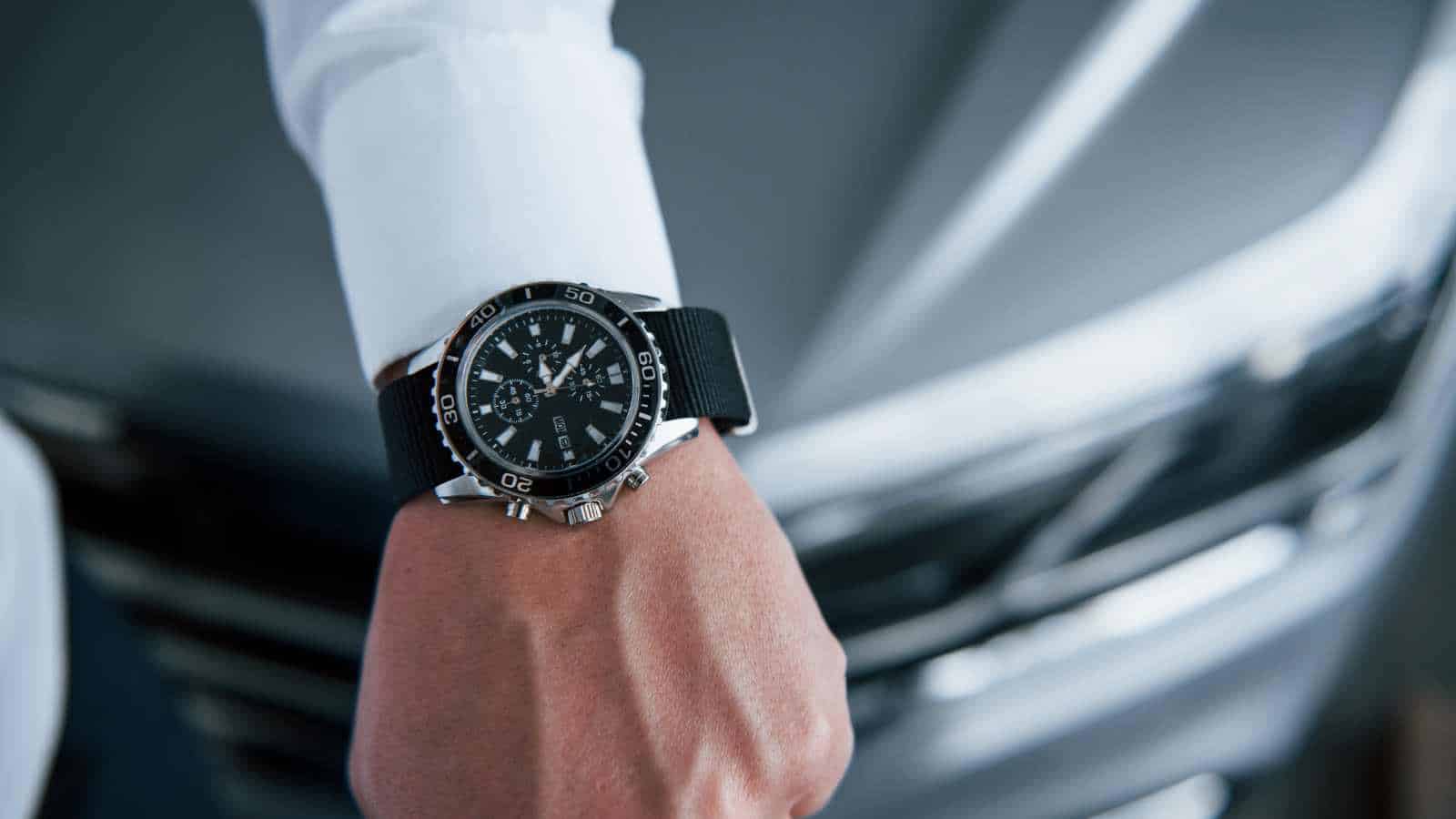
There is nothing wrong with enjoying nice things. The problem starts when every conversation becomes an opportunity to remind people what you own.
You mention your salary during casual conversations. Explain how much your watch cost. You somehow turn a simple conversation about vacations into a detailed explanation of your hotel upgrade.
Sociologist Thorstein Veblen introduced the idea of “conspicuous consumption,” explaining how people sometimes use visible purchases to communicate status. Excessive displays of wealth can sometimes create negative impressions.
The funny thing is that confidence often works differently. The people who feel secure about their success usually do not need to advertise every detail.
Always Late and Expect Everyone to Accept It

Being late once does not make you look cheap. Making people constantly wait for you can.
Time is one of the few things everyone has equally, and how you handle other people’s time says a lot about your priorities. Punctuality isn’t just about arriving on time; it’s about respect and accountability.
You might believe your busy schedule makes you look important. But other people may simply feel like you do not respect their time.
Being reliable is one of the easiest ways to build trust because it shows consideration without requiring money or status.
You Wear Expensive Clothes That Look Neglected

A designer label cannot save a careless appearance.
You can spend hundreds on a shirt, but if it is wrinkled, stained, or poorly fitted, people will notice the condition before they notice the brand.
Grooming and presentation influence how people judge professionalism and competence. This does not mean you need a closet full of expensive clothes. A clean shirt, polished shoes, and clothes that fit properly often create a stronger impression than luxury items that look forgotten.
Think of it this way: a $100 outfit that looks intentional can easily beat a $1,000 outfit that looks like you slept in it. Looking polished is usually about effort, not spending.
Turn Every Small Expense Into a Public Debate

Saving money is smart. Making everyone uncomfortable because of money is different.
You know the situation. Everyone is enjoying dinner, laughing, and having a good time. Then the bill arrives, and suddenly you become a financial detective investigating a small service charge.
According to a Pew Research Center survey, 72% of Americans say tipping is expected at restaurants. That shows how much tipping has become tied to the overall dining experience, especially when someone is directly serving you.
You do not need to waste money to impress anyone. But you also do not need to make every dollar you spend look like a personal tragedy.
Letting Big Logos Speak Louder Than You Do

You know the look. A shirt covered in giant designer names, a belt buckle that demands attention, and accessories chosen more for recognition than style. And while it can show you enjoy fashion, it can also make people wonder if you are trying too hard to prove something.
Meeting two people wearing expensive jackets. One relies on a huge logo to make an impression. The other lets the material, design, and confidence speak for themselves. Both may have spent the same amount of money. But the second person often looks more confident because they own the item instead of letting the item define them.
Using a Phone With a Cracked Screen

Your phone says more about you than you might think.
A cracked screen after an accident is understandable. Life happens. But when you walk around with a shattered display for months, tape holding the corners together, or a screen so damaged that you have to avoid certain areas just to read a message, people may see you as cheap.
Taking care of your possessions is often seen as a sign of responsibility. You do not need the newest phone or the most expensive model to look polished. A simple device that is clean and maintained can create a better impression than a luxury phone that looks neglected.
You Always Choose Quantity Because Quality Feels Too Expensive

You know that moment when you walk into a store and see two options? One costs more but will probably last for years. The other is cheaper, comes in a bigger package, and feels like a “better deal.”
The goal is not to buy the most expensive thing in the store. It is knowing when something deserves your money.
A person who invests in quality often appears more confident because they show patience, planning, and an understanding of value. Meanwhile, constantly chasing the cheapest option can send the message that spending money on yourself feels uncomfortable, even when you can afford to do so.
Refuse to Learn and Complain About Everything

Nobody expects you to have a perfect life. Everyone struggles.
But people notice when you complain about the same problems for years without trying anything different. You say you want a better career but refuse to learn new skills. You want change but avoid anything uncomfortable.
A growth mindset shows that people who believe their abilities are fixed tend to approach challenges differently than those who believe their abilities are fixed.
Sometimes it means learning something new, improving your habits, or admitting there is room to get better. A person who keeps growing usually appears more confident because they believe their future can improve.
You Treat Other People’s Success Like It Takes Something Away From You

You can learn a lot about someone by watching how they react when another person wins.
Your friend gets a promotion, someone buys their first home, or a family member reaches a major goal. Instead of celebrating with them, you immediately compare. You bring up your own achievements, explain why your success is bigger, or find a reason their accomplishment is not as impressive as it seems.
Looking cheap is not always about money. Sometimes it shows up in the things you refuse to give, like appreciation, kindness, and generosity toward others. When you cannot celebrate someone else’s success without turning it into a competition, people may see you as someone who is more focused on proving your worth than building real connections.
There is always room for more than one person to succeed.
Key Takeaways

Looking cheap is rarely about how much money you have. It is usually about the small habits that reveal how you think, how you treat people, and how you handle everyday situations. The way you speak to service workers, manage your attention, respond to other people’s success, and carry yourself can create a stronger impression than your clothes, car, or bank account.
The good news is that looking more confident and respected does not require spending more money. It comes from simple choices: showing appreciation, taking care of what you own, investing in yourself, listening to others, and knowing when to stop proving yourself. True class often appears in moments when nobody is watching.
At the end of the day, people remember your behavior more than your possessions. You can buy expensive things, but you cannot buy respect, kindness, or emotional maturity. The habits that make you look valuable are often the same ones that make people genuinely enjoy being around you.
Disclaimer – This list is solely the author’s opinion based on research and publicly available information. It is not intended to be professional advice.
Like our content? Be sure to follow us.