13 ways war, sanctions, and isolation can devastate an economy
When conflict breaks out, or diplomatic doors slam shut, ordinary families end up paying the ultimate price. Factories freeze, currency values plunge overnight, and simple daily routines turn into desperate scrambles for survival.
Analysis from the International Monetary Fund on wars and their lasting economic costs finds that output in countries where fighting occurs falls sharply at the onset and can leave cumulative losses of roughly 7% within five years. It is a terrifying economic nightmare that touches every kitchen table and every household budget.
Governments often speak about geopolitics in lofty terms, but economic isolation hits like a wrecking ball. Here is how conflict and embargoes pull nations apart from within.
Corporate Revenue Crashes And Mass Layoffs Begin

Targeted economic sanctions hit home when local companies lose access to international banking and global export markets. Unable to process payments or sell goods abroad, businesses collapse under the weight of mounting bills. Workers bear the brunt of this sudden collapse.
Sanctions and labor markets find that sanctioned companies lose a sizable share of employees compared with non-sanctioned peers. Joblessness spreads through every sector as payrolls shrink and families lose their steady income streams
Hyperinflation Drives Up Daily Expenses
When conflict shuts down trade, central banks often print money to stay afloat. That sudden flood of paper cash destroys local purchasing power faster than a hot knife through butter. Families watch their life savings evaporate before their very eyes.
A World Bank review of economic sanctions affecting household food and nutrition security shows that sanctions can increase inflation, unemployment, consumer prices, and currency devaluation, which helps explain why daily staples become so expensive. Buying basic groceries becomes a daily race against rising costs.
Foreign Direct Investment Dries Up Completely
Global investors hate unpredictability more than anything else in business. When war erupts or heavy sanctions hit, foreign capital packs its bags and flies away instantly. New factory projects and infrastructure plans stop dead in their tracks.
The World Bank’s conflict research shows that severe violence can cut GDP per capita by about 15% after five years, a sign that capital flight and frozen investment can leave deep scars. Without fresh international money, domestic industries struggle to rebuild.
Crucial Supply Chains Collapse Instantly
Modern economies depend on a delicate gear system of global trade. When sanctions seal off borders, essential raw materials and replacement parts stop arriving at factory gates. Assembly lines grind to a sudden halt across entire industrial sectors.
A World Trade Organization discussion warns that splitting the global economy into rival blocs could cut global GDP by about 5%, showing how quickly trade barriers can break economic links. Factories sit empty as workers wait for shipments that never arrive.
Severe Food Insecurity Spreads Rapidly

Sanctions and armed conflict cut off grain imports and agricultural equipment. When fields turn into battlegrounds or trade routes close, local agricultural production crashes instantly. Finding affordable food becomes the single focus of daily life for civilian populations.
Research compiled for the World Bank FCV Group indicates that 75% of acutely food-insecure individuals worldwide live in fragile and conflict-affected regions. Families skip meals to make ends meet while agricultural yields drop.
Currency Collapse Annihilates National Purchasing Power
When a nation is cut off from the global financial system, its currency rarely just dips; it often falls off a complete financial cliff. As trade corridors close and foreign exchange reserves dry up, official bank counters quickly run out of foreign bills like dollars or euros.
The local currency loses value almost overnight, plunging in government exchange rates and dropping even faster on the black market as people desperately try to swap their local money for safer foreign paper.
Economic sanctions research shows that these prolonged restrictions can trigger steep declines in real income and make domestic money far less useful for everyday purchases. A salary that once covered rent and food may barely pay for fuel and medicine. What starts as macro-level trade policy quickly becomes a daily struggle for basic survival on the home front.
Black Markets Take Over The National Economy

When legal trade routes vanish, illicit networks waste no time stepping in to fill the void. Black-market operators and unlicensed vendors take over the supply chain, charging extortionate prices for the most basic human necessities like insulin, antibiotics, and cooking fuel.
This rapid expansion of underground markets isn’t just an unintended side effect; it’s the natural result of official supply lines collapsing alongside weakening regulatory enforcement. In these shadow markets, desperate households are left with no choice but to pay premium prices for low-quality or counterfeit goods.
Meanwhile, because these transactions happen completely off the books, the government loses out on crucial tax revenue, further draining state coffers at the exact moment public services are needed most.
Global Peace Disruption Drains Trillions From Growth
War diverts vital public funds away from schools and roads to pay for weaponry. Every dollar spent on munitions is a dollar stolen from long-term national development. The economic drain reaches astonishing numbers on a planetary scale.
According to the Institute for Economics and Peace, the global economic impact of violence reached $14.76 trillion PPP in 2017, equal to 12.4% of global gross domestic product.
When national budgets prioritize military stockpiles over long-term human development, everyday citizens pay the ultimate price through neglected public services, deteriorating infrastructure, and stunted opportunity.
Brain Drain Strips The Country Of Talent

When war breaks out, and isolation sets in, skilled professionals are often the first to pack up. Doctors, engineers, and tech workers flee across borders looking for safety and economic stability. Their departure leaves critical public services without essential talent.
That loss of human capital is one reason post-conflict recovery is so uneven, especially when international investment stays weak and institutions struggle to function. Rebuilding a society takes generations when the brightest minds have already built new lives elsewhere.
Trade Dependency Turns Into A Deadly Vulnerability
Nations relying heavily on single commodity exports find themselves trapped when embargos strike. Cutting off international buyers leaves raw materials rotting at ports and oil sitting in locked tanks. National revenues plummet instantly without diverse export streams.
Research published by the Kiel Institute shows that trade sanctions targeting 1% of GDP worth of trade can result in roughly 0.3 percentage points of lost GDP over a five-year span. Economic reliance turns into an easy target for foreign powers.
Geoeconomic Fragmentation Shatters Global Integration
Sanctions rarely remain surgical strikes; over time, they fracture the broader architecture of global commerce into competing trade blocs. When major powers weaponize trade, international commerce shifts from being driven by market efficiency to being dictated by political alliances.
This growing division carries a heavy macroeconomic price tag. An analysis warns that severe geoeconomic fragmentation could permanently slice up to 7% off global economic output.
As cross-border investment, foreign aid, and trade flows become increasingly unpredictable, smaller economies end up taking the hardest hit, bearing the brunt of a world that trades less and divides more.
Embargoes Function As Modern Economic Blockades
World leaders often view economic sanctions as a peaceful alternative to boots on the ground, but for everyday civilians, the practical impact feels remarkably like a modern-day siege.
Rather than bringing swift political shifts, broad economic pressure quietly starves local markets, drives up food costs, and depletes medical supplies, inflicting deep, lasting harm long before diplomacy ever changes course.
Former U.S. President Woodrow Wilson noted in an address at the Coliseum in Indianapolis that economic pressure is a “terrible remedy,” a reminder that isolation can inflict real hardship long before diplomacy changes course. Decades later, that warning holds true.
Decades Of Infrastructure And Capital Are Destroyed
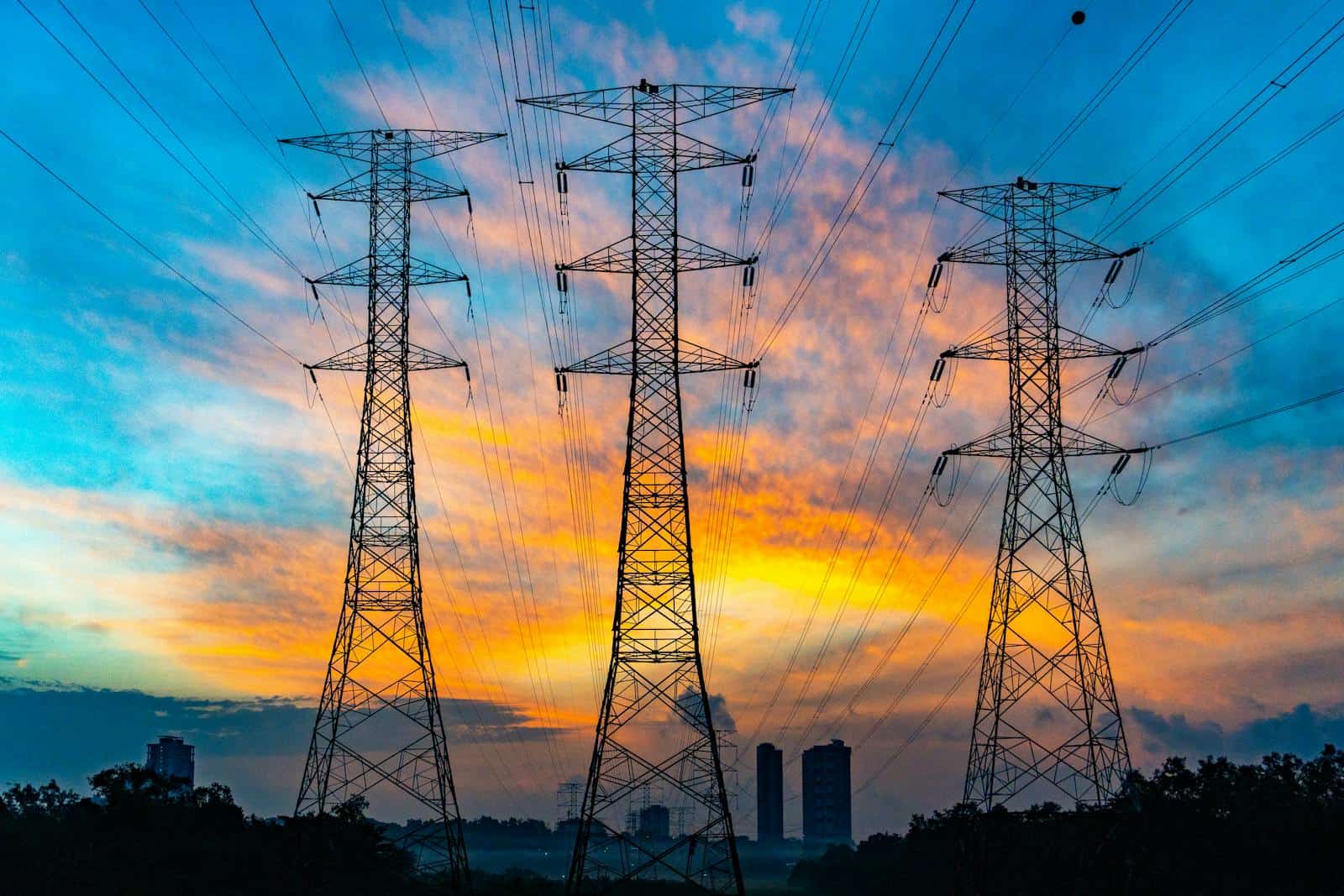
Physical bombardment pulverizes roads, power grids, and water treatment facilities in a matter of hours. Replacing those vital physical assets takes decades of dedicated investment and labor. Without functional infrastructure, basic commerce simply cannot operate.
Power outages disrupt factory production while broken roads keep agricultural goods from reaching markets. Communities spend years trying to rebuild what took moments to demolish. The long shadow of physical destruction keeps national growth pinned to the floor.
Key Takeaway

Economic destruction caused by conflict and sanctions is swift, deep, and long-lasting. While political disputes play out on the world stage, regular households carry the heaviest financial and emotional burdens. Rebuilding stable markets requires open diplomacy, restored trade routes, and years of patient investment.
Disclaimer – This list is solely the author’s opinion based on research and publicly available information. It is not intended to be professional advice.
Like our content? Be sure to follow us