13 tax breaks you can claim after you turn 50
The years after 50 can quietly become your most powerful window to pay less in taxes and save more for the future.
Hitting your fiftieth birthday feels like stepping into a brand new chapter of life with better wisdom and slightly creakier knees. The good news is that crossing this milestone unlocks a treasure chest of perks from the Internal Revenue Service. Many folks overlook these financial advantages because tax codes read like ancient hieroglyphics. However, grabbing these opportunities can keep significantly more cash in your wallet right now.
The year 2026 brings fresh changes and higher limits that can seriously boost your retirement nest egg. You have worked hard for your money, so it makes total sense to let the tax rules work hard for you. Whether you want to supercharge your investments or cut down your annual tax bill, these strategies pack a heavy punch.
Higher Limits For Workplace Retirement Accounts

Turning fifty gives you a green light to funnel extra cash into your employer-sponsored retirement plan. Workers can toss an additional $8,000 into their 401k accounts as a catch-up contribution in 2026. This massive bump helps you make up for lost time if you started saving a bit late in life.
Investopedia reports the median 401k balance for Americans ages 45 to 54 is just $78,730 right now. Using this tax break is a surefire way to push your account balance out of the danger zone. Every extra dollar you save before taxes lowers your current taxable income by that same amount.
The Super Catch Up For Ages Sixty To Sixty Three

A brand new rule takes effect in 2026 for folks who hit the magical ages of sixty to sixty-three. The federal government now allows a super catch-up contribution of $11,250 for these specific individuals. This represents a phenomenal opportunity to stash away a mountain of cash just before you officially retire.
An AARP survey finds that 20 percent of adults ages 50 and older have absolutely no retirement savings. If you find yourself behind the eight ball, this extra allowance could literally save your golden years. You can dramatically lower your tax burden while building a solid safety net for the future.
Increased Caps On Traditional And Roth Individual Retirement Accounts
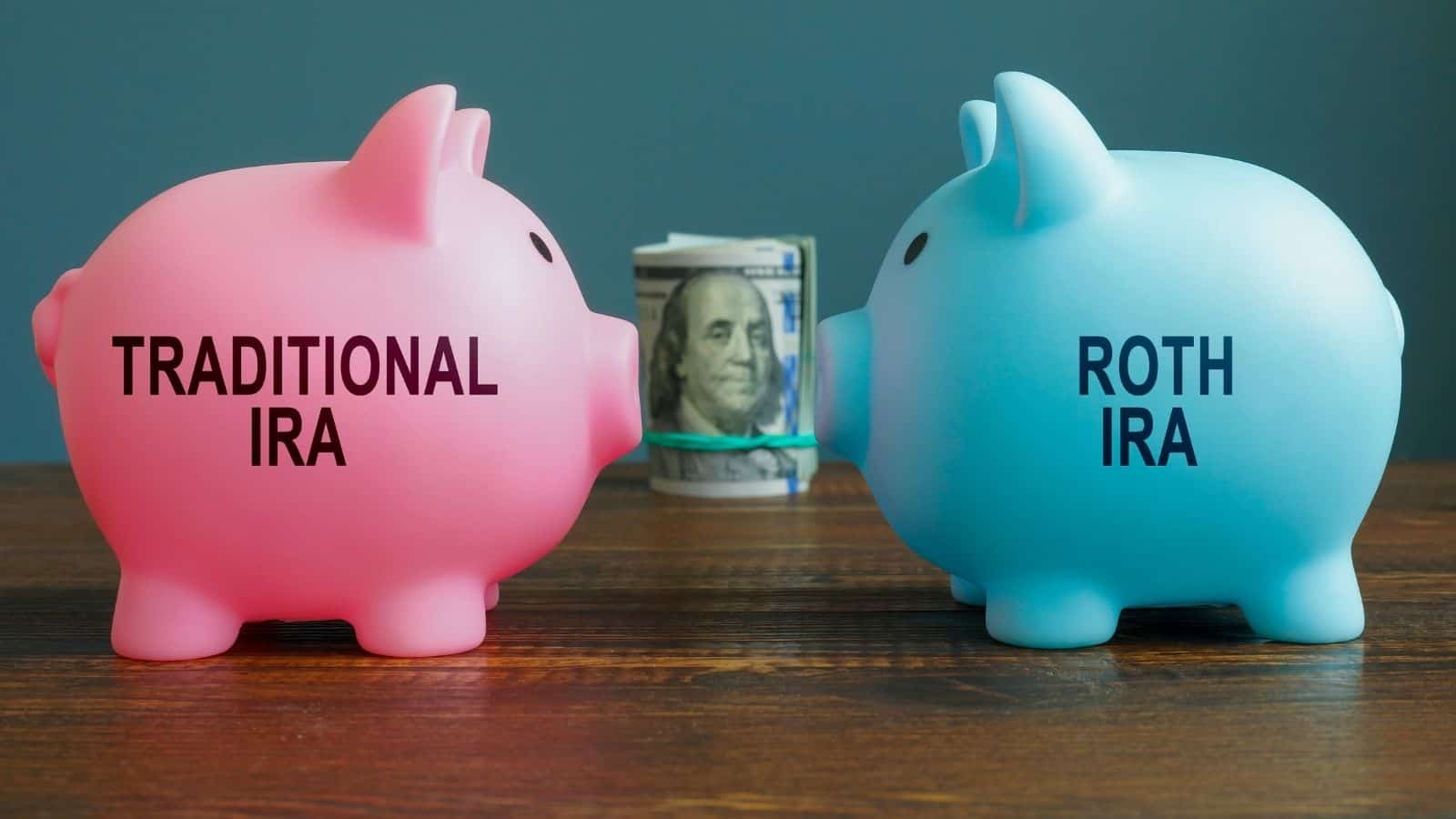
Your workplace plan is not the only place where the government cuts you some much-needed slack. Anyone aged fifty or older can stash an extra $1,100 into their Individual Retirement Account for the 2026 tax year. This pushes the total allowable IRA contribution up to a sweet $8,600 overall.
Empower data shows Americans in their 50s have an average retirement balance of roughly $1,050,481 today. Growing your personal investments through these accounts offers a fantastic shield against greedy tax brackets. You get to choose between upfront tax deductions or completely untaxed withdrawals down the road.
Health Savings Account Catch Up Rules

Medical expenses tend to creep up as the candles multiply on your birthday cake. If you use a qualifying high-deductible health plan, turning 55 unlocks a $1,000 catch-up allowance. This pushes your total potential individual contribution up to $5,400 for the year.
An AARP survey notes that 61 percent of adults over fifty are worried they will not have enough money for retirement. Funnelling money into this specific account gives you a triple tax advantage that is hard to beat. Your contributions go in untaxed, grow untaxed, and come out completely free of taxes for medical bills.
The Bigger Standard Deduction For Seniors

Blowing out sixty-five candles brings a very specific and automatic perk from the tax man. The IRS grants a larger standard deduction to taxpayers who reach their 65th birthday. This means you can shield a bigger chunk of your regular income without itemizing a single receipt.
The U.S. personal savings rate dropped to 2.6 percent in early 2026 as inflation squeezed household budgets. Claiming this higher deduction leaves more money in your checking account to cover everyday living costs. It is a totally effortless way to shrink your tax bill and keep your finances healthy.
Deductions For Spousal Retirement Contributions

Couples often face a situation where one person stops working to manage the household or care for aging parents. A working spouse can fund an IRA for their non-working partner and claim the tax deduction. This brilliant maneuver effectively doubles the amount of tax-sheltered money your household can save annually.
An AARP report shows 37 percent of adults over fifty are worried about covering basic expenses like food and housing. Taking advantage of this spousal rule helps both partners build a secure financial fortress. You lower your joint tax liability today while guaranteeing a richer tomorrow for your entire family.
Penalty-Free Withdrawals Under The Rule of Fifty-Five

Retiring early sounds like a dream until you realize the IRS normally slaps a penalty on early withdrawals. However, leaving your job in or after the year you turn 55 lets you tap your current 401k without the 10 percent penalty. This little-known loophole is officially called the rule of fifty-five.
You must leave your funds in the employer plan to qualify because rolling them into an IRA kills the exemption. This strategy works wonders for people who want to bridge the gap before Social Security kicks in. Just remember that you still have to pay regular income tax on the money you take out.
Qualified Charitable Distributions From Retirement Accounts

Philanthropic folks who reach age seventy and a half get a magical tool for supporting their favorite causes. You can transfer up to $105,000 directly from your IRA to a qualified charity without paying a dime in taxes. This move satisfies your required minimum distributions while keeping your taxable income artificially low.
Writing a regular check to a charity only helps your taxes if you itemize your deductions. Sending the money straight from your retirement account skips the tax hit entirely regardless of how you file. It is an incredibly smart way to give back while sticking it to the tax man.
Larger Allowances For Small Business Retirement Plans

Small business owners and their employees get a piece of the catch-up action too. Workers who participate in a SIMPLE IRA plan can stash an extra $4,000 into their accounts in 2026. This gives entrepreneurs a fantastic opportunity to hide more profits from the IRS.
Running a business takes a toll, and putting money away for yourself often takes a back seat. Taking advantage of these higher limits helps you catch up quickly when your company finally turns a solid profit. Every extra dollar you contribute brings down your overall tax liability for the year.
State Level Property Tax Freezes And Exemptions

Federal taxes are only one part of the equation when protecting your hard-earned wealth. Many local governments offer massive property tax breaks for homeowners once they hit age 65. These programs can freeze your home valuation or completely exempt a portion of its value from taxes.
You usually have to apply for these benefits through your county assessor because they are rarely automatic. Shaving hundreds or thousands of dollars off your property tax bill frees up cash for fun activities. It pays to call your local tax office and ask exactly what age-based discounts they offer.
Writing Off Heavy Medical And Dental Expenses

Getting older sometimes means spending way more time at the doctor than you ever wanted to. The IRS allows you to deduct qualifying medical expenses that exceed 7.5 percent of your adjusted gross income. This threshold makes it entirely possible to write off major surgeries or expensive dental implants.
You have to itemize your taxes to claim this particular benefit on your annual return. Keeping track of all your copays and prescription receipts throughout the year can yield a massive refund. Do not forget to include the cost of travel to out-of-town medical specialists in your calculations.
Tax-Free Sale Of Your Primary Home

Empty nesters frequently decide to downsize once the kids finally pack up and move out. The tax code lets married couples exclude up to $500,000 of profit from the sale of their primary residence. Single filers can walk away with up to $250,000 in pure tax-free gain.
You must have lived in the house for at least two of the past five years to qualify. This massive exemption allows you to turn your home equity into a completely untaxed retirement war chest. It is arguably the single biggest tax break available to regular middle-class Americans today.
The Federal Savers Credit Program

Lower-income earners get a direct reward from the government for putting money away. The Federal Savers Credit gives you a dollar-for-dollar reduction on your tax bill just for contributing to a retirement account. This is a true credit that wipes out your taxes rather than a simple deduction.
The rules phase out completely once your income crosses a certain threshold, so watch your earnings closely. Taking advantage of this credit feels like getting free money directly from the federal government. It provides a phenomenal incentive to prioritize your future even when your budget feels incredibly tight.
You may also want to read:
- Americans are still planning to retire, but retirement math feels more fragile in 2026
- Why Americans are refusing to adopt traditional retirement plans: 12 forward-thinking reasons
- Why retirement planning is making so many Americans lose sleep at night