13 jobs that could shrink dramatically as AI and automation take over
America’s fastest-disappearing jobs are changing faster than many workers realize.
For generations, choosing a career meant finding a stable profession, building experience, and expecting that knowledge to remain valuable for decades. But technology, automation, and artificial intelligence are changing that equation faster than many people expected.
Some jobs that once seemed secure are now facing major disruption as companies turn to software, machines, and AI-powered tools to handle tasks that once required human workers. For people planning their future, or reconsidering their current career, the biggest question is no longer just “What pays well?” but “What skills will still matter years from now?”
These are the careers facing some of the biggest changes in today’s evolving job market.
Data Entry Keyers

Typing information into a database used to be a guaranteed way to make a steady living. According to the Bureau of Labor Statistics, employment of data entry keyers is projected to drop 25.9 percent by 2034. Companies now use optical character recognition software to pull text straight from digital documents.
This software works much faster and costs significantly less than a human employee. You will find yourself competing against computer programs that never need to take a break or sleep. It makes much more sense to learn data analysis rather than basic data entry.
Word Processors And Typists

Voice recognition software has improved drastically over the last few years. A massive decline in typing jobs is expected over the next decade. Medical and legal offices no longer need dedicated staff just to transcribe notes.
Professionals simply speak into their smartphones to generate perfectly formatted text files instantly. Pursuing a career purely based on typing speed is a guaranteed ticket to unemployment. You should shift your focus to roles requiring critical thinking and human empathy instead.
Switchboard Operators
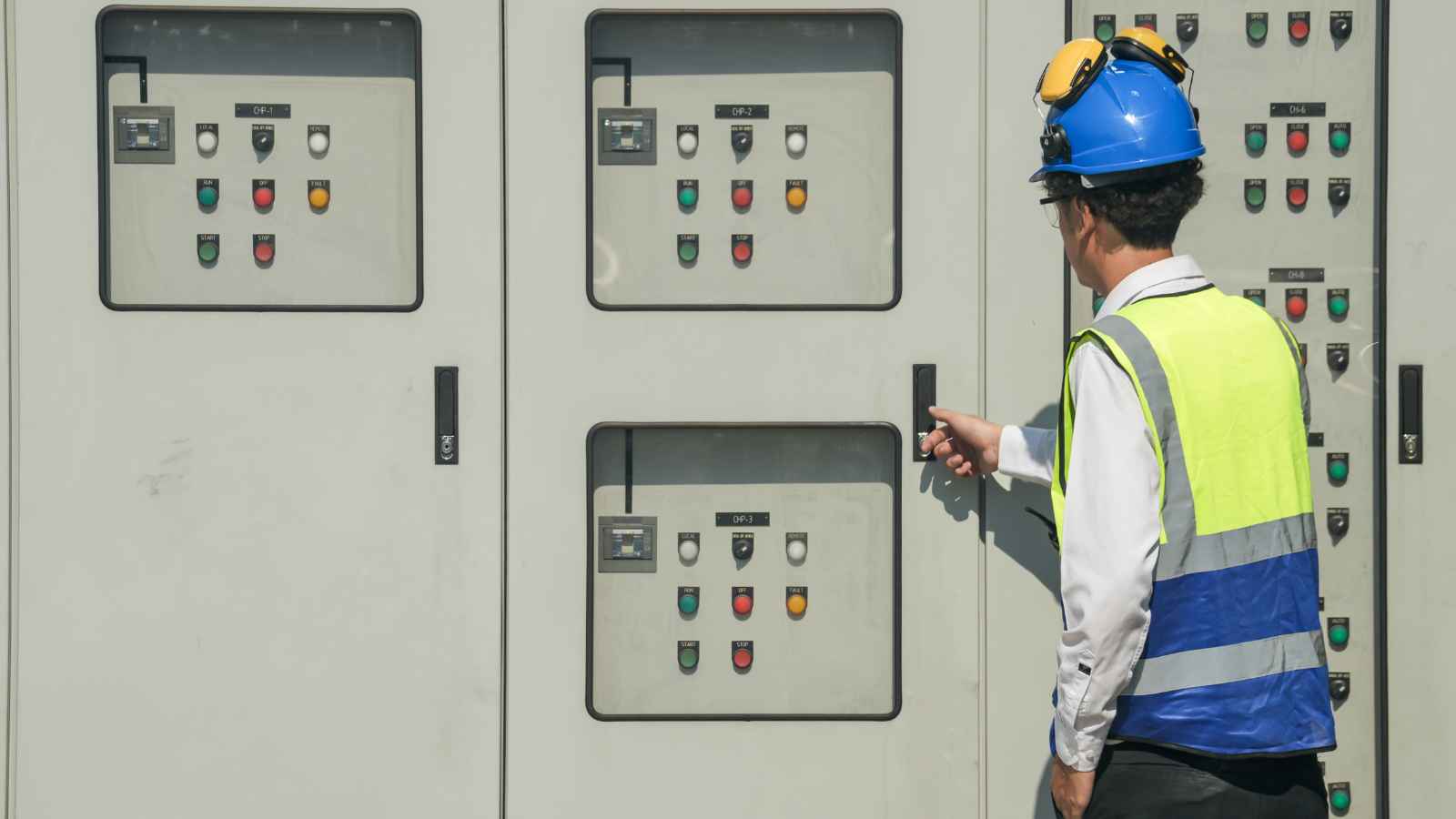
Connecting calls manually is a relic of the past that completely vanished from modern business. Automated phone menus and voice-activated directories handle almost all corporate communications right now.
Virtual receptionists can route thousands of customer calls simultaneously without breaking a sweat. People hate getting stuck on hold, but companies love the money they save with automated systems. Customer service requires advanced problem-solving that basic routing simply does not offer anymore.
Telemarketers

Nobody likes answering a phone call during dinner just to hear a sales pitch. Federal regulators have drastically increased fines for companies breaking strict outbound calling laws. Spam filters on smartphones automatically block these calls before they even ring.
Companies realize that cold calling yields terrible conversion rates compared to targeted digital advertising. Social media campaigns and automated email funnels are the new kings of modern marketing. You will have a much better career if you learn digital strategy rather than phone sales.
Bank Tellers

Walking into a physical bank branch is becoming incredibly rare for most Americans. Mobile banking apps allow you to deposit checks and transfer funds from your living room. The Bureau of Labor Statistics projects a 13 percent decline in bank teller jobs by 2034.
Automated teller machines also handle cash dispensing without requiring a human behind a counter. Banks are closing physical locations at record rates to save massive amounts of overhead money. Financial institutions want advisors who can sell investments rather than clerks who just handle cash.
Cashiers

Grocery stores and fast food restaurants are installing self-checkout kiosks everywhere you look. Federal labor officials project a 10 percent decline in cashier employment over the next ten years. Customers often prefer scanning their own items to avoid interacting with a tired employee.
Mobile ordering apps eliminate the need for a person to take your payment. Retailers love these kiosks because they reduce labor costs and speed up the checkout process. If you want to work in retail, aim for store management or supply chain logistics instead.
Travel Agents

Booking a family vacation used to require an afternoon sitting in a travel agency office. Online booking platforms now let anyone compare flights and hotels in a matter of seconds. The internet essentially turned every consumer into their own personal vacation planner.
Airlines and hotels offer better deals directly on their websites to cut out the middleman completely. Very few people are willing to pay extra commission fees just to book a standard trip. You might find niche work in luxury travel, but the general agent job is basically dead.
Meter Readers

Utility companies used to employ armies of workers to check electricity and water usage manually. Smart meters now transmit this data directly to the utility office through wireless signals automatically. These digital upgrades eliminate the need for physical property visits every single month.
Cities save millions of dollars by firing meter readers and installing remote monitoring equipment. You do not want to train for a job that a simple radio transmitter does better. Utility workers should pursue electrical engineering or system maintenance instead of manual reading.
Fast Food Cooks

Flipping burgers might seem like a staple of the American teenage employment experience. Large restaurant chains are heavily testing robotic arms to fry potatoes and assemble sandwiches right now. The Bureau of Labor Statistics expects a massive 13.5 percent decline in fast food cook jobs by 2034.
Profit margins in the food industry are incredibly tight due to rising ingredient costs. Franchise owners will gladly replace human cooks with automated kitchens to survive financially. Culinary students should focus on fine dining and creative menu development rather than fast food.
Parking Lot Attendants

Handing over cash to leave a parking garage is incredibly frustrating for busy drivers. Automated payment terminals accept credit cards and scan license plates in a fraction of a second. Garage owners install these machines because human attendants are simply too expensive to keep around.
Mobile apps even allow drivers to reserve and pay for their spots ahead of time. Nobody wants to roll down their window and deal with paper tickets anymore. This entire profession will vanish as cities push for fully automated smart parking infrastructure.
Toll Booth Operators
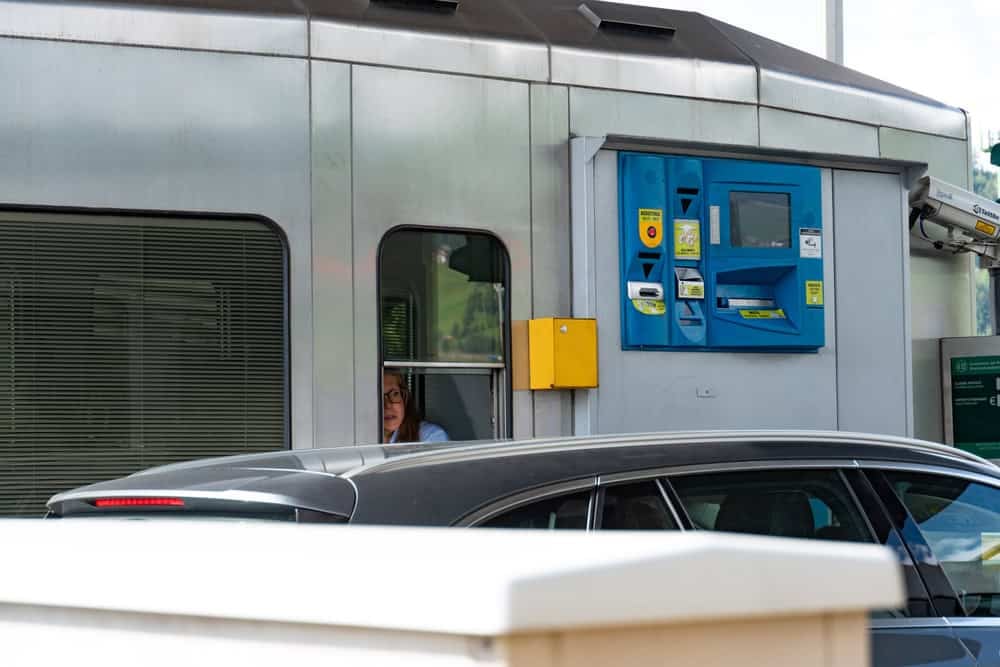
Stopping your car on a busy highway to toss coins in a bucket causes massive traffic jams. Electronic toll collection systems scan transponders and bill drivers automatically at high speeds. State governments are actively demolishing old toll plazas to keep cars moving smoothly on interstates.
Cameras read the license plates of vehicles without transponders and mail them a bill later. Highway departments save taxpayer money by eliminating operator salaries and related health benefits. There is absolutely no future in sitting in a tiny booth breathing exhaust fumes all day.
Print Newspaper Delivery

Waking up at dawn to throw papers onto driveways is a completely outdated concept. Digital media subscriptions dominate the news industry while physical circulation numbers drop every single year. Most people get their morning news directly from social media feeds or phone notifications instantly.
Printing facilities are shutting down rapidly as local newspapers merge or go completely bankrupt. The environmental cost of printing physical papers also pushes publishers to digital formats. Media professionals should focus strictly on digital journalism and video production to stay relevant.
Mail Sorters

Processing mountains of paper mail by hand was once a massive source of government employment. The Bureau of Labor Statistics expects a 5 percent drop in postal service jobs by 2034. Advanced optical character recognition machines now scan and route thousands of envelopes per minute automatically.
Package sorting still requires some humans, but letter sorting is fully mechanized at this point. You will struggle to find stability in an industry competing with instant electronic communication. Logistics experts should focus on final-mile package delivery and warehouse management software instead.
QUESTION FOR READERS: Has automation already affected your workplace?
Like our content? Be sure to follow us