12 things single women choose instead of marriage or partnership
Ever feel like the old-school fairytale ending—prince, white picket fence—is a little… outdated? You’re not just feeling things; you’re seeing a massive cultural shift.
Let’s be real. The world has changed. A lot. Back in 1970, a whopping 71% of all U.S. households were headed by a married couple. Fast forward to today, and that number has dropped to just 47%, according to the U.S. Census Bureau.
It’s not that marriage is “dead,” but the timeline has definitely been rewritten. In 1956, the average woman got married for the first time at age 20. In 2024? That age has jumped to 28.6. With over a third of the entire U.S. adult population identifying as single, it’s clear that walking down the aisle isn’t the urgent, all-consuming goal it once was.
So, what’s happening? This isn’t a story about women rejecting partnership; it’s about them enthusiastically choosing to build rich, multifaceted lives where a relationship is an addition, not the main event. They’re investing their time, money, and energy elsewhere. And frankly, the returns are incredible. Here are 12 things single women are choosing for themselves instead.
They’re climbing the corporate ladder
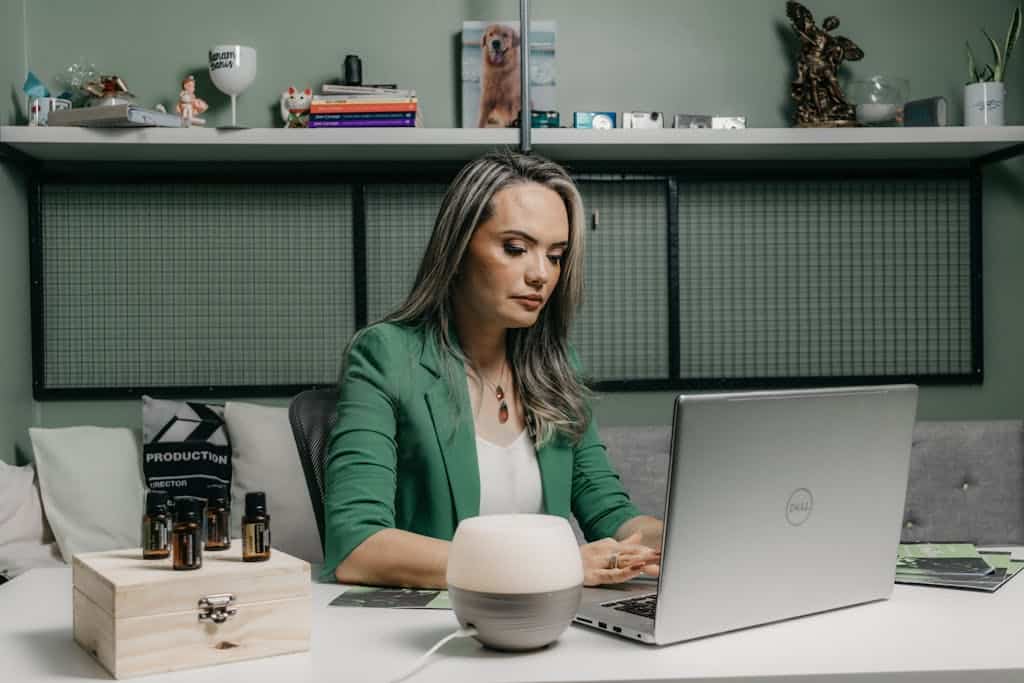
Forget waiting for a knight in shining armor; modern women are busy building their own empires. Over the last decade, women have been steadily increasing their presence at every single level of corporate management. Think about this: A McKinsey study found that in 2015, only 17% of C-suite positions were held by women. By 2024, that number had jumped to 29%.
Of course, it’s not all smooth sailing. The infamous “broken rung” on the corporate ladder remains a significant issue. For every 100 men who get promoted to a manager role, only 81 women get the same opportunity. And that pesky gender pay gap? It’s still here, with women earning about 85 cents for every dollar a man makes.
But that’s precisely why this choice is so powerful. Focusing on a career isn’t just about ambition; it’s a strategic move for economic freedom. Building a solid career provides an essential safety net in a world where financial independence is the ultimate security.
They’re earning more degrees than ever before
Once upon a time, women went to college to get their “MRS. Degree.” Now, they’re going to get their B.A., M.A., and Ph.D.—for themselves.
There has been a significant and undeniable shift in the gender balance in higher education. Women began earning more bachelor’s degrees than men in the mid-1980s, and they haven’t looked back since.
The gap is only getting wider. A study published in The Russell Sage Foundation Journal of the Social Sciences states that in 2022, among adults aged 25 to 29, 44% of women had finished a bachelor’s degree, compared to just 35% of men. They’re also more likely to enroll in college right after high school and have better six-year completion rates (65% for women versus 61% for men).
This isn’t just about a love of learning; it’s about rewriting the rules of success. For generations, marriage was often the primary path to financial stability for women. Today, a college degree is. This shift has completely changed the game, making education a non-negotiable first step before even thinking about a long-term partnership.
They’re buying homes all by themselves

The dream of homeownership is no longer tied to a marriage certificate. Single women are flooding the real estate market and proving that you don’t need a partner to own a piece of the American dream.
In 2023, single women made up 19% of all homebuyers, according to the National Association of Realtors®. That’s almost more than double the share of single men, who came in at just 10%. This isn’t a fluke; it’s a four-decade trend. For as long as the data has been tracked, single women have consistently bought more homes than single men.
All told, single women own about 2.72 million more homes in the U.S. than their male counterparts do.
So what gives? For single women, buying a home is about more than just an investment; it’s about planting roots and building a stable life. They are more likely than men to buy a home to be close to friends and family, creating a physical anchor for their support system. It’s a powerful move that decouples homeownership from partnership and redefines what a “household” can be.
They’re building their own financial security
Financial literacy is the new love language, and women are becoming fluent. They’re taking control of their money, learning to invest, and building wealth on their own terms.
While women still report feeling less confident about investing than men do, their actions tell a different story. A 2021 Fidelity study revealed that 67% of women were investing their money outside of retirement accounts. That’s a huge leap from just 44% in 2018.
And guess what? They’re really good at it. On average, women’s investment portfolios outperform men’s by 0.4% annually. Why? Experts believe it’s because women tend to be more patient, long-term investors, rather than making frequent, reactive trades.
This intense focus on building wealth isn’t a casual hobby; it’s a survival strategy. They are actively seeking the tools to build the financial fortress they need to thrive, with or without a partner.
They’re stamping their passports, solo

The new “Eat, Pray, Love” isn’t about finding a man; it’s about finding yourself—in another country. Solo travel is exploding in popularity, and it’s a movement led almost entirely by women.
Get this: a jaw-dropping 84% of all solo travelers are women. The motivation isn’t what you might think. It’s not about a lack of people to travel with. It’s a conscious choice for freedom, adventure, and personal growth. When asked, 87% of solo female travelers reported that their primary reason for traveling alone was the “freedom and flexibility” to do as they please, whenever they want.
They’re investing in their “tend and befriend” networks
Forget soulmates; many women are focusing on their “soulsisters.” And science says that’s a brilliant move for their health and happiness.
A landmark UCLA study completely changed our understanding of stress. While men often have a “fight or flight” response, researchers found that women are wired differently. When stressed, their brains release oxytocin, the “bonding hormone,” which pushes them to “tend and befriend”—to nurture those around them and seek connection with other women.
This isn’t just a feeling; it’s a biological imperative. Connecting with female friends actually lowers levels of the stress hormone cortisol and creates a calming effect.
For an increasing number of single women, this network of friends isn’t just a social circle; it’s their primary support system. These chosen families provide the emotional intimacy, practical help, and unwavering support that are foundational to their well-being.
They’re dedicating time to personal passions and hobbies
In a world that constantly demands women’s time and energy, claiming a few hours for a personal hobby has become a radical act of self-care.
Let’s be honest, women get less free time. The U.S Bureau of Labor Statistics reports that on an average day, men enjoy about 5.5 hours of leisure, while women get 4.7 hours. That gap is largely due to the fact that women still perform approximately 60% more unpaid labor, such as cooking, cleaning, and childcare.
But single women are pushing back. They are deliberately carving out time for passions that are unapologetically their own, whether it’s pottery, hiking, learning a language, or mastering the perfect sourdough.
By investing in their hobbies, women are making a powerful statement: my time, my joy, and my identity outside of my job or relationship status matter. It’s not just about filling time; it’s about filling their own cups first.
They’re prioritizing their physical and mental wellness

Wellness isn’t just a buzzword; it’s a multi-billion-dollar industry, and women are its most dedicated disciples. From boutique fitness classes and meditation apps to organic skincare and therapy, women are investing heavily in their well-being.
This focus is a direct response to the unique pressures they face. The Mental Health Foundation reports that one in five women experiences a common mental health disorder like anxiety or depression, compared to just one in eight men. The modern world is stressful, and women are feeling it acutely.
The wellness movement recognizes that you can’t separate the mind from the body. Spas and wellness centers are increasingly offering services that integrate mental and physical health, such as stress-reducing massages and mood-boosting aromatherapy. For single women juggling careers, finances, and social lives, this isn’t an indulgence. It’s essential maintenance.
Key Takeaway
To put it simply, the modern single woman isn’t waiting for her life to start. She’s the main character, the architect, and the builder of her own existence.
From buying homes and building wealth to traveling the world and strengthening their communities, women are choosing to invest in themselves first. A relationship, if it comes, is a welcome addition to an already full and vibrant life—not the key that unlocks it. They are redefining success on their own terms, and the data shows this is more than a trend; it’s a revolution in how women live.
6 tips for successful weight loss for women in 2025
6 Tips For Successful Weight Loss For Women in 2025
Successful weight loss for women often calls for an individualized approach, taking into consideration the unique physiological, psychological, and lifestyle factors that influence a woman’s weight. It’s not just about adopting a generic calorie-restricted diet or a strenuous exercise regime. Instead, it encompasses a holistic view of health, including balanced nutrition, regular physical activity, adequate sleep, and stress management.
In this article, we will walk you through a step-by-step guide to help you on your fitness journey and discuss how Ozempic may benefit your weight loss routine.