12 subtle things service staff notice when women dine out
A quiet shift is happening at restaurant tables, and the numbers prove it. In 2024, women spent 33% more per month dining out than men, a sharp reversal from the year before, according to GloriaFood POS.
The change isn’t loud, but it’s steady. You see it in the way tables fill, in the rhythm of conversation, and in how orders are placed without hesitation. What once felt routine now carries subtle signals that staff learn to read quickly.
Step into any busy dining room, and you’ll notice patterns forming beneath the surface. Servers, hosts, and managers aren’t just taking orders. They’re observing behavior, tone, timing, and small choices that reveal far more than what ends up on the plate.
The way you scan the menu before anyone speaks

The soft rustle of paper or the glow of a phone menu lights your face as you pause before saying a word. You don’t rush. Your eyes move carefully, comparing options, weighing details others might skip.
Servers notice this immediately because it often signals intent. A Clootrack study found that food variety ranks among the top drivers for women but not for men, based on over 127,000 reviews. That quiet pause isn’t hesitation. It’s a selection with purpose.
That moment shapes how staff approach the table. They slow down, offer options, and prepare for questions. It reflects a broader shift where choice matters more than speed, and where dining feels less like a transaction and more like a decision you want to get right.
The subtle confidence in how you order
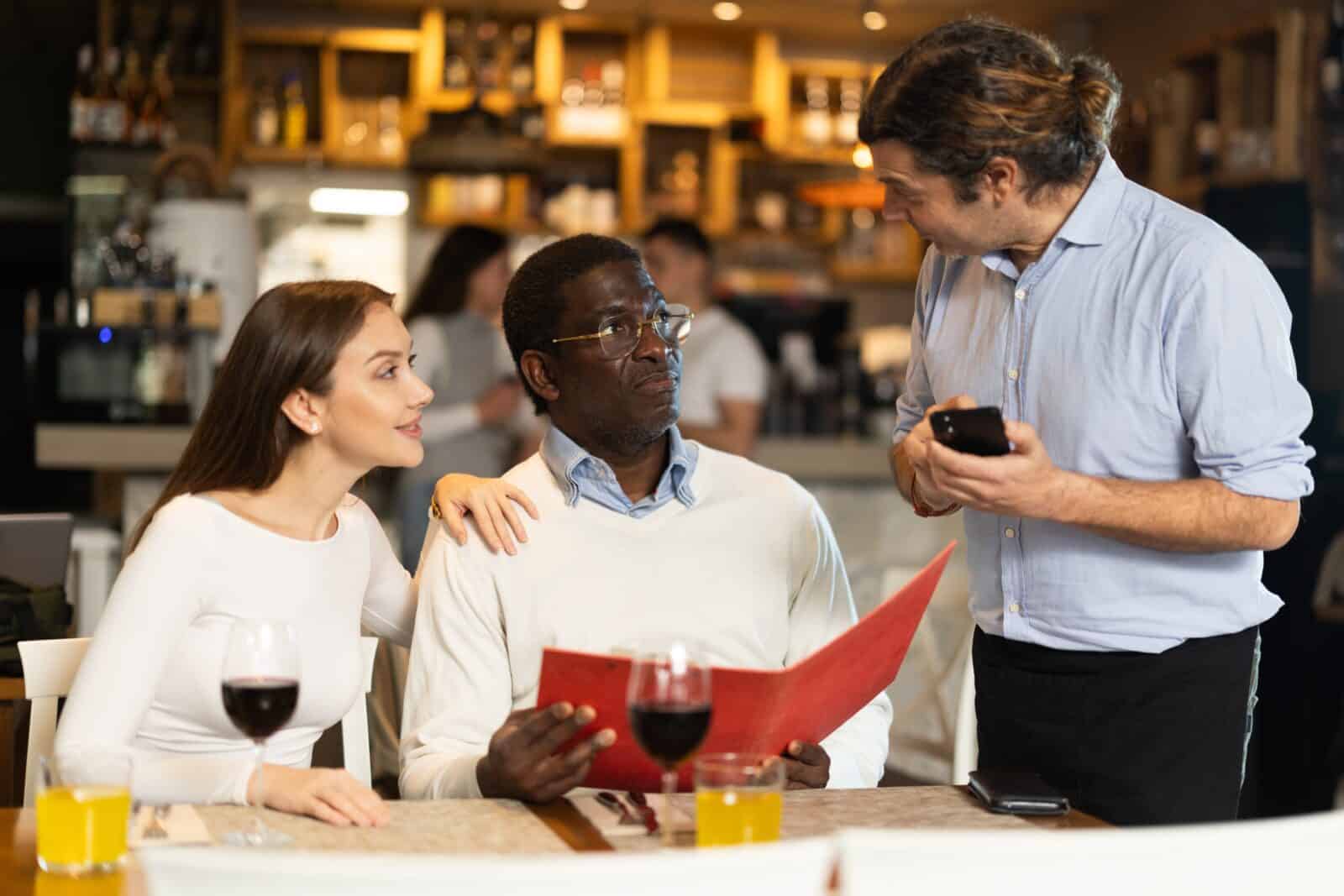
The low hum of conversation fades as your voice cuts through clearly. You don’t glance around for approval. You order with certainty, sometimes adding a small tweak without second-guessing.
Staff recognize this tone because it aligns with spending behavior. According to Escoffier and US Foods data, Americans spent an average of $191 per month on dining out in 2024, up from $166 the year before, with women leading the increase.
That confidence changes how servers respond. They suggest add-ons, recommend pairings, and trust your decisions. It signals that you’re not just participating in the meal. You’re driving it.
The rhythm you set for the table

The clink of glasses and soft laughter build as conversation flows. You guide the pace without announcing it, letting moments stretch or shift as the mood dictates.
Servers pay close attention because group dynamics often center around one person. Industry observations cited by The New York Times show that about 70% of diners in popular restaurants are women eating with friends.
That influence shapes everything from timing to table turnover. Staff learn to follow your lead because the energy you set determines how long the table stays, how much is ordered, and how the experience unfolds.
It also affects how often servers return to the table, when they suggest another round, and how they pace each course without interrupting the flow. Over time, this quiet control turns a simple meal into a shared experience that feels both natural and intentional.
The quiet check for cleanliness before you settle in

The faint scent of sanitizer or leftover dishes lingers as you glance across the table surface. Your eyes catch small details before you fully relax into your seat. This behavior stands out because it often signals standards.
With 69% of U.S. restaurant employees being women, according to Restroworks, staff are especially attuned to these checks and often mirror them in their own work. It creates an unspoken exchange. You expect care, and they respond with attention.
That silent moment sets the tone for trust before a single bite arrives. It can influence how quickly a server wipes a surface again, replaces cutlery, or adjusts small details without being asked. Over time, these quiet signals shape the level of service you receive and how comfortable you feel settling in.
The small modifications you make without apology

The scratch of a pen or a quick note on a handheld device follows your request. Dressing on the side. A swap here, a slight change there. Staff sees this as part of a larger pattern.
Restroworks reports that women are driving fast-casual growth with healthier, more customized choices, from plant-based meals to lighter options. These requests aren’t seen as difficult. They’re expected. They signal awareness of what you want and a willingness to shape the experience to fit you.
They also help servers anticipate future needs, from extra sides to ingredient questions, without waiting to be asked. Over time, this level of clarity builds a smoother service experience, with fewer mistakes and a meal that feels more aligned with your preferences from start to finish.
The way you notice timing more than you say

The ticking seconds between courses stretch just enough for you to feel it. You don’t always mention it, but your posture shifts, your eyes scan, your attention sharpens. Servers are trained to catch these cues because dining frequency is rising.
OpenTable data shows dining out increased 8% year over year in 2025, with Americans projected to eat out about 10 times monthly in 2026. More visits mean sharper expectations. Timing becomes part of the experience, and even small delays carry more weight than before.
Staff begin to adjust in real time, pacing dishes, checking in more often, or speeding up transitions between courses. Over time, this heightened awareness turns timing into a silent measure of quality, where even a few extra minutes can shape how the entire meal is remembered.
The glance you exchange with friends before deciding

A quick look passes across the table. No words, just a shared signal before someone speaks for the group. Staff recognize this as social coordination.
With women driving group dining trends, as noted by industry insights, these silent cues often determine whether the table orders more, shares plates, or lingers longer. It shows how decisions are rarely individual. They’re shaped in real time, through connection, not just preference.
Servers learn to read these glances as turning points, adjusting their timing or suggestions to match the group’s unspoken direction. Over time, these brief exchanges influence the entire flow of the meal, from how much is ordered to how long the table remains engaged.
The balance between indulgence and restraint

The rich aroma of butter or grilled meat fills the air, but your choice lands somewhere in between. Something satisfying, but not excessive. This reflects a broader trend.
Health-conscious ordering continues to rise among women, with reports of increased demand for lighter, plant-based meals. Servers adjust accordingly. They highlight balanced dishes and flexible options, knowing the goal isn’t just about taste but also about how the meal fits into a larger lifestyle.
They may suggest swaps, portion adjustments, or sides that complement your choice without adding heaviness. Over time, this balance shapes menu design and service style, where satisfaction is measured not just by flavor, but by how you feel long after the meal ends.
The awareness of value beyond price

The soft tap of your card or phone ends the meal, but your expression lingers on the overall experience, not just the bill. This matters because spending patterns have shifted.
GloriaFood POS data shows women are now key economic drivers in restaurants, influencing how value is defined and delivered. It’s not about paying less. It’s about feeling the experience matched what you invested. Staff know that satisfaction here leads to return visits.
They watch for subtle cues in your reaction, from a slight pause to a relaxed nod, to gauge how well the service met your expectations. Over time, these signals guide how restaurants refine their approach, shaping everything from menu pricing to the small touches that visitors feel are worth it.
The way you respond to staff energy

A warm greeting meets your calm nod or bright smile. The exchange is brief, but it sets the tone instantly. Clootrack data shows men rank staff behavior among top priorities more often, while women focus more on food variety. Still, your response to service energy shapes how interactions unfold.
Servers mirror what they receive. A positive tone often leads to more attentive service, while a neutral one keeps things efficient and direct. They adjust their approach within seconds, choosing whether to engage more, offer suggestions, or simply keep things moving.
Over time, these small exchanges build a rhythm between you and the staff, shaping not just the service you receive but how comfortable and welcomed the entire experience feels.
The comfort you seek, even when dining alone
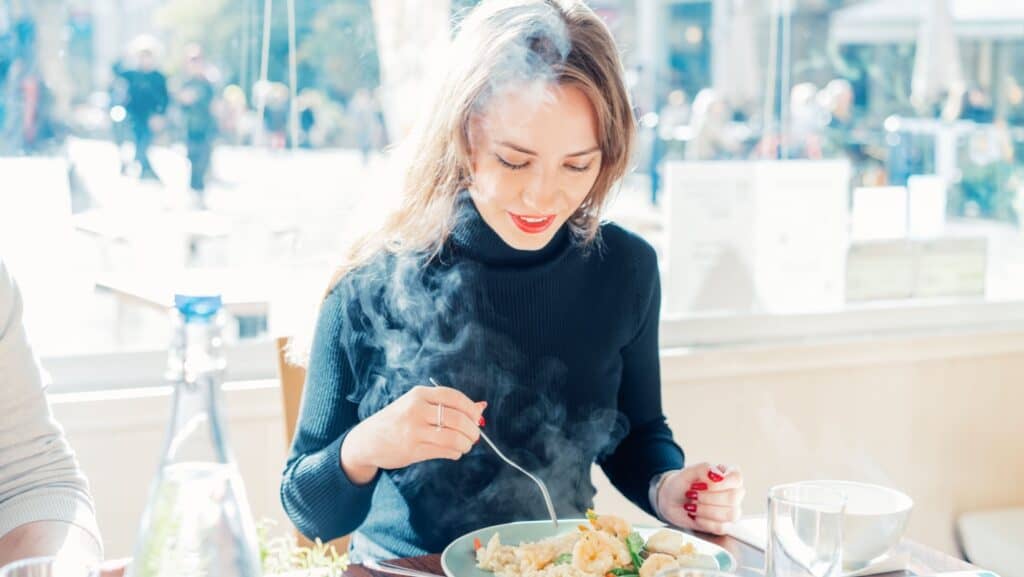
The quiet clink of cutlery feels louder when you’re by yourself. You choose your seat carefully, often with a clear view or a sense of security. This reflects a growing trend.
MediaNews4u reports that solo female dining and travel are key growth areas for hospitality in 2026, with a focus on safety and personalization. Staff notice and adapt. They check in more thoughtfully, offer reassurance through presence, and create a space where being alone doesn’t feel exposed.
They may place you in areas with better visibility, maintain a steady but unobtrusive presence, and respond faster to small requests. Over time, these adjustments build trust, turning solo dining into an experience that feels comfortable, intentional, and fully supported.
The ease with which you return to familiar places

The familiar scent of a favorite dish or the soft lighting you recognize pulls you back in. You settle faster, order smoother, and expect consistency. Frequent short trips and repeat visits are rising, with Travel Daily Media noting a sharp increase in women taking multiple short trips, boosting hospitality demand.
That repeat behavior builds relationships. Staff remembers preferences, anticipate needs, and create an experience that feels less like service and more like recognition.
By the time the check arrives, none of these details feels obvious. Yet they shape everything. From how staff approach the table to how the entire dining room moves, these subtle signals quietly redefine what it means to eat out today.
Disclaimer – This list is solely the author’s opinion based on research and publicly available information. It is not intended to be professional advice
Like our content? Be sure to follow us