12 worst grocery store traps targeting people over 60
Supermarkets are quietly redesigning the shopping experience, and millions of older shoppers are paying the price without realizing it.
Grocery shopping feels like walking through a carefully constructed maze these days. Supermarket layouts change overnight to keep customers guessing and walking down more aisles than they originally planned.
Older adults often bear the brunt of these retail strategies because they typically shop in person on a fixed budget. Stepping into your local store requires a sharp eye and a solid game plan to avoid spending extra cash.
Pharmacy Placed Behind Store Aisles

Supermarkets know that older adults frequently visit the store just to pick up their prescription medications. They place the pharmacy at the very back of the building to force you to walk past thousands of tempting products. According to the Food Marketing Institute in 2025, the average supermarket now spans roughly 42,272 square feet.
This massive floor plan means you have a long trek past the bakery and snack aisles. You might grab a sweet treat or an extra magazine without thinking twice about the cost. Sticking strictly to the perimeter path helps you bypass these middle aisle temptations entirely.
Eye Level Premium Product Pricing

Retailers place the most expensive name-brand goods right at your natural line of sight. They know that bending down or reaching up causes physical strain for older shoppers. The cheaper store brands live on the bottom shelves where they are much harder to spot and grab.
You end up tossing the pricey item into your cart simply because it requires less physical effort. Taking a moment to stretch and scan the bottom shelf can cut your grocery bill significantly. If a lower item catches your eye, do not hesitate to ask a store employee to hand it to you.
Confusing Digital Coupon Smartphone Requirements

Many stores now advertise massive discounts that only apply if you clip a digital coupon on a smartphone application. An AARP survey found that millions of older adults prefer physical coupons over smartphone applications for grocery shopping. This digital divide means seniors often pay the full retail price while younger shoppers get the steep discount.
Cashiers rarely have the power to manually adjust the price if you fail to download the store application. You can ask a family member to load these digital deals onto your account before you leave the house. Paying full price for basic staples hurts your monthly budget significantly over time.
Misleading Health Halo Food Claims
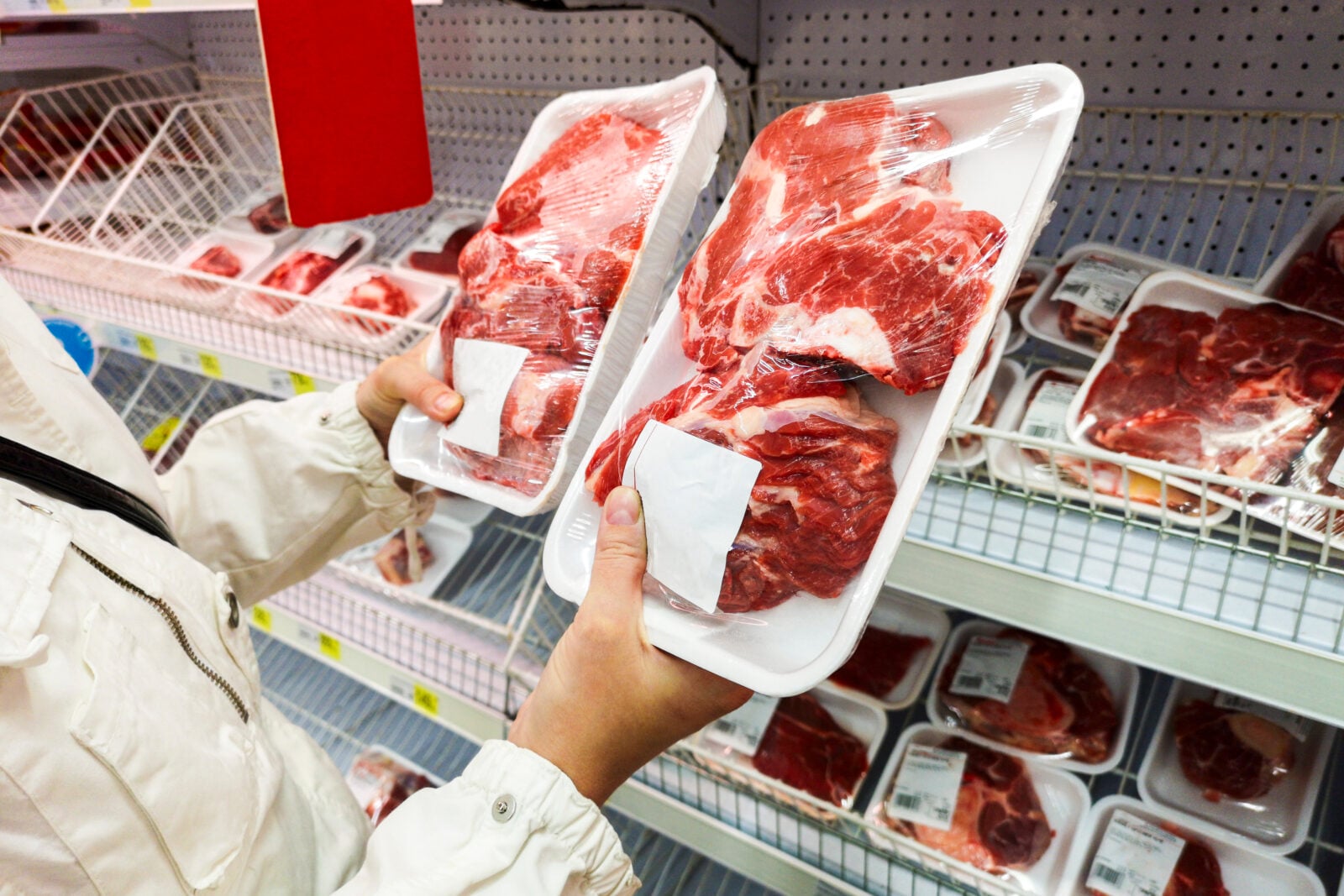
Packaging heavily features buzzwords like natural, organic, and heart-healthy to grab your attention. Brands know that older adults prioritize their physical health and will pay extra for supposed medical benefits. The front of the box often hides the fact that the product contains massive amounts of added sugar or sodium.
Do not let a picture of a green leaf trick you into spending three extra dollars on a box of cereal. You must turn the package around and read the actual nutritional facts printed on the back. Relying on the ingredient list protects your health and keeps extra money in your pocket.
Overpriced Pre-Cut Fresh Fruits

Arthritis and joint pain make chopping whole vegetables difficult for many folks over sixty. Grocery stores capitalize on this physical limitation by pushing expensive containers of sliced melon and chopped onions. A Tasting Table report found that pre-cut fruits and vegetables cost more than their whole counterparts.
Those clear plastic tubs look incredibly convenient when your hands are aching. Buying whole produce and asking a friendly neighbor to help you chop it saves a ton of money. Frozen vegetables offer another affordable alternative that requires absolutely no chopping or peeling.
Oversized Metal Grocery Shopping Carts
Stores provide massive metal carts because human psychology hates the look of space. You feel an incredible urge to fill up that gigantic basket with impulse buys to make the trip feel worthwhile. According to the National Council on Aging, nearly 7 million older Americans experienced some form of food insecurity in 2023, making budget control crucial.
If you only need a few items for the week, do not grab the huge wagon at the entrance. Choosing a hand basket forces you to focus strictly on the items written on your grocery list. Your arms will get tired before you have the chance to blow your entire monthly food budget.
Illusory Senior Citizen Discount Days
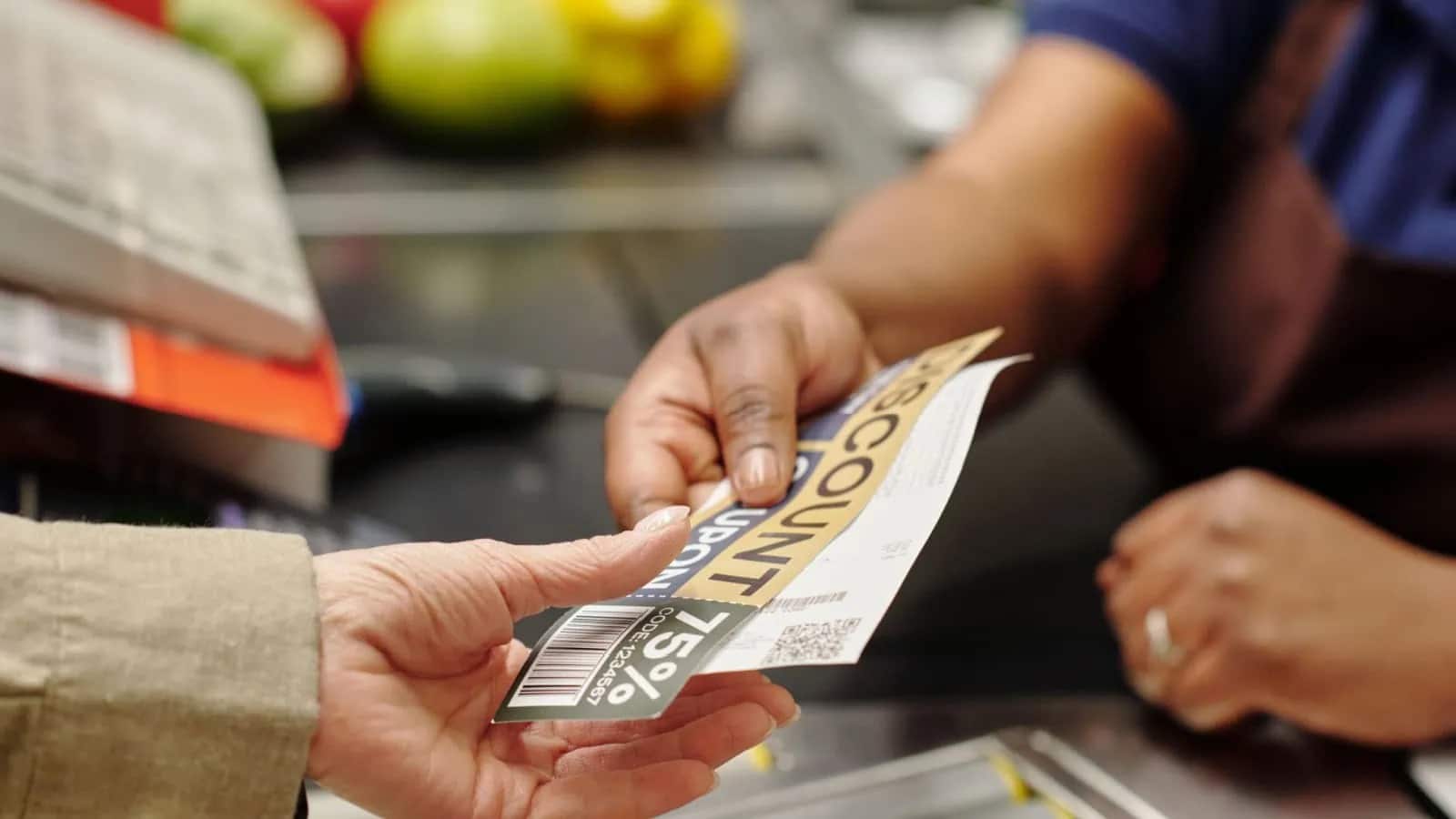
Many supermarkets advertise a specific day of the week where older adults get five or ten percent off their total purchase. Retailers intentionally raise the base prices of staple goods right before this discount day arrives. According to TraceOne, overall grocery prices rose by 2.4 percent in 2025, making these supposed discounts feel like a drop in the bucket.
You might think you are getting a steal, but you actually end up paying the normal price. Shopping on a regular day and using manufacturer coupons often yields a much lower final receipt. Always compare the final cost of your regular items rather than blindly trusting the promotional banner.
Dimly Lit Bottom Shelf Tags

Supermarkets use brilliant LED lighting to make the expensive fresh produce and premium meats look absolutely irresistible. They intentionally leave the bottom shelves in the shadows where the affordable generic items live. Older eyes struggle to read small print in these poorly lit sections of the aisle.
Stores hope you will give up squinting and just grab the brightly illuminated premium brand instead. Bringing a small pocket flashlight or using your phone light helps you read those hidden price tags. Shining a light on these shady practices saves you a noticeable amount of cash every single month.
Tricky Bulk Buy Bargain Deals

Signs screaming that you can buy ten items for ten dollars pop up in every single aisle. Stores use this bright signage to trick you into buying way more food than you can actually consume. Most older adults live in one- or two-person households that cannot finish ten cans of soup before they expire.
You usually do not have to buy all ten items to get the discounted price of one dollar each. Checking the fine print on the shelf tag reveals that you can buy just one item at the sale price. Ignoring the flashy claims keeps your pantry organized and prevents unnecessary food waste.
Strategic Nostalgia: Vintage Product Placement

Food companies redesign their packaging to look exactly like the classic brands from your childhood. They use retro fonts and vintage colors to trigger fond memories of the good old days. This emotional manipulation makes you reach for a product that often costs twice as much as a modern alternative.
You are paying a massive premium just for a cardboard box that makes you feel a little bit sentimental. Take a deep breath and compare the actual product weight with the cheaper store brand sitting nearby. Keep your fond memories in your head and leave the overpriced retro boxes on the store shelf.
Checkout Aisle Sugary Sweet Traps
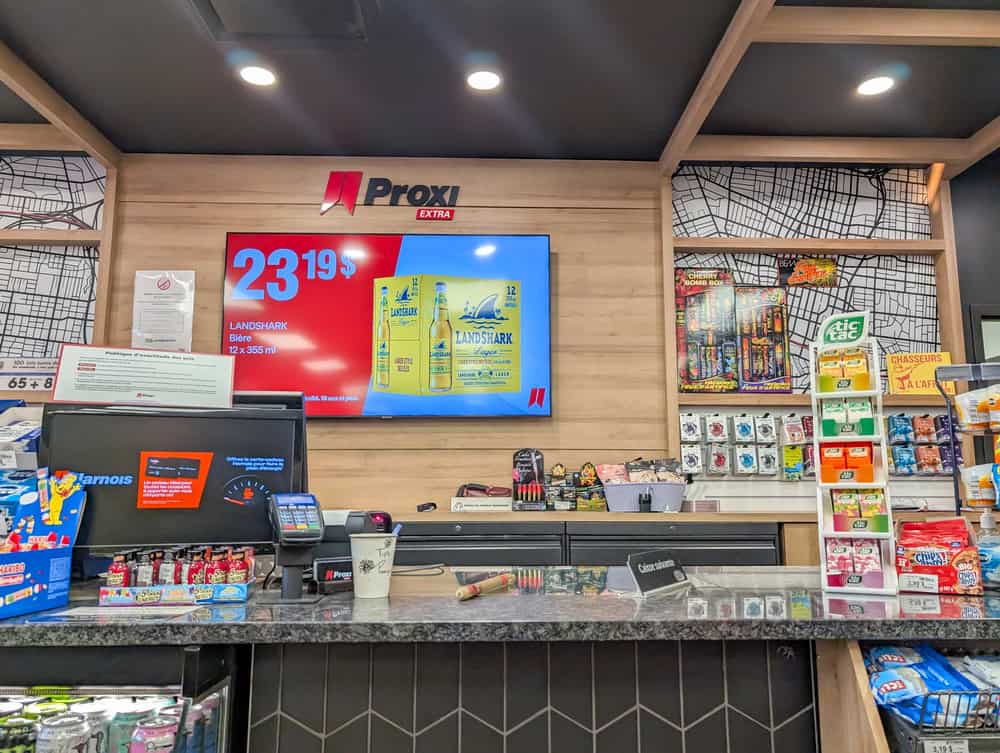
Waiting in a long line gives you plenty of time to stare at magazines and candy bars. About 70 percent of grocery checkout snacks and sodas are unhealthy. These small items look cheap, but they add up to a massive profit margin for the grocery store.
Stores place these treats here specifically to target your decision fatigue after a long shopping trip. Your brain feels tired from comparing prices, making a chocolate bar look like a well-deserved reward. Bring your own healthy snack from home to munch on while you wait for the cashier.
Overwhelming Supermarket Layout Floor Changes

Supermarkets frequently move the milk and bread to completely different corners of the building without any warning. They want to disrupt your normal routine and force you to wander past new displays. This tactic intentionally exhausts older shoppers who just want to get in and out quickly.
Stores hope you will throw random items into your cart out of sheer frustration while hunting for the eggs. You should ask an employee for directions immediately instead of walking around the entire store looking for one item. Keeping your shopping trip short prevents those costly impulse buys from ruining your weekly budget.