11 things older Americans still pay for that younger generations abandoned
Some purchases disappear almost overnight. Others survive for decades because people still believe they are worth paying for.
That difference is especially noticeable between generations. Younger adults often wonder why anyone would spend money on something that can now be done instantly with a phone app. But many older Americans continue choosing familiar products and services because they trust them, understand them, and know exactly what they are getting.
After years of relying on certain brands, routines, and traditions, convenience is not always the only thing that matters. Sometimes people are paying for reliability, personal service, or the comfort of something that has worked for them for years.
From old-fashioned services to everyday items younger generations rarely buy, these are the things many older Americans still happily spend money on.
Cable Television Subscriptions

Scrolling through endless streaming apps feels like a chore for folks who just want to flip on the evening news. A 2025 Pew Research Center survey found that 64 percent of Americans aged 65 and older still pay for cable or satellite TV. They appreciate the simplicity of a single remote and a static channel guide.
Younger viewers happily cut the cord to piece together a patchwork of internet streaming platforms. Meanwhile, Boomers gladly hand over hefty monthly fees to keep their favorite local broadcasts easily accessible. The comfort of a traditional television guide outweighs the appeal of slightly cheaper modern alternatives.
Landline Telephone Service

Holding a physical receiver to your ear brings a sense of comfort that glass screens simply cannot match. A 2026 report from the NumberBarn notes that nearly 40.7 percent of adults over 65 still keep an active landline. That physical cord plugging directly into the wall offers a feeling of security during power outages.
Most people under forty rely exclusively on cellular networks for all their communication needs. Older adults prefer the reliability of a home phone that never drops a call or needs a software update. They willingly pay that extra monthly bill just to hear a familiar dial tone.
Print Newspaper Deliveries
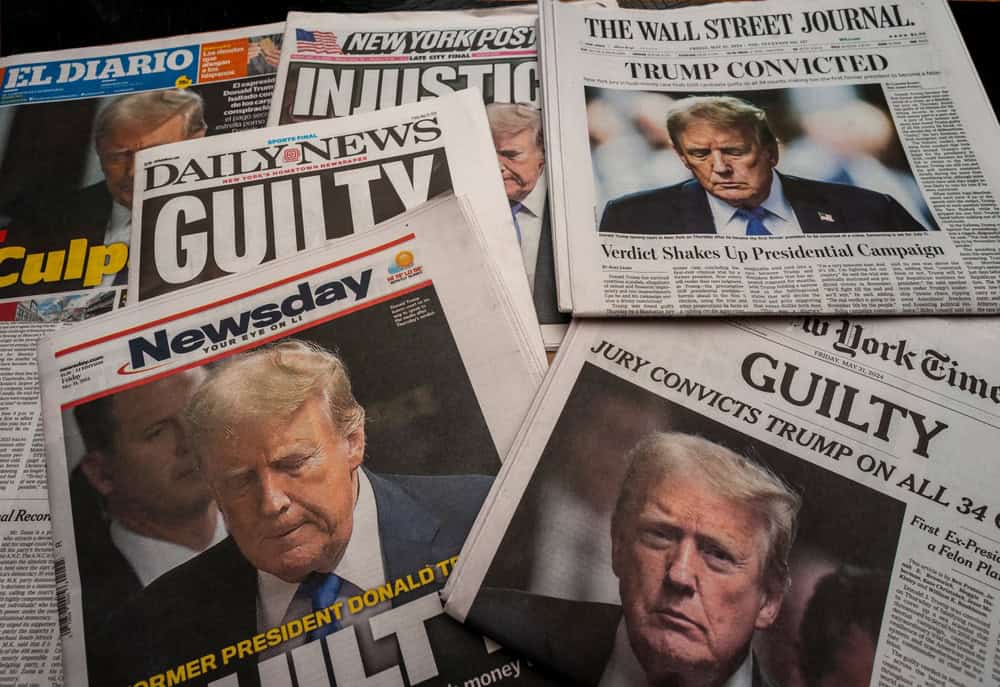
Nothing beats the tactile experience of spreading a broadsheet across the kitchen table with morning coffee. Pew Research Center data indicates that roughly 65 percent of older adults go for print books. The smell of ink and the rustle of paper create a morning ritual that digital screens fail to replicate.
Millennials grab their daily headlines from social media feeds and quick notifications on their smartwatches. Boomers actually enjoy the slow pace of reading a curated physical paper from cover to cover. Supporting local journalism through a hard copy subscription remains a badge of honor for this generation.
Bank Maintenance Fees

Walking into a brick-and-mortar bank branch to chat with a teller is a regular weekly errand for many retirees. They value face-to-face relationships with their local bankers over a slightly higher account balance.
Digital banking revolutionized the industry by offering completely free accounts to anyone with a smartphone. Seniors ignore these free online options because they trust a physical building much more than an app. Paying a few dollars a month feels like a fair trade for true peace of mind.
Dedicated Navigation Devices
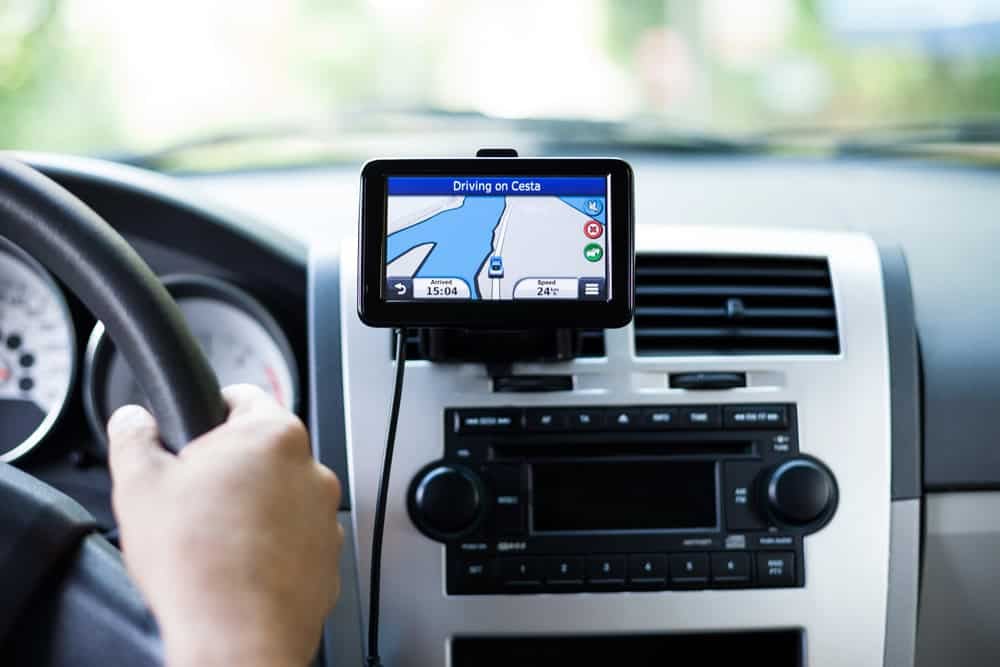
Mounting a clunky piece of plastic to the windshield feels completely normal if you grew up printing out driving directions. Older drivers are more likely to purchase dedicated GPS units rather than rely on smartphone apps. They love having a separate screen that never interrupts a turn by ringing with an incoming phone call.
Modern cars come equipped with brilliant built-in screens that mirror our phones automatically. Despite this technological leap, Boomers still drop cash on specialized Garmin and TomTom devices for their road trips. The familiar interface of a standalone unit keeps their stress levels low on busy highways.
Travel Agent Services

Planning a vacation requires endless hours of clicking through review websites and comparing flight aggregators. A 2026 survey by Travel Pulse by Northstar revealed that 44 percent of travel agent clients are older Americans aged 55 and above. Outsourcing this massive headache to a professional saves them from digital exhaustion.
Budget-conscious backpackers would never dream of paying a commission for someone else to book a hotel room. This older generation gladly pays a premium to have a human fix any canceled flights or missing reservations. Having a trusted advocate on speed dial turns a stressful vacation into a true getaway.
Premium Antivirus Software Subscriptions

Computer viruses terrify people who did not grow up troubleshooting blue screens of death. Buying expensive boxes of software from electronics stores remains a staple habit for the older crowd. They vividly remember the days when downloading a single bad file could destroy an entire hard drive.
Operating systems now feature highly effective built-in security measures for absolutely no extra cost. Retirees still spend heavily on yearly subscription renewals from legacy security brands just to feel safe online. The little green checkmark in the corner of their screen justifies the hefty price tag.
Extended Auto Warranties
Cars represent massive financial investments that require a lot of expensive upkeep over the years. Many older buyers eagerly sign up for extended service plans right inside the dealership finance office. They grew up in an era where vehicles broke down frequently and required constant mechanical attention.
Consumer advocates constantly advise against buying these pricey supplemental policies due to their massive loopholes. Boomers ignore the critics and buy the coverage anyway because a surprise repair bill scares them more than the upfront cost. That piece of paper sitting in the glovebox lets them sleep perfectly well at night.
Legacy Email Address Fees

Your email address says a lot about the exact year you first connected to the internet. A surprising number of seniors still pay monthly fees to internet service providers for email addresses they could easily get for free elsewhere. Changing an email address feels like moving houses and having to notify every person you have ever met.
Tech-savvy users jump between free providers like Gmail without a second thought. Older internet pioneers proudly pay to hold onto their classic addresses because it represents their digital identity. They see no reason to abandon a reliable service that has handled their digital mail for decades.
Physical Reference Books

Having a shelf full of heavy reference books used to be a major status symbol in suburban homes. Some older folks still purchase updated almanacs and reference materials to keep their personal libraries perfectly current. They fundamentally distrust crowdsourced websites where anonymous users can edit factual information at will.
The entirety of human knowledge now rests quietly inside our pockets for immediate access. Boomers continue paying for heavy physical volumes because holding a tangible book commands a deep sense of respect. Flipping through glossy pages simply feels more authoritative than clicking a web link.
Printed Road Maps

Opening a giant paper map on the hood of a car feels like the start of a genuine adventure. You can still spot retirees buying these folding puzzles at gas stations before hitting the interstate. They refuse to place their total trust in satellites that sometimes lose signal in remote mountain towns.
A phone battery can die right when you need to figure out the next highway exit. This cautious generation happily spends a few dollars on paper maps to guarantee they never get stranded blindly. Having a physical backup plan is a life lesson they simply refuse to unlearn.
QUESTION FOR READERS: Which old-fashioned product or service do you think deserves to survive?
Like our content? Be sure to follow us